
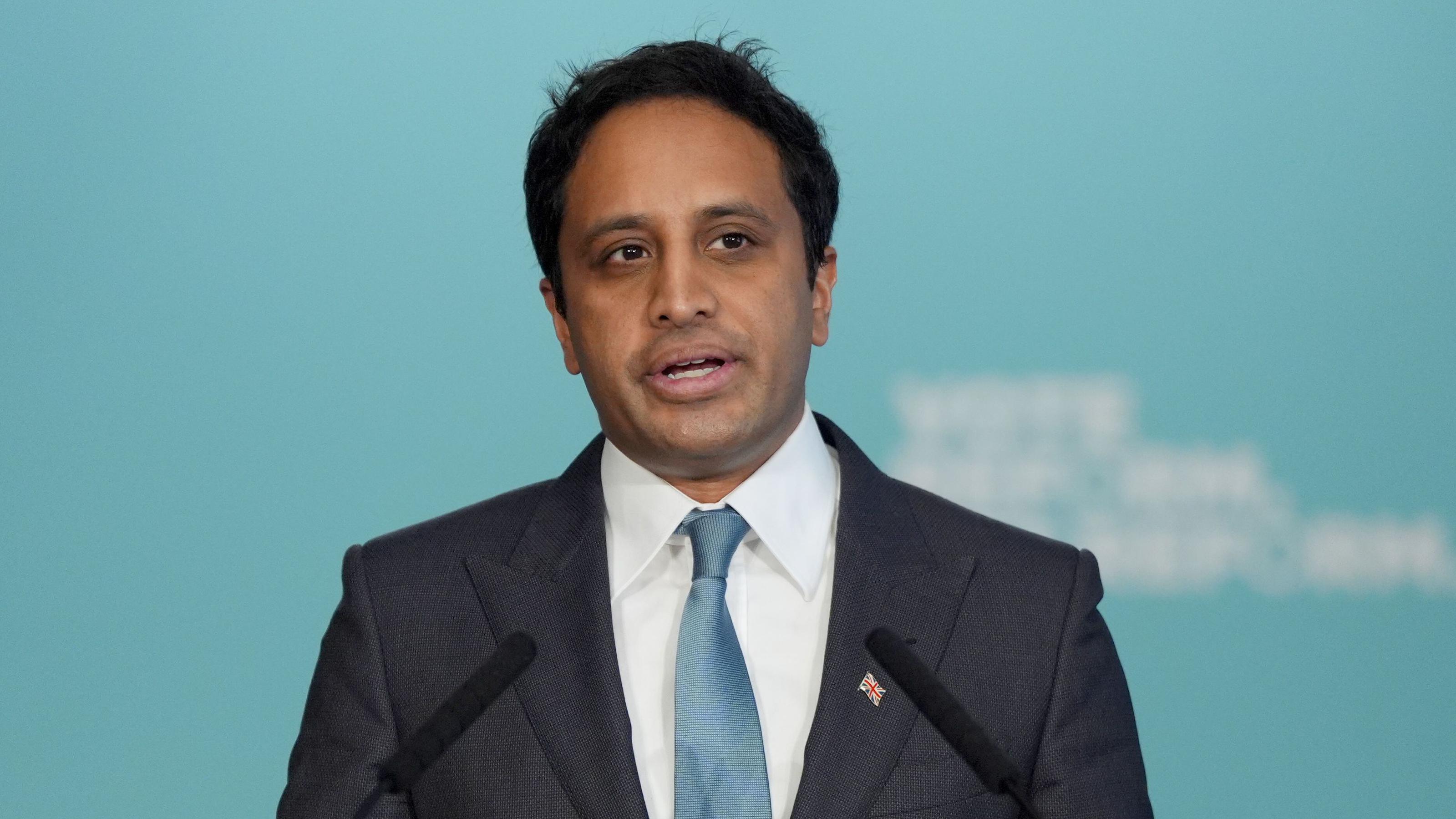
 Reform UK Shadow Home Secretary Zia Yusuf has warned that Labour is preparing to abandon its proposed reforms to Indefinite Leave to Remain (ILR), arguing that the retreat could push Britain towards “Boriswave bankruptcy”.
The Home Office had proposed extending the standard qualifying period for permanent settlement from five years to 10. But according to The Times, Labour is considering allowing up to 1.6 million immigrants who arrived from 2021 onwards to retain the shorter route.
“Labour is about to U-turn on ILR reforms and accelerate Britain’s Boriswave bankruptcy”, Yusuf said.
He described the surge in immigration from outside the EU under the Conservatives as “one of the most appalling acts of vandalism ever inflicted on the British people by its own government”.
“The Tories imported millions of unskilled migrants from third world countries in the blink of an eye”, he said. “Half of them do not work and never will.”
Yusuf warned that the long-term fiscal consequences would be catastrophic.
“This Boriswave will cost the taxpayer £622 billion over their lifetimes”, he said. “That’s £20,000 for every household in Britain.”
He argued that Home Secretary Shabana Mahmood had been given an opportunity to “at least unwind some of this vandalism” by making immigrants wait 10 years before qualifying for ILR.
“She knows the cost of failing to act could be the bankruptcy of Britain”, Yusuf said.
But he accused Mahmood of putting her political ambitions before the national interest, describing her as “nothing more than a subversive career politician willing to sacrifice the British people’s future for her own political future”.
Yusuf claimed that Andy Burnham had “handed the reins of power to Labour backbench MPs”, who oppose applying the tougher rules to immigrants already in Britain.
“These people want open borders as they see every unskilled migrant as a future voter”, he explained.
“I want to be crystal clear. Many Labour MPs are simply too dense to know what they are doing. That’s why most have never done anything other than Labour politics in their life.”
He added that Mahmood was “knowingly selling out her country” out of “naked ambition”.
Rather than merely extending the qualifying period for permanent settlement, Reform UK would abolish ILR altogether and withdraw ILR from those who already have it. Reform UK would replace permanent settlement with five-year renewable visas subject to higher salary thresholds, mandatory English fluency and stricter requirements for good character. Foreign nationals would no longer be eligible for benefits, while visas for jobs facing genuine labour shortages would be tightly capped and reserved for genuinely critical gaps in the workforce.
Yusuf concluded: “A Reform government will not allow this vandalism to bankrupt Britain. We will reverse the Boriswave.”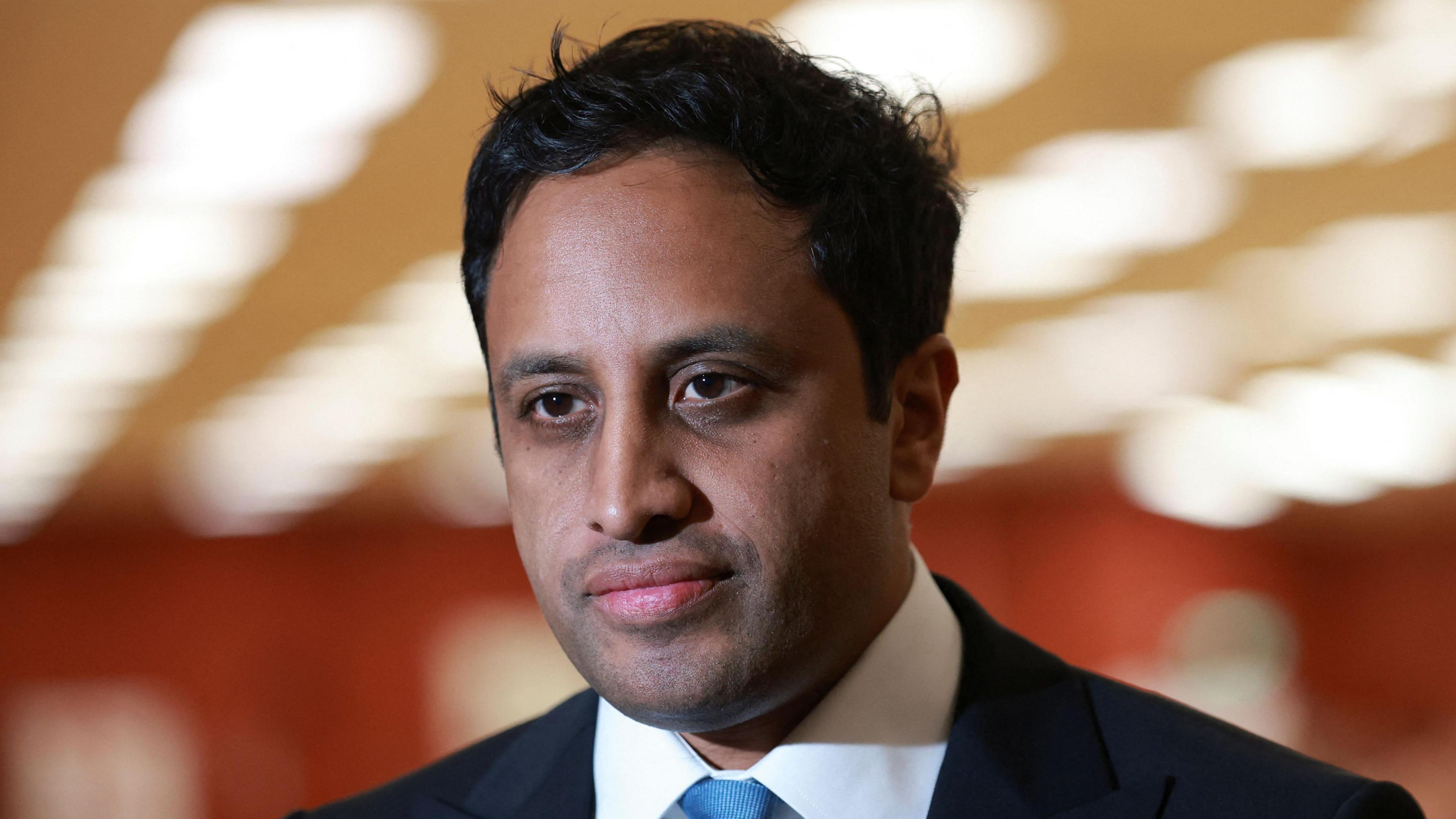
Zia Yusuf: Open-Borders Burnham Will Help the Boriswave Bankrupt Britain — A Political Analysis
The statement “Zia Yusuf: Open-borders Burnham will help the Boriswave bankrupt Britain” reflects a highly controversial political argument about immigration, public services, and the economic direction of the United Kingdom. The phrase combines criticism of certain political figures and policies, particularly those associated with immigration and government spending. To understand the meaning behind this claim, it is necessary to examine the wider debates surrounding open borders, migration, economic pressure, and the responsibilities of political leaders.
The term “open borders” is often used by critics to describe a system in which immigration controls are considered too relaxed. Supporters of stricter immigration policies argue that high levels of migration can place pressure on housing, healthcare, education, and public infrastructure. They believe that a country must carefully control the number of newcomers in order to protect wages, maintain social stability, and ensure that public services can meet demand. From this perspective, politicians who support more flexible immigration policies are sometimes accused of ignoring the economic challenges faced by local communities.
However, supporters of immigration argue that migration can also bring significant economic benefits. Immigrants often contribute to the workforce, start businesses, pay taxes, and fill important roles in industries experiencing labour shortages. Many economists argue that the relationship between immigration and economic performance is complex and depends on factors such as government planning, investment in infrastructure, and the ability of the economy to create opportunities. Therefore, blaming immigration alone for economic difficulties may overlook other important causes.
The reference to “Burnham” appears to involve criticism of a political figure who is associated with local government and public policy. Critics may argue that certain leaders have failed to manage population growth, housing demand, or public spending effectively. They may claim that decisions made by politicians have increased financial pressure on communities. Supporters of such leaders, however, may argue that they are attempting to solve difficult problems caused by broader national issues, including economic inequality, funding shortages, and long-term policy failures.
The term “Boriswave” is a political expression referring to immigration patterns during the period associated with Boris Johnson’s government. During that time, the United Kingdom experienced significant changes in migration levels due to new visa systems, post-Brexit policies, and global events. Some critics argue that these changes resulted in unexpectedly high immigration numbers and created additional pressure on housing and public services. They use phrases like “Boriswave” to criticise what they see as a failure of government planning.
The claim that such policies could “bankrupt Britain” is a strong political accusation. National finances are influenced by many different factors, including taxation, government spending, economic growth, productivity, international trade, energy prices, and demographic changes. While population growth can create financial challenges if infrastructure does not keep pace, it can also support economic growth by expanding the workforce and increasing demand for goods and services. Whether immigration creates a financial burden or an economic advantage depends on how effectively it is managed.
Zia Yusuf, as a political commentator and campaigner, represents a viewpoint that focuses on concerns about national identity, government accountability, and immigration control. Arguments from this perspective often emphasise that governments must prioritise the interests of existing citizens and ensure that public resources are used sustainably. Supporters believe that reducing immigration levels and improving border controls can help address social and economic pressures.
On the other side of the debate, many people argue that political discussions about immigration should avoid exaggeration and focus on evidence. They believe that migrants should not be portrayed as the cause of every national problem. Instead, they argue that governments should improve planning, increase housing supply, invest in public services, and create economic policies that benefit both citizens and newcomers.
In conclusion, the statement “Zia Yusuf: Open-borders Burnham will help the Boriswave bankrupt Britain” represents one side of a wider political debate about immigration and the future of the United Kingdom. It highlights concerns about population growth, government responsibility, and economic sustainability. However, the relationship between immigration and national prosperity is complicated, and different political perspectives offer different explanations and solutions. A balanced discussion requires considering both the challenges and potential benefits of migration, as well as examining the wider economic and social policies that shape Britain’s future.