
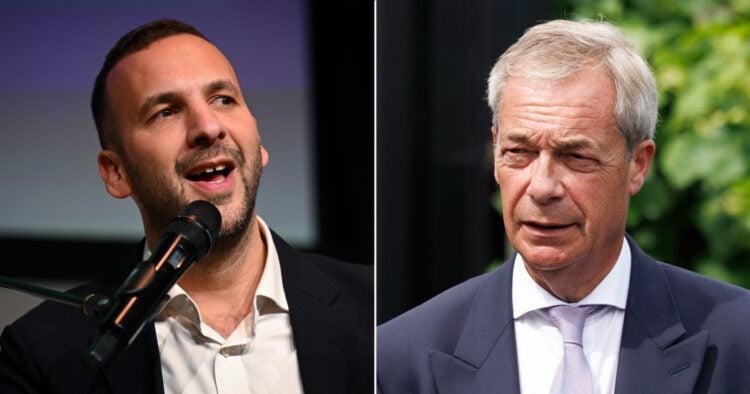
Farage Demands Action as Zack Polanski Social Media Row Sparks Political Storm
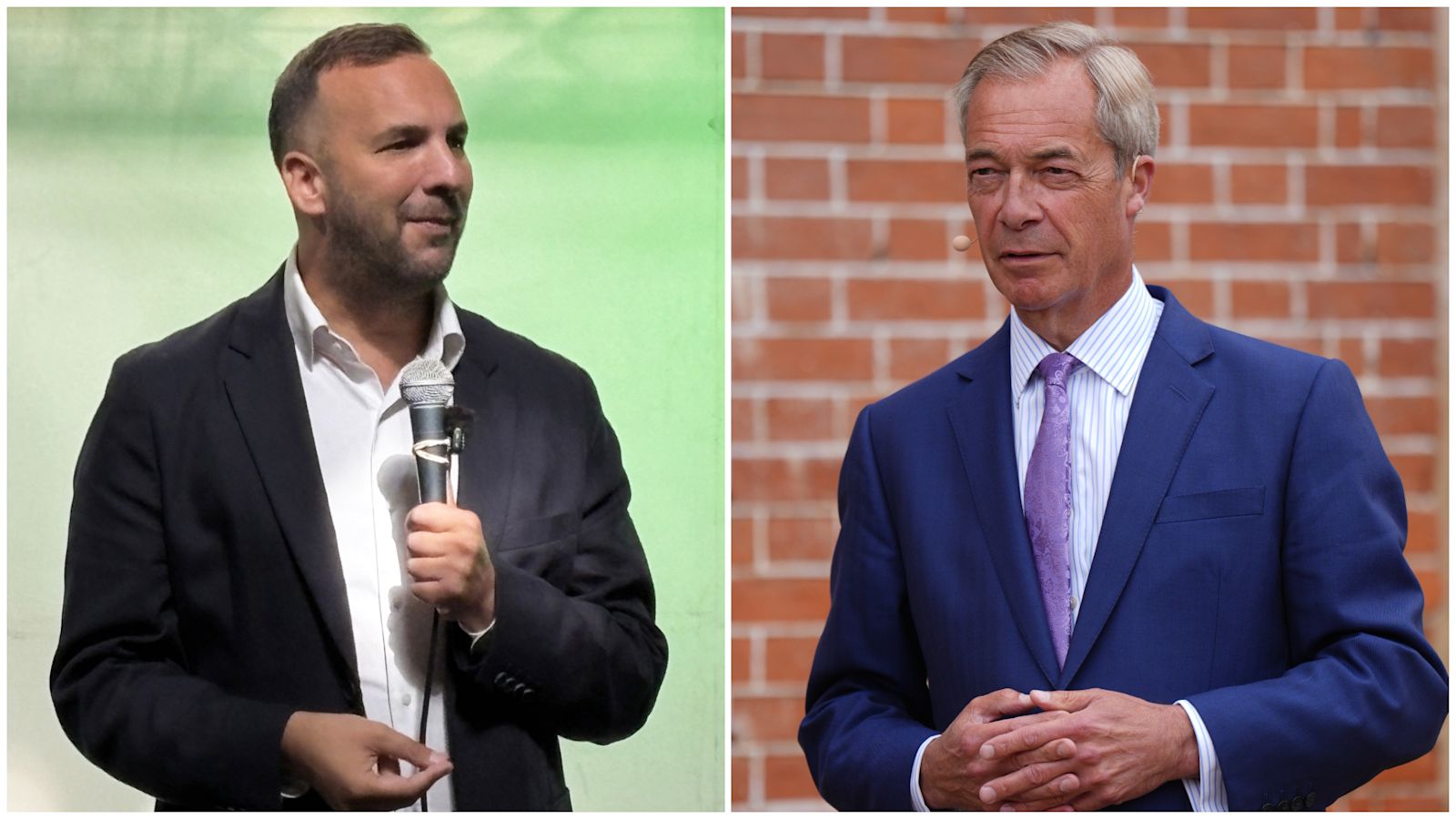
A growing political dispute over a controversial social media post has reignited a wider debate in Britain about free speech, political responsibility, and the limits of online expression. The clash involving Reform UK leader Nigel Farage and Green Party leader Zack Polanski has quickly developed into a national conversation about how politicians should behave in the digital age.
The controversy began after an image shared online attracted criticism from opponents who argued that it was inappropriate and potentially harmful. Farage called for action and said the matter should be investigated, while supporters of Polanski argued that the situation had been exaggerated and that political disagreements should not automatically become legal matters.
The dispute highlights a difficult challenge facing modern democracies: how to protect freedom of expression while ensuring that public figures are held responsible for the messages they promote.
Social media has transformed political communication.
In previous generations, politicians mainly communicated through speeches, television interviews, newspapers, and official statements. Today, a single post on a platform such as Instagram or X can reach thousands of people within minutes and create a national debate almost instantly.
This has given politicians a powerful tool for connecting directly with voters. However, it has also created new risks. Images, jokes, slogans, or comments can be interpreted in different ways depending on the audience, timing, and political context.
For public figures, the responsibility is even greater because their words and actions can influence public discussion.
Supporters of Farage’s criticism argue that politicians must recognise the impact of what they share online. They believe elected representatives and party leaders have a duty to maintain high standards because their messages can affect the tone of political debate.
They argue that controversial content should be examined carefully, especially at a time when concerns about threats and hostility towards politicians have increased.
However, those defending Polanski have raised concerns about the wider implications of the dispute. They argue that political expression, satire, and criticism must remain protected in a democratic society.
They warn that using legal complaints against controversial opinions could discourage open debate and create a situation where politicians attempt to silence opponents through official channels rather than through argument.
This disagreement reflects a long-running question in British politics: where should the boundary between offensive speech and unacceptable behaviour be drawn?
The answer is not always simple.
Democracy depends on the ability of people to express strong opinions, challenge leaders, and criticise political movements. Many important social changes throughout history have involved arguments that were considered controversial at the time.
At the same time, democratic societies also recognise that freedom of speech is not unlimited. Threats, encouragement of violence, and deliberate attempts to cause harm are treated differently from ordinary political disagreement.
The difficulty comes in deciding where individual cases fall.
The row between Farage and Polanski also reveals the increasingly competitive nature of British politics. Smaller parties have become more influential in recent years, challenging the traditional dominance of Labour and the Conservatives.
Reform UK has attracted voters who feel frustrated with established parties, particularly on issues such as immigration, taxation, and government responsibility.
The Green Party, meanwhile, has attempted to expand its influence by focusing on environmental issues, social equality, and changes to the political system.
As these parties compete for attention, disagreements between their leaders are likely to become more intense.
Political conflict often increases when parties are fighting for similar groups of dissatisfied voters. Strong criticism can attract media attention, but it can also deepen divisions.
The incident also raises questions about the responsibilities of political leaders in an online environment where information spreads rapidly.
A politician may share content without fully considering how it will be interpreted. However, opponents may argue that leaders must take responsibility for everything published through their accounts or platforms.
This creates a difficult balance between personal responsibility and the reality of modern communication.
For Farage, the issue represents a broader argument about political standards. His supporters believe politicians from all sides should face consequences when their actions are considered unacceptable.
They argue that consistency is essential and that no political group should receive special treatment.
For Polanski and his supporters, the focus is likely to remain on protecting political debate and avoiding unnecessary escalation.
They may argue that disagreements should be resolved through public discussion rather than legal pressure whenever possible.
Beyond the individuals involved, the controversy reflects a wider problem facing many countries: political debate has become increasingly divided.
Social media platforms often reward strong reactions, emotional language, and controversy. As a result, political discussions can quickly become personal conflicts rather than debates about ideas and policies.
Many observers believe that politicians have an important role in improving the quality of public discussion.
Strong disagreement is a normal part of democracy, but personal attacks and hostile language can damage trust in political institutions.
The challenge for leaders is to compete fiercely while still respecting democratic principles.
The police response to controversial online material must also be carefully considered. Law enforcement agencies must examine whether content breaks the law while avoiding involvement in ordinary political disputes.
This requires careful judgment and attention to evidence rather than public pressure alone.
The outcome of this particular dispute may eventually receive less attention, but the wider debate is unlikely to disappear.
As politics becomes increasingly digital, arguments over online speech, responsibility, and public standards will continue.
Politicians will need to adapt to a world where every post can become a major story and where public reactions can develop faster than ever before.
The lesson from this controversy is clear: in modern politics, communication is powerful but carries consequences.
Leaders have the freedom to express their views, challenge opponents, and campaign for change. However, they must also recognise the influence they hold and the responsibility that comes with it.
The future of political debate in Britain will depend on finding the right balance between freedom and accountability.
A healthy democracy requires disagreement, but it also requires respect.
The challenge is ensuring that political battles remain focused on ideas rather than allowing them to become personal conflicts that damage public trust.