
Andy Burnham’s Proposed Tax Change: A Debate Over Fairness, Local Power and Britain’s Future
Taxation is one of the most sensitive issues in politics because it affects almost every part of people’s lives. Decisions about taxes influence household finances, businesses, public services, and the relationship between citizens and government. When a political leader suggests a major tax change, the reaction is often immediate because people want to know how it will affect their daily lives.
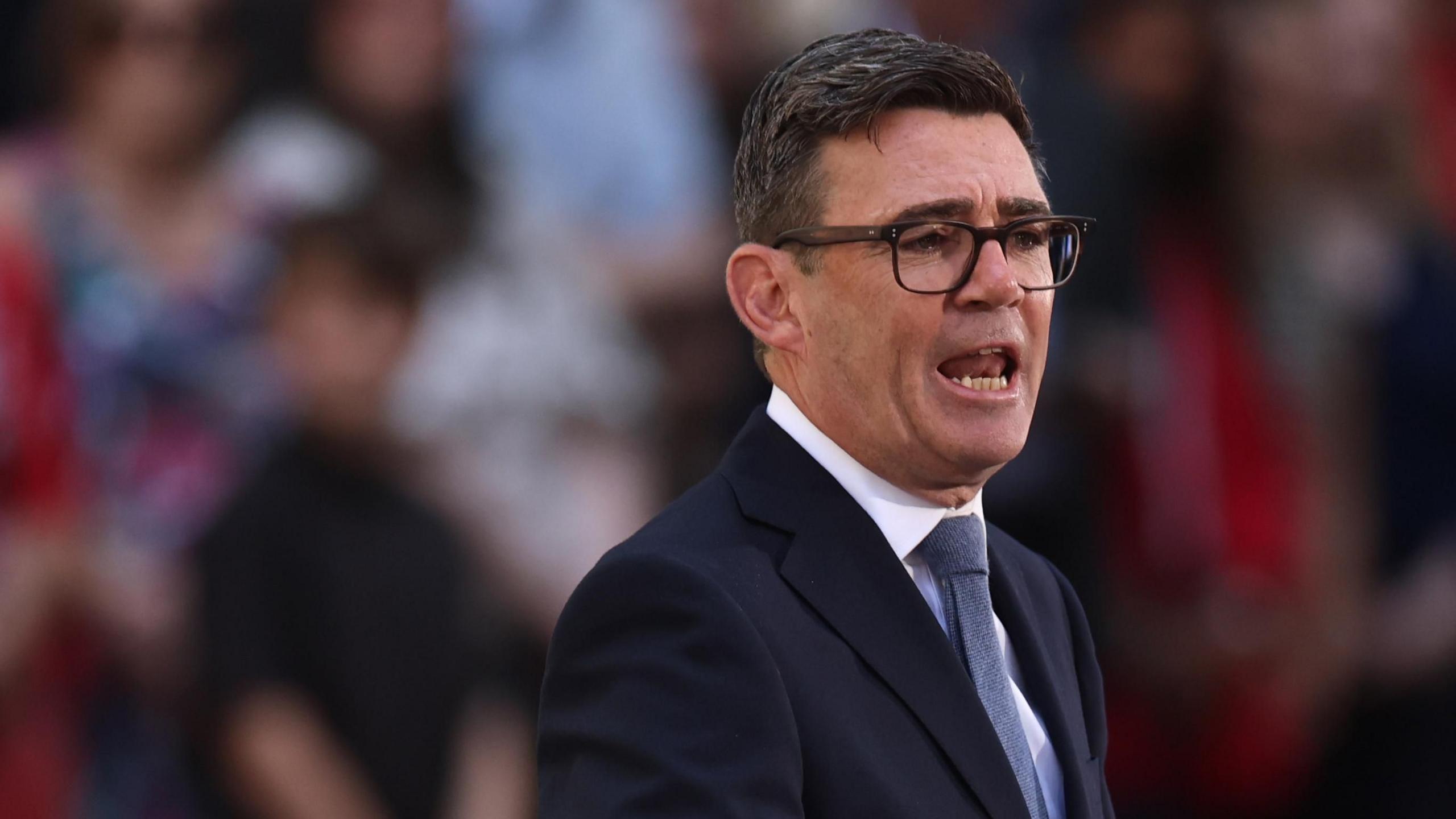
Recent discussion about Andy Burnham considering a significant tax reform, rather than a traditional income tax increase, has created debate about the future of taxation in Britain. Supporters argue that new approaches to raising revenue could create a fairer system and provide more resources for communities. Critics, however, question whether any new tax would place additional pressure on families and businesses already facing financial challenges.
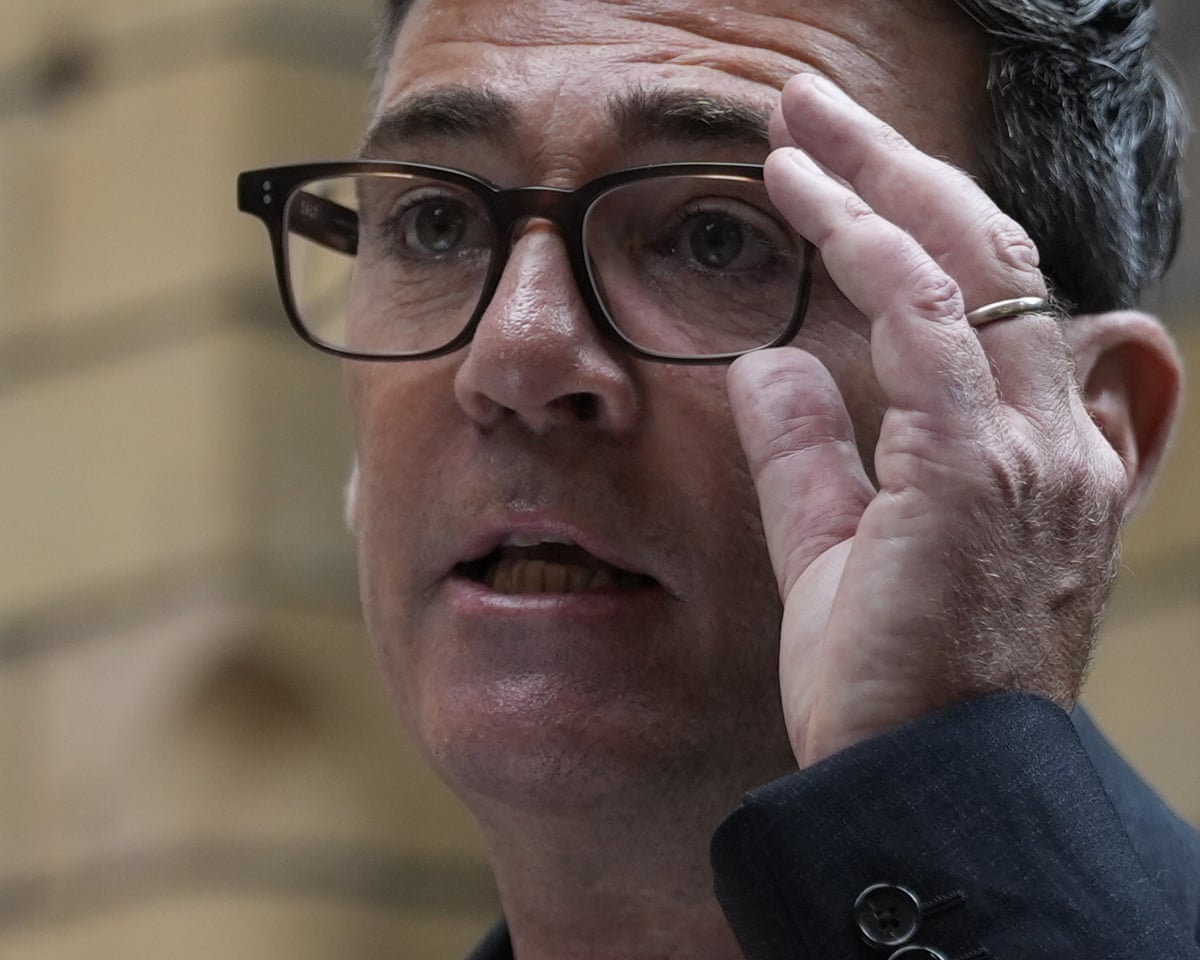
Andy Burnham has become known as a politician who focuses strongly on local government and regional development. As Mayor of Greater Manchester, he has often argued for greater decision-making power outside Westminster. His supporters believe that local leaders understand the needs of their communities better and should have more control over financial decisions.
This discussion about taxation is closely connected to the wider debate about devolution. For many years, British politics has been highly centralised, with major financial decisions controlled by the national government. Supporters of greater regional power argue that cities and regions should have more freedom to raise and spend money according to local priorities.
A tax change that does not involve increasing income tax could take many possible forms. Governments can consider different methods of raising revenue, including taxes connected to property, businesses, consumption, environmental issues, or other economic activities. Each approach has advantages and disadvantages, and the impact depends on how the policy is designed.
Supporters of alternative taxation argue that relying heavily on income tax can place a significant burden on workers. They believe a broader tax system could distribute responsibility more evenly and allow governments to fund important services without directly increasing taxes on wages.
For example, some people argue that those with greater wealth or valuable assets should contribute more to society. From this perspective, adjusting taxes on property or wealth could help reduce inequality and provide funding for public investment.
However, critics warn that new taxes can have unexpected consequences. A policy designed to raise money from wealthy individuals may also affect ordinary families, homeowners, or small businesses. The details of any tax proposal are therefore extremely important because the same policy can affect different groups in very different ways.
One of the biggest concerns about taxation is fairness. People generally accept that governments need revenue to provide services such as healthcare, education, transport, and public safety. However, disagreements arise over who should pay more and how the burden should be shared.
Those who support Burnham’s approach may argue that the current system does not always reflect modern economic realities. They believe that wealth, property values, and regional inequalities have changed significantly, meaning the tax system may need to adapt.
On the other hand, opponents may argue that increasing or creating new taxes could discourage investment and economic growth. Businesses may be concerned that higher costs could affect hiring, expansion, or competitiveness. Individuals may worry that changes could reduce their financial security.
The debate also reflects different views about the role of government. Some people believe governments should keep taxes as low as possible and allow individuals to decide how to use their own money. They argue that economic growth is strongest when people and businesses have greater financial freedom.
Others believe that governments have a responsibility to invest in public services and reduce inequality. They argue that a society with strong infrastructure, healthcare, and education benefits everyone, including businesses and higher-income individuals.
Andy Burnham’s supporters often emphasise the importance of improving public services and supporting communities. They argue that investment in transport, housing, skills, and local economies can create long-term benefits. From this perspective, taxation is not simply about taking money from citizens but about funding improvements that help society as a whole.
The political challenge is convincing voters that any tax change will produce clear benefits. Many people are cautious about new taxes because they have experienced periods when living costs increased and household budgets became tighter. Leaders must therefore explain not only how much money a tax would raise but also how it would improve people’s lives.
Communication is especially important in modern politics. Tax proposals can quickly become controversial because opponents often focus on the possible costs while supporters focus on the potential benefits. Without clear explanations, voters may become concerned or misunderstand the purpose of a policy.
The debate surrounding Burnham’s possible tax changes also highlights the changing relationship between national and local government. Around the world, many countries are exploring ways to give regions more financial independence. Supporters argue that local leaders can make better decisions because they understand local conditions.
However, critics question whether giving regions more tax powers could create inequality between different parts of a country. Wealthier areas may be able to raise more money than poorer regions, creating differences in public services. A fair system must therefore consider how resources are distributed.
Another important issue is trust. Taxation requires citizens to believe that governments are using money responsibly. If people feel that taxes are wasted or poorly managed, they are less likely to support increases or reforms.
This means political leaders must demonstrate accountability. They need to explain where money goes and show that spending decisions create real improvements. Good governance is essential for maintaining public confidence.
The discussion about Burnham’s tax plans is therefore part of a much larger conversation about Britain’s economic future. The country faces challenges including pressure on public services, regional inequality, changing employment patterns, and the rising cost of living. Finding enough resources to address these issues is a major political challenge.
In conclusion, the debate over Andy Burnham’s possible tax changes shows how complicated taxation decisions can be. A tax reform that avoids raising income tax may offer new possibilities for funding public services, but it also raises questions about fairness, economic impact, and public trust.
The success of any tax policy depends not only on how much money it raises but also on whether people believe it is fair and effective. Governments must balance the need for revenue with the need to protect households and encourage economic growth.
Ultimately, taxation is not only an economic issue but also a reflection of society’s values. It represents choices about responsibility, equality, and the kind of future a country wants to build. Whether Burnham’s ideas gain support will depend on whether voters believe the benefits outweigh the costs and whether the changes genuinely improve the lives of communities across Britain.
Leave a Reply
You must be logged in to post a comment.