

Reform Reports Green Party Leader Zack Polanski to Police Over Guillotine T-Shirt Post: A Political Debate Over Free Speech, Responsibility and Modern Activism
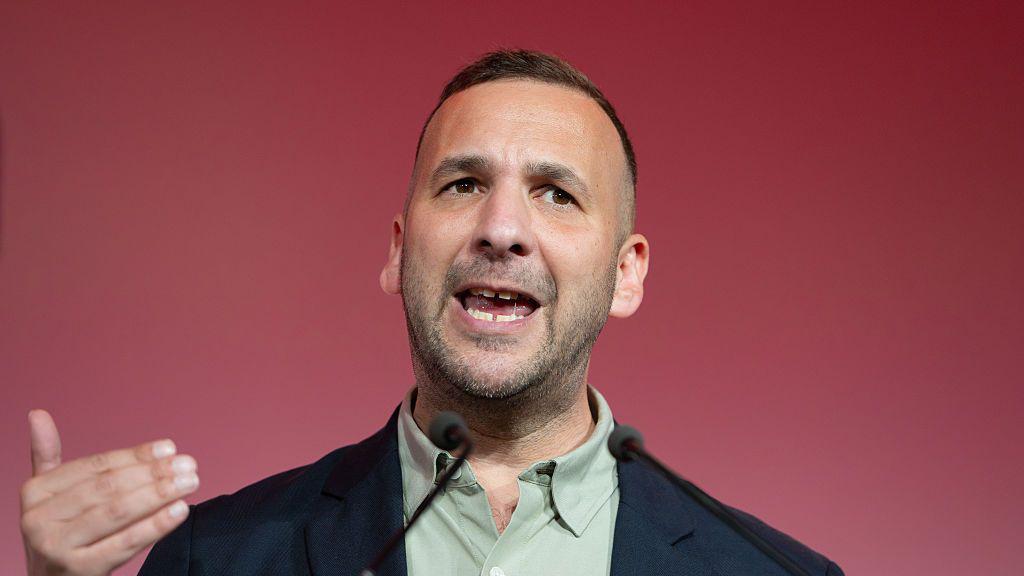
A new political controversy has emerged after Reform UK reportedly raised concerns with police over a social media post linked to Green Party leader Zack Polanski involving an image of a guillotine-themed T-shirt. The incident has sparked a wider debate about the boundaries of political expression, the responsibilities of public figures, and the increasingly intense nature of online political arguments.
The dispute comes at a time when British politics is becoming more divided and emotionally charged. Social media has transformed the way politicians communicate, allowing them to speak directly to millions of people. However, this new style of communication has also created new challenges, as posts can quickly spread, attract criticism, and create political storms within hours.
The controversy surrounding Polanski is not only about one image. It raises larger questions about how democratic societies should handle provocative political messages, how far satire can go, and whether politicians should be held to higher standards when communicating publicly.
The Beginning of the Controversy
The dispute began after attention was drawn to a social media post featuring an image of a person wearing a T-shirt displaying a guillotine design. The symbol immediately attracted criticism because of its historical connection with revolution, political violence, and the execution of opponents during periods of conflict.
Reform UK argued that the image was unacceptable and raised concerns about the message it could send. The party suggested that imagery connected with violence should be taken seriously, particularly when it involves political figures and public debate.
Supporters of Polanski, however, argued that the situation had been misunderstood. They suggested that the image should be viewed within the context of political satire, criticism, or commentary rather than as a direct statement supporting violence.
The disagreement demonstrates how political symbols can be interpreted in different ways depending on personal beliefs, political views, and social context.
Why the Issue Became So Significant
In previous generations, political controversies often developed through newspapers, television interviews, or public speeches. Today, social media has completely changed the speed and scale of political communication.
A single image can reach thousands or even millions of people almost instantly. Once shared widely, it can become difficult to control how the message is interpreted.
For politicians, this creates a complicated environment. They want to communicate naturally with supporters, but they must also consider how their words and images may be understood by opponents or members of the wider public.
A message intended as humour or criticism can sometimes be interpreted as offensive or threatening. This creates difficult decisions about where responsibility begins and where freedom of expression should be protected.
The Debate Over Free Speech
At the heart of the controversy is a fundamental democratic question: how much freedom should political figures have to express controversial opinions?
Supporters of free speech argue that democracy depends on the ability to criticise powerful people and challenge established ideas. Political movements throughout history have used strong language, dramatic images, and satire to express opposition.
They argue that uncomfortable messages are not necessarily dangerous messages. A democratic society must allow people to express anger, frustration, and disagreement without immediately treating every controversial statement as unacceptable.
Political satire has always played an important role in challenging leaders and institutions. Cartoons, comedy, protests, and artistic expressions often use exaggerated symbols to make political points.
However, others argue that freedom of expression comes with responsibility. They believe that politicians, because of their influence, must carefully consider the impact of the messages they promote.
The Responsibility of Political Leaders
Political leaders are not ordinary social media users. Their words and actions receive significant attention because they influence public debate.
When a party leader shares or supports content online, many people view it as a reflection of their judgement and leadership style.
Critics argue that leaders should avoid sharing material involving violent imagery, even if the intention is satire. They believe politicians have a duty to reduce hostility and encourage respectful debate.
Supporters of Polanski may respond that political leaders should not be prevented from engaging with challenging ideas or using symbolic criticism. They argue that holding politicians responsible for every controversial image could create an environment where debate becomes too restricted.
The challenge is finding a balance between accountability and openness.
The Growing Conflict Between Political Movements
The controversy also reflects a broader trend in British politics: increasing competition between political movements with very different visions for the country.
Reform UK and the Green Party represent contrasting approaches to issues such as the economy, climate change, public services, and the role of government.
As political competition becomes stronger, disagreements between parties are increasingly fought not only through policies but also through cultural debates and online battles.
Supporters of each side often see controversies differently. One group may view an incident as a serious issue requiring action, while another may see it as an attempt to create unnecessary outrage.
This division has become a common feature of modern politics.
Social Media and the New Political Battlefield
Social media platforms have become one of the most important spaces for political discussion. They allow smaller parties and independent voices to reach audiences without relying entirely on traditional media.
For emerging political movements, online communication can be a powerful tool for building support and spreading ideas.
However, social media also encourages quick reactions. People often respond emotionally before understanding the full context of an issue.
A controversial post can become a major story before explanations or clarifications are provided.
This creates pressure on politicians and their teams to carefully review content before publishing it.
Could Political Controversies Change Public Opinion?
One important question is whether incidents like this actually influence voters.
For some people, controversies involving political behaviour can affect their trust in a leader. They may see such incidents as evidence of poor judgement or unacceptable attitudes.
For others, these disputes may have little impact compared with issues that directly affect their daily lives, such as healthcare, employment, housing, and the economy.
Many voters ultimately judge politicians based on whether they can deliver results rather than whether they are involved in individual controversies.
However, repeated controversies can influence a politician’s public image over time.
The Challenge for Zack Polanski
For Zack Polanski, the incident represents a test of leadership and communication.
As leader of the Green Party, he must balance maintaining his political identity with demonstrating responsibility as a national figure.
Political leaders often face difficult moments where they must decide whether to defend their actions, apologise, explain the situation, or move the conversation forward.
How leaders respond to controversy can sometimes be as important as the original incident itself.
A calm and thoughtful response may reassure supporters and neutral observers, while a defensive approach may increase criticism.
What This Means for British Politics
The controversy reflects a wider transformation in British political culture.
Traditional debates focused mainly on policy differences. Today, politics is increasingly shaped by identity, online communication, and public reactions to individual moments.
This means politicians must operate in an environment where every action can be examined and debated.
The challenge for democracy is ensuring that strong disagreement remains possible while avoiding a political culture dominated entirely by outrage and personal attacks.
A healthy political system requires criticism, but it also requires respect and responsibility.
Conclusion
The dispute involving Reform UK, Zack Polanski, and the guillotine-themed T-shirt post highlights some of the biggest challenges facing modern politics.
The controversy has raised important questions about freedom of expression, political responsibility, satire, and the role of social media in shaping public debate.
Supporters of stronger accountability argue that politicians must carefully consider the messages they share, especially when symbols connected with violence are involved. Supporters of free expression argue that democracy requires room for criticism, humour, and challenging ideas.
The final debate goes beyond one social media post. It reflects a much larger question about the future of political communication.
As Britain’s political environment becomes more competitive and digital, leaders will continue to face the challenge of speaking clearly while understanding the power and consequences of their words.
In the end, democracy depends on two principles existing together: the freedom to express opinions and the responsibility to consider their impact. Finding the right balance will remain one of the defining challenges of modern politics.