
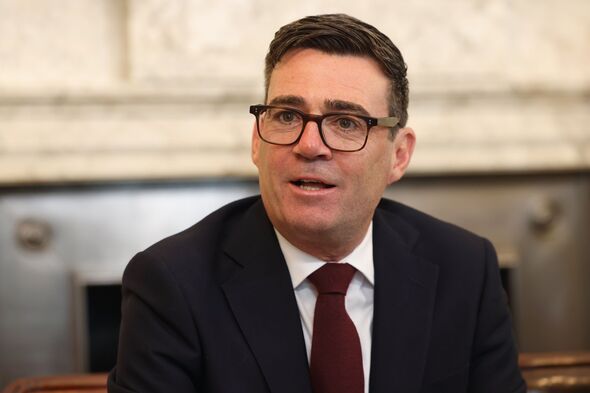
Major Pensions Overhaul Announced: Key Changes Under Fictional Prime Minister Alex Hartley
Disclaimer: This article is a fictional political scenario. The politician, government decisions, reforms, and announcements described below are entirely imaginary and created for storytelling purposes.
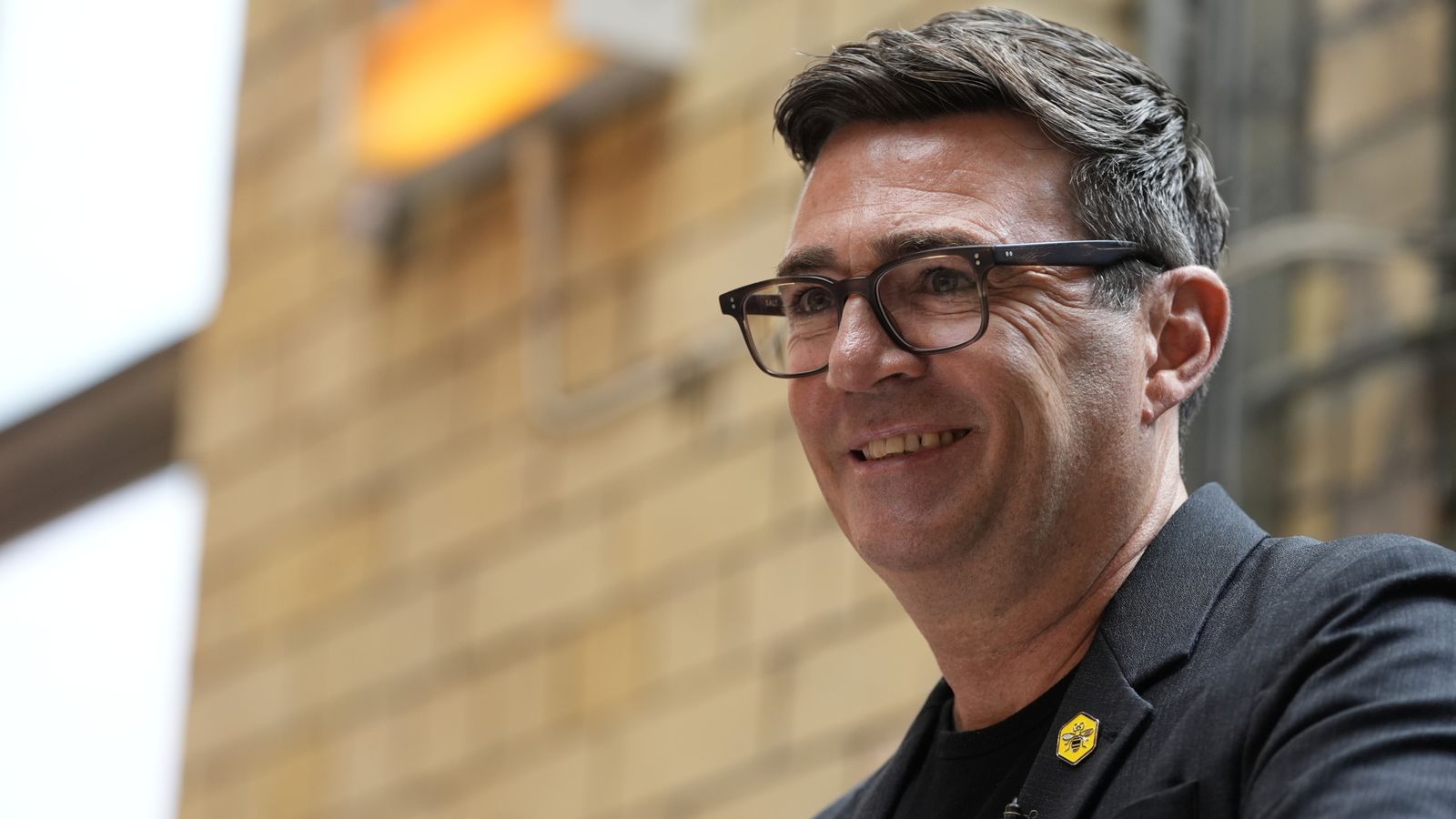
A dramatic new chapter in Albion’s retirement system began today after Prime Minister Alex Hartley unveiled what his government described as the biggest pensions transformation in decades.
The announcement immediately dominated political debate, with supporters calling it a historic attempt to protect older citizens while critics questioned whether the reforms would create long-term financial pressure.
Speaking in Parliament, Hartley said the fictional overhaul was designed to create a fairer and more transparent retirement system.
“People deserve confidence that years of work will be respected,” he told lawmakers. “Our goal is to build a pension system that supports today’s retirees while remaining responsible for future generations.”
The fictional reform package contained several major changes.
The first proposal focused on improving pension security.
Under the new system, retirement payments would be reviewed through a strengthened protection mechanism designed to help pensioners cope with changes in the cost of living.
Government officials argued that older citizens should not face uncertainty when planning their finances.
The second major change involved workplace pensions.
The government proposed stricter requirements for pension providers, including clearer reporting on fees, investment performance, and long-term value.
Ministers claimed that many workers did not fully understand how their pension savings were managed and that greater transparency would help people make better financial decisions.
The third element of the fictional package focused on investment.
Officials argued that pension funds could play a larger role in supporting economic development while still protecting savers’ money.
The proposal encouraged responsible investment in infrastructure, technology, and local projects, although financial experts warned that retirement funds must always prioritize security over political objectives.
The announcement quickly divided opinion.
Supporters described the reforms as a necessary modernization of an outdated system.
They argued that changing demographics and longer life expectancy required governments to rethink how retirement security was delivered.
“This is about preparing for the future,” one fictional minister said. “A pension system built for the past cannot automatically meet the challenges of tomorrow.”
However, critics raised concerns.
Opposition politicians questioned whether the reforms would increase government spending or place additional responsibilities on taxpayers.
Some analysts warned that pension policy involved difficult choices between protecting retirees today and maintaining financial stability over many decades.
Economic experts also highlighted the complexity of pension reform.
Unlike short-term political decisions, pension changes often affect people for thirty years or more.
Small adjustments made today can have significant consequences for workers approaching retirement in the future.
Across Albion, reactions from citizens varied.
Many retirees welcomed the promise of greater security.
For people living on fixed incomes, even small changes in pension rules could influence decisions about food, heating, healthcare, and housing.
Younger workers, however, expressed different concerns.
Some supported stronger retirement protections but wanted reassurance that they would also benefit when their own retirement years arrived.
The debate revealed a wider challenge facing modern societies: balancing the needs of different generations.
Political commentators noted that pension reform rarely succeeds through slogans alone.
It requires careful planning, accurate financial analysis, and public trust.
As Parliament prepared to debate the fictional legislation, government officials faced pressure to explain every detail.
How much would the reforms cost?
Who would benefit most?
How would the system remain sustainable as the population aged?
These questions dominated television discussions and newspaper commentary.
Some observers predicted that the pension debate would become one of the defining political issues of the decade.
Others argued that the controversy would eventually fade as the public focused on other concerns.
Regardless of the final outcome, the fictional pension overhaul demonstrated why retirement policy remains one of the most sensitive areas of government decision-making.
Pensions are not simply about money.
They represent a promise between generations.
They reflect how society values work, responsibility, and security.
In the end, the success of any pension reform would depend not only on political announcements but on whether ordinary citizens believed the system was fair, reliable, and built to last.