
Bev Craig Celebrates Victory as Andy Burnham’s Successor Secures Greater Manchester Mayor Role
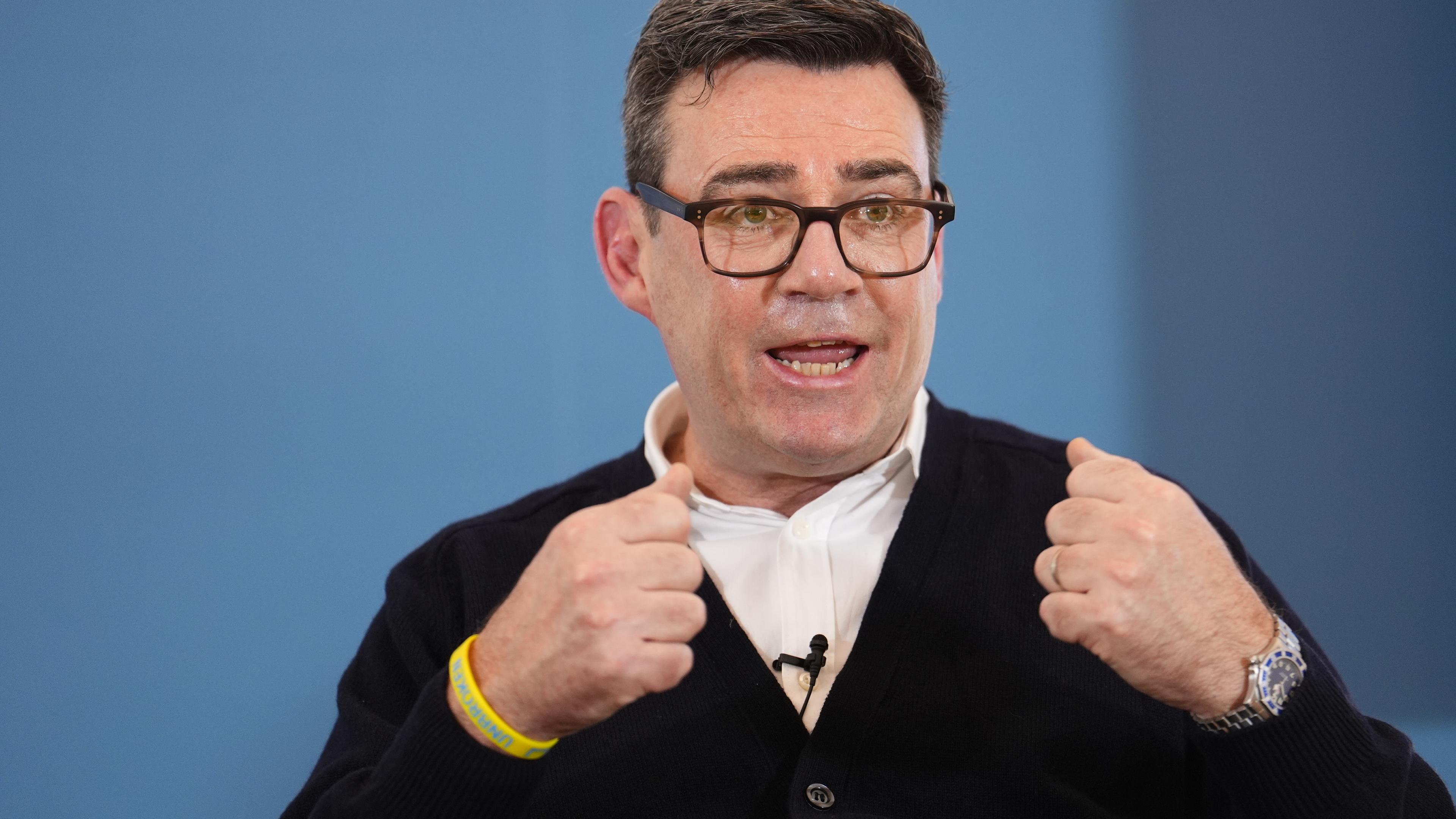
A new chapter has begun in the political story of Greater Manchester after Bev Craig celebrated a decisive victory to become the region’s new mayor, succeeding Andy Burnham and keeping the position in Labour’s hands. The result marks a significant moment for the city region, as Craig takes over one of the most influential local government roles in England after Burnham’s long and highly visible tenure.
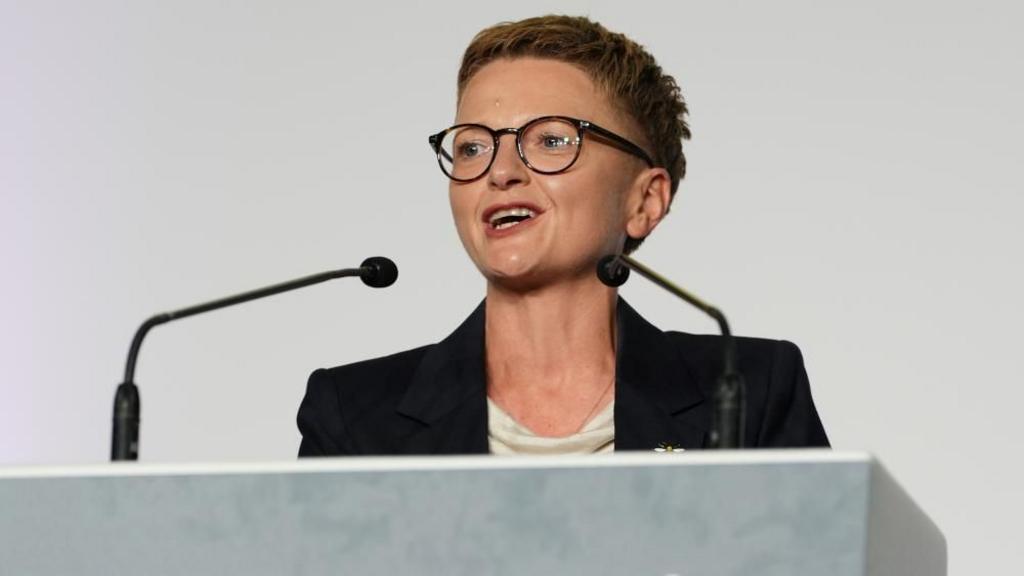
Craig’s victory was welcomed by Labour supporters as a sign that the party continues to maintain strong support across Greater Manchester. She defeated her main challenger from Reform UK after the second round of voting, securing 66.3% of the final vote. The result allowed Labour to retain control of a mayoralty that has become closely associated with Andy Burnham since its creation.
The election attracted national attention because Burnham’s departure created one of the biggest tests for Labour outside Westminster. During nearly a decade as Greater Manchester Mayor, Burnham built a reputation as one of Britain’s most recognisable regional politicians. His leadership style, focus on local decision-making and frequent involvement in national debates made the role far more prominent than many observers expected when the mayoralty was established.
For Labour, the contest represented more than a local election. It was viewed as a test of whether the party could maintain its influence in a major urban region after facing challenges from rival parties in recent elections. Reform UK had hoped to make significant gains, while other parties also attempted to capitalise on changing voter attitudes.
Instead, Craig’s victory provided Labour with a political boost. Supporters argued that voters had chosen continuity and experience, while critics pointed out that turnout was relatively low, with around one quarter of eligible voters participating.
Bev Craig entered the race with considerable local government experience. Before becoming mayor, she served as Leader of Manchester City Council, giving her direct experience managing one of the largest authorities within the Greater Manchester region. Her campaign focused on issues including housing, transport, investment and improving opportunities across the city region.
Her supporters believe this background makes her well prepared for the challenges ahead. Greater Manchester is a complex region made up of ten boroughs, each with different economic conditions, public service pressures and community priorities.
One of Craig’s biggest challenges will be deciding how much of Burnham’s political legacy to continue and where to create her own identity. Burnham became strongly associated with major projects such as the Bee Network transport system, which aimed to create a more integrated public transport system across the region.
Craig has indicated that she wants to build on existing achievements while introducing her own priorities. Supporters say she represents a new generation of Labour leadership, while also maintaining connections with the communities that have shaped Greater Manchester’s politics for decades.
Transport is expected to remain one of the most important issues facing the new mayor. Residents continue to focus on reliability, affordability and accessibility, particularly as many households deal with increased living costs. The success of regional transport reforms will likely be an important measure of Craig’s leadership.
Housing will also be a major challenge. Like many growing city regions, Greater Manchester faces pressure to provide more affordable homes while supporting economic development. Balancing new construction with protecting existing communities will require careful planning and cooperation between local authorities.
Economic growth is another key priority. Greater Manchester has attracted investment in technology, education, manufacturing and creative industries, but inequalities remain between different parts of the region. Craig has argued that future growth must benefit communities across all ten boroughs rather than being concentrated in only the most successful areas.
The political significance of the victory extends beyond Greater Manchester. Metro mayors have become increasingly important figures in British politics as more powers have been transferred from central government to regional authorities.
The success or failure of figures such as Craig can influence national debates about whether further devolution should take place. Supporters of regional government argue that local leaders understand communities better than Westminster-based politicians, while critics question whether additional powers always deliver better outcomes.
For Labour leader Andy Burnham, the result was also closely watched. His decision to leave the mayoral position created uncertainty about whether Labour could maintain its dominance in the region. Craig’s victory suggests that his political influence remains significant, even after leaving the role.
However, Craig now faces the challenge of proving that her success is based on her own leadership rather than simply the continuation of Burnham’s popularity. Every new mayor must eventually establish their own priorities and demonstrate that they can deliver results independently.
Opposition parties are likely to continue challenging Labour on issues such as public services, taxation and regional investment. Reform UK’s performance showed that there is growing competition for voters who feel dissatisfied with traditional parties.
The low turnout also presents a challenge. While Craig won comfortably among those who voted, encouraging greater public engagement will be an important issue for all political leaders. Many campaigners argue that stronger participation is necessary to ensure local democracy reflects the views of the wider population.
For residents of Greater Manchester, the change in leadership represents both continuity and transition. The region will continue to deal with familiar challenges, but it will now do so under a new mayor with her own political approach.
Bev Craig’s victory has already secured her place in Greater Manchester’s political history. As the successor to Andy Burnham, she inherits a powerful role and high expectations. Her success will ultimately depend on whether she can maintain public trust, deliver improvements and show that the next era of Greater Manchester leadership can build on the past while creating a new future.
The election result demonstrates that Labour remains a dominant force in the region, but it also shows that political competition is increasing. As Greater Manchester moves forward, all eyes will be on how Craig transforms an electoral victory into effective leadership.