
Politics Latest: Labour’s Bev Craig Wins By-Election to Succeed Andy Burnham as Greater Manchester Mayor

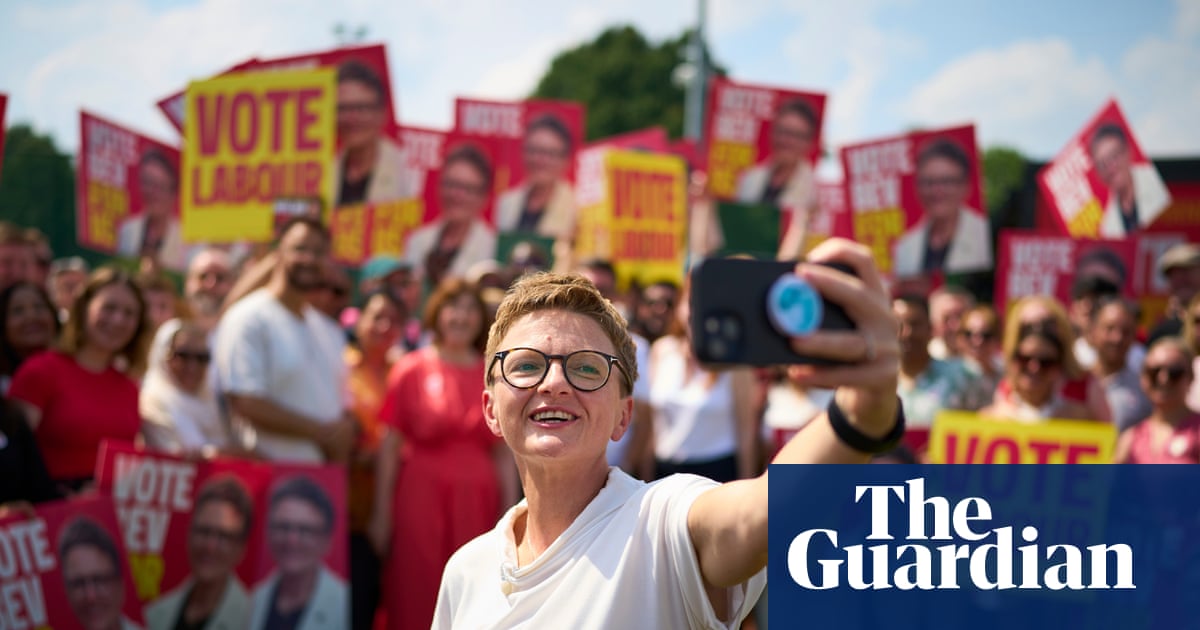
The election of Bev Craig as the new Mayor of Greater Manchester marks an important moment in British politics and the future of regional leadership. Winning the by-election to succeed Andy Burnham, Craig inherits one of the most influential mayoral positions in the United Kingdom. Her victory is significant not only because it allows the Labour Party to retain control of Greater Manchester, but also because it represents a new chapter for one of England’s largest and most economically important city-regions. As the first woman to hold the office, Craig faces high expectations as she seeks to continue Burnham’s legacy while establishing her own political identity. Her election has attracted national attention because it reflects wider political trends, including Labour’s electoral recovery, the growing importance of regional government, and changing voter priorities.
Greater Manchester has become one of the most powerful devolved regions in the United Kingdom. Since the creation of the directly elected mayoralty in 2017, the mayor has been responsible for overseeing transport, policing, housing, economic development, and aspects of health and social care. Andy Burnham transformed the office into a nationally influential position by consistently advocating for greater investment in northern England and stronger local decision-making. During his years in office, Burnham became known for defending the interests of Greater Manchester, particularly during disputes with central government over public funding and regional restrictions. His leadership significantly increased the visibility and importance of the mayoral role.
When Burnham stepped down after returning to national politics, Labour faced the challenge of finding a successor capable of maintaining public confidence while responding to new political realities. Bev Craig emerged as the party’s candidate after serving as the leader of Manchester City Council, where she gained experience managing one of the country’s largest local authorities. Her background in local government gave voters confidence that she understood the practical challenges facing Greater Manchester, including affordable housing, public transport, economic inequality, and community development. Her victory demonstrated that many voters trusted her to continue Labour’s leadership in the region.
Craig’s campaign focused on issues that directly affect everyday life. She promised to improve public transport, increase the supply of affordable housing, strengthen local economies, and expand opportunities for young people. She also emphasized the importance of inclusive economic growth, arguing that prosperity should benefit all communities rather than only the wealthiest areas. These priorities reflected concerns shared by many residents who continue to experience rising living costs, housing shortages, and pressure on public services. By concentrating on practical local issues rather than ideological debates, Craig appealed to a broad range of voters.
One of the most important reasons for Labour’s success was the party’s long-established support within Greater Manchester. The region has traditionally been one of Labour’s strongest electoral bases, although recent elections have shown increasing competition from other political parties. Reform UK, the Green Party, the Conservatives, and the Liberal Democrats have all attempted to expand their support in different parts of the region. The by-election therefore represented an important political test. Craig’s victory demonstrated that Labour remains highly competitive despite growing challenges from rival parties. However, the reduced first-round vote compared with Burnham’s previous landslide victories also suggests that Labour cannot take future support for granted.
Another notable feature of the election was the relatively low voter turnout. Lower participation often raises concerns about public engagement in local democracy. Many eligible voters did not cast ballots, despite the significant powers exercised by the Mayor of Greater Manchester. Political analysts have suggested that greater public awareness of the mayor’s responsibilities and stronger civic education could encourage higher participation in future elections. Democratic institutions function most effectively when citizens actively engage in the electoral process and hold their leaders accountable.
Craig’s election is also historically significant because she became the first woman to serve as Mayor of Greater Manchester. Her success represents progress in political representation and demonstrates that leadership opportunities continue to expand for women in British politics. Although women have made considerable advances in public life over recent decades, they remain underrepresented in many senior political positions. Craig’s victory may encourage more women to pursue careers in public service and contribute to greater diversity in political leadership.
Despite the positive reaction among Labour supporters, Craig faces substantial challenges. Greater Manchester continues to experience growing demand for affordable housing, pressure on healthcare services, transport infrastructure requiring further investment, and persistent regional inequalities. Addressing these issues will require effective cooperation with local councils, businesses, community organizations, and the national government. Success will depend not only on political leadership but also on financial resources, long-term planning, and constructive partnerships across different sectors.
Public transport remains one of the highest priorities. Burnham initiated significant reforms, including greater public control over bus services and integrated transport planning. Craig has indicated that she intends to continue improving transport connectivity across the region. Reliable and affordable transportation is essential for economic growth because it allows people easier access to employment, education, healthcare, and cultural opportunities. Improved transport also supports environmental sustainability by encouraging greater use of public transit instead of private vehicles.
Housing affordability presents another major policy challenge. Like many urban regions across the United Kingdom, Greater Manchester has experienced increasing property prices and rental costs. Young people, low-income families, and key public-sector workers often struggle to find affordable accommodation close to employment opportunities. Craig has pledged to support the construction of more affordable homes while encouraging sustainable urban development. Achieving these goals will require careful planning to balance economic growth with environmental protection and community needs.
Economic development is equally important. Greater Manchester has become a major centre for technology, education, healthcare, manufacturing, and creative industries. Continued investment in innovation, digital infrastructure, and workforce skills will be essential to maintaining competitiveness. Craig has emphasized the importance of creating high-quality jobs while ensuring that economic prosperity reaches communities across all ten boroughs of Greater Manchester rather than being concentrated in only a few locations.
The election also carries broader national significance. Labour’s victory provides encouragement for the party as it seeks to strengthen support across England. Regional elections often serve as indicators of public opinion and may influence future national political strategies. At the same time, opposition parties will study the results carefully to identify opportunities for expanding their own electoral support. The by-election therefore reflects not only local concerns but also wider political developments within the United Kingdom.
Ultimately, Bev Craig’s success will be judged by her ability to deliver meaningful improvements rather than by the election result alone. Voters will expect progress on transport, housing, public safety, environmental sustainability, and economic opportunity. Effective communication, transparent decision-making, and collaboration with local communities will be essential if she is to maintain public confidence throughout her term. At the same time, she must establish her own leadership style while respecting the achievements of her predecessor.
In conclusion, Bev Craig’s election as Mayor of Greater Manchester represents an important milestone for both the Labour Party and regional government in the United Kingdom. Succeeding Andy Burnham brings significant opportunities as well as considerable responsibilities. Her victory demonstrates Labour’s continued strength in Greater Manchester while highlighting the growing importance of devolved political leadership. As the first woman to hold the office, Craig has the opportunity to shape the future of one of Britain’s most influential regions. Whether through improving transport, expanding affordable housing, strengthening public services, or promoting inclusive economic growth, her leadership will play an important role in determining the future direction of Greater Manchester. Her success will ultimately depend on turning campaign promises into practical achievements that improve the lives of the people she has been elected to serve.