
Labour Now On Course To Win Next General Election Thanks To Andy Burnham
The future direction of British politics is often shaped by leadership, public confidence, and the ability of political parties to respond to the concerns of ordinary citizens. The suggestion that Labour is now on course to win the next general election thanks to Andy Burnham reflects a growing debate about the influence of strong leadership and changing voter attitudes. According to political commentator Kevin Schofield, Burnham’s rise has transformed Labour’s political prospects by providing the party with a more popular public image, a clearer message, and stronger connections with voters who previously felt disconnected from Labour. However, while leadership can significantly affect political fortunes, election victories ultimately depend on many factors, including economic conditions, policy success, public trust, and the ability to maintain support over time.
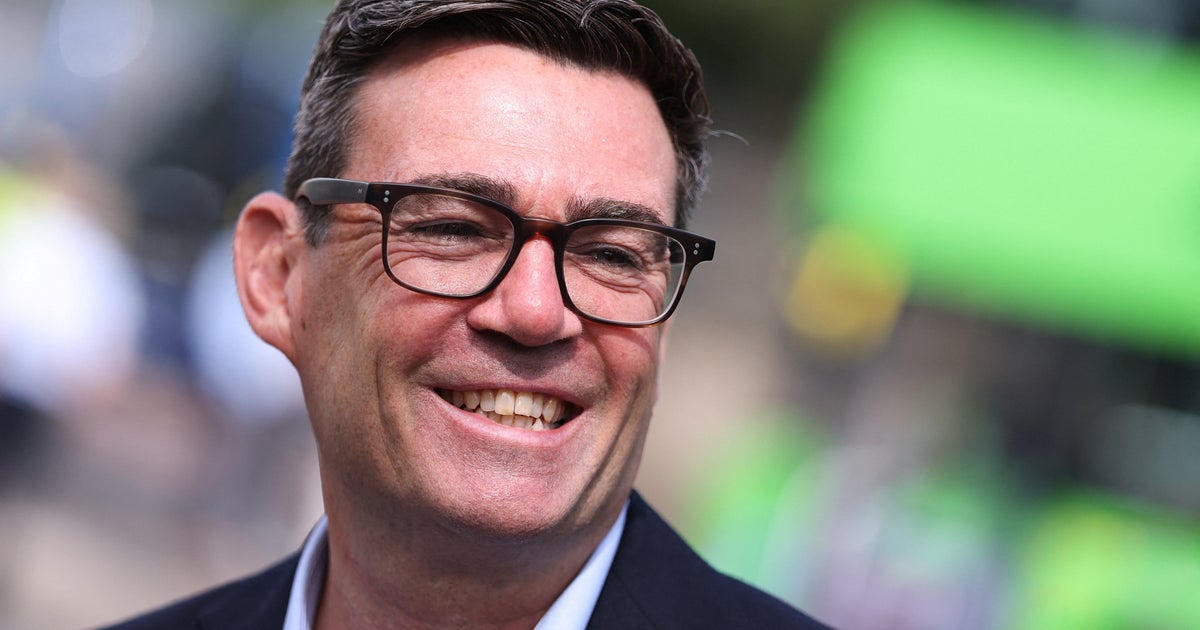
Andy Burnham has become one of the most recognizable figures in British politics due to his long career in public service and his leadership as Mayor of Greater Manchester. Before becoming mayor, he served as a Member of Parliament and held senior government roles, including Secretary of State for Health. These experiences helped establish his reputation as a politician with knowledge of both national policy and local government. His time leading Greater Manchester has particularly increased his popularity, as he has presented himself as a strong advocate for regional communities and a supporter of greater decision-making power outside Westminster.
One of the key reasons behind Burnham’s political appeal is his communication style. Many voters have responded positively to his direct and confident approach. Rather than focusing only on traditional party ideology, Burnham often emphasizes practical issues that affect daily life, such as healthcare, transport, housing, wages, and public services. This approach has allowed him to appeal to voters who may not strongly identify with Labour but are looking for effective leadership and solutions to real-world problems.
For Labour, Burnham’s popularity represents an opportunity to rebuild support among groups of voters who moved away from the party in previous elections. In particular, Labour suffered significant losses among working-class voters in parts of northern England during the 2019 general election, when many traditionally Labour-supporting areas shifted toward the Conservatives. Burnham’s emphasis on regional investment, local pride, and improving public services has been seen as a potential way to reconnect with these communities. His political message focuses on addressing economic inequality while avoiding language that some voters may view as overly ideological.
Another factor contributing to Labour’s improved prospects is public dissatisfaction with political and economic challenges. Rising living costs, pressure on public services, housing shortages, and concerns about economic opportunity have created difficulties for governments seeking public approval. Burnham has attempted to position Labour as a party focused on practical improvements rather than political conflict. By highlighting policies designed to reduce financial pressures and strengthen essential services, Labour aims to demonstrate that it understands the everyday challenges faced by families across Britain.
The argument that Burnham could lead Labour to victory also reflects the importance of leadership during periods of political uncertainty. Voters often make decisions based not only on party policies but also on their confidence in individual leaders. A leader who appears competent, trustworthy, and capable of addressing national challenges can significantly improve a party’s electoral prospects. Burnham’s supporters argue that his experience, political skills, and ability to communicate with different groups of voters make him particularly well suited to lead Labour into the next election.
However, attributing Labour’s potential success entirely to one individual would overlook the wider political environment. Elections are influenced by many factors beyond leadership popularity. Economic performance, international events, government decisions, media coverage, and unexpected crises can all affect voter behaviour. A strong leader may improve a party’s image, but long-term electoral success requires effective policies and successful implementation. Voters ultimately judge governments by results rather than promises alone.
There are also challenges facing Burnham and Labour. Although he has strong support among many voters, critics argue that his record should be examined carefully. Opponents may question whether policies promoted at a regional level can be successfully applied across the entire country. National government involves responsibilities such as foreign affairs, defence, taxation, and economic management, which require broader experience and different approaches from local administration. Therefore, Labour would need to demonstrate that Burnham’s leadership style can succeed on a national scale.
The rise of Reform UK and other political alternatives also creates uncertainty. British politics has become increasingly competitive, with traditional party loyalties weakening. Many voters now move between parties depending on current concerns rather than maintaining lifelong political commitments. Reform UK has gained support by focusing on issues such as immigration, national identity, and dissatisfaction with established political parties. Labour’s challenge is not only defeating the Conservatives but also preventing alternative parties from attracting voters who might otherwise support Labour.
Burnham’s emphasis on devolution and regional empowerment may also influence the future of British politics. He has argued that decisions should increasingly be made closer to the communities affected by them. Supporters believe that stronger regional government can improve accountability and allow policies to better reflect local needs. If Labour adopts a stronger commitment to devolution nationally, it could represent a significant change in how Britain is governed.
Social care and healthcare reform are likely to be central issues in any future election. Britain’s aging population and increasing demand for services have created pressure on both the NHS and social care systems. Burnham has frequently highlighted the importance of integrating health and care services, arguing that better coordination can improve outcomes for patients and reduce unnecessary costs. Success in these areas could strengthen Labour’s reputation as a party committed to protecting public services.
The role of public trust will be crucial. Many voters express frustration with political promises that do not translate into meaningful change. For Burnham and Labour to maintain momentum, they will need to show transparency, competence, and measurable progress. Announcing ambitious plans may generate initial enthusiasm, but delivering practical improvements will determine whether public support lasts until election day.
Media coverage also plays an important role in shaping perceptions of political leaders. Positive attention can increase a politician’s visibility and strengthen public recognition, while criticism can quickly damage reputations. Burnham’s ability to attract national attention has helped raise his profile beyond Greater Manchester. However, increased visibility also means greater scrutiny, and every policy decision or political statement is likely to receive significant attention.
Ultimately, the claim that Labour is on course to win the next general election because of Andy Burnham highlights the powerful influence that leadership can have on political competition. Burnham has provided Labour with a message centered on public services, regional development, and practical government. His ability to connect with voters has strengthened Labour’s position and created optimism among supporters. Nevertheless, elections are determined by a combination of leadership, policies, circumstances, and public judgment.
In conclusion, Andy Burnham’s growing influence has become a major factor in discussions about Labour’s future electoral prospects. His reputation as a pragmatic and effective leader has helped the party rebuild confidence among some voters and present a renewed political identity. However, winning a general election requires more than popularity alone. Labour must continue developing credible policies, addressing national challenges, and proving that it can deliver meaningful improvements in people’s lives. If Burnham and Labour succeed in combining strong leadership with effective government, they may indeed transform their current political momentum into an electoral victory.