

NOTICE: SENSITIVE HISTORICAL CONTENT
This article discusses World War II–era persecution, concentration camps, and post-war trials and capital sentences. It is presented for educational and historical context, to support understanding of the past and reflection on how societies can prevent similar abuses. It does not endorse, promote, or glorify violence or extremist ideology.
Why the Female Bergen-Belsen Guards Were Hanged in Private: Historical Context and Post-War Justice
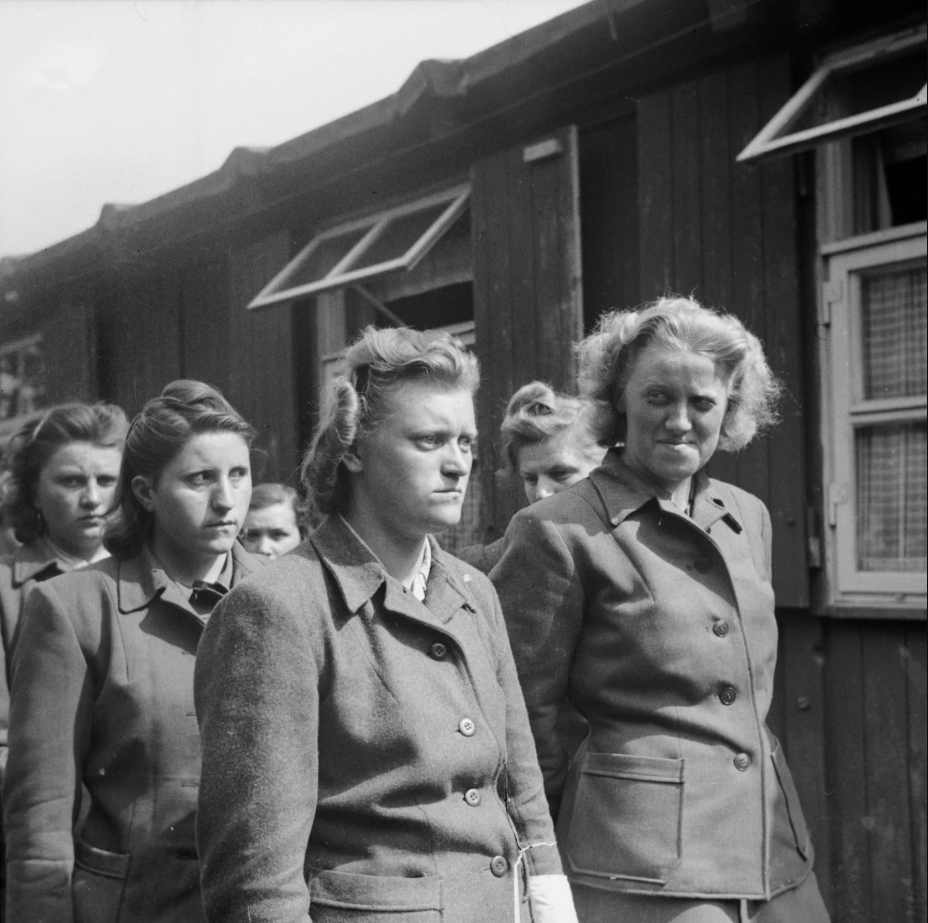
At the end of World War II, the liberation of Nazi concentration camps exposed widespread human suffering and systematic abuse under the regime. Bergen-Belsen, which evolved from a wartime detention site into a concentration camp under SS control, became known for catastrophic conditions—especially overcrowding, disease, and the collapse of basic care in the final months of the war. Among camp personnel were female guards (often referred to as Aufseherinnen) assigned to supervise women prisoners.
After British forces liberated Bergen-Belsen on April 15, 1945, a number of camp staff members were arrested and brought before a British military tribunal in what became known as the Belsen Trials. Several defendants, including Irma Grese, Elisabeth Volkenrath, and Johanna Bormann, were convicted and sentenced to death. Their sentences were carried out by hanging on December 13, 1945, inside Hamelin Prison. Unlike some post-war punishments elsewhere that were conducted publicly, these executions took place without a public audience.
This overview explains the background of Bergen-Belsen, the role of female guards, the trial process, and the main reasons the executions were conducted privately—highlighting accountability, legal procedure, and changing penal practice.
Bergen-Belsen and the Role of Female Guards
Bergen-Belsen held a range of prisoner groups under Nazi policy, including Jews, political prisoners, and other targeted populations. As the war neared its end and evacuations from other camps intensified, conditions deteriorated sharply. Disease outbreaks and severe deprivation spread rapidly, while administrative breakdown contributed to a deadly humanitarian collapse.
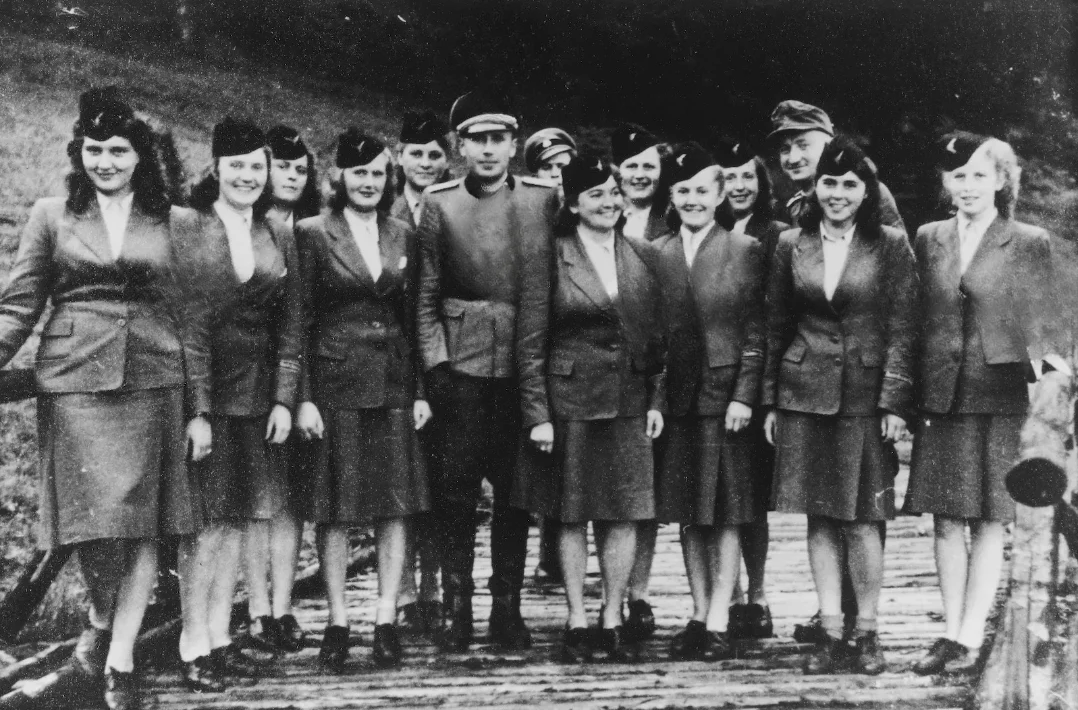
Female guards were deployed in camps holding women prisoners, reflecting SS policy and the gendered staffing practices of the era. Many were recruited through wartime labor systems and trained within the SS camp network. Their duties typically involved supervising roll calls, work details, and enforcing regulations inside women’s sections of the camp. In Bergen-Belsen, some female guards held senior supervisory roles, while others performed routine oversight duties. Survivors’ post-war testimony described a range of conduct and became central to the evidence used in prosecutions.
The Belsen Trials: Proceedings and Sentences
The Belsen Trials were conducted by a British military tribunal in Lüneburg, Germany, from September 17 to November 17, 1945. The court heard evidence including survivor testimony, documentation, and medical reporting about camp conditions. The proceedings were public and widely reported internationally, helping establish early post-war expectations for legal accountability.
Multiple defendants were convicted. Several—including Grese, Volkenrath, and Bormann—received death sentences, while others were given prison terms or acquitted when evidence was found insufficient. The trials became an important early example of prosecuting camp personnel through formal legal process rather than informal retaliation, emphasizing documentation, witness testimony, and adjudication.
Why the Executions Were Private
The executions on December 13, 1945 were carried out within Hamelin Prison under British authority. They were witnessed only by required officials and personnel. Several factors help explain why they were not conducted publicly:
- British legal custom and practice: In Britain, public executions had ended in the 19th century, with hangings moving inside prisons to reduce spectacle and prevent sensationalism. British-run procedures in occupied Germany broadly followed these established norms.
- Military administration and stability concerns: As these were outcomes of military tribunals in an occupied, fragile post-war environment, authorities prioritized order, security, and controlled procedures. Public executions could risk unrest, provoke reprisals, or intensify tensions.
- Avoiding spectacle and propaganda: Conducting executions privately reduced the chance that punishment would be turned into public entertainment or used for political messaging. The emphasis was placed on sentence enforcement through a regulated process rather than public display.
While the condemned included women, the privacy of the executions is best understood as consistent with British penal practice and occupation policy, rather than as a distinct category of treatment.
Reflections and Historical Significance
Debate has continued around the limits and challenges of early post-war prosecutions, including the difficulty of gathering evidence amid chaos, the uneven reach of justice across different levels of command, and the pressures of rapid post-war reconstruction. Even so, the Belsen Trials remain significant for establishing that camp personnel could be held legally responsible through formal proceedings.
Studying these events underscores the importance of institutions, rule of law, and human rights protections—especially in periods of conflict and political extremism. It also highlights how justice systems after mass abuse often seek to balance accountability with procedures designed to limit revenge and avoid further harm.
The private hangings of convicted Bergen-Belsen personnel marked a somber endpoint to one early chapter of post-war justice. They reflected British legal norms and the occupation authority’s commitment to controlled enforcement of sentences, while avoiding public spectacle.