
Katie Hopkins Permanently Banned by Twitter for Breaking “Abuse and Hate” Rules
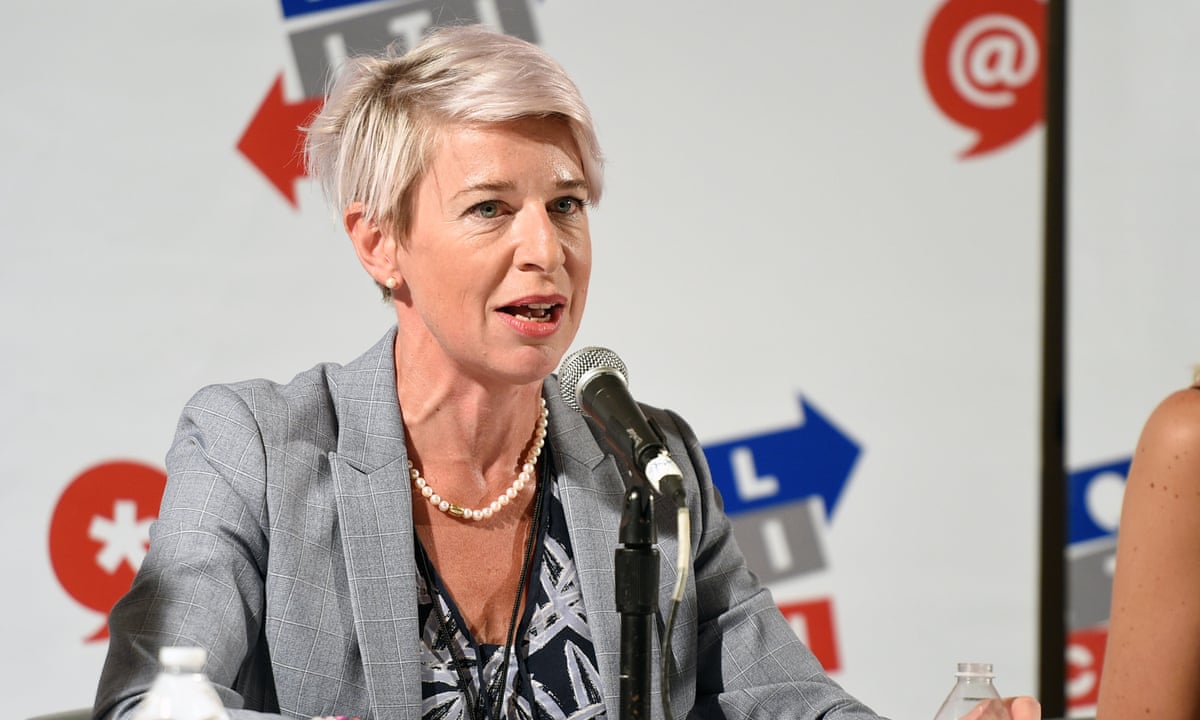
The relationship between social media platforms and freedom of expression has become one of the defining debates of the digital age. As billions of people rely on online platforms to share opinions, discuss politics, and engage with current events, questions about moderation, misinformation, and hate speech have become increasingly important. One of the most widely discussed examples of this debate was the permanent suspension of British media personality Katie Hopkins from Twitter after the platform concluded that her account had repeatedly violated its rules on abusive and hateful conduct.
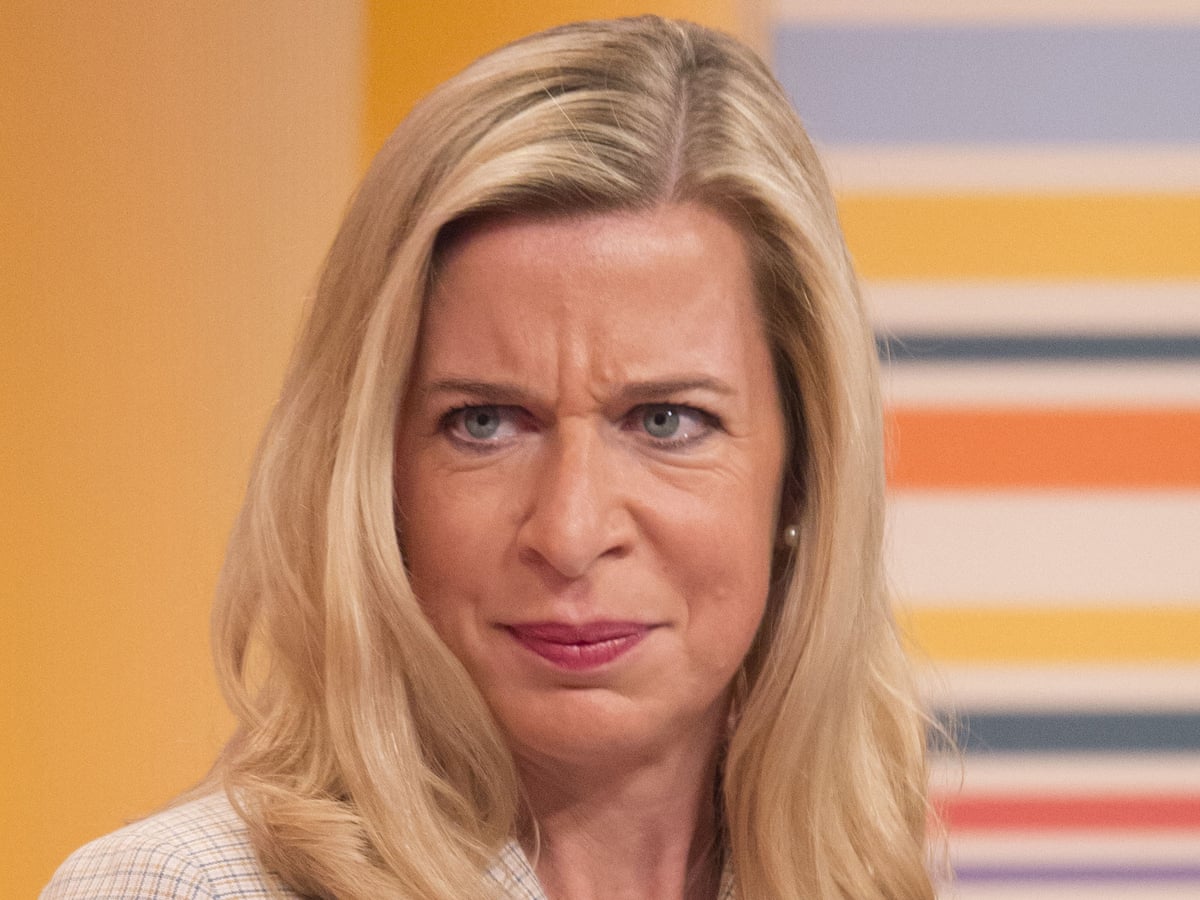
Katie Hopkins is a British columnist and media commentator who became well known for her outspoken views on immigration, politics, multiculturalism, and social issues. Throughout her career, she built a reputation for making provocative statements that attracted both strong support and sharp criticism. Her social media presence played a major role in expanding her audience, allowing her opinions to reach millions of users around the world almost instantly.
Twitter, now known as X, has long maintained rules intended to protect users from harassment, abuse, and content that promotes hatred against protected groups. The company has argued that these standards are designed to encourage healthy public conversation while reducing harmful behavior on its platform. Under these policies, users who repeatedly violate the rules may receive warnings, temporary suspensions, or permanent bans depending on the severity and frequency of the violations.
When Twitter permanently suspended Hopkins’ account, the company stated that the action followed repeated breaches of its policies concerning hateful conduct. Although the platform did not publish a detailed explanation for every individual post involved, it indicated that the decision reflected a pattern of behavior rather than a single isolated incident. As with many high-profile moderation decisions, the suspension quickly became a major topic of public discussion.
Supporters of the ban argued that social media companies have both the right and the responsibility to enforce their community standards. They maintained that allowing repeated abusive or hateful content to remain online could contribute to harassment, discrimination, and hostility toward individuals or communities. According to this perspective, consistent enforcement of platform rules helps create a safer environment for users and encourages more respectful public debate.
Many supporters also pointed out that freedom of expression does not necessarily require private companies to host every form of speech. While democratic societies generally protect individuals from government censorship, privately operated online platforms typically establish their own terms of service. Users who create accounts agree to follow these rules, and companies may remove accounts that repeatedly violate them.
Critics of the suspension, however, viewed the decision differently. Some argued that banning controversial figures can reduce opportunities for open debate and create concerns about the concentration of power in large technology companies. They questioned whether a small number of private corporations should possess significant influence over which voices remain visible in global online discussions. Others worried that moderation standards might sometimes be applied inconsistently or interpreted differently depending on context.
The case also highlighted broader questions about defining harmful speech. While direct threats and targeted harassment are generally easier to identify, other forms of controversial expression often involve more complex judgments. Statements may be interpreted differently depending on tone, audience, cultural context, or surrounding discussion. As a result, content moderation frequently requires difficult decisions that balance freedom of expression with user safety.
Another important aspect of the debate concerns the influence of social media algorithms. Content that provokes strong emotional reactions often spreads rapidly because users are more likely to comment, share, or respond. This dynamic can amplify controversial personalities, giving them substantial public attention regardless of whether audiences agree with their views. Some experts argue that effective moderation should address not only individual posts but also the broader incentives that reward outrage and polarization.
The suspension of high-profile figures like Hopkins has also encouraged discussion about alternative online platforms. Individuals removed from one social media service may continue expressing their opinions through personal websites, podcasts, video-sharing platforms, or competing social networks. As digital communication becomes increasingly decentralized, permanent bans may reduce visibility on one platform without completely eliminating a person’s public influence.
Governments around the world have also become more involved in regulating online content. Policymakers seek to balance several competing objectives, including protecting freedom of expression, preventing online abuse, reducing misinformation, and ensuring that technology companies operate transparently and responsibly. Different countries have adopted different legal approaches, reflecting varying traditions concerning civil liberties and digital governance.
For journalists and the general public, cases such as Hopkins’ illustrate the importance of understanding the distinction between legal rights and platform policies. Speech that is lawful under national legislation may still violate the terms of service established by a private company. Conversely, platforms must enforce their rules fairly and consistently if they wish to maintain public confidence in their moderation decisions.
The controversy surrounding Hopkins’ suspension demonstrates how difficult these questions remain. Some people view strong moderation as necessary to protect vulnerable communities and encourage constructive discussion. Others believe that removing controversial voices risks limiting public debate and expanding corporate influence over political communication. Both perspectives reflect genuine concerns about how democratic societies should manage speech in the digital era.
Ultimately, the debate extends far beyond one individual. Every major social media platform faces similar challenges as it attempts to balance openness, safety, and freedom of expression. Decisions affecting prominent public figures inevitably attract significant attention because they shape broader expectations about how online communication should be governed.
In conclusion, Katie Hopkins’ permanent suspension from Twitter became one of the most widely discussed examples of content moderation in recent years. The case highlighted ongoing tensions between protecting users from abuse and preserving robust public debate. While opinions differ regarding whether the decision was appropriate, the controversy demonstrates the complex responsibilities facing digital platforms in an increasingly connected world. As online communication continues to evolve, finding a fair balance between free expression, accountability, and user safety will remain one of the most important challenges for technology companies, governments, and society as a whole.