
⚠️ NOTICE: Sensitive historical content (WWII)
This post discusses the arrest, trial, and execution of a French Resistance member during the Nazi occupation. It is shared for historical education and remembrance, and does not promote violence or hatred.
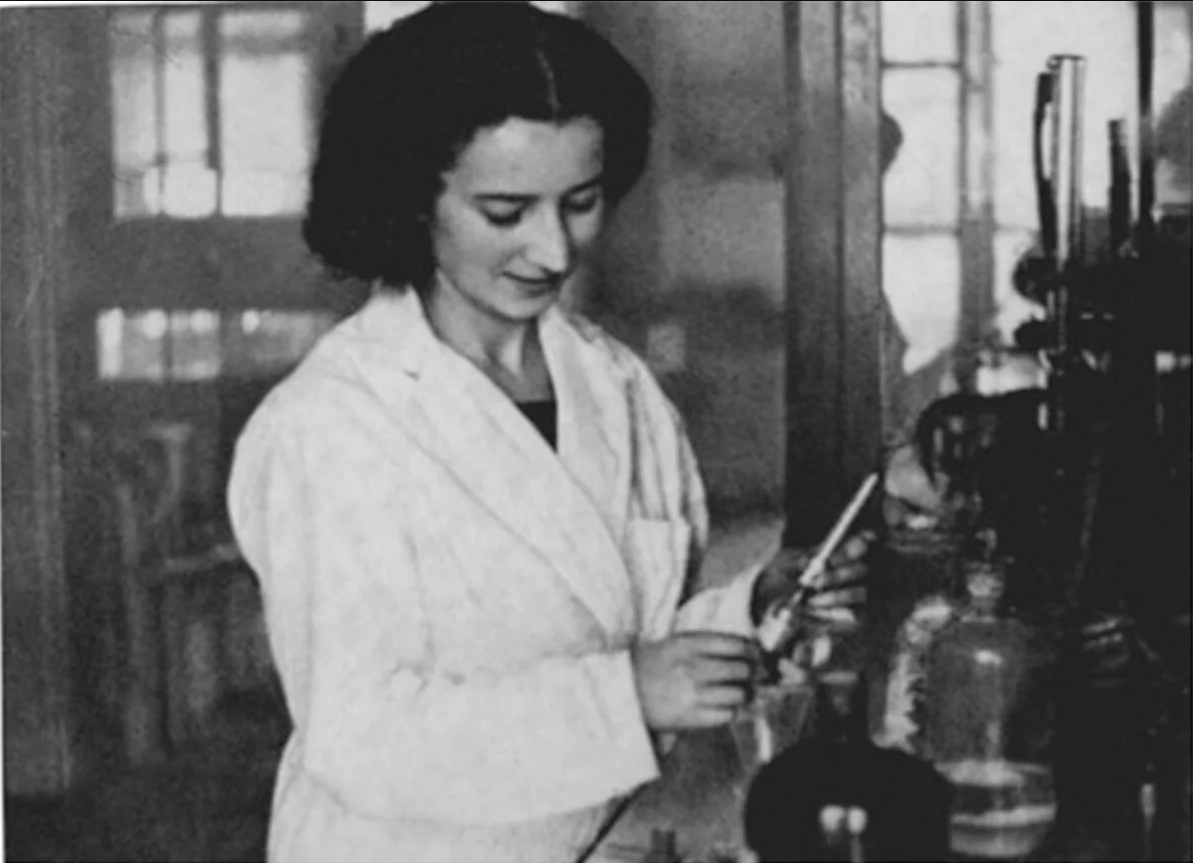
France Bloch-Sérazin (1913–1943): A Chemist in the French Resistance
France Bloch-Sérazin was a French chemist and a member of the Resistance whose story reflects the risks taken by civilians under occupation.
Born in Paris to a family of Jewish intellectuals, she studied chemistry at the Sorbonne and graduated in 1934. After the outbreak of war, she and her husband, Frédérick (also spelled Frédéric), became involved in Resistance networks. While her husband helped organize operations, France contributed her scientific skills by setting up a discreet laboratory in their Paris apartment on Quai de la Tournelle. Using ordinary materials obtained under strict rationing, she prepared items later used in sabotage efforts targeting German-controlled transport and infrastructure.
On 31 December 1941, the Gestapo raided the apartment and arrested her, seizing equipment and materials. She was imprisoned and interrogated in Fresnes and La Santé, then transferred to Germany in late 1942 under the “Nacht und Nebel” (Night and Fog) policy, which aimed to remove Resistance members from public view.
On 12 February 1943, in Hamburg, she was sentenced to death by a military tribunal. She was executed on 26 February 1943, at the age of 29. Accounts from prison staff later described her as composed in her final moments, and as offering encouragement to other prisoners.
France Bloch-Sérazin is often cited as the only French woman known to have been executed by guillotine in Germany during the occupation.
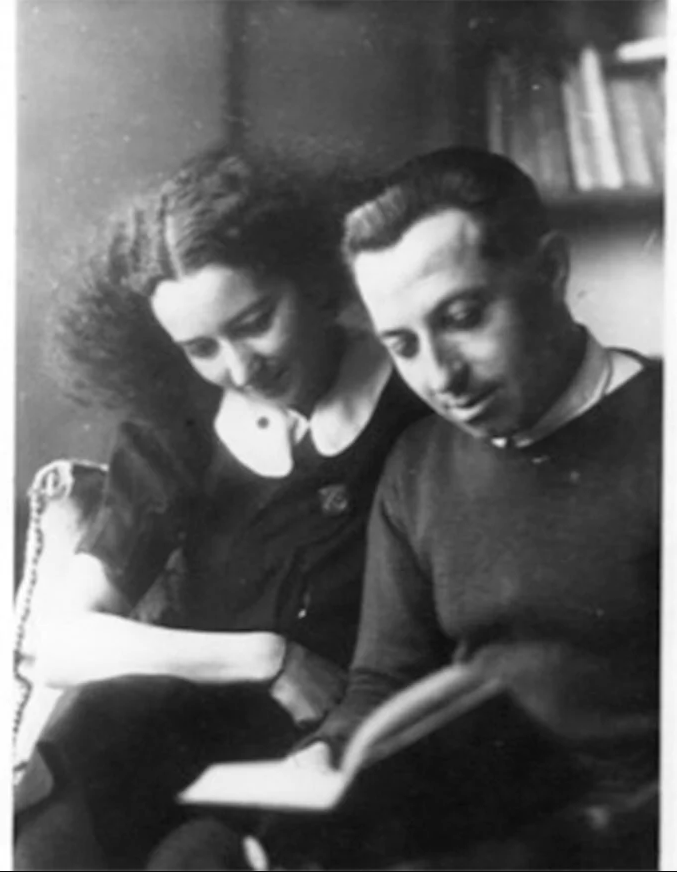
Her husband was executed in 1942. Their young daughter, Claudie, survived the war in hiding and was later reunited with family.
Remembering France Bloch-Sérazin is not about fostering hatred, but about recognizing the moral courage of those who resisted oppression—often quietly, and at great personal cost—and reflecting on the importance of protecting human rights and dignity.
Official & reputable sources
Archives Nationales de France – dossier BB/18/3372 (tribunal records)
Weitz, Margaret Collins – Sisters in the Resistance (John Wiley & Sons, 1995)
Schwartz, Paula – “Femmes de l’ombre: la Résistance féminine” in Revue d’histoire de la Deuxième Guerre mondiale (1985)
Service Historique de la Défense – Vincennes, file GR 28 P 4 178 (Resistance chemistry units)
Mémorial de la Shoah, Paris – individual file of France Bloch-Sérazin