
Content Notice: This article discusses historical events from World War II, including the Holocaust, Nazi persecution, and post-war trials. It is shared for historical education and remembrance. It does not include graphic descriptions and does not promote hatred or violence.
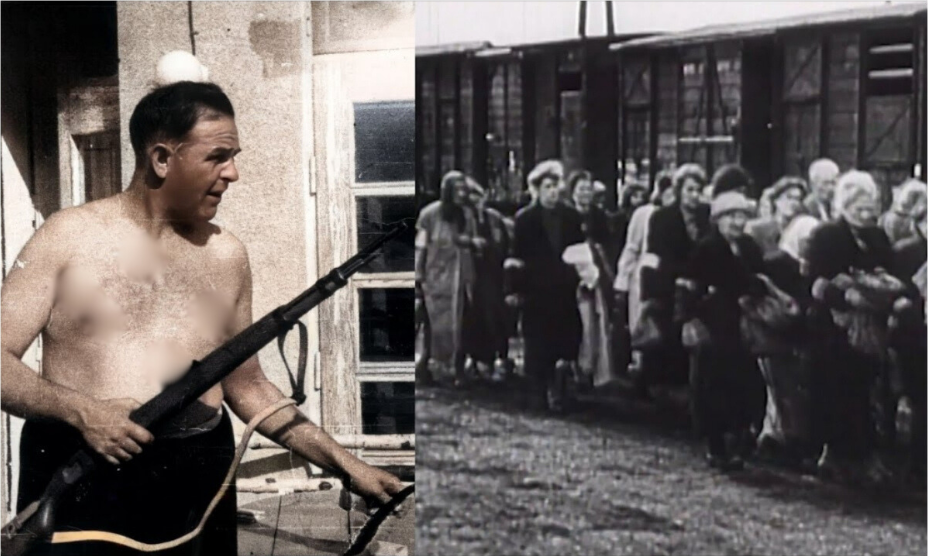
Amon Göth (1900–1946) was an SS officer and the commandant of the Kraków-Płaszów camp in occupied Poland from February 1943 to September 1944. Historical records describe his role in a system of forced labor, persecution, and mass murder carried out by Nazi Germany. In 1946, he was tried in Kraków by Poland’s Supreme National Tribunal, convicted of war crimes and crimes against humanity, and executed by hanging on September 13, 1946. This overview summarizes his background, his period of command at Płaszów, and the legal proceedings that followed, to support reflection on human rights and the importance of accountability.
Early Life and SS Career
Amon Göth was born on December 11, 1900, in Vienna. Before World War II, he worked in civilian jobs and later joined Nazi organizations. After Austria’s annexation by Germany in March 1938, he became part of the SS and advanced to the rank of SS-Hauptsturmführer (captain).
During the war, Göth served within the SS structure in occupied Poland. He was assigned to administrative and operational duties connected to deportations and the Nazi program of persecution that targeted Jewish communities and other groups. These actions formed part of the larger system of mass violence and genocide carried out across the General Government and beyond.
Command at Kraków-Płaszów
On February 11, 1943, Göth became commandant of the Kraków-Płaszów camp. The site began as a forced-labor camp and later functioned within the concentration camp system. It was built on land that included two Jewish cemeteries, a fact that underscores the broader pattern of dispossession and desecration during the occupation.
Under SS authority, Płaszów expanded and held large numbers of prisoners, including Jews and Poles. Camp conditions were harsh, and survivors’ accounts describe routine brutality by guards, severe punishment, and killings. Prisoners were forced into exhausting labor, and daily life was controlled by strict regulations, roll calls, and constant fear of punishment.
Multiple testimonies and trial records indicate that Göth was directly involved in violence against prisoners. Witnesses described shootings, beatings, and other abuses ordered or carried out under his command. These accounts became central to the post-war case against him.
Deportations and the Destruction of Jewish Communities
Płaszów was connected to the broader Nazi campaign to destroy Jewish life in occupied Poland. Prisoners arrived from ghettos and forced-labor sites in the region, including Kraków and other towns. Deportations to killing centers and mass shootings were key elements of this system.
The history of places such as Tarnów illustrates the scale of this persecution: long-established Jewish communities were targeted through ghettoization, forced labor, deportations, and mass murder. Göth’s SS assignments placed him within this machinery of oppression, and prosecutors later argued that his actions contributed to the deaths of many victims.
Arrest, Trial, and Execution
In 1944, Göth was removed from his position and arrested by the SS on corruption-related charges, including theft of property. He was held in German custody until the end of the war. After Germany’s defeat, he was detained by Allied forces and extradited to Poland.
The Kraków Trial took place from August 27 to September 5, 1946, before Poland’s Supreme National Tribunal. Göth was charged with responsibility for killings and abuses at Płaszów, and for actions linked to the liquidation of ghettos and deportations. Survivor testimony and documentary evidence played a major role in the proceedings.
On September 5, 1946, he was convicted and sentenced to death. He was executed by hanging in Kraków on September 13, 1946.
Legacy and Public Memory
Göth is widely known today partly because of his depiction in film and popular culture, especially Schindler’s List (1993). While dramatizations can shape public perception, the historical record remains grounded in survivor testimony, wartime documentation, and trial evidence.
Płaszów is now a memorial site. Remembering what happened there is part of broader Holocaust education—focused on the consequences of extremist ideology, the erosion of human rights, and the need for lawful accountability after mass atrocities.
Amon Göth’s career and conviction are often discussed as an example of how individual agency operated within a broader system of state terror. Studying these events is not only about the past, but also about recognizing warning signs and safeguarding human dignity in the present.