

Andy Burnham Announces UK Government Ban on Disposable Barbecues in Bid to Stop Wireless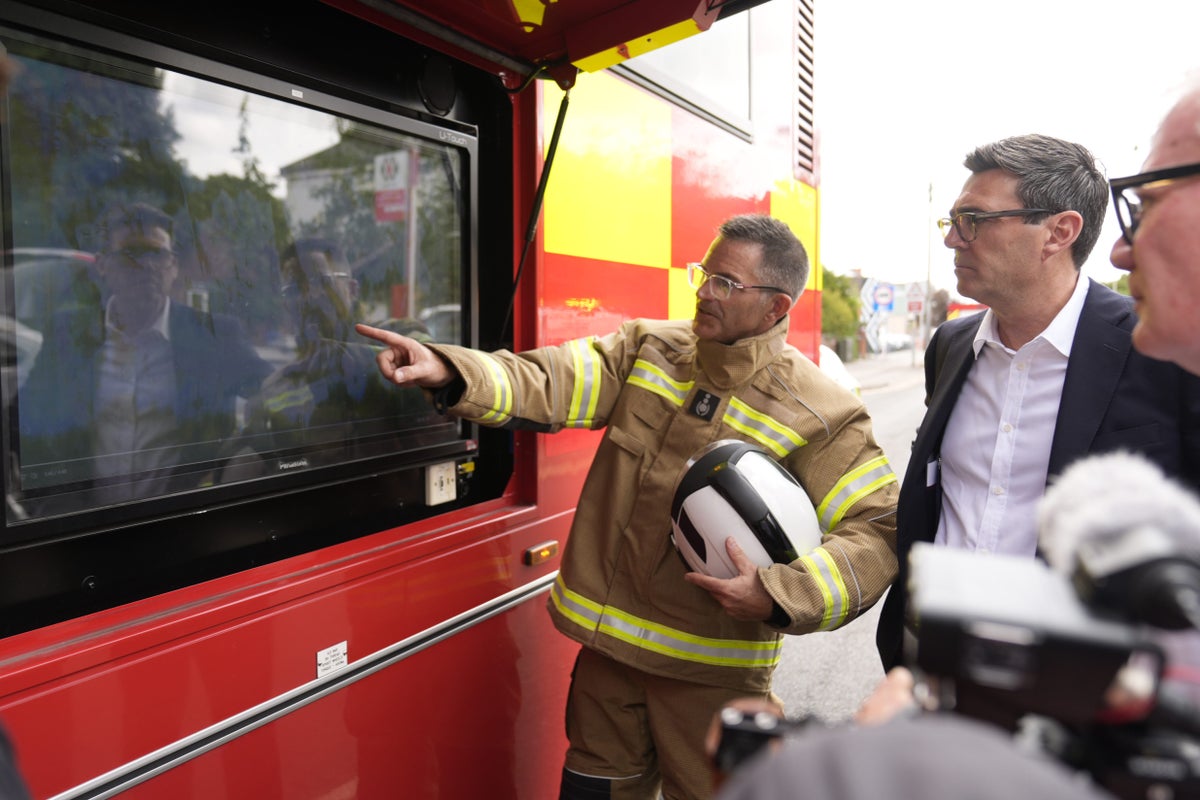
The United Kingdom is facing an unprecedented wildfire emergency after weeks of extreme heat, drought and exceptionally dry conditions. In response, Prime Minister Andy Burnham’s government has taken the unusual step of introducing a temporary national ban on the sale of disposable barbecues. The measure comes as firefighters across the country battle numerous major wildfires and authorities warn that the combination of high temperatures, dry vegetation and human activity has created an extremely dangerous situation.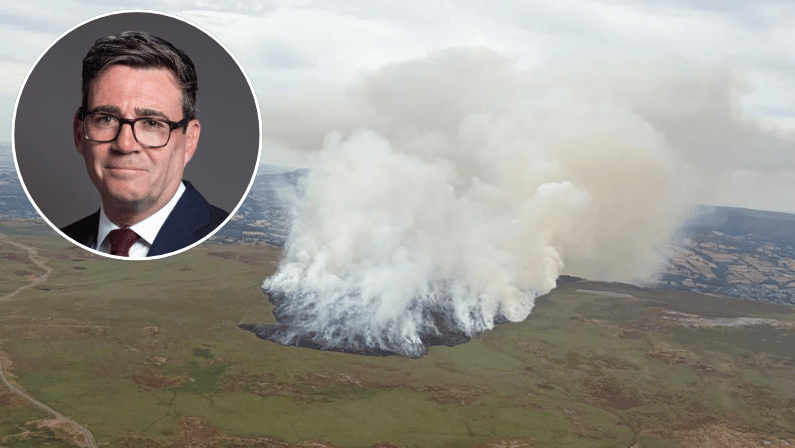
The decision represents a significant change in government policy. Only a year earlier, the government had said that it had no plans for a national ban on disposable barbecues, although local authorities already had powers to restrict their use and retailers were encouraged to limit sales during periods of extreme fire risk. The dramatic deterioration in conditions during the summer of 2026 has therefore transformed what was previously a matter of voluntary guidance into an emergency intervention.
Disposable barbecues may appear relatively harmless compared with larger sources of fire, but they can become extremely dangerous in dry conditions. They generate intense heat and can remain hot for a considerable period after people believe they have finished using them. If they are abandoned on grassland, placed in rubbish bins or disposed of incorrectly, they can ignite surrounding materials. During a period when vegetation is exceptionally dry, even a small source of heat can potentially start a rapidly spreading fire.
The government’s decision comes against a background of extraordinary wildfire activity. Fire services in England and Wales have responded to hundreds of incidents during 2026, with the number of wildfires already reaching levels comparable with or exceeding previous annual records. Extreme temperatures, prolonged rainfall shortages and drought conditions have left large areas of the country vulnerable. The situation became so serious that the government issued an emergency alert to millions of people in England and Wales, warning them of the serious national wildfire risk.
The scale of the emergency can also be seen in the demands placed on emergency services. Firefighters have been working in exceptionally difficult conditions, with some crews dealing with large fires affecting homes, farmland and natural habitats. In South Wales, military personnel were deployed to support emergency services, demonstrating how severe the situation had become. The deployment included personnel assisting with logistics, water supplies and the creation of firebreaks.
Against this background, banning disposable barbecues is intended primarily as a preventative measure. The government cannot control the weather, but it can attempt to remove avoidable sources of ignition. If a particular product has the potential to start fires during an extreme weather event, restricting its availability may reduce the number of opportunities for accidental fires to begin.
However, the policy also raises questions about whether a ban on disposable barbecues can make a meaningful difference to the overall wildfire crisis. Wildfires have many causes, including deliberate arson, discarded cigarettes, machinery, electrical faults and other accidental sources. Climate change and prolonged periods of heat and drought also create the environmental conditions in which fires can spread rapidly. Removing one source of ignition therefore cannot solve the problem by itself.
This is an important point because public debate can sometimes focus too heavily on a single object or activity. A disposable barbecue may be responsible for some fires, but it is not the fundamental cause of increasingly dangerous fire conditions. When vegetation has been dried by weeks of exceptionally hot weather, the countryside can effectively become a landscape filled with combustible material. The government’s own warnings have therefore encouraged people to avoid not only barbecues but also campfires and other activities involving open flames.
Nevertheless, the ban has a practical advantage: it is relatively simple to understand and enforce. Unlike complicated environmental regulations, a temporary restriction on the sale of a specific product gives retailers and consumers a clear instruction. Shops and online sellers can remove the products from sale, while members of the public can avoid purchasing them. In an emergency, governments often favour measures that can be implemented quickly and communicated easily.
There is also a wider argument about individual responsibility. Wildfire prevention cannot depend entirely on firefighters and emergency services. Members of the public have an important role in preventing fires from starting. During normal weather, using a barbecue outdoors may seem like a harmless recreational activity. During an extreme heatwave, however, the same behaviour can carry a much greater risk. What is acceptable under ordinary circumstances may become irresponsible when the environment is exceptionally dry.
This is why temporary restrictions can be justified even when a product is not inherently dangerous. The risk associated with an object depends partly on the circumstances in which it is used. A disposable barbecue used carefully in a suitable location may pose little immediate danger. The same barbecue placed on extremely dry grassland during a heatwave can have dramatically different consequences.
Critics of government intervention may nevertheless argue that the policy represents excessive regulation. Disposable barbecues are inexpensive and popular, particularly among people who want to cook outdoors without carrying heavy equipment. A national restriction removes a choice from consumers who may use the products responsibly. Some people may therefore question whether the government should prohibit an activity because a minority of users behave irresponsibly.
There is also the possibility that banning sales could encourage people to use alternative equipment or products that are not necessarily risk-free. A person determined to cook outdoors may simply purchase a reusable barbecue instead. If that equipment is used in the wrong location, the underlying fire risk may remain. This suggests that education, enforcement and restrictions on open flames in high-risk areas must operate alongside the temporary sales ban.
The government’s response must therefore be broader than one product. Fire services require adequate resources, equipment and personnel to respond to incidents quickly. Local authorities need clear emergency plans, while landowners and communities need effective systems for identifying and reporting fires. The public also needs consistent information about where fires are prohibited and what behaviour is considered unsafe.
The extreme conditions also raise questions about Britain’s long-term preparedness for climate-related emergencies. Heatwaves and droughts are not simply uncomfortable weather events. They can place pressure on agriculture, water supplies, transport infrastructure, health services and emergency responders. The wildfire crisis demonstrates how one environmental problem can quickly affect many parts of society.
There is an especially important lesson here for policymakers. Preventing wildfires is considerably cheaper and less destructive than fighting them after they have spread. Once a large wildfire develops, the cost can include damaged homes, destroyed crops, lost wildlife habitats, emergency evacuations and enormous demands on firefighters. A relatively small preventive measure, such as restricting a known source of ignition during periods of extreme risk, may therefore be economically sensible even if it prevents only a portion of potential fires.
At the same time, policymakers must avoid giving the public the impression that the crisis has been solved simply because one product has been banned. The government’s emergency alert emphasised the seriousness of the wider danger and asked people to avoid activities that could cause fires. The disposable barbecue restriction should therefore be viewed as one element of a much larger wildfire-prevention strategy.
The timing of the policy is also significant. The government had previously taken a more cautious approach to the idea of a national ban. In July 2025, ministers said there were no plans to introduce one, while noting that local authorities already had powers to impose restrictions and that retailers had voluntary guidance concerning periods of high fire risk. The events of 2026 demonstrate how rapidly government policy can change when environmental conditions become exceptional.
Ultimately, the temporary ban on disposable barbecues reflects a simple principle: when the risk of wildfire becomes extraordinarily high, society may need to accept temporary restrictions on activities that could create unnecessary danger. The measure will not prevent every wildfire, and it cannot address the deeper causes of extreme heat and drought. However, removing one avoidable source of ignition is a reasonable emergency precaution.
The bigger challenge for Andy Burnham’s government is to ensure that this action is part of a comprehensive strategy rather than a symbolic response. Britain needs properly equipped fire services, effective public education, improved wildfire preparedness and long-term policies addressing the increasingly serious consequences of extreme weather.
The disposable barbecue ban may therefore seem like a small intervention in comparison with the enormous wildfire crisis facing the country. Yet its significance lies in what it represents. It shows that the government believes the current conditions are serious enough to justify restricting an everyday consumer product in the interests of public safety. Whether the measure succeeds will depend on how effectively it is enforced and whether it is accompanied by broader prevention efforts.
Britain’s wildfire emergency is ultimately bigger than barbecues. It is about a changing climate, prolonged drought, human behaviour and the country’s ability to prepare for increasingly extreme conditions. The temporary ban may reduce one source of risk, but the long-term solution will require a much wider national effort. As temperatures rise and dry periods become more challenging, preventing wildfires will increasingly depend not only on firefighters but on governments, businesses, landowners and ordinary citizens working together to reduce the chances of disaster.