

Andy Burnham’s Major Announcement: Giving Away Part of His £182,000 Salary to Fight Homelessness
British Prime Minister Andy Burnham has made a significant personal announcement that has attracted considerable attention across the country: he will donate 15 per cent of the additional salary he receives as prime minister to help tackle homelessness. The announcement comes as Burnham launches a wider national campaign aimed at ensuring that people sleeping rough have somewhere safe to stay before Christmas.
The decision is particularly notable because Burnham has a long history of using part of his own political salary to support causes connected with homelessness. During his time as mayor of Greater Manchester, he donated 15 per cent of his salary for almost a decade to efforts designed to support people experiencing homelessness. His latest pledge therefore represents a continuation of a personal commitment rather than a completely new gesture.
Burnham’s announcement also carries a powerful political message. At a time when politicians are frequently criticised for receiving comfortable salaries while many ordinary families struggle with the cost of living, choosing to give away part of one’s income can be seen as an attempt to demonstrate solidarity with vulnerable people. Burnham has argued that he does not want to ask society to take action without being prepared to contribute personally. He has described his approach as wanting to “lead from the front”.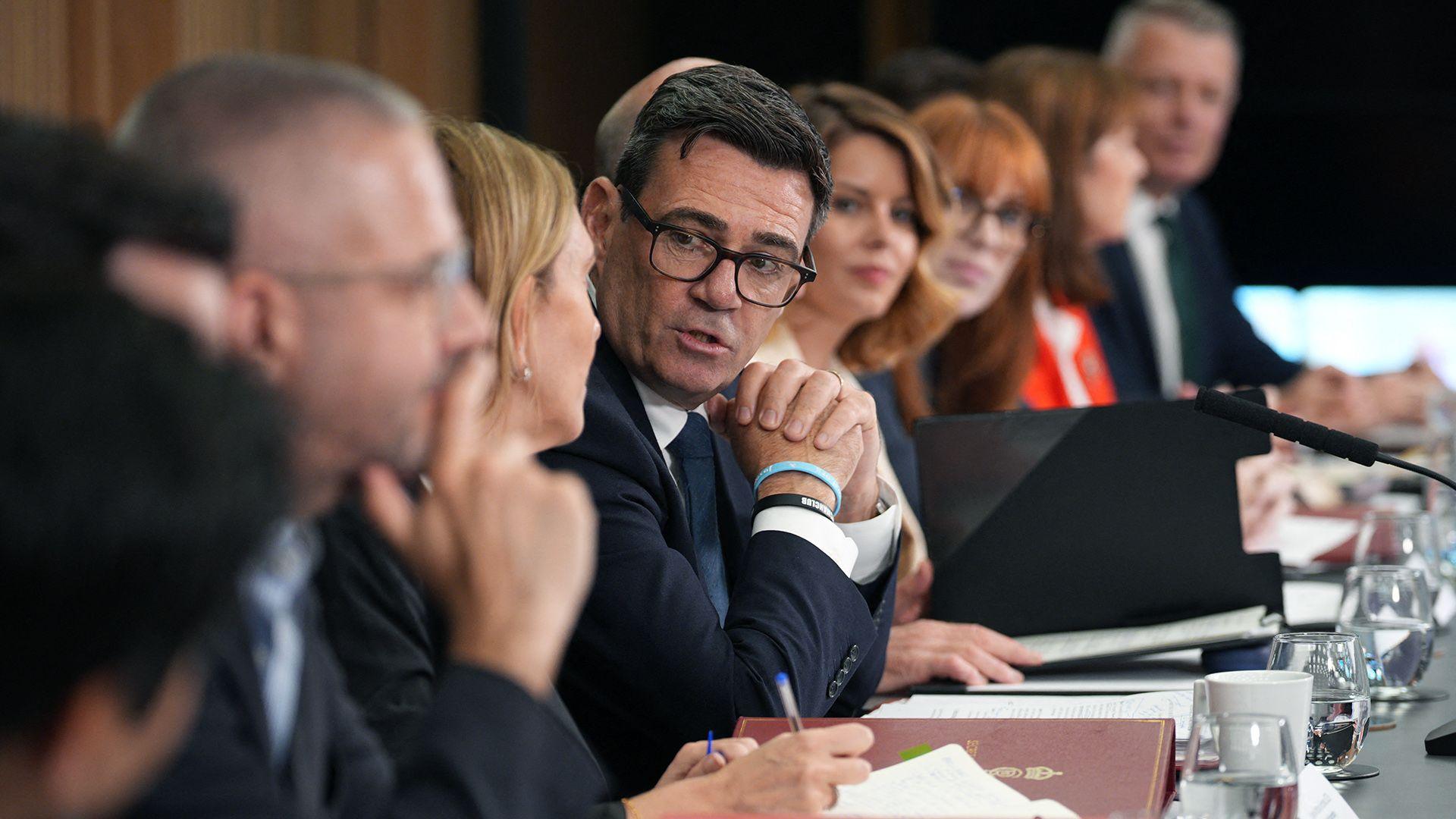
A Personal Commitment to Homelessness
Homelessness has been one of the defining social issues of Burnham’s political career. When he became mayor of Greater Manchester, he made tackling rough sleeping a central priority. His administration supported initiatives such as A Bed Every Night, which provided emergency accommodation for people who otherwise might have been forced to sleep on the streets.
During his nine years as mayor, Burnham donated 15 per cent of his mayoral salary to homelessness-related causes. Reports from the period show that the money helped support organisations working with people who were homeless or at risk of homelessness.
That history makes his latest decision important. After becoming MP for Makerfield, Burnham also announced that he would donate 15 per cent of his parliamentary salary to local organisations in his constituency. He said that this would continue a practice established during his time as mayor, although the focus would shift from homelessness charities in Greater Manchester towards worthwhile local causes in Makerfield.
Now, as prime minister, Burnham has decided to apply the same principle to the additional income associated with his new office. His total remuneration as prime minister is reported at around £182,000, combining parliamentary and ministerial components. Rather than simply keeping the increased income, he has pledged to donate 15 per cent of the additional prime-ministerial salary to homelessness causes.
Why the Announcement Matters
On the surface, donating a percentage of a politician’s salary may seem relatively small compared with the enormous sums required to address homelessness nationwide. However, the significance of the announcement is not purely financial.
A donation from a prime minister can serve as a symbolic statement about political priorities. By linking his personal income to the fight against homelessness, Burnham is making the issue part of his public identity and leadership agenda. He is effectively saying that homelessness is not simply another policy area to be discussed in government meetings; it is a problem that deserves personal commitment and urgency.
The timing is also significant. Burnham has announced a plan to provide an offer of accommodation to people sleeping rough before Christmas and has committed an additional £100 million to support the effort. He has called on charities, businesses, faith groups, councils and other parts of society to participate in a nationwide effort.
The scale of the problem explains why such a campaign has become a major political issue. Official figures cited in recent reporting estimated that 4,793 people were sleeping rough on a single night in England during autumn 2025. This represented another annual increase and was described as a record level.
For Burnham, therefore, the challenge is much bigger than simply finding temporary beds. Homelessness is often connected to mental health problems, addiction, unemployment, family breakdown, poverty and a shortage of affordable housing. Providing somewhere for a person to sleep is essential, but it may not solve the circumstances that caused them to become homeless in the first place.
From Greater Manchester to the Whole Country
Burnham’s experience in Greater Manchester appears to have strongly influenced his national approach. As mayor, he developed policies intended to provide emergency accommodation and support for people sleeping rough. However, the experience also demonstrated how difficult it can be for one area to solve homelessness independently.
Burnham has explained that Greater Manchester experienced an increase in rough sleeping partly because it was providing a particularly strong level of support. People from other areas could travel to the region because they knew help was available there. This demonstrated a fundamental problem: homelessness cannot easily be addressed if different parts of the country have radically different levels of support.
His new national initiative is therefore based on the idea that every part of the country must participate. If one city offers extensive accommodation while another does not, vulnerable people may move between areas in search of help. A coordinated national system could potentially make assistance more consistent and accessible.
This is one reason why Burnham’s salary donation is closely connected to his wider political message. He is not presenting his personal contribution as a substitute for government action. Instead, he appears to be using it as an example of the collective responsibility he wants to encourage.
The Symbolism of a Politician Giving Away His Salary
Political salaries are often controversial, particularly during periods of economic hardship. Members of the public may understandably question whether senior politicians should receive substantial salaries when many households are struggling to pay for housing, energy, food and transport.
Burnham’s decision could therefore help him respond to some of that criticism. By voluntarily giving away a portion of his income, he demonstrates that he recognises the gap between political office and the experiences of people living in poverty.
However, it is important not to exaggerate what the donation can achieve financially. Fifteen per cent of a salary, even a salary worth around £182,000, cannot by itself transform Britain’s homelessness crisis. The real significance lies in the political example and the attention it brings to the issue.
Ultimately, homelessness requires substantial public investment, effective local government, social housing, healthcare services, mental health support and long-term employment assistance. Personal donations from politicians can complement those efforts, but they cannot replace them.
A Test for Burnham’s Government
The announcement also creates a test for Burnham himself. By placing homelessness near the centre of his political agenda, he has created clear expectations. If his government succeeds in significantly reducing rough sleeping, the decision to make the issue a personal priority may become an important part of his political legacy.
On the other hand, if rough sleeping continues to rise despite increased funding and ambitious promises, critics may argue that symbolic gestures are not enough.
Burnham himself appears to recognise the scale of the challenge. His message is that government cannot solve the problem alone. Charities, businesses, local authorities, religious organisations and ordinary citizens all have a role to play.
That approach reflects an important reality: homelessness is not simply a financial problem. It is a social problem requiring cooperation between many institutions.
Conclusion
Andy Burnham’s decision to donate 15 per cent of the additional salary associated with his role as prime minister is a significant personal and political gesture. It continues a commitment he established during his time as mayor of Greater Manchester, when he donated 15 per cent of his salary to efforts tackling homelessness. He has also pledged 15 per cent of his MP’s salary to local causes in Makerfield.
More importantly, the announcement comes alongside an ambitious national campaign to help people sleeping rough before Christmas. Burnham has pledged £100 million in additional government funding and is calling for a coordinated effort across the country.
Whether this strategy succeeds will depend on far more than the prime minister’s personal donation. Britain faces deep-rooted problems involving housing, poverty, mental health and social care. Nevertheless, Burnham’s decision sends a clear message: he wants his personal finances to reflect the social causes he promotes politically.
In an era when public trust in politicians can be fragile, that kind of personal commitment may carry considerable symbolic power. The donation itself will not end homelessness, but it demonstrates an intention to connect political leadership with personal responsibility. For Burnham, the real challenge now is to turn that symbolism into lasting change and ensure that his promise to help people off the streets becomes a reality rather than simply another political announcement.