
Dưới đây là bài essay tiếng Anh khoảng 1.200 từ theo đúng phong cách các bài trước. Mình đã kiểm tra thông tin mới nhất: báo chí đưa tin Arron Banks được cho là đã chỉ đạo một công ty điều tra tư nhân mà ông từng sở hữu điều tra nhà báo Gabriel Pogrund sau các bài viết về tài chính của Nigel Farage và Reform UK. Banks không phủ nhận việc này, nhưng phía Sunday Times bác bỏ cáo buộc rằng bài điều tra của họ dựa trên thông tin bị hack. 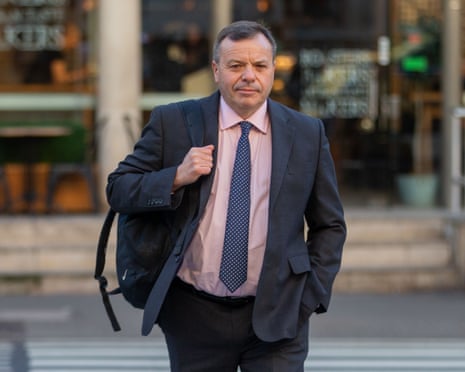
Arron Banks, Investigative Journalism and the Threat to Press Freedom
The controversy surrounding Arron Banks and the alleged investigation of a journalist has raised serious questions about press freedom, political accountability and the relationship between powerful individuals and the media. Banks, a prominent supporter of Reform UK and one of the leading figures associated with the Brexit campaign, has reportedly directed private investigators to examine Gabriel Pogrund, a Sunday Times journalist whose work has investigated the finances and political relationships surrounding Nigel Farage and Reform UK. Banks did not directly deny commissioning the investigation and responded by saying, “When you live by the sword, you die by the sword.” (The Guardian)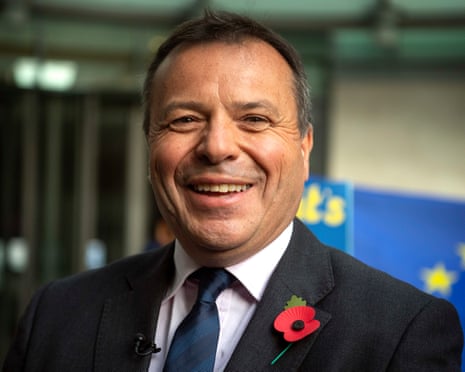
The allegation is significant because investigative journalism plays a fundamental role in a democratic society. Journalists are expected to investigate politicians, political parties and wealthy individuals, particularly when there are questions about money, influence or possible conflicts of interest. If journalists become concerned that investigating powerful people could result in surveillance or attempts to examine their private lives, they may become less willing to pursue controversial stories. This is sometimes described as a “chilling effect”, because the threat does not necessarily have to result in direct censorship. The possibility of retaliation can be enough to discourage reporting.
The reported investigation followed a series of stories by Pogrund and the Sunday Times Insight team concerning financial support received by Nigel Farage. One investigation reported that George Cottrell, a convicted criminal and former Ukip aide, had provided Farage with various forms of financial support, including staff, accommodation and other assistance. The newspaper reported that some of these benefits had not been declared. Reform has maintained that it complied with the relevant rules and that Cottrell was a volunteer without an official role. (The Times)
The importance of the story is not limited to Farage himself. Political parties depend on public trust, and voters have a legitimate interest in knowing who financially supports political figures. Donations, gifts and other benefits can raise questions about influence and accountability. This does not mean that receiving support is automatically illegal or unethical. Political organisations regularly receive donations and assistance from supporters. The key issue is transparency: voters should be able to understand where significant financial resources come from and whether political rules have been followed.
Banks has suggested that he believed the Sunday Times had used hacked information. The newspaper strongly rejected this accusation, stating that its reporting was based on responsible professional journalism rather than illegally obtained material. (The Guardian) This disagreement is important because there is a major difference between challenging the accuracy or legality of a news story and investigating the journalist personally. If a newspaper publishes false information, politicians and individuals have legitimate avenues for responding, including corrections, complaints and legal action where appropriate. But commissioning investigators to examine a reporter can appear very different, particularly when the reporter has been investigating the finances of a powerful political figure.
There is, of course, a legitimate role for private investigation in a democratic society. Individuals and organisations may need investigators to protect themselves from fraud, investigate criminal behaviour or establish facts. If Banks genuinely believed that journalists had obtained information illegally, he could argue that investigating the source of that information was justified. However, the method and purpose of an investigation matter. Investigating a suspected security breach is not necessarily the same as investigating a journalist in retaliation for critical reporting.
The controversy is particularly sensitive because Banks has previously been associated with political campaigns that relied heavily on aggressive campaigning and unconventional methods. He was a major figure in the Leave.EU campaign during the Brexit referendum and later became closely associated with Reform UK. His political influence has therefore extended beyond ordinary party membership. Any action taken by such a prominent political donor or campaigner naturally attracts greater public scrutiny.
Critics argue that the reported surveillance demonstrates an unhealthy attitude towards investigative journalism. The News Media Association has warned that targeting journalists can undermine democracy because reporters need to be able to investigate powerful people without fear. (The Guardian) Other political figures have also criticised the alleged action. Lord Young of Acton, a Conservative peer and founder of the Free Speech Union, argued that hiring private investigators to find damaging information about journalists is a dangerous tactic in a healthy democracy. (The Times)
The issue becomes even more complicated because Pogrund has reportedly been investigated before. In 2023, Labour-linked organisation Labour Together commissioned a public affairs company to investigate reporting by Pogrund and another journalist. A resulting dossier reportedly contained personal information and allegations about the journalists’ political beliefs and connections. The episode eventually became politically damaging and was followed by the resignation of Josh Simons as a minister. (The Times)
This history demonstrates that the problem should not be reduced to one political party. If politicians on the left and right respond to uncomfortable journalism by investigating journalists personally, the wider principle of press freedom is weakened. A free press should not depend on whether journalists publish stories that support or oppose a particular political movement. The same standards must apply to everyone.
At the same time, journalists are not above criticism. Newspapers can make mistakes, sources can be unreliable and investigations can sometimes be challenged. Politicians and organisations have every right to respond to allegations. They can provide evidence, publish rebuttals, request corrections or take legitimate legal action. Investigative journalism itself must therefore operate according to professional standards. The answer to controversial reporting is not to silence journalists but to challenge their claims openly with evidence.
This is particularly important in an age of social media. Political supporters can quickly portray journalists as biased or dishonest, while journalists can portray politicians as corrupt or authoritarian. Once public debate becomes highly polarised, people may accept claims simply because they come from their preferred political side. This makes independent evidence even more important. Democratic societies require citizens to distinguish between criticism of journalism and attacks on journalism itself.
The controversy also raises questions about the relationship between Reform UK and its wealthy supporters. Banks has long been an important financial and political supporter of the populist right, but Reform UK has denied knowledge of the alleged investigation. (The Guardian) This distinction matters. If Banks acted independently, the responsibility for his actions may rest primarily with him rather than the party. However, Reform politicians are still likely to face questions about whether they approve of such methods and whether they will clearly defend journalists’ right to investigate them.
Nigel Farage therefore faces a difficult political choice. He could argue that Banks acted independently and that Reform had no involvement. At the same time, he could make an explicit statement defending the principle that journalists must be free to investigate politicians. Such a position would help demonstrate that disagreement with the media does not necessarily mean hostility towards press freedom.
The wider lesson is that democratic accountability works in both directions. Politicians and political organisations must be accountable to voters, but journalists must also be accountable to professional standards. Neither side should be immune from scrutiny. The crucial distinction is between legitimate scrutiny and intimidation. Politicians can challenge journalists’ facts; journalists can challenge politicians’ decisions. But neither should use personal pressure to prevent the other from performing its democratic role.
Ultimately, the alleged investigation of Gabriel Pogrund is concerning because of what it could mean beyond this particular dispute. If wealthy political figures can respond to uncomfortable journalism by commissioning private investigators to examine reporters, journalists may reasonably wonder what consequences could follow from their next investigation. That uncertainty can discourage important public-interest reporting. The same principle would apply if a left-wing organisation investigated a conservative journalist or if a government attempted to identify confidential sources. Political ideology should not determine whether press freedom is defended.
In conclusion, the controversy involving Arron Banks and Gabriel Pogrund highlights a fundamental principle of democracy: powerful people must be open to scrutiny. Banks has suggested that he had concerns about how information was obtained, while the Sunday Times has firmly rejected the suggestion that its investigation relied on hacked material. (The Guardian) Those disagreements can and should be debated publicly. However, investigative journalism must remain free to examine politicians, donors and political organisations without fear of personal retaliation.
Reform UK has built much of its appeal around challenging the political establishment and speaking for people who believe that traditional institutions have failed them. If that movement wants to become a lasting force in British politics, it should recognise that a free press is not an enemy of democracy. It is one of democracy’s essential safeguards. Political leaders may dislike difficult questions, but the ability of journalists to ask them is precisely what prevents power from becoming completely unaccountable. In the end, the strongest response to uncomfortable journalism is not surveillance or intimidation, but evidence, transparency and open debate.