
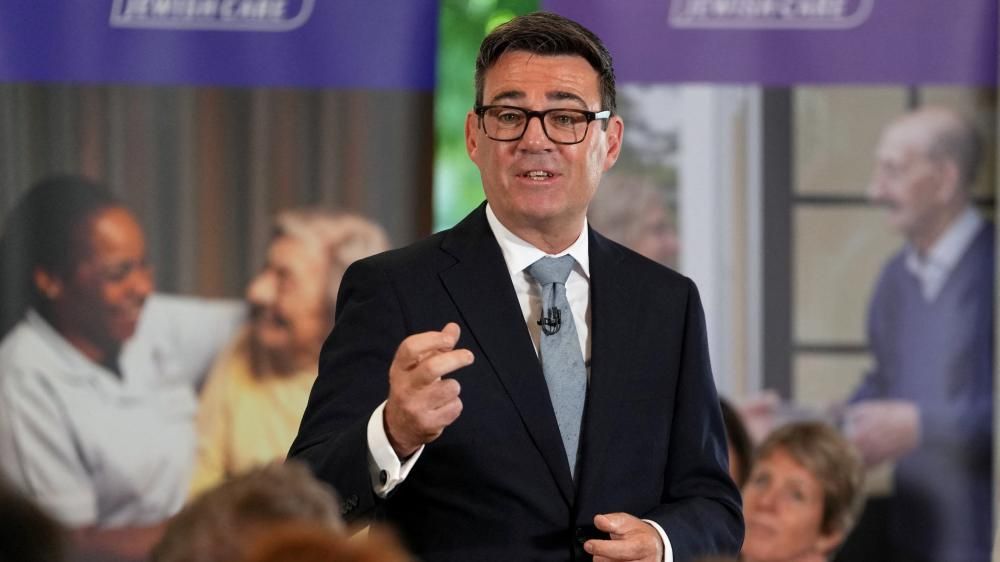
Andy Burnham Makes Major Announcement on Social Care Crisis
Andy Burnham has once again placed the growing social care crisis at the centre of political debate, highlighting the urgent need for reform as pressure continues to build on local authorities, families and the wider health system. The announcement comes at a time when social care has become one of the most difficult challenges facing policymakers in Britain. Rising demand, financial pressures and an ageing population have created a system that many argue is no longer capable of meeting the needs of everyone who requires support.
Burnham, the Mayor of Greater Manchester, has frequently used his position to campaign for greater powers and investment in public services. His latest intervention reflects a broader concern that social care cannot be treated as a separate issue from the National Health Service. When people cannot obtain appropriate care at home or in residential settings, hospitals can become overcrowded because patients who are medically fit to leave may have nowhere suitable to go.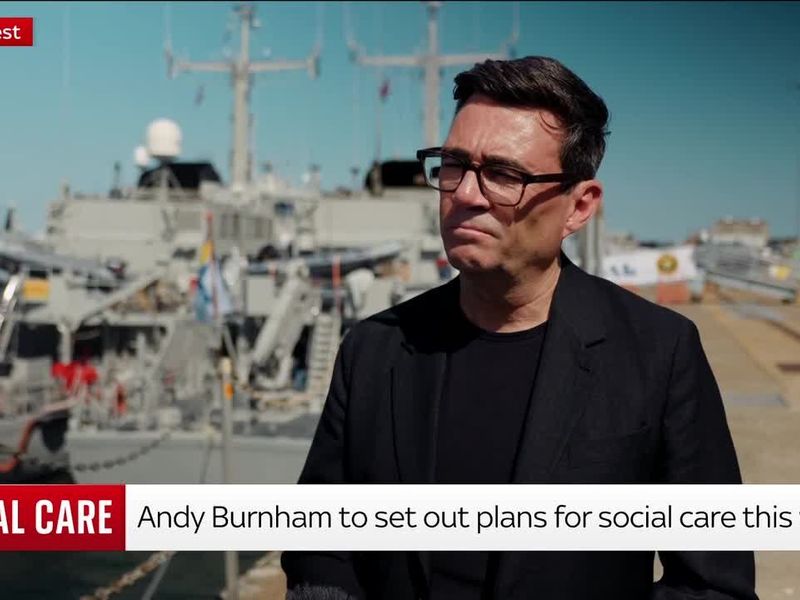
The social care crisis affects millions of people directly or indirectly. Older people who need assistance with everyday activities can face long waits for assessments or support. Families may be required to provide substantial unpaid care for relatives, often while continuing to work. Care workers themselves frequently face demanding conditions and relatively low pay. These pressures have contributed to persistent concerns about recruitment and retention within the sector.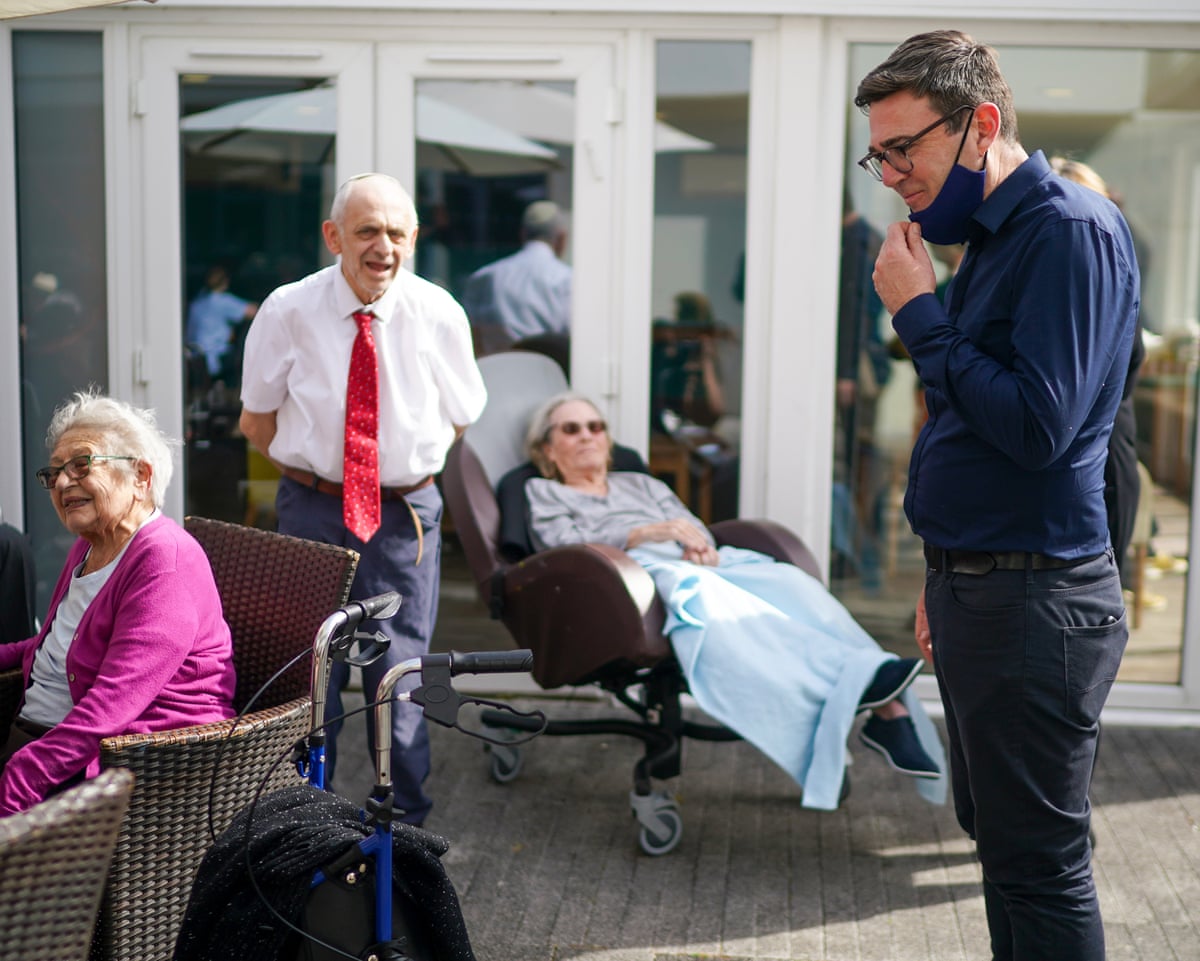
One of the central arguments behind Burnham’s approach is that social care should be viewed as an essential public service rather than simply as a private responsibility. For many years, governments have struggled to find a sustainable model for funding care. Unlike the NHS, which is largely free at the point of use, social care is subject to different eligibility rules and financial assessments. This creates uncertainty for families and can result in people delaying support until their needs become more serious.
The connection between social care and the NHS is particularly important. Hospitals across England can experience significant pressure when patients are ready to leave but appropriate community or social care packages are unavailable. This can contribute to delayed discharges, longer waiting times and pressure on emergency departments. Improving social care could therefore have benefits far beyond the sector itself.
Burnham has argued that Greater Manchester provides an opportunity to demonstrate how health and social care can work more closely together. Greater devolution has allowed the region to exercise greater influence over certain aspects of health and public services. Supporters of this approach believe that local leaders are often better placed to understand the needs of their communities than central government departments.
However, the scale of the crisis means that local innovation alone is unlikely to solve the problem. Funding remains one of the biggest obstacles. Social care is expensive to provide, particularly when people have complex medical or personal needs. At the same time, councils face competing demands for housing, education, transport, public safety and other essential services.
The financial pressure has also affected care providers. Some providers have warned that rising wages, energy bills, food costs and regulatory requirements make it increasingly difficult to operate sustainably. If care homes or home-care companies close, local authorities can struggle to find alternative placements. Families may then be forced to travel considerable distances to find suitable care for relatives.
Another important issue is the workforce. Social care depends heavily on thousands of care workers who provide essential assistance every day. Their responsibilities can include helping people wash and dress, preparing meals, administering medication and supporting people with disabilities. Despite the importance of this work, the sector has often struggled to attract and retain employees.
Burnham’s announcement therefore raises a broader question about how Britain values care. Supporters of reform argue that improving wages, training and career opportunities could make social care a more attractive profession. Better working conditions could also improve continuity of care, allowing vulnerable people to build relationships with familiar carers instead of experiencing frequent changes in staff.
The crisis also has a major impact on families. When formal support is unavailable, relatives often fill the gap. This unpaid care can involve many hours every week and can place considerable emotional and financial pressure on family members. Some carers are forced to reduce their working hours or leave employment altogether. As a result, the consequences of social care shortages can extend into the wider economy.
Burnham’s intervention is significant because it links these personal experiences to a wider political argument. He has consistently presented Greater Manchester as a place where public services can be integrated more effectively. His approach suggests that social care should be connected with housing, health, employment and community support rather than treated as an isolated service.
Nevertheless, reform will require difficult political decisions. The government must determine how much money should be allocated to social care, who should qualify for publicly funded assistance and how much individuals should be expected to contribute. These questions are politically sensitive because almost every proposed solution involves higher public spending, changes to taxation or adjustments to eligibility.
There is also an important debate about national standards. A system that gives local authorities greater responsibility may allow services to respond more effectively to local circumstances, but it could also create differences between regions. Critics of greater decentralisation may argue that people’s access to care should not depend heavily on where they live.
The challenge facing Burnham and other political leaders is therefore not simply to identify the problem. The social care crisis has been discussed for many years. What voters increasingly want to know is what can actually be done to make the system sustainable.
A successful reform programme would need to address several problems simultaneously. It would have to provide stable funding for councils, improve conditions for care workers, increase the availability of home and residential care, support unpaid family carers and strengthen cooperation between social care and the NHS. Solving only one part of the problem would leave the wider system vulnerable.
There is also a strong argument that prevention should play a larger role. Helping older and vulnerable people remain independent for longer could reduce demand for more expensive forms of care. Investment in suitable housing, community services, rehabilitation and early intervention may therefore be just as important as expanding traditional care services.
Burnham’s announcement has the potential to keep social care high on the political agenda. Whether it produces lasting change, however, will depend on what happens after the announcement. Public debate can highlight problems, but governments and local authorities ultimately need to turn political commitments into funding, staffing and services that people can actually access.
The social care crisis is not an abstract political issue. Behind the statistics are older people waiting for support, families struggling to care for relatives and workers attempting to provide essential services under difficult conditions. That human dimension makes reform increasingly urgent.
Andy Burnham’s intervention therefore represents more than another political statement. It reflects a growing recognition that Britain’s health and social care systems are deeply connected. If social care continues to struggle, the NHS will continue to feel the consequences. If social care is strengthened, there is an opportunity to improve the quality of life for vulnerable people while reducing pressure elsewhere in the public sector.
The central question now is whether political leaders can move beyond short-term responses and develop a long-term settlement for social care. Burnham has helped put the issue back in the spotlight, but the real test will be whether his proposals can contribute to practical reform. For millions of people who depend on care, the need for action is becoming increasingly difficult to ignore.