
Nigel Farage’s Reform UK MPs Storm Out of the Commons During PMQs
Nigel Farage and several Reform UK MPs caused a dramatic scene in the House of Commons after walking out during Prime Minister’s Questions (PMQs). The incident occurred shortly after Prime Minister Keir Starmer described Farage as an “absolute disgrace”. The walkout immediately attracted attention because PMQs is one of the most important and highly watched parts of the parliamentary week. It also highlighted the increasingly confrontational relationship between Reform UK and the Labour government.
The incident can be understood as part of a wider political struggle between Farage and Starmer. Reform UK has attempted to establish itself as a major alternative to the traditional political parties, while Labour has increasingly treated Farage and his party as an important political threat. The clash inside the Commons therefore represented more than a brief disagreement. It demonstrated how political competition in Britain has become increasingly personal, theatrical and aggressive.
Prime Minister’s Questions is traditionally a place where the leader of the opposition and other MPs directly challenge the Prime Minister. Questions can cover almost any major issue, including the economy, immigration, healthcare, defence and foreign policy. The atmosphere is often loud and confrontational, but the purpose is ultimately to hold the government accountable. Farage has previously complained that Reform MPs do not receive enough opportunities to participate in PMQs, arguing that the party’s growing popularity should be reflected in parliamentary speaking opportunities.
This background makes the walkout particularly interesting. Farage has repeatedly argued that the parliamentary system does not give Reform UK enough influence. Despite the party’s growing electoral support, Reform has had relatively limited representation in the Commons compared with Labour and the Conservatives. Farage has consequently criticised the way parliamentary business is organised and has called for changes to the political system.
The argument over parliamentary representation is important because Reform UK has ambitions that go far beyond simply influencing individual debates. Farage has presented Reform as a potential future governing party. The party’s rising support in opinion polls has encouraged its leadership to believe that it could win a much larger number of seats at a future general election. This has changed the political calculations of both Reform and its opponents.
However, walking out of Parliament can send a complicated political message. Supporters may view the action as a strong protest against what they consider unfair treatment by the Prime Minister. They may argue that Reform MPs were refusing to participate in a political environment that they believed had become disrespectful. From this perspective, the walkout could be seen as a demonstration of solidarity with Farage and a rejection of the political establishment.
Critics, on the other hand, may interpret the incident very differently. They could argue that elected MPs should remain in the Commons and challenge the government through debate rather than leaving the chamber. Parliament is ultimately a workplace for elected representatives, and voters expect MPs to participate in the political process. A dramatic walkout may therefore be criticised as political theatre rather than meaningful parliamentary opposition.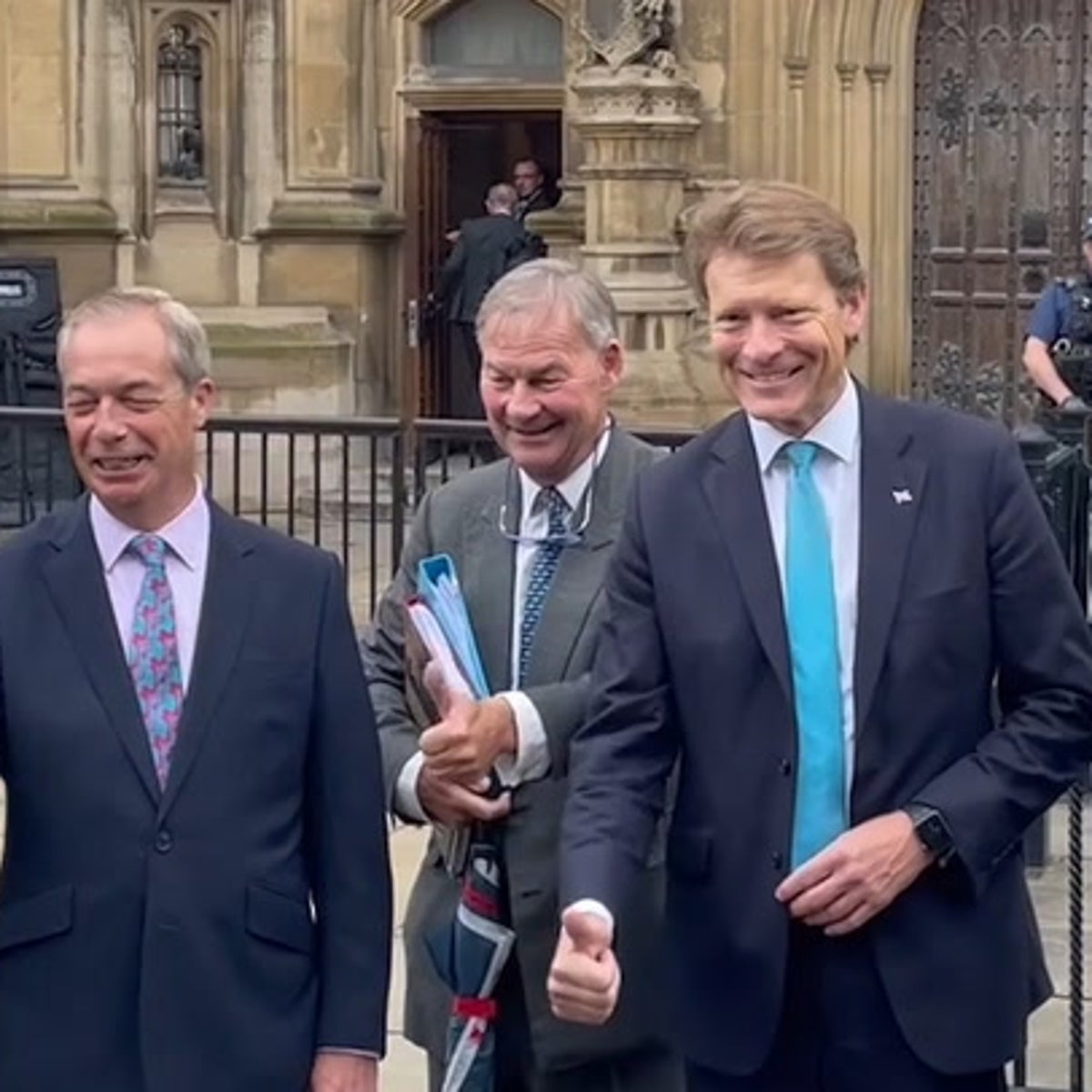
The phrase used by Starmer was also significant. Calling Farage an “absolute disgrace” is much more personal than simply criticising a policy. Political debates in the Commons frequently involve strong language, but personal attacks can quickly escalate tensions. Once a disagreement becomes centred on the character of individual politicians rather than their policies, it becomes more difficult for the debate to remain constructive.
Farage’s political career has always been closely connected with confrontation. He built his reputation by challenging Britain’s membership of the European Union and criticising what he described as an out-of-touch political establishment. His political style often involves direct and provocative language. Supporters regard this as evidence of authenticity, while opponents argue that it contributes to political division.
The same approach is visible in Reform UK’s parliamentary strategy. The party often attempts to distinguish itself from Labour and the Conservatives by presenting itself as more direct and less constrained by traditional political conventions. The walkout can therefore be interpreted as consistent with Reform’s broader political identity: challenge the establishment, reject conventional behaviour and demonstrate that the party is willing to take dramatic action.
Yet there are risks associated with this approach. A political party that wants to govern must eventually demonstrate that it can operate within institutions rather than simply criticise them. Running a government requires compromise, negotiation and cooperation. Parliament is designed around disagreement, but it also requires MPs to remain involved in the process even when they strongly dislike the government or its policies.
This is especially important for Reform UK because its political ambitions have grown rapidly. The party has moved from being primarily associated with Brexit and protest politics to presenting itself as a possible future government. It has begun developing a more extensive frontbench structure and assigning MPs responsibilities similar to those of a shadow cabinet. This suggests that Farage wants Reform to be taken seriously as a governing organisation.
For that reason, the behaviour of Reform MPs in Parliament will increasingly be examined. Voters may ask whether the party is capable of providing effective opposition and, eventually, competent government. Strong speeches and dramatic protests can attract media attention, but governing requires detailed policy work and the ability to deal with difficult compromises.
The walkout also raises questions about the role of political theatre in modern democracy. PMQs has long been criticised for being more like a performance than a serious policy discussion. MPs frequently shout across the chamber, applaud their own side and react loudly to opponents. Television coverage has made PMQs one of the most recognisable symbols of British politics. A walkout therefore guarantees significant media attention.
For Reform UK, publicity is valuable. The party has built much of its success through strong media messaging and the personal profile of Farage. A dramatic event in Parliament can provide the party with an opportunity to communicate directly with its supporters. Instead of allowing the news cycle to be dominated by Starmer’s criticism, Reform can portray itself as the victim of an unfair political establishment.
However, the same strategy can alienate voters who are tired of political conflict. Britain has experienced years of intense political arguments over Brexit, immigration, the economy and public services. Some voters may appreciate politicians who challenge established institutions, but others may simply want competent government and practical solutions to everyday problems.
This tension is particularly important for Farage. His political strengths are closely connected to his ability to attract attention and mobilise supporters. But becoming Prime Minister would require a different set of skills. He would need to demonstrate that he could manage government departments, work with civil servants, negotiate with foreign governments and respond to economic crises. The question is therefore whether his confrontational style can be adapted to the responsibilities of government.
The incident also reflects the broader rivalry between Reform UK and the Conservative Party. Reform has increasingly competed with the Conservatives for voters who favour lower taxes, tighter immigration controls and a more sceptical attitude towards established institutions. The Conservatives therefore face pressure from Reform both electorally and ideologically.
At the same time, Labour has reasons to take Reform seriously. If Reform continues to gain support, it could divide the right-wing vote and change the traditional structure of British politics. Labour therefore has an interest in exposing weaknesses within Farage’s party while defending its own record in government. Exchanges between Starmer and Farage are consequently likely to remain highly significant.
Nevertheless, political disagreements should ideally return to substantive issues. Britain faces major challenges involving living costs, housing, public services, economic growth, immigration and national security. These problems require detailed discussion rather than constant personal confrontation. Parliament works best when politicians can strongly disagree while still recognising the legitimacy of their opponents.
The walkout is therefore symbolic of both Reform UK’s growing influence and the challenges that accompany it. The party is no longer simply an outsider movement. It now has elected MPs, local councillors and substantial national support. With greater influence comes greater responsibility. Voters will increasingly judge Reform not only by what it opposes but also by what it can realistically achieve.
In conclusion, Nigel Farage’s Reform UK MPs walking out of the Commons during PMQs was a striking moment in Britain’s increasingly confrontational political environment. The incident followed Keir Starmer’s description of Farage as an “absolute disgrace” and demonstrated the intense hostility between the Reform leader and the Labour government.
For Reform supporters, the walkout may represent a powerful act of protest against what they see as an unfair parliamentary system. For critics, it may appear childish or theatrical and raise questions about whether Reform understands the responsibilities of elected office. Both interpretations are possible.
Ultimately, the incident matters because Reform UK is trying to move from protest to power. Farage has spent much of his career challenging Britain’s political establishment, but if he genuinely wants to run the country, he will eventually need to demonstrate that he can work within democratic institutions as well as criticise them. The real test of Reform will not be how dramatically its MPs can leave the Commons, but whether they can remain in the political arena and persuade voters that they are capable of governing Britain effectively.