
Nigel Farage Reports ‘Family Voting’ Allegations to Police and Election Authorities
The Gorton and Denton by-election in Manchester became the centre of a major political controversy in February 2026 after concerns were raised about alleged “family voting” at polling stations. Reform UK leader Nigel Farage confirmed that his party had reported the allegations to Greater Manchester Police and the Electoral Commission. The issue attracted significant public attention because voting in Britain is based on the principle that every citizen should be able to cast a ballot freely, independently and in secret. However, although observers reported several incidents that appeared concerning, subsequent police investigations found no evidence that voters had been deliberately influenced or prevented from voting. The controversy therefore raises important questions about electoral integrity, political responsibility, cultural sensitivities and the protection of democratic principles.
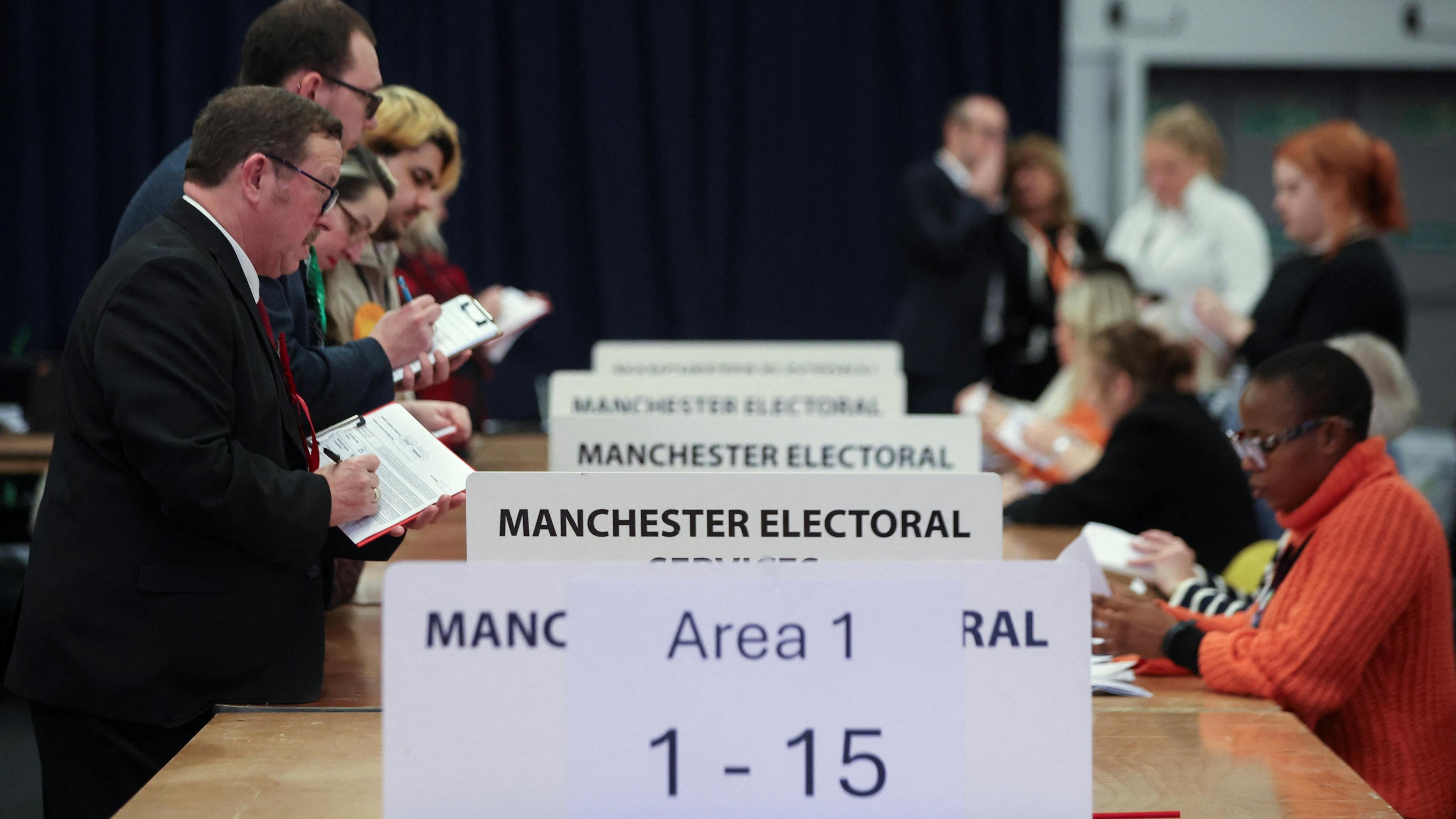
The Gorton and Denton by-election was held on 26 February 2026. The result was politically significant because the Green Party won the seat, with Hannah Spencer defeating Reform UK candidate Matt Goodwin. Reform finished second, while Labour came third in what had historically been regarded as a relatively safe Labour area. Spencer received 14,980 votes, compared with 10,578 for Goodwin and 9,364 for Labour candidate Angeliki Stogia. The unexpected result made the election particularly important for national politics, especially because Reform UK had been seeking to expand its influence among voters who had previously supported the Conservative or Labour parties.
Shortly after the polls closed, the election observation organisation Democracy Volunteers reported what it described as “concerningly high levels” of family voting. The organisation said that its observers had monitored 22 of the constituency’s 45 polling stations and had witnessed family voting in 15 of them. According to its observations, 32 cases were identified among a sample of 545 voters. The organisation described these figures as the highest level of family voting it had observed during its ten years of monitoring elections in Britain.
The term “family voting” generally refers to situations in which two people enter a polling booth together or one person appears to influence another person’s choice. Such behaviour can be problematic because the secret ballot is a fundamental part of a democratic election. A voter should be able to make a political decision without being watched, pressured or instructed by another person. Britain strengthened its legal protections in this area through the Ballot Secrecy Act 2023, which made certain forms of influencing voters inside polling stations illegal.
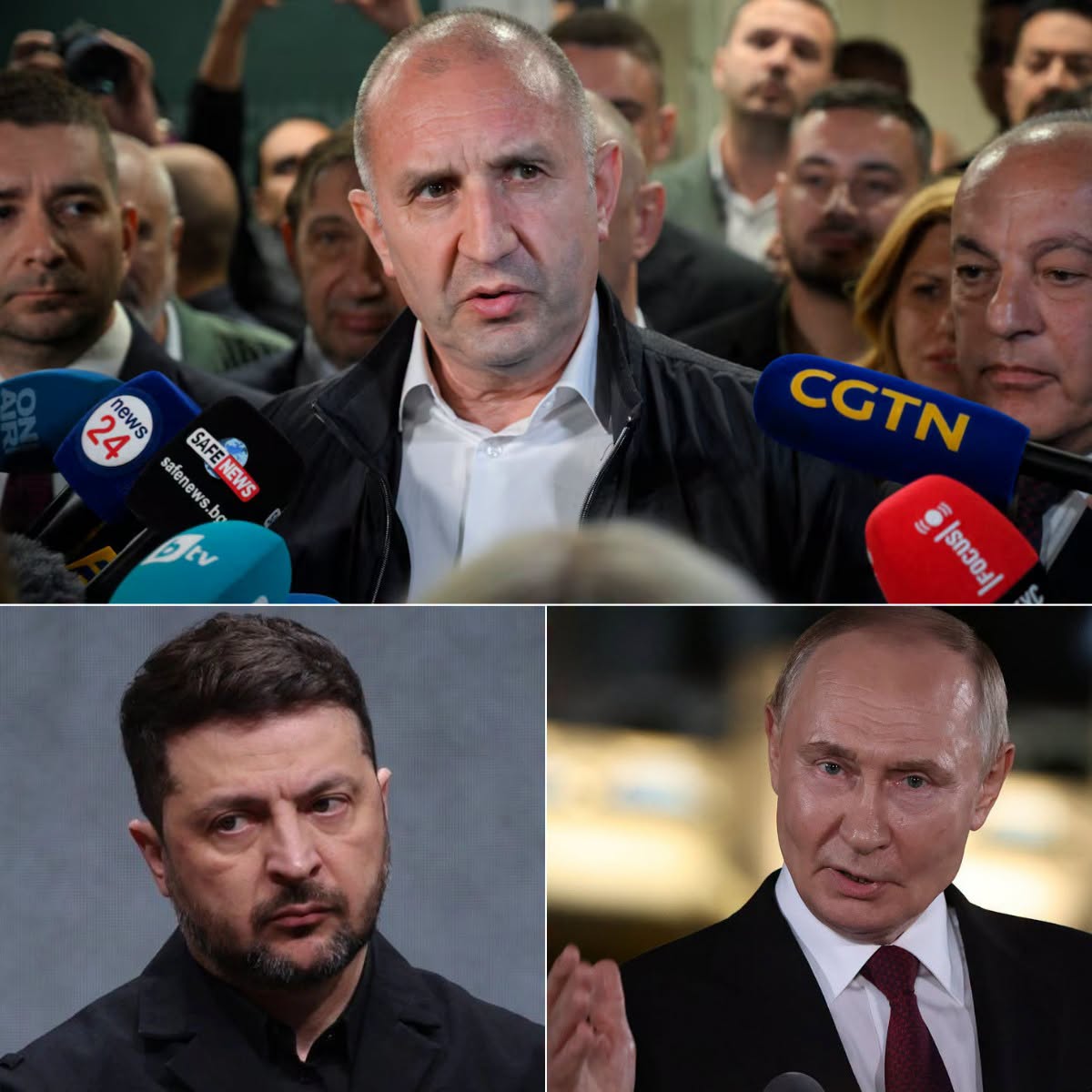
Following the observers’ report, Nigel Farage reacted strongly. He described the allegations as deeply concerning and said that Reform UK had reported the cases to both the police and the Electoral Commission. He argued that the reports raised questions about the integrity of the democratic process. Farage also raised concerns about whether similar forms of pressure could potentially occur with postal voting. His comments quickly became part of a wider political debate about electoral fraud and the protection of voters.
Farage’s reaction, however, was controversial. He initially described the election as a “victory for sectarian voting and cheating”, a statement that was criticised by opponents. The Green Party rejected the suggestion that its victory was the result of improper voting practices. A Green Party spokesperson argued that the party had gained support across different parts of the constituency and among different groups of voters. The party presented its victory as evidence that its political message, including promises relating to living costs, the National Health Service and public services, had appealed to local residents.
The controversy demonstrates how difficult it can be to discuss electoral misconduct without creating wider social tensions. Gorton and Denton contains a diverse population, including a significant Muslim community. Farage’s reference to “predominantly Muslim areas” was therefore particularly sensitive. Allegations involving particular communities must be treated carefully because an accusation about electoral behaviour by some individuals should never automatically be interpreted as evidence that an entire ethnic, religious or cultural group has acted improperly. Democracy depends not only on preventing electoral offences but also on maintaining public trust and avoiding collective blame.
At the same time, concerns about electoral integrity should not simply be dismissed. If a voter is genuinely pressured by a family member or another person, that can undermine the principle of free choice. Democracy Volunteers is an accredited, non-partisan election observation organisation, and its observers are permitted to attend polling stations and observe electoral processes. The Electoral Commission states that independent observation contributes to elections being transparent, accessible, impartial and secure. Therefore, reports from observers deserve to be considered seriously, even when they do not by themselves prove that an electoral offence has occurred.
An important distinction must be made between observing behaviour and proving criminal intent. Seeing two people enter a polling booth together does not automatically establish that one person forced or persuaded the other to vote in a particular way. Some voters may need assistance for legitimate reasons, including disability or difficulty completing a ballot independently. Consequently, investigators need to establish whether there was actual coercion, influence or another violation of electoral law.
This distinction became especially important when Greater Manchester Police investigated the allegations. The police spoke to the four Democracy Volunteers observers who had been present during the election. Their accounts included instances in which more than one voter entered a booth simultaneously and cases in which individuals appeared to look over another voter’s shoulder. The observers estimated that similar behaviour may have occurred on 32 occasions across 15 polling stations.
However, on 27 March 2026, Greater Manchester Police announced that its investigation had concluded. The force said that it had found no evidence of any intent to influence or refrain any person from voting. In other words, although observers had reported behaviour that appeared unusual or potentially concerning, the police did not find evidence establishing the criminal intent required for an offence.
The conclusion was also welcomed by Manchester’s returning officer, Tom Stannard. The council said its elections team had examined the observers’ claims and compared them with records from individual polling stations. It concluded that the allegations were not substantiated and that the integrity of the by-election had not been affected. The returning officer also stressed that polling station staff are trained to identify signs of undue influence and can intervene when necessary.
The police conclusion does not mean that the original concerns were completely meaningless. Instead, it illustrates the importance of separating allegations, observations and proven offences. Election observers can identify behaviour that deserves further investigation, while police and electoral authorities are responsible for determining whether the evidence establishes a breach of the law. This separation is essential in a democratic society because political parties should not be able to declare an election fraudulent simply because they dislike the result.
The episode also highlights the responsibilities of political leaders. Farage was right to argue that electoral integrity matters and that potential offences should be reported to the appropriate authorities. Indeed, reporting allegations allows independent institutions to investigate them. However, politicians must also be careful with the language they use, particularly when allegations involve religious or ethnic communities. Strong claims made before investigations are completed can damage trust and create unnecessary division.
Ultimately, the Gorton and Denton controversy demonstrates both the strengths and challenges of British democracy. The concerns raised by Democracy Volunteers were taken seriously, Reform UK reported them, the police investigated them, and the returning officer reviewed the relevant information. The investigation eventually found no evidence that voters had been intentionally influenced.
The most important lesson is that democratic elections require both vigilance and restraint. Voters must be protected from intimidation and coercion, while political parties must respect the outcome of elections unless credible evidence demonstrates wrongdoing. Allegations should be investigated thoroughly, but they should not automatically be treated as proven facts. In the case of Gorton and Denton, the final findings show why independent investigation is so important. Electoral integrity is protected not by political accusations, but by evidence, impartial institutions and a commitment to the principle that every citizen has the right to vote freely and secretly.