
Recent discussions surrounding proposed accommodation sites, such as RAF Linton in North Yorkshire and a facility in Piddington, Bicester, have underscored a growing divide between government logistics and local sentiment.
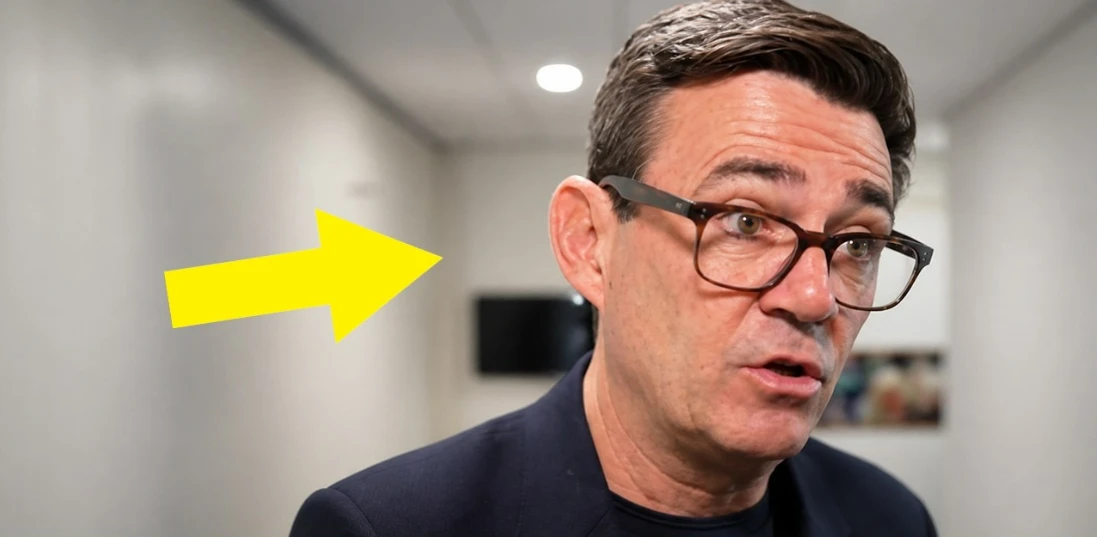
In a recent interview, Greater Manchester Mayor Andy Burnham was pressed on whether RAF Linton should be converted into a home for asylum seekers amidst strong opposition from locals. Rather than providing a direct answer to the specific site, Burnham defended the broader trajectory of the immigration system. He stated that the number of new arrivals via channel crossings is “significantly down” and that removals of those with no right to remain are “significantly up.”
Burnham did acknowledge the public’s anxiety regarding the “proliferation” of Houses in Multiple Occupation (HMOs) and the over-concentration of new arrivals in specific areas. “We’ve got to do it in a way that is fair but at the same time provides secure accommodation and addresses the concerns that we’ve heard,” he stated, insisting he is tackling the issues “head-on.” However, critics have accused him of dodging the direct question about RAF Linton and mirroring the cautious, evasive rhetoric of national leadership.
This calculated political framing starkly contrasts with the emotional fears voiced by residents in designated host communities. During a recent public gathering, a mother from Piddington delivered a passionate plea regarding the proposed influx of asylum seekers into her village. According to local advocates, Piddington is slated to receive approximately 1,500 migrants, a number that residents claim will outnumber the local village population by three to one.
The resident expressed profound fears for the safety of women and children, claiming that similar housing initiatives in towns like Wethersfield and Barnham have severely impacted community safety. She lamented that cherished rural traditions, such as walking in the woods or going blackberry picking, would no longer feel safe for her young daughter. “This is our children’s future that the government are playing with,” she argued, urging the public to push back against current border policies.
These local testimonies highlight a mounting political headache for officials. While politicians attempt to reassure the public by pointing to statistical decreases in illegal crossings and emphasizing a “fair approach” to distribution, they are being met with fierce, organized resistance from citizens who feel their safety and rural ways of life are being disregarded. As the government continues its search for secure asylum accommodation across the country, the friction between national mandates and local realities shows no signs of cooling.