
Nigel Farage Has Missed One Huge Trick and Has Now Landed Himself in a Political Farce
Nigel Farage has spent decades building a reputation as one of Britain’s most effective political campaigners. Known for his ability to dominate headlines, attract media attention, and turn public frustration into political momentum, he has often succeeded in controlling the political conversation. However, recent events surrounding Farage and Reform UK have created a different image: a leader who may have miscalculated, missed an important opportunity, and found himself trapped in a situation that increasingly resembles a political farce.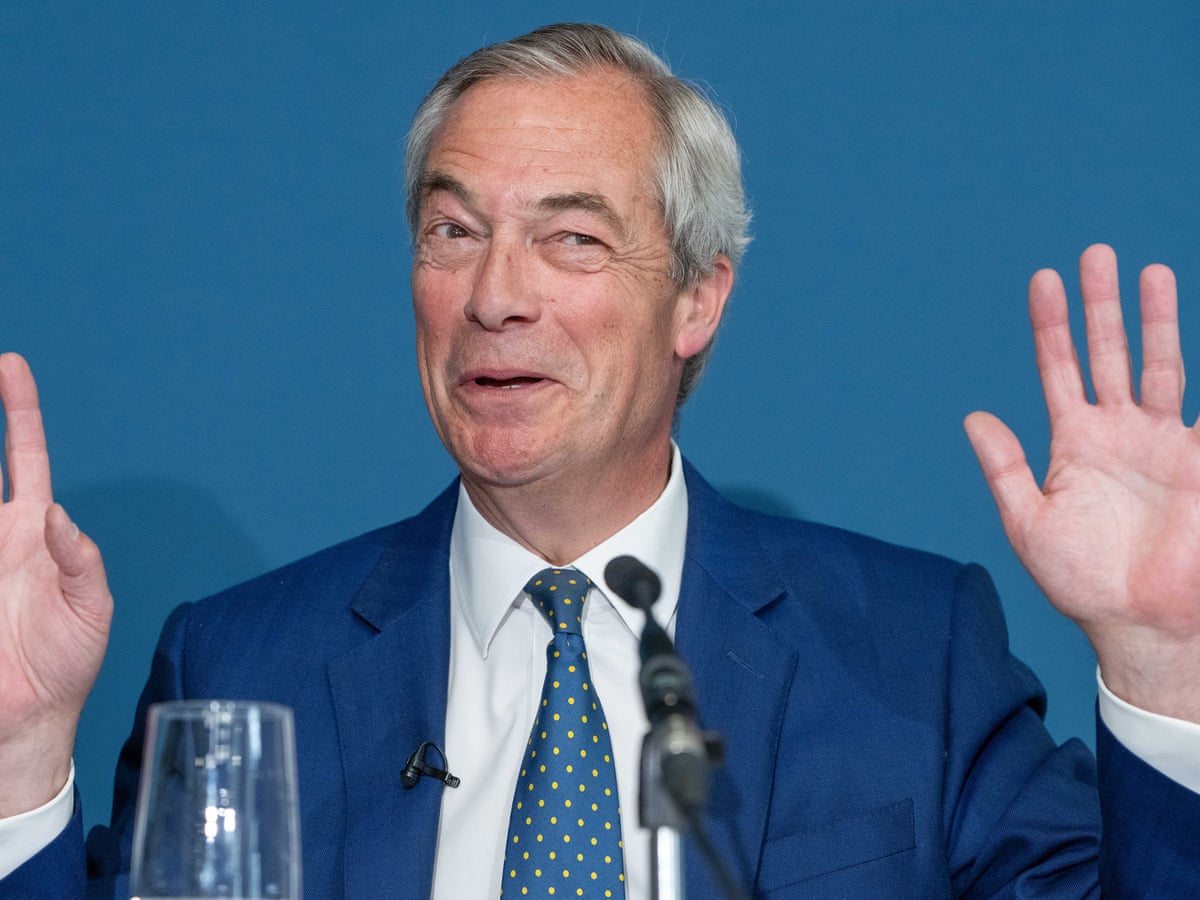
Farage’s political strength has always come from his ability to present himself as an outsider challenging the established system. Whether campaigning for Brexit or building support for Reform UK, he has positioned himself as a politician willing to say what others avoid. This approach has attracted millions of supporters who feel ignored by traditional parties. Yet the same style that helped him become a powerful political figure also creates risks. When a leader relies heavily on personality, every mistake becomes more visible, and every controversy can become a direct challenge to their credibility.
The central problem for Farage is that he may have focused too much on short-term political battles while missing a larger strategic opportunity. Reform UK has successfully attracted voters who are dissatisfied with the Conservative Party and frustrated with the direction of the country. Many of these voters are not only concerned about immigration or cultural issues; they are also worried about wages, housing, healthcare, taxation, and the cost of living. The opportunity for Farage was to transform public anger into a broader vision for government. Instead, critics argue that Reform has often remained focused on opposition rather than presenting a fully developed alternative.
A successful political movement requires more than identifying problems. It must also convince voters that it has realistic solutions. Many parties can gain popularity by criticizing existing governments, but becoming a serious governing force requires detailed policies, strong candidates, and public confidence in leadership. Reform UK has attempted to expand beyond protest politics, but questions remain about whether it has the organisation and depth needed for long-term success.
Recent controversies have added to these concerns. Farage and Reform UK have faced criticism over internal issues, financial questions, and political disagreements. These distractions have created an uncomfortable situation for a party that wants to present itself as a professional alternative to the traditional parties. Instead of dominating the debate over national issues, Reform has sometimes found itself defending its own actions and decisions.
This is particularly damaging because Farage’s greatest political asset has always been his ability to communicate directly with voters. He built his career through strong public performances, television appearances, and a clear message. When a political leader known for controlling the narrative loses that advantage, the consequences can be significant. Opponents gain opportunities to define the story, while supporters may begin questioning whether the movement is prepared for greater responsibility.
One of the biggest missed opportunities may have been the failure to broaden Reform UK’s appeal beyond its strongest supporters. Farage has attracted many voters who feel politically homeless, especially former Conservative voters who no longer trust the party. However, winning a larger share of the electorate requires reaching people who may agree with some Reform policies but remain uncertain about the party’s tone, leadership, or ability to govern.
Modern elections are often won not only by motivating existing supporters but also by persuading undecided voters. Many people may share concerns about immigration, public services, or political leadership but still want stability and competence. A party that appears too focused on confrontation may struggle to convince these voters that it can manage the responsibilities of government.
Farage’s supporters would argue that criticism of him often comes from political opponents who fear Reform’s growing influence. They believe that established parties have ignored public concerns for too long and that Farage’s willingness to challenge political conventions is exactly what makes him successful. From this perspective, controversy is not necessarily a weakness; it is evidence that he is disrupting the traditional political system.
There is some logic behind this argument. Throughout his career, Farage has often benefited from being underestimated. His campaigns have repeatedly gained attention by focusing on issues that other politicians avoided. His role in the Brexit movement demonstrated his ability to turn a long-running political argument into a defining national issue. Supporters believe that his direct style remains effective because many voters are tired of carefully managed political language.
However, political success in opposition is different from success in government. A movement built around protest must eventually answer questions about practical administration. Voters may support a party because they are angry with the current system, but they will expect clear answers about how that party would improve daily life. This includes questions about healthcare, education, defence, economic growth, and public spending.
The danger for Farage is that Reform UK could become trapped between two identities. It can remain a protest movement that attracts attention through criticism, or it can attempt to become a mainstream governing party that requires compromise, detailed planning, and wider appeal. Trying to do both at the same time is extremely difficult.
Another challenge is leadership perception. Farage has always been the central figure of his political projects. This provides energy and recognition, but it also creates dependence on one individual. A successful political organisation needs strong structures beyond its leader. If the party is constantly associated with one personality, every personal controversy risks becoming a party-wide crisis.
The current situation also highlights a broader issue in British politics: public dissatisfaction is high, but dissatisfaction alone does not guarantee political success. Many voters are unhappy with traditional parties, yet they still want competence and stability. The challenge for any alternative movement is to transform frustration into trust.
Farage may have missed the opportunity to present Reform UK as a mature political force ready to take responsibility. Instead of simply saying that existing parties have failed, the party needed to demonstrate exactly how it would succeed. A clear economic plan, stronger internal organisation, and a wider range of policies could have helped move Reform beyond its image as a protest party.
The phrase “political farce” may sound harsh, but it reflects a growing perception among critics that Farage’s recent difficulties have distracted from his larger ambitions. A politician who has spent years presenting himself as a master communicator now faces the challenge of proving that he can manage the complexities of serious political leadership.
Nevertheless, it would be a mistake to assume that Farage’s influence has disappeared. British politics has repeatedly shown that unexpected changes can happen quickly. Public opinion can shift, political crises can create new opportunities, and leaders who appear weakened can sometimes recover. Farage has built his career on political comebacks and surprising opponents.
The key question is whether he can adapt. The skills that helped him become a successful campaigner may not be enough to build a lasting political movement. To achieve his ambitions, he must move beyond criticism and demonstrate competence, unity, and a credible plan for the future.
Ultimately, Nigel Farage’s biggest challenge is not gaining attention. He has already proven that he can do that. His challenge is converting attention into lasting public trust. If he fails to make that transition, Reform UK may remain a powerful voice of dissatisfaction but never become a serious contender for government. If he succeeds, he could once again reshape British politics.
The coming years will reveal whether this moment represents a temporary setback or a major strategic failure. For now, however, Farage appears to have missed an important opportunity and allowed political drama to overshadow the message he wants voters to hear.