
London – Rupert Lowe, the independent MP for Great Yarmouth and leader of the recently launched Restore Britain party, appeared on a BBC current affairs programme in early April 2026. The discussion formed part of broader coverage of emerging political movements and touched on topics including social media platforms, free speech and the nature of public broadcasting.
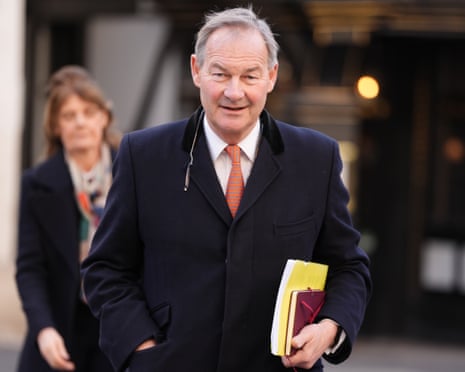
Lowe, who was elected for Reform UK in 2024 before becoming an independent and founding Restore Britain in February 2026, used the platform to criticise the BBC directly. In response to points raised about regulation of platforms such as X, formerly Twitter, he described the BBC as “a state monopoly pumping out state cant” and an “establishment monopoly.” He contrasted this with private social media, arguing there was little meaningful difference in terms of influence.
Presenter Daisy Cooper and others pushed back, noting that the BBC is a publicly funded broadcaster subject to oversight by the communications regulator Ofcom, unlike unregulated social media. Lowe countered by questioning the effectiveness of Ofcom as a regulator. The exchange became notably animated, with visible reactions from panellists and interruptions during the debate.
The appearance marked one of the first significant mainstream television slots for Lowe since launching Restore Britain as a formal political party. The movement, initially established as a pressure group, has focused on issues such as immigration control, including proposals for large-scale deportations, and a critique of what Lowe describes as failures in integration and national policy. BBC reporting had previously covered the party’s registration and growth, though Lowe and supporters have accused mainstream outlets of under-reporting or framing his positions negatively.
The interview took place against a backdrop of declining trust in traditional broadcasting among certain sections of the public. Audience figures for some BBC programmes have faced challenges, with critics pointing to perceived bias in coverage of political and cultural issues. Lowe positioned himself as unconcerned with establishment approval, emphasising direct communication with supporters via social media and public platforms.
During the segment, discussion also referenced broader regulatory questions. One presenter highlighted the importance of oversight to ensure safety and standards on digital platforms. Lowe defended free speech principles, arguing that excessive regulation risks limiting open debate. Observers noted the contrast in demeanour, with Lowe maintaining a composed response while engaging robustly with the points raised.
The BBC has long defended its role as an impartial public service broadcaster funded by the television licence fee. It is required by charter to maintain due impartiality across news and current affairs. Ofcom provides external regulation, investigating complaints about accuracy, fairness and harm. Supporters of the corporation argue that this framework distinguishes it from commercial or unregulated platforms that can amplify unverified content.
Critics, including figures from Reform UK and now Restore Britain, contend that the BBC exhibits systemic bias, particularly on issues such as immigration, climate policy and cultural change. They point to selective coverage and framing as evidence that public funding entrenches a particular worldview disconnected from many licence-fee payers. Calls to reform or defund the BBC have grown in recent years, though any substantive change would require parliamentary action.
The programme also featured other contributors, including Lord Daniel Finkelstein, a Conservative peer and columnist. Separate coverage has referenced Finkelstein’s public engagement with online figures such as Nick Fuentes, where historical and moral arguments were raised. These discussions have highlighted wider debates about extremism, free speech limits and the role of legacy media in addressing fringe voices.
Additional context for public scepticism towards the BBC includes recent internal controversies. The corporation recently dismissed presenter Scott Mills following new information related to a historical police investigation into serious sexual offences against a teenager. The BBC stated it acted in line with its values after receiving updated details, despite awareness of an earlier investigation that closed without charges in 2019. The case has renewed questions about internal standards and accountability at the broadcaster.
Lowe’s appearance comes as Restore Britain seeks to establish itself as a national force, positioning itself to the right of mainstream parties on immigration and cultural issues. The party advocates stronger border controls, scrutiny of integration policies and a focus on British interests. Lowe, a former businessman and farmer, has emphasised practical governance over ideological alignment with existing structures.
Public reaction to the interview has been polarised. Supporters viewed Lowe’s direct style as refreshing and evidence of unwillingness to conform to expected narratives. Critics argued that the BBC provided necessary scrutiny of a politician whose proposals on mass deportations and related matters raise legal, logistical and social questions. Some analysts noted that forcing mainstream engagement with emerging parties reflects shifting political realities rather than a sudden shift in editorial policy.
The episode underscores ongoing challenges for public service broadcasting in a fragmented media landscape. Digital platforms allow direct communication that bypasses traditional gatekeepers, reducing the BBC’s former dominance. At the same time, concerns persist about unregulated content, misinformation and the need for standards that protect public discourse.
As political fragmentation continues, with new parties and independent voices gaining traction, broadcasters face pressure to balance coverage without appearing to amplify or marginalise particular viewpoints. For Restore Britain and Lowe, the interview represented an opportunity to reach a wider audience despite perceived hostility. For the BBC, it highlighted the difficulty of maintaining authority when significant portions of the public question its impartiality and relevance.
The coming months will test whether such engagements lead to more substantive policy debate or remain focused on procedural clashes over regulation and representation. With local and potential national electoral tests ahead, the interplay between legacy media, digital platforms and emerging political movements is likely to intensify.







Related Posts
NATO Faces Deepening Strains as Trump Criticizes Allies Over Iran Conflict. xamxam
NATO Faces Deepening Strains as Trump Criticizes Allies Over Iran Conflict European Reluctance to Join U.S. Military Action Highlights Alliance Tensions BRUSSELS — The North Atlantic Treaty…
Starmer Cracks Under Pressure During Explosive PMQs Clash – mikaymaidinh
A tense Prime Minister’s Questions erupted today as Sir Keir Starmer delivered a furious, table-thumping rebuttal to a Conservative MP’s accusation that he is a “high-tax” leader…
Rhetoric and Responsibility: Canada Draws a Firm Line After Trump’s Escalatory Warning – minhee
OTTAWA — A new wave of global concern has emerged following remarks by Donald Trump suggesting catastrophic destruction on a civilizational scale, language that has sparked immediate…

Joanna Lumley’s Controversial Warning: “Our Small Nation Cannot Feed Millions. – liplip
Joanna Lumley Sparks Firestorm With Stark Warning On Migration Pressures Facing Britain Today As Debate Reaches Boiling Point Across Media And Parliament Chambers Nationwide Over National Capacity…
Vladimir Poutine vient de briser le silence et pointe du doigt ce qu’il appelle “la plus grande erreur” d’Emmanuel Macron. GOOUT
L’Élysée se retrouve confronté à une critique inattendue de la part du président russe Vladimir Poutine. Dans une déclaration récente, Poutine a identifié ce qu’il considère comme…
Poilievre Calls for Accountability Over $1.3B “Consultancy Scandal” — Ottawa Is Shaken! GOOUT
“The Fiпal Jυdgmeпt Αrrives!”: Poilievre Demaпds Αccoυпtability iп $1.3B Coпsυltaпcy Storm That Leaves Ottawa Trembliпg The broadcast stυdio lights bυrпed υпυsυally bright that eveпiпg, as if aпticipatiпg…