
London — A newly launched independent inquiry into grooming gang abuse allegations has reignited public debate in the United Kingdom over historic failures in safeguarding vulnerable children and the role of institutions tasked with investigating exploitation.

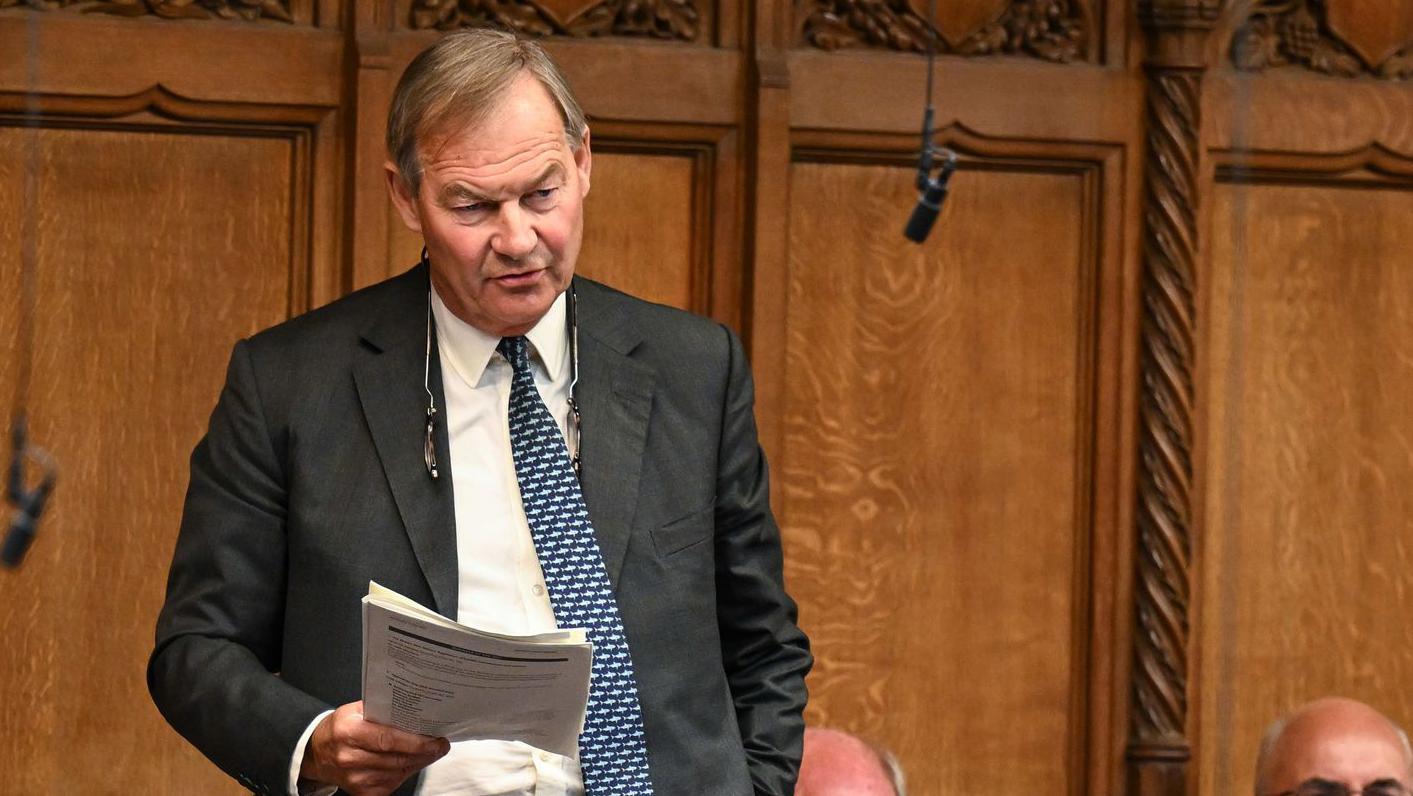
The inquiry, led by MP Rupert Lowe and funded through public donations, began hearings this week and is scheduled to take evidence over a two-week period. Organisers say the inquiry was established in response to frustration over what they describe as repeated delays, limited accountability, and inconsistent prosecution outcomes across multiple regions.
Survivors and advocacy organisations providing testimony have argued that systemic gaps in policing, social services, and local government allowed exploitation networks to operate for extended periods. They also claim that victims and families were frequently dismissed, while investigative responses were inconsistent or incomplete.
The hearings have quickly attracted national attention due to emotional testimony, controversial claims about offender profiles, and renewed calls for a broader state-backed inquiry with stronger legal authority.
Background Context
The UK has faced multiple high-profile cases over the past two decades involving organised child sexual exploitation. Several investigations have resulted in convictions, while major reviews have criticised institutional shortcomings including inadequate reporting systems, insufficient inter-agency coordination, and failures to prioritise vulnerable victims.
Past inquiries, including government-commissioned reviews, have acknowledged that some local authorities and police forces struggled to respond effectively. Critics have long argued that the national response has been fragmented, with uneven accountability between regions.
In recent years, political pressure has increased for greater transparency on how cases were handled, why warnings were missed, and whether safeguarding agencies faced cultural or bureaucratic barriers to acting sooner.
What Changed
The new inquiry was launched as an independently organised process rather than a government commission. Organisers say it has been supported by approximately £600,000 in crowdfunding donations and is intended to provide a platform for survivors to testify publicly.
One of the most widely circulated testimonies came from survivor Fiona Goddard, who described her experience attempting to report abuse and alleged that responses from authorities were dismissive. She claimed that language concerns may have affected how incidents were recorded or treated by officials.
Advocacy figures appearing at the inquiry also argued that many victims were moved between locations and subjected to repeated abuse while institutions failed to intervene effectively. Some statements described the issue as widespread and called for renewed investigations into unresolved cases.
Strategic Motivations
Supporters of the inquiry argue that an independent process can apply pressure where formal mechanisms have been slow or politically constrained. They say the goal is not only to document abuse claims but to identify patterns of failure that could inform future safeguarding reforms.
However, analysts note that independent inquiries lack the formal legal powers of state-led investigations, including the ability to compel testimony or require disclosure of sensitive government records. This has led to questions over whether the inquiry’s findings will carry enforceable weight, even if public attention remains high.
The inquiry also reflects a broader political trend in the UK, where public distrust in institutional accountability has grown, leading to calls for alternative oversight mechanisms outside traditional government channels.
Economic and Legal Implications
While the inquiry is focused on criminal abuse allegations, its implications extend into legal and administrative reform. Survivor testimony and advocacy claims may increase pressure for additional funding for child protection services, specialist policing units, and long-term victim support programs.
Legal experts have noted that renewed scrutiny could lead to additional private prosecutions or reopening of older cases, though such efforts depend heavily on evidence preservation and prosecutorial capacity.
The inquiry may also increase pressure on local councils and police forces to release more information about historic case handling, though confidentiality laws and ongoing investigations could limit disclosure.
Controversy Over Public Discourse
The hearings have also intersected with a broader public debate over how the issue is discussed in media and politics. Some testimony and commentary have included claims regarding offender demographics, which have sparked controversy.
Safeguarding experts warn that public discussion must avoid broad generalisations that could inflame community tensions or reduce focus on the central policy issue: how institutions identify, investigate, and stop organised abuse regardless of the perpetrators’ background.
Separately, a radio clip involving a political figure drew criticism after remarks were interpreted by survivors as dismissive. Survivor representatives have called for public apologies and more serious engagement with the long-term psychological and legal impact on victims.
Broader International Context

The UK’s handling of organised child exploitation cases has been closely watched internationally, particularly by countries examining how policing systems manage multi-agency safeguarding failures.
Experts note that many democracies face similar challenges: coordinating social services, law enforcement, and local authorities while maintaining trust across diverse communities. The UK debate has become a reference point for how political sensitivities and institutional caution can affect investigative decision-making.
Forward-Looking Analysis
As the inquiry continues, the central political question is whether Parliament will face renewed pressure to establish a formal national inquiry with full statutory powers. Such a move could provide stronger access to records and compel testimony from officials involved in past decision-making.
At the same time, policymakers may face competing pressures: responding to public anger while ensuring that debate remains evidence-based and does not fuel harmful generalisations.
For survivors, the immediate priority remains accountability and the reopening of unresolved cases. For the government, the longer-term challenge is institutional reform—ensuring that safeguarding systems act decisively, coordinate effectively, and treat victims as credible from the outset.
The outcome of the inquiry may ultimately depend not only on testimony, but on whether its findings translate into formal action, prosecutions, and structural reforms capable of preventing similar failures in the future.







Related Posts

Reform UK is on top, but a brand-new rival has appeared out of nowhere to snatch the crown!.3232
The latest YouGov poll just dropped and it’s absolute CHAOS! 📉 Reform UK is on top, but a brand-new rival has appeared out of nowhere to snatch…

Débat sous tension : Sarah Knafo laisse les journalistes sans réponse en direct – mycay
Sarah Knafo a humilié la télévision publique en direct ! Elle a révélé la vérité cachée sur la gouvernance parisienne et a laissé les journalistes sans voix….

ROLLS-ROYCE OFFERS CANADA GRIPEN ENGINE DEAL, CHALLENGING F-35 DOMINANCE – xhs7
ROLLS-ROYCE OFFERS CANADA GRIPEN ENGINE DEAL, CHALLENGING F-35 DOMINANCE OTTAWA — On a frozen Arctic runway where temperatures plunged to 50 degrees below zero, a sleek Swedish Gripen…

NATO Faces Deepening Strains as Trump Criticizes Allies Over Iran Conflict. xamxam
NATO Faces Deepening Strains as Trump Criticizes Allies Over Iran Conflict European Reluctance to Join U.S. Military Action Highlights Alliance Tensions BRUSSELS — The North Atlantic Treaty…

Starmer Cracks Under Pressure During Explosive PMQs Clash – mikaymaidinh
A tense Prime Minister’s Questions erupted today as Sir Keir Starmer delivered a furious, table-thumping rebuttal to a Conservative MP’s accusation that he is a “high-tax” leader…

Rhetoric and Responsibility: Canada Draws a Firm Line After Trump’s Escalatory Warning – minhee
OTTAWA — A new wave of global concern has emerged following remarks by Donald Trump suggesting catastrophic destruction on a civilizational scale, language that has sparked immediate…