
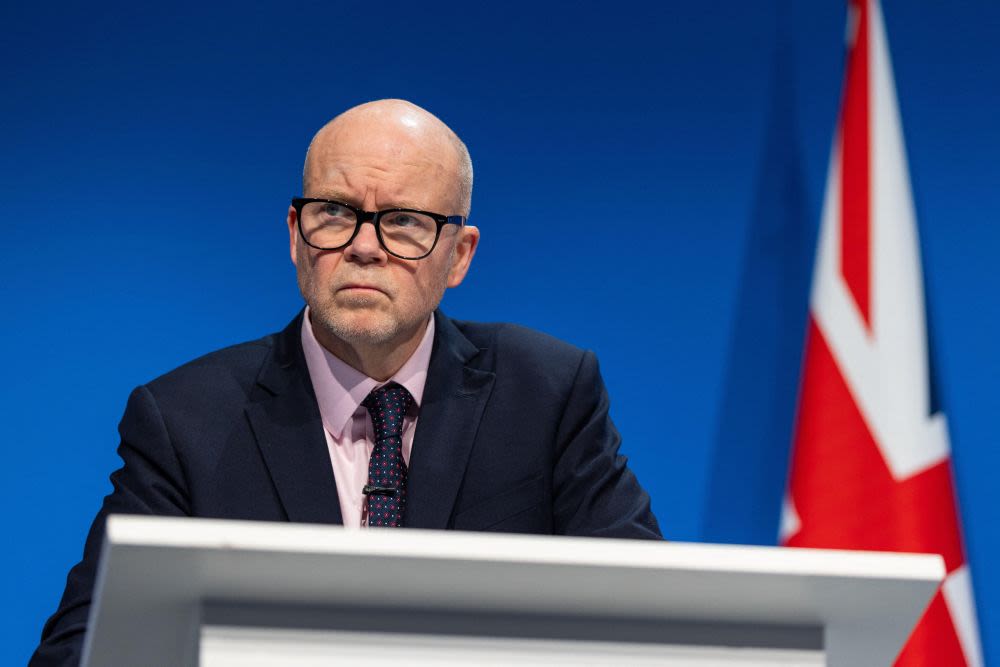
The United Kingdom’s Labour government has adopted an official definition of anti-Muslim hostility, prompting a judicial review application from the Free Speech Union led by Lord Toby Young. The organisation has placed the government on notice, requesting a pause in the rollout of the definition pending court proceedings. The definition, drawn from the All-Party Parliamentary Group on British Muslims and endorsed by various public institutions, is not a statutory law but is intended for use by government departments, local councils, and potentially private sector employers.
Proponents describe the definition as a tool to identify and address prejudice against Muslims, similar to frameworks used for other forms of discrimination. It characterises anti-Muslim hostility as “rooted in racism” and includes examples such as negative stereotyping, dehumanisation, and attributing negative traits to Muslims as a group. The guidance aims to foster better understanding and responses within public services, particularly in areas like policing, education, and employment.
Critics, including the Free Speech Union and commentators associated with outlets such as Spiked Online, contend that the wording is overly broad and vague. Phrases referring to “negative and prejudicial stereotyping of Muslims” could, they argue, be interpreted to encompass legitimate commentary on aspects of Islamic doctrine, Islamist political movements, or patterns of integration challenges within certain communities. They point to historical cases where concerns about cultural practices or crime patterns were allegedly downplayed due to fears of appearing discriminatory, citing the long-delayed recognition of grooming gang scandals in towns such as Rotherham and Rochdale.
In those investigations, official reports and inquiries found that fears of being labelled racist contributed to institutional reluctance to act decisively. Critics of the new definition suggest it risks replicating similar dynamics by creating an additional layer of caution around discussions of Islamism, radicalisation, or demographic shifts linked to migration. They maintain that while overt hatred or incitement must be condemned and addressed through existing laws, administrative definitions should not inadvertently chill policy-relevant debate.
The government has maintained that the definition is non-binding and designed to promote fairness rather than impose censorship. Officials emphasise that it complements existing hate crime legislation and equality duties under the Equality Act 2010. Adoption by public bodies is encouraged but not mandated by statute, though social and professional expectations may lead to widespread uptake. This approach mirrors the use of other non-statutory guidance, such as diversity frameworks or acknowledgements of traditional land rights in other jurisdictions, where voluntary compliance becomes de facto standard.

The Free Speech Union argues that the definition’s implementation could result in significant consequences, including job losses or disciplinary actions for individuals whose statements are deemed to breach the guidance. They describe the process as a de facto reintroduction of restrictions on speech, drawing parallels to repealed blasphemy laws abolished in England and Wales in 2008. The union has framed the challenge as a defence of free expression, asserting that robust discussion of religious extremism and cultural integration is essential for social cohesion.
Recent public events have intensified the debate. Large pro-Palestinian demonstrations, including those marking Al-Quds Day, have featured strong rhetoric against Israel and Western policies, with some participants displaying placards or chants interpreted by critics as crossing into sectarian hostility. Police have made arrests for public order offences during such gatherings, and journalists reporting from the scenes have reported instances of intimidation. These events, occurring against the backdrop of ongoing Middle East conflicts, have highlighted divisions within British society over foreign policy alignments and domestic values.
Reform UK and other voices critical of current migration and integration policies have seized on the definition as evidence of misplaced priorities. They argue that resources and institutional focus should address Islamist extremism and failures in community cohesion rather than expanding definitions that might constrain criticism. The party has called for stronger enforcement of existing laws against hate speech and incitement while preserving space for open debate on cultural and religious matters.
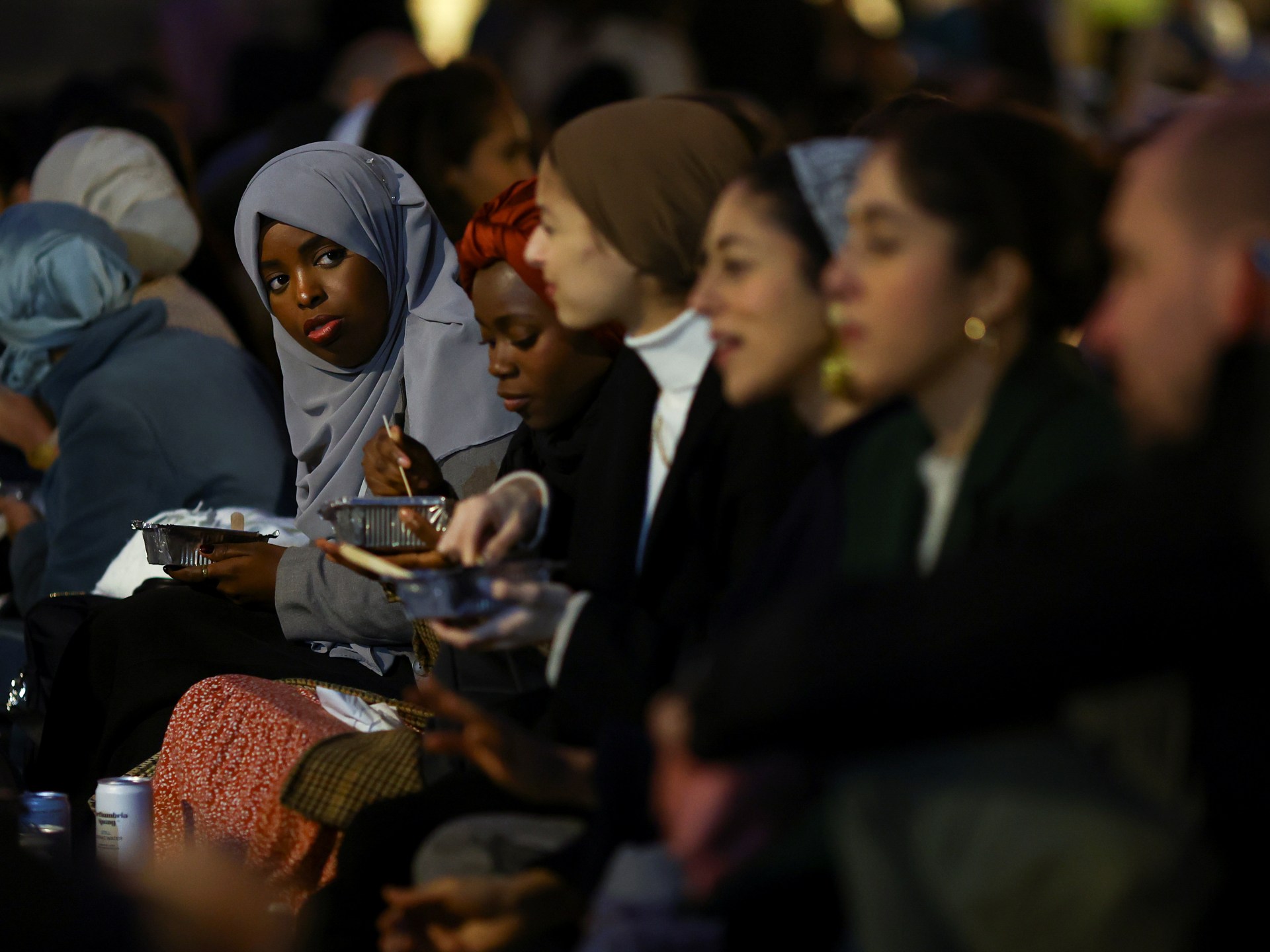
Public opinion on the definition remains mixed. Surveys indicate broad support for measures combating anti-Muslim prejudice, particularly in the wake of rising incidents reported by Muslim organisations. At the same time, significant portions of the population express concern over free speech restrictions, with many viewing administrative guidance as a potential vehicle for indirect censorship. Academic and legal experts have weighed in, noting that while the definition lacks the force of law, its influence on institutional behaviour could create practical barriers to expression.
The judicial review application will test whether the adoption process complied with public law principles, including consultation requirements and proportionality. Courts have previously examined similar non-statutory guidance, assessing whether it oversteps executive authority or infringes fundamental rights. Outcomes could clarify the boundaries between protective frameworks and speech limitations in a pluralistic democracy.
Broader context includes ongoing tensions around multiculturalism in Britain. Post-7 October 2023 events have seen increased scrutiny of integration challenges, with government reviews examining extremism in educational and community settings. The definition arrives amid these discussions, raising questions about how society balances protections for minority groups with the need for candid examination of societal issues.
Supporters of the definition stress its role in fostering inclusive public services and reducing discrimination. They point to evidence of anti-Muslim bias in employment, housing, and policing as justification for clearer guidance. Critics counter that vague language risks overreach, potentially deterring whistleblowers or researchers from addressing sensitive topics such as radicalisation pathways or cultural attitudes toward gender and sexuality.
As the legal challenge proceeds, attention will focus on whether the definition withstands scrutiny or requires refinement. The case underscores persistent questions in liberal democracies about managing hate, prejudice, and free expression in increasingly diverse societies. Whatever the judicial outcome, the debate reflects deeper anxieties about identity, cohesion, and the limits of administrative power in shaping public discourse.
The Free Speech Union has vowed to pursue the matter vigorously, viewing it as a pivotal test for free expression under the current administration. Government responses have so far emphasised the definition’s non-coercive nature, though implementation details will likely shape its real-world impact. As Britain navigates these issues, the balance between safeguarding vulnerable groups and preserving open debate remains a central policy challenge.






Related Posts
SICHERHEITSDEBATTE IN EUROPA: Niederlande gehen voran – Deutschland ringt um den richtigen Kurs. xamxam
Ein Beschluss sorgt für AufmerksamkeitEine politische Entscheidung aus Den Haag sorgt derzeit europaweit für Diskussionen. Das niederländische Parlament hat Maßnahmen gegen extremistische Strukturen beschlossen – ein Schritt,…

🔥 ÚLTIMA HORA: Letizia Ortiz pierde el control tras la impactante revelación de Leonor de Borbón ante Felipe VI — crisis familiar, hospitalización y secretos que sacuden a la Casa Real.9999
Las recientes afirmaciones que circulan sobre Letizia Ortiz, Princesa Leonor y Felipe VI han generado una fuerte reacción pública, pero hasta el momento no existe confirmación oficial…

UN ÉCHANGE TENDU ENTRE MONSTIERS ET CHARLES ALLONCLE FAIT RÉAGIR. CANLEN
Le débat autour de la commission d’enquête sur l’audiovisuel public continue de susciter de vives réactions en France. Après six mois d’auditions, le travail mené sous la…
SPD stürzt auf 8 Prozent Stammwählerschaft ab – Unionsfraktion fordert Absenkung der CO₂-Steuer. phunhoang
Die SPD steht vor einem dramatischen Einbruch. Die neueste INSA-Potenzialanalyse sieht die Partei nur noch bei 8 Prozent harter Stammwählerschaft. Das Potenzial, also der feste Kern an…

Parliamentary Concerns Raised Over Migration Data Transparency and Public Safety – minhee
A recent intervention in the UK Parliament has raised significant concerns regarding the transparency of migration data, public safety, and the handling of foreign national offenders by…
Orbán kündigt Aufkündigung aller EU-Verträge an – Schock in Brüssel. phunhoang
Ungarns Ministerpräsident Viktor Orbán hat im ungarischen Parlament die Aufkündigung aller EU-Verträge erklärt. In einer historischen Rede sprach er von einem unwiderruflichen Schritt, der Ungarn aus der…