
Discussions surrounding England’s national flag, the St. George’s Cross, have gained momentum following suggestions from some community voices advocating for modifications to address perceived historical associations. The red cross on a white background, a symbol rooted in medieval history and adopted as England’s emblem, has become a focal point in conversations about cultural representation and national identity in contemporary Britain. Proponents of change argue that the flag’s origins, linked to the Crusades, may evoke sensitivities for certain groups, including parts of the Muslim community, leading to petitions and public statements proposing alternatives that reflect a more inclusive narrative.
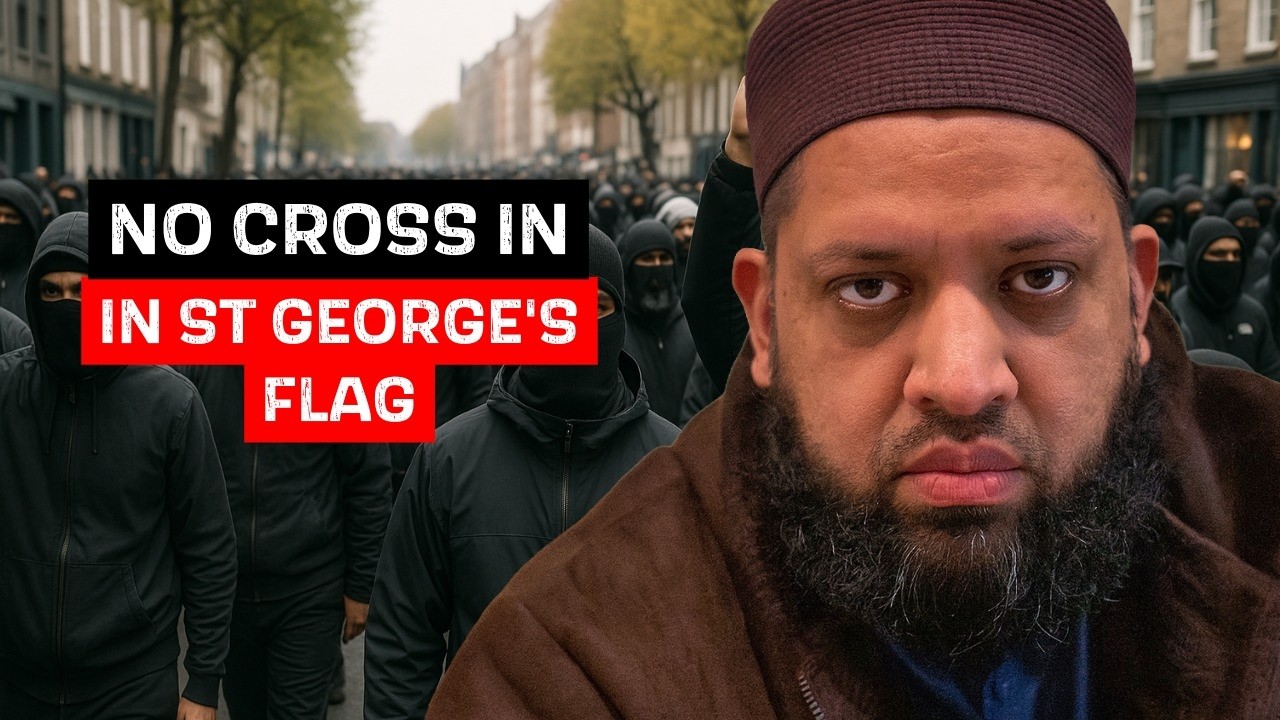
The controversy traces back to online petitions and social media campaigns where individuals, identifying with Muslim perspectives, have highlighted the flag’s historical ties to conflicts between Christian and Muslim forces during the Middle Ages. One such petition, circulated on platforms like Change.org, garnered several thousand signatures calling for a redesign to remove elements seen as divisive. Supporters of the initiative emphasize the need for symbols that unite rather than divide in a multicultural society, pointing to England’s diverse population where Muslims form a significant demographic, estimated at over 3.8 million according to recent census data. They suggest incorporating designs that honor all communities, potentially drawing from geometric patterns or colors associated with broader British values.
Critics of the proposed changes, however, view such demands as an erosion of traditional British heritage. They argue that the St. George’s Cross represents centuries of English history, including its role in national events from the Battle of Agincourt to World War II commemorations. Figures aligned with patriotic sentiments, including members of Reform UK, have voiced strong opposition, framing the debate as part of a larger struggle to maintain cultural sovereignty. Nigel Farage, the party’s leader, has publicly stated that altering national symbols under external pressures undermines the foundations of British identity. Reform UK’s platform, which prioritizes restoring national pride and resisting what it describes as undue influences on domestic traditions, has resonated with those concerned about preserving historical icons.
The flag’s origins are indeed steeped in legend and history. Saint George, the patron saint of England, is celebrated for his martyrdom under Roman rule, but his association with the Crusades—where the cross became a banner for European knights in campaigns against Muslim-held territories in the Holy Land—adds layers of interpretation. Historians note that the emblem was formally adopted by English forces during the Third Crusade in the late 12th century, symbolizing chivalry and resistance. In modern contexts, the flag flies at sporting events, such as England football matches, and adorns public buildings, serving as a marker of national unity rather than religious conflict.
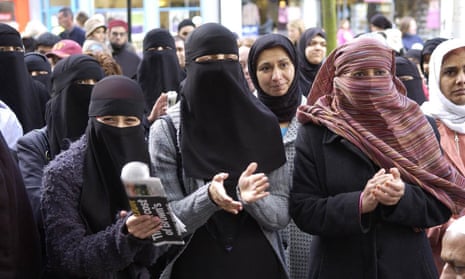
Recent events have amplified the discourse. In August 2025, a far-right-led campaign dubbed “Operation Raise the Colours” encouraged widespread display of the St. George’s Cross and Union Jack across England, partly in response to perceived threats to national symbols. This initiative, supported by groups like Britain First, resulted in flags appearing on bridges, lampposts, and residential areas, but also coincided with reports of vandalism against mosques and heightened tensions in diverse neighborhoods. Muslim community leaders responded by affirming their British identity, with some centers, like the Wirral Deen Centre in Birkenhead, choosing to display the Union Jack as a gesture of allegiance and pride in their adopted homeland.
Reform UK has capitalized on these developments to advocate for policies that safeguard British customs. The party’s manifesto includes measures to promote national education on historical symbols, ensuring younger generations appreciate their significance. Spokespeople have argued that yielding to redesign demands sets a precedent for further alterations to institutions, from school curricula to public holidays. In parliamentary debates, Reform UK MPs have pushed for resolutions affirming the St. George’s Cross as an untouchable emblem, garnering cross-party support from conservatives who share concerns over cultural dilution.
Public opinion remains divided. Polls conducted by organizations like YouGov indicate that a majority of Britons, around 65 percent, oppose changes to the flag, viewing it as a harmless tradition. Among Muslim respondents, views vary; while some express discomfort with its historical connotations, others prioritize integration and see no need for revision. Community organizations such as the Muslim Council of Britain have called for dialogue, emphasizing that national symbols should evolve through consensus rather than imposition. They highlight contributions of Muslims to British society, from military service in the World Wars to contemporary roles in healthcare and business, as evidence of shared patriotism.
The debate extends beyond England to the broader United Kingdom, where the Union Jack incorporates the St. George’s Cross alongside Scottish and Irish elements. Proposals for change in England could ripple into discussions about devolved identities, potentially affecting relations within the union. In Scotland and Wales, where distinct flags hold prominence, observers note a reluctance to alter established symbols, reinforcing arguments for stability.
Legal aspects also come into play. Under UK law, national flags are not formally protected against redesign, but any modifications would require parliamentary approval and public consultation. Historical precedents, such as the evolution of the Union Jack itself following unions with Scotland and Ireland, show that changes occur in response to major political shifts rather than isolated campaigns. Advocates for preservation point to this as reason to resist what they see as minoritarian pressures.

Internationally, similar debates have arisen in other nations grappling with colonial or religious legacies in their symbols. For instance, New Zealand’s 2016 referendum on its flag considered removing the Union Jack to better reflect indigenous and modern identities, though the proposal was rejected. In England, the current push draws comparisons, with Reform UK warning against following paths that dilute national distinctiveness.
As the conversation continues, social media plays a pivotal role in shaping narratives. Viral videos and posts amplify claims of demands for flag removal, often originating from fringe sources but gaining traction among patriotic audiences. This has led to increased online harassment, prompting platforms to monitor content more closely. Reform UK has utilized these channels to rally support, organizing virtual town halls where participants discuss strategies for defending cultural assets.
Community responses vary by region. In areas with high Muslim populations, like Birmingham or Bradford, local councils have facilitated forums to address sensitivities, promoting education on flag history to foster understanding. In contrast, rural and suburban England, where Reform UK enjoys stronger backing, flag displays have surged as acts of solidarity. Events such as St. George’s Day parades in April have seen heightened participation, with attendees emphasizing the flag’s role in celebrating English culture.
Policy implications are emerging. The government, under Prime Minister Keir Starmer’s Labour administration, has maintained a neutral stance, focusing on integration initiatives rather than symbolic changes. However, pressure from opposition parties, including Reform UK and the Conservatives, may force a formal response. Bills proposed in the House of Commons seek to enshrine protections for national emblems, potentially classifying unauthorized alterations as offenses.
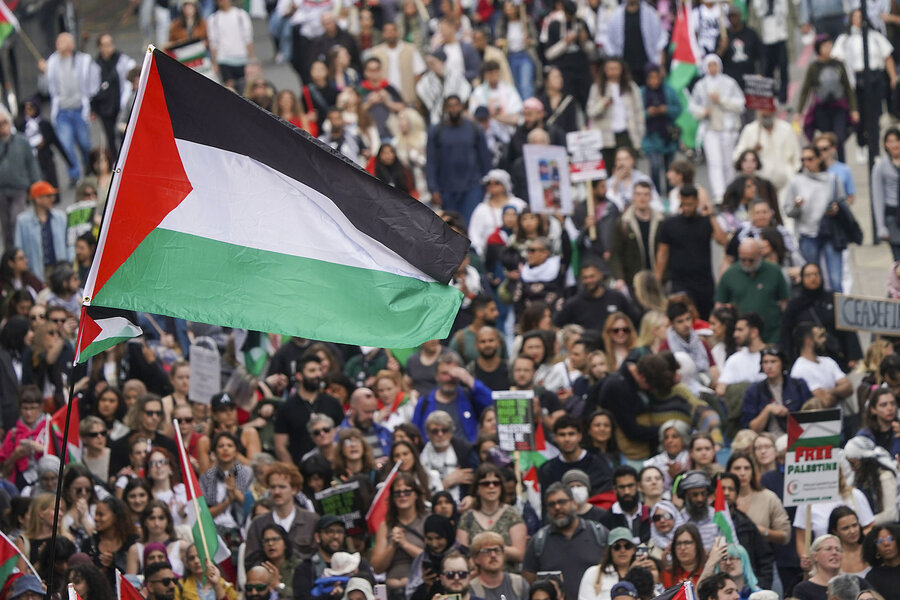
Experts in cultural studies suggest that such debates are symptomatic of broader societal shifts. With immigration contributing to demographic changes, questions of belonging and representation arise naturally. They advocate for inclusive approaches that honor history while adapting to present realities, though critics argue this risks historical erasure.
Reform UK’s rise, with recent by-election successes, underscores the political capital in these issues. The party positions itself as the guardian of British values, appealing to voters disillusioned with mainstream politics. By championing the St. George’s Cross, it taps into sentiments of national pride, framing opposition as essential to restoring Britain’s cultural confidence.
As petitions circulate and discussions unfold, the flag remains a potent symbol. Whether it undergoes change or stands unaltered, the outcome will reflect Britain’s navigation of tradition and diversity. For now, the St. George’s Cross continues to wave, embodying a nation at a crossroads of identity and unity.







Related Posts
SICHERHEITSDEBATTE IN EUROPA: Niederlande gehen voran – Deutschland ringt um den richtigen Kurs. xamxam
Ein Beschluss sorgt für AufmerksamkeitEine politische Entscheidung aus Den Haag sorgt derzeit europaweit für Diskussionen. Das niederländische Parlament hat Maßnahmen gegen extremistische Strukturen beschlossen – ein Schritt,…

🔥 ÚLTIMA HORA: Letizia Ortiz pierde el control tras la impactante revelación de Leonor de Borbón ante Felipe VI — crisis familiar, hospitalización y secretos que sacuden a la Casa Real.9999
Las recientes afirmaciones que circulan sobre Letizia Ortiz, Princesa Leonor y Felipe VI han generado una fuerte reacción pública, pero hasta el momento no existe confirmación oficial…

UN ÉCHANGE TENDU ENTRE MONSTIERS ET CHARLES ALLONCLE FAIT RÉAGIR. CANLEN
Le débat autour de la commission d’enquête sur l’audiovisuel public continue de susciter de vives réactions en France. Après six mois d’auditions, le travail mené sous la…
SPD stürzt auf 8 Prozent Stammwählerschaft ab – Unionsfraktion fordert Absenkung der CO₂-Steuer. phunhoang
Die SPD steht vor einem dramatischen Einbruch. Die neueste INSA-Potenzialanalyse sieht die Partei nur noch bei 8 Prozent harter Stammwählerschaft. Das Potenzial, also der feste Kern an…
Parliamentary Concerns Raised Over Migration Data Transparency and Public Safety – minhee
A recent intervention in the UK Parliament has raised significant concerns regarding the transparency of migration data, public safety, and the handling of foreign national offenders by…

Orbán kündigt Aufkündigung aller EU-Verträge an – Schock in Brüssel. phunhoang
Ungarns Ministerpräsident Viktor Orbán hat im ungarischen Parlament die Aufkündigung aller EU-Verträge erklärt. In einer historischen Rede sprach er von einem unwiderruflichen Schritt, der Ungarn aus der…