
A Nigerian national was taken into custody by UK Border Force officers after being stopped during standard immigration procedures at a UK port of entry. Officers reported discovering a South African passport containing the individual’s photograph but issued in the name of Patrick Agbo, which they assessed as not genuine.
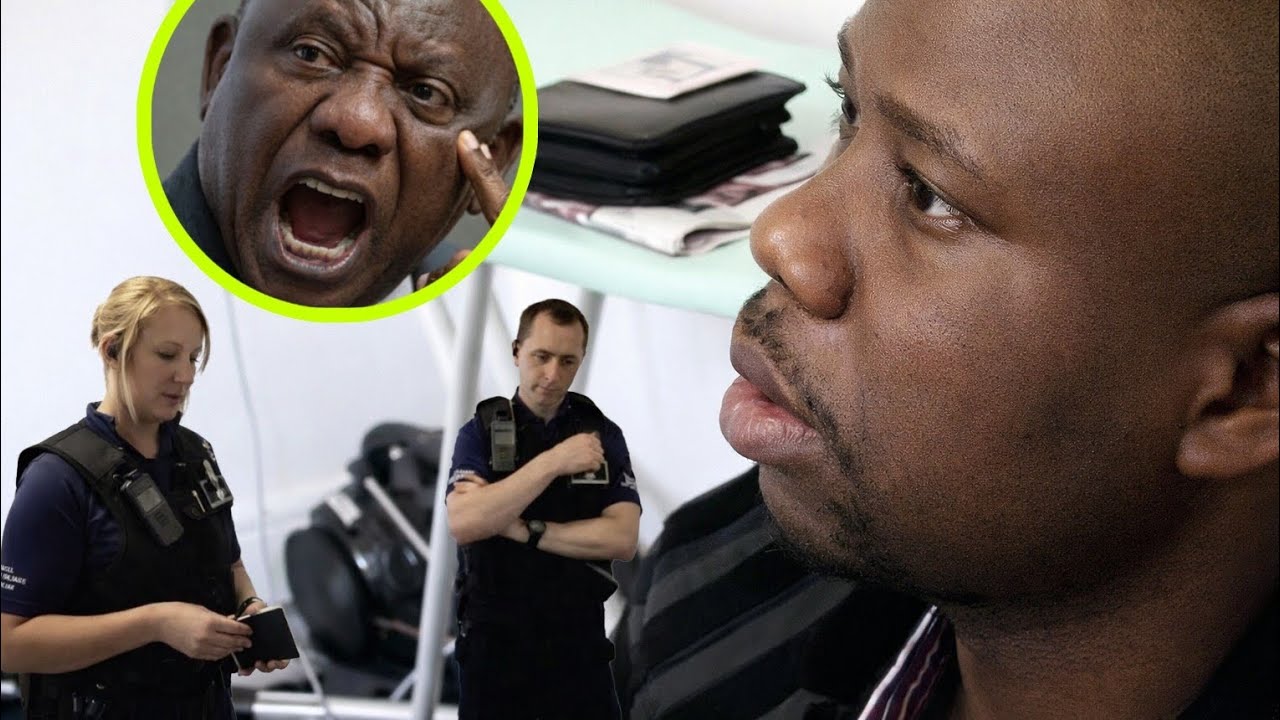
The man, who acknowledged his Nigerian background during questioning, denied ownership of the document and claimed the photograph did not belong to him. Border officials noted visible facial markings consistent between the individual and the passport image, leading to his formal arrest under caution.
This development occurs amid broader international discussions on migration management, document security, and cross-border identity verification. The United Kingdom maintains rigorous border protocols, incorporating biometric systems and manual inspections to identify irregularities in travel documents.
Authorities have initiated a full investigation to establish how the passport was acquired and whether it forms part of a wider pattern of fraudulent activity. Such cases often prompt reviews of existing screening methods and potential collaboration with foreign governments on document authentication.
The incident highlights the complexities faced by border agencies worldwide in distinguishing between legitimate travelers and those using altered or counterfeit identification. South African passports, like those from many nations, include advanced security features designed to prevent forgery, yet determined attempts continue to test these safeguards.
In the exchange recorded at the scene, the detained individual repeatedly stated that the passport was not his and that he had not signed it. Officers countered by pointing out the photographic match and other identifiers, underscoring the evidentiary role of visual and biometric consistency in such assessments.
UK immigration policy emphasizes the importance of accurate identity confirmation to uphold national security and manage migration flows effectively. Recent years have seen investments in technology to enhance detection capabilities, including facial recognition software and document scanning tools that cross-reference against international databases.
Experts in migration studies note that passport fraud can stem from various motivations, ranging from economic opportunities to evasion of prior immigration restrictions. However, each case is evaluated on its specific merits, with due process ensuring legal safeguards for the individuals concerned.
The involvement of a South African document in this instance may also reflect patterns observed in global document trafficking, where passports from certain countries are targeted due to their perceived travel advantages within visa waiver or visa-on-arrival frameworks.
South African authorities have not yet issued a public statement on the matter, but bilateral cooperation on identity fraud is common between the UK and South Africa, given historical and economic ties. Similar collaborations exist with Nigerian officials to address document misuse.
This event adds to a series of reported interceptions at UK borders, where officers routinely handle thousands of passenger screenings daily. While the vast majority proceed without issue, isolated cases like this serve as reminders of the persistent need for vigilance in an interconnected world.
Broader context includes ongoing debates in European and African capitals regarding migration routes, visa policies, and the role of technology in streamlining legitimate travel while deterring abuse. The UK, post-Brexit, has recalibrated its points-based immigration system, placing greater emphasis on skilled entry and strict enforcement against irregular movements.
Analysts suggest that public awareness of such incidents can influence policy discussions, particularly around resource allocation for border technology and international information-sharing agreements. Organizations like Interpol and the International Civil Aviation Organization continue to set global standards for passport security to mitigate risks.
From a legal perspective, charges related to the use of false documents can carry significant penalties under UK law, including fines and potential imprisonment, depending on the circumstances and intent established during proceedings. The individual remains in custody pending further inquiries.
Observers from human rights and migrant advocacy groups often stress the importance of fair treatment and transparent processes in border enforcement, ensuring that genuine asylum or visa claims are not overshadowed by enforcement actions.
At the same time, security-focused commentators argue that robust detection mechanisms protect the integrity of immigration systems and public confidence in border management. Balancing these priorities remains a key challenge for policymakers.
The case also touches on socioeconomic factors driving irregular migration attempts from various regions, including Nigeria, where youth unemployment and aspirations for better opportunities abroad play influential roles in individual decision-making.
International data from bodies such as the United Nations High Commissioner for Refugees and the International Organization for Migration indicate fluctuating trends in African-European migration corridors, influenced by economic conditions, conflict, and policy shifts in destination countries.
In response to evolving threats, the UK Border Force has expanded training programs for officers in fraud detection and cultural awareness, aiming to improve both accuracy and efficiency in high-volume environments.
This particular interception, though limited in scope, contributes to cumulative data that informs strategic adjustments in border operations. Future outcomes will depend on the depth of the ongoing investigation and any linkages uncovered to organized networks.
As details emerge, the incident is likely to feature in discussions on bilateral relations between the UK, Nigeria, and South Africa, particularly concerning consular cooperation and document integrity initiatives.
Ultimately, such events underscore the multifaceted nature of modern border security: a blend of technological innovation, human judgment, and international diplomacy working to facilitate safe and orderly movement while addressing potential vulnerabilities.
The full resolution of this matter will provide additional insights into the effectiveness of current protocols and areas warranting further attention in global mobility governance.







Related Posts

Scandale Sur Le Service Public : Patrick Sébastien Lâche Une Bombe Sur Les Pratiques De France Télévisions Et Les Marges De Nagui.T.F
Scandale Sur Le Service Public : Patrick Sébastien Lâche Une Bombe Sur Les Pratiques De France Télévisions Et Les Marges De Nagui L’univers feutré et souvent opaque…
Betrayal of the Elite: SAS Veterans and Top Generals Launch Fierce Rebellion Against Starmer’s “Show Trials” – mycay
The bond between the British Crown and its most elite warriors is facing an unprecedented rupture. In a move that has sparked fury across the military establishment,…

🚨 Mark Carney SHUTS DOWN Trump’s “America First” Agenda LIVE 🇨🇦🇺🇸 — A Dramatic Clash That Turns Into One of the Biggest Political Backfires of 2026!!! 😳🔥chitam
The Resurgent North: How Trump’s Pressure Campaign Built a Canadian Majority OTTAWA — For the better part of a year, the political oxygen in the Canadian capital…

The 9-Minute Reset: How Mark Carney’s “Arctic Clause” Outmaneuvered Washington-liplip
At 9:41 a.m. Eastern time, the world of international finance shifted on its axis, not with a bang, but with a measured, nine-minute address from Ottawa. Standing…

„Die deutsche Politik kann alles von Milei lernen“ – Energieexperte Fritz Vahrenholt und Ulrich Reitz rechnen mit der Bundesregierung ab. phunhoang
Berlin – Javier Milei hat Argentinien mit radikaler Marktwirtschaftspolitik in kürzester Zeit spürbar verändert. Zum ersten Mal seit 123 Jahren erzielt das Land einen Haushaltsüberschuss, die Armutsrate…

Diplomatischer Eklat in Budapest: Peter Magyar beleidigt Staatspräsident Tamás Sulyok und fordert dessen sofortigen Rücktritt. phunhoang
Budapest – Nur wenige Tage nach seinem Wahlsieg hat der designierte ungarische Ministerpräsident Peter Magyar für einen schweren diplomatischen Zwischenfall gesorgt. Bei einem offiziellen Besuch im Präsidentenpalast…