
The city that never sleeps fell eerily silent that early morning, a quiet so profound it seemed unnatural, broken only by the screams that would forever echo in the memories of neighbors and bystanders alike.
At approximately 4:00 a.m. on May 26, 2023, a small apartment in the Bronx became the site of a tragedy that no one could have anticipated, yet that, in retrospect, seems tragically predictable.
Inside those walls, six-year-old Jalayah Eason fought for her life, her terror and agony reverberating beyond the confines of her home, leaving invisible scars on those who heard her and the broader community that would soon be forced to confront an uncomfortable truth.
Outside, the streets carried on as usual, indifferent or perhaps helpless, passing by a home where a child’s suffering went unnoticed until it was too late.
Jalayah’s story is not only a chronicle of a young life cut brutally short.
It is also a stark illumination of systemic failures, missed warning signs, and the deep moral reckoning that arises when a society entrusted with the care of children fails utterly.
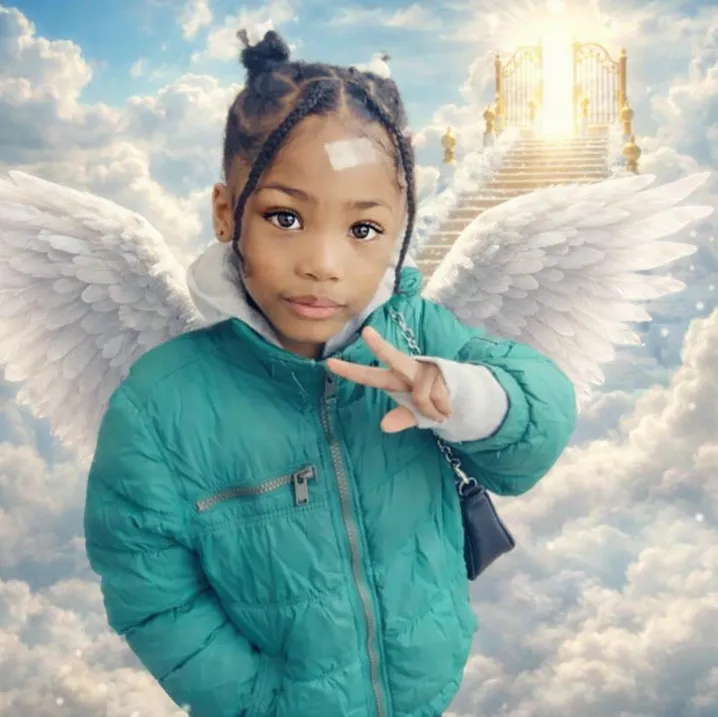
Born into a life that should have been filled with playgrounds, laughter, and bedtime stories, Jalayah instead lived in a cycle of abuse and neglect that escalated to the unimaginable.
According to prosecutors and court filings, she endured weeks, possibly months, of escalating mistreatment.
Her mother, Lynija Eason Kumar, was later charged with multiple serious crimes, including second-degree murder and endangering the welfare of a child.
The abuse inflicted on Jalayah was both severe and methodical, encompassing blunt-force trauma, malnourishment, and positional asphyxia, ultimately ending her young life far too soon.
Court documents describe a pattern of cruelty that is almost impossible to comprehend: repeated beatings with hard objects, moments where she was suspended by her wrists inside a closet, and punishments inflicted in a relentless, escalating sequence.

Jalayah’s tiny body bore marks that no child should ever endure—bruises across her wrists, chest, and torso, silent testimonies to the suffering witnessed by few and ignored by too many.
Neighbors recall the screams that pierced the early morning air, cries of desperation that could not have gone unnoticed.
Dennis Rivera, one resident, later recounted with lingering regret, “I went outside because I feared something terrible was happening. I should have called sooner. I should have done something.”
Tragically, intervention came too late for Jalayah, though the authorities did remove her younger siblings, ages three and eight, from the home after discovering signs of neglect and prior injuries.
This critical act, while necessary, was a belated attempt to prevent further tragedy—a tragedy that had already claimed Jalayah.

Her father, Ronald Branch, faced a battle not only for recognition of paternity but for justice and protection of his surviving children.
He fought to secure custody, navigating legal hurdles and systemic delays, a deeply personal struggle emblematic of the broader failings surrounding his daughter’s death.
Public outrage was immediate and visceral.
The New York City Administration for Children’s Services (ACS) faced intense scrutiny after reports revealed previous investigations into the household had been closed months prior, leaving Jalayah exposed despite warning signs.
The questions reverberating through the city were stark and unsettling: How many chances were missed before a six-year-old paid with her life?
How many reports of abuse, school absences, and warning signs went unheeded?
How many opportunities to act slipped through the cracks of a system meant to safeguard children?
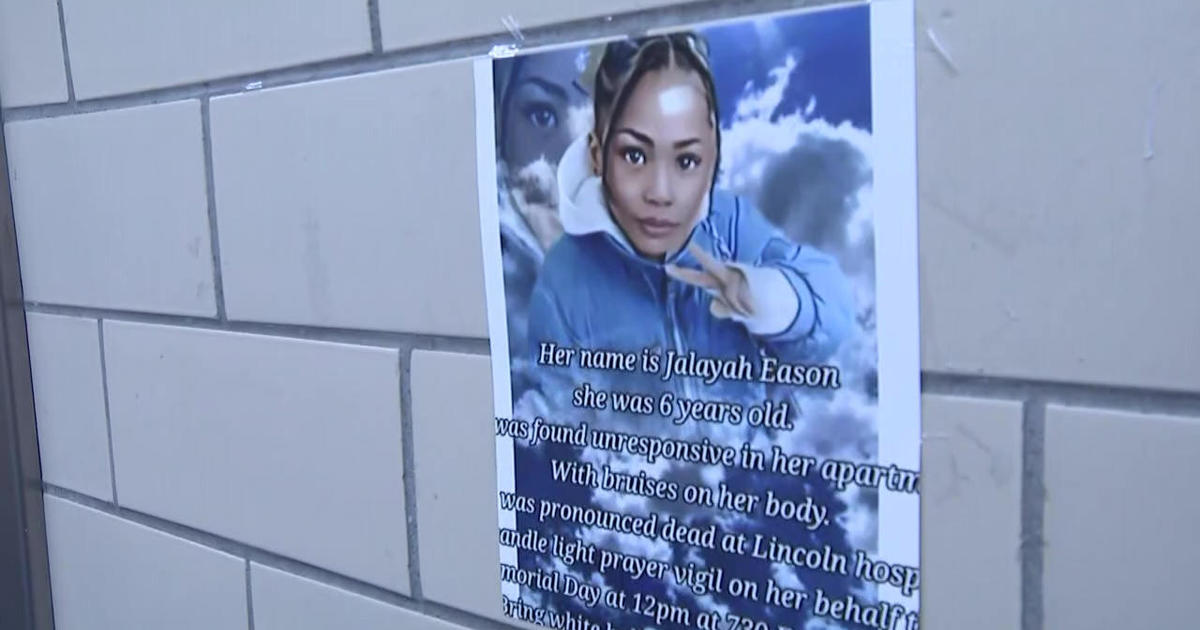
As legal proceedings advance, Lynija Eason Kumar remains in custody, awaiting trial, having pleaded not guilty to all charges including second-degree murder, manslaughter, and multiple counts of endangering the welfare of a child.
The courtroom will become a venue for confrontation, where evidence, testimony, and raw emotion will collide.
Yet no trial can restore Jalayah’s life or erase the profound loss experienced by those who loved her.
Beyond the legal proceedings, her death exposes broader societal implications.
It illuminates systemic lapses—investigations conducted but not followed through, cases closed prematurely, and a bureaucracy that failed to act decisively when a child’s life hung in the balance.

Neighbors and community members, haunted by the echoes of Jalayah’s screams, grapple with guilt and the lingering question of whether earlier action could have changed the outcome.
Fear, doubt, and helplessness delayed response, reflecting a collective failure to intervene despite clear signs of abuse.
Unfortunately, Jalayah’s story is not unique.
Across the nation, children suffer in silence, their cries unnoticed and their pain ignored.
Yet within this tragedy lies the imperative for reflection, reform, and action.
Her death underscores the urgent need for a renewed commitment to child welfare—manifested not only in protocols but in accountability, transparency, and community engagement.

Her surviving siblings now carry the weight of trauma, navigating the long, complex path toward healing.
Mental health professionals emphasize that safety alone is insufficient; emotional and psychological care is equally essential to help them recover from repeated exposure to abuse.
The trial of Lynija Eason Kumar serves as a platform not only for accountability but also for systemic scrutiny, shining light on decisions, actions, and negligence that culminated in a six-year-old’s death.
At its core, however, Jalayah’s story remains profoundly human.
It is about a child who should have been safe.
A child who deserved playgrounds, birthday parties, and whispered bedtime stories.
A child whose brief existence demanded love, protection, and care.

Communities are forced to confront uncomfortable questions: What more could have been done?
How do we ensure children are never left vulnerable again?
And how do neighbors, families, and institutions respond decisively when a child’s cries echo through the night?
Awareness alone is insufficient.
Reports, vigilance, and systems must be paired with timely action.
Advocacy, intervention, and responsive child welfare protocols are essential to prevent tragedies like Jalayah’s.
Her father continues to fight for justice and for the protection of her surviving siblings, embodying a universal truth: safeguarding children is a responsibility that transcends family, neighborhood, and bureaucracy.

Jalayah’s death is a mirror held up to society, reflecting the consequences of inaction and systemic failure.
It reminds us that laws and procedures, while necessary, are not enough without humanity, vigilance, and courage.
Though her life cannot be restored, Jalayah’s story can ignite change.
Through awareness, reform, and community action, perhaps future children will not endure what she did.
Perhaps neighbors will act immediately.
Perhaps systems will no longer overlook signs of abuse.
Jalayah Eason should be alive today.
Her laughter should still echo in her home.
Her presence should still fill the ordinary joys of daily life—school mornings, afternoon playdates, bedtime stories.

Instead, her story serves as a testament to the costs of systemic failure and the importance of vigilance.
Her death demands remembrance, justice, and reform.
It calls on neighbors, authorities, and society at large to examine where failures occurred and to prevent them in the future.
Jalayah’s life, brief though it was, offers lessons for all—about responsibility, compassion, and the cost of silence.
She is not a statistic.
She is a child whose life mattered.
Her story must be told.
Her voice, tragically silenced, continues to demand justice—not only for herself but for every child at risk.

Jalayah Eason’s story is a call to action, urging society to ensure that the horrors she endured never happen again.
Because a six-year-old’s life is too precious, too fragile, and too fleeting to be lost to neglect.
And because the echoes of her cries demand that meaningful change finally come.