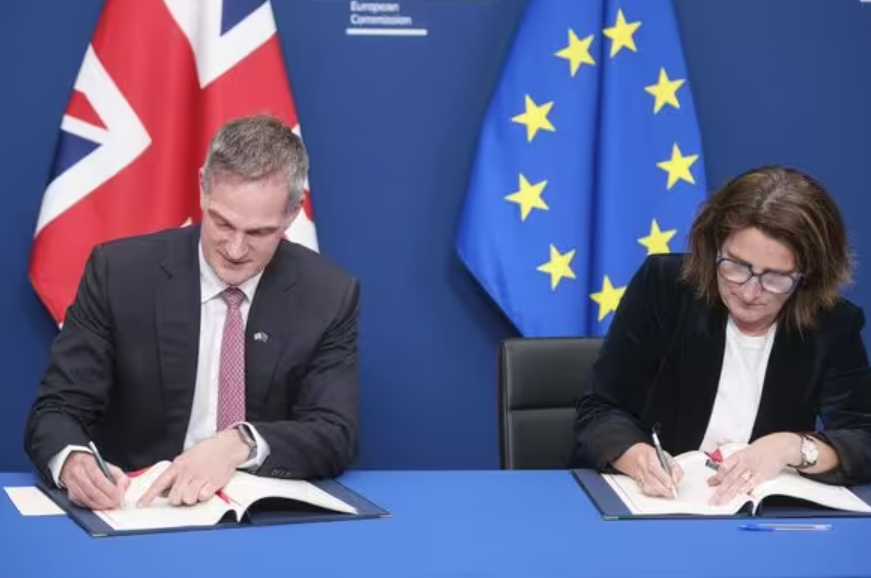
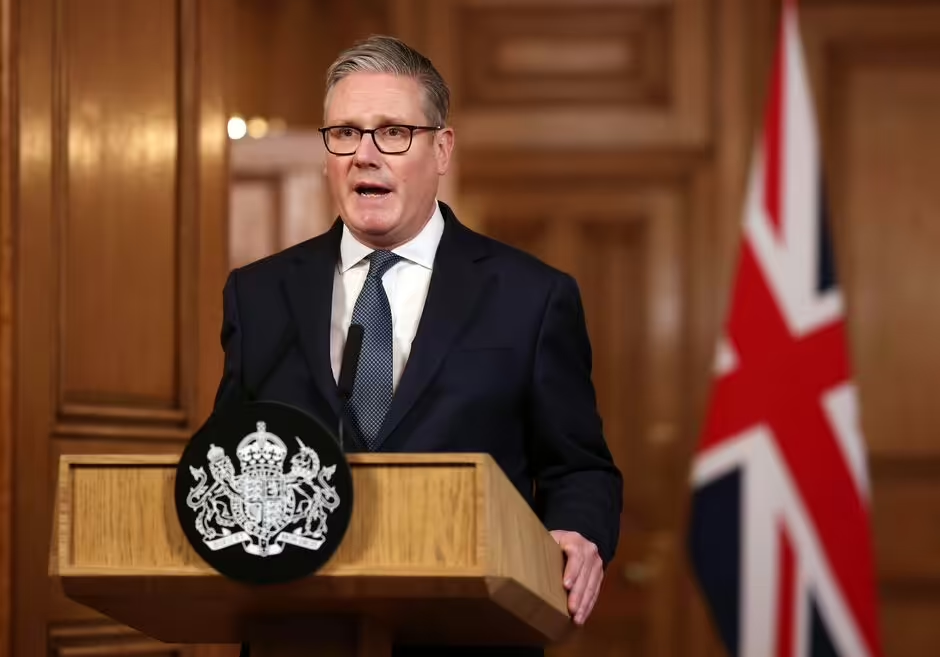
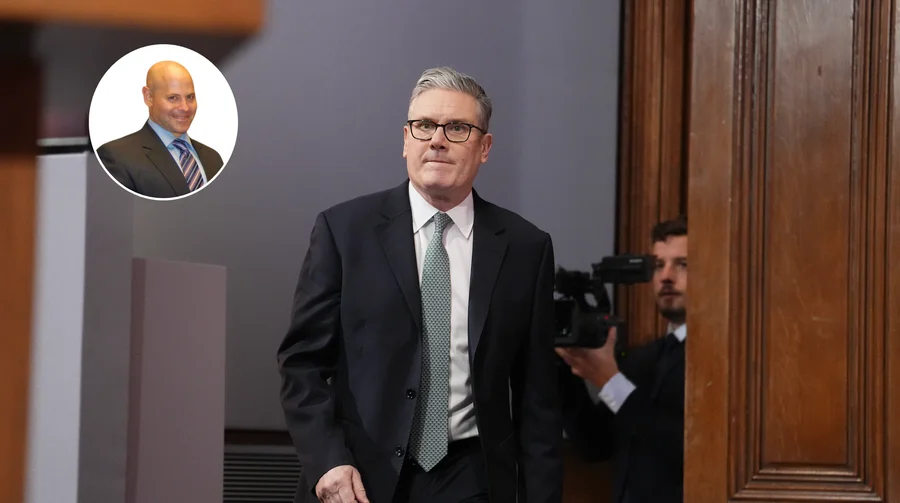
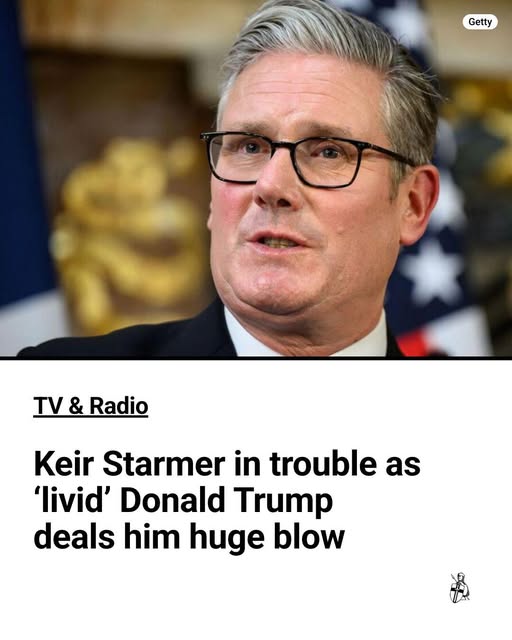
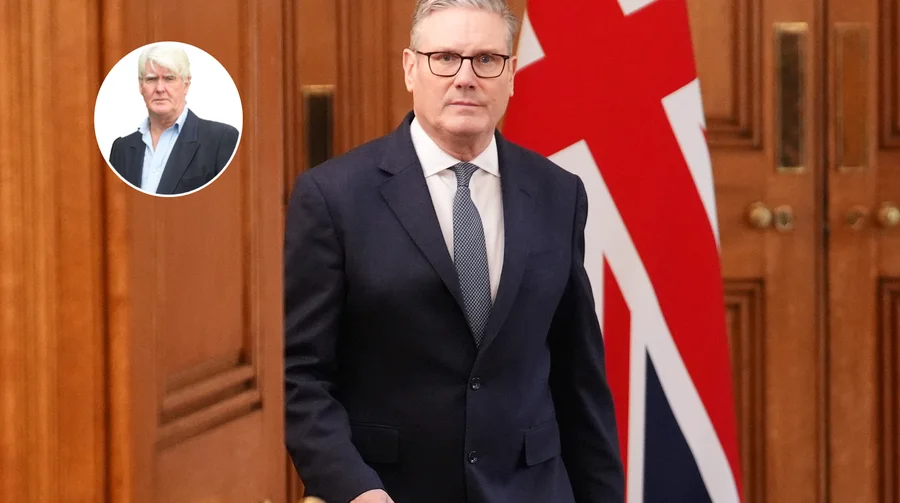
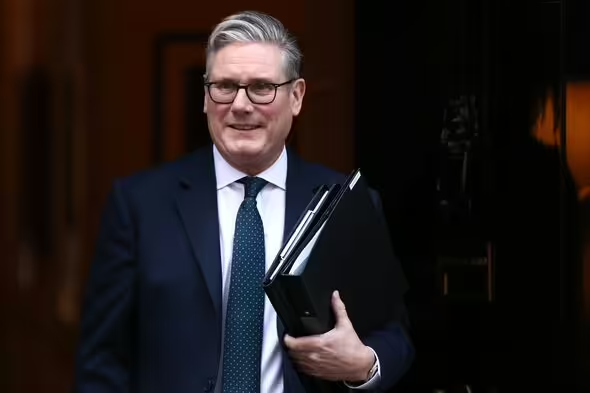
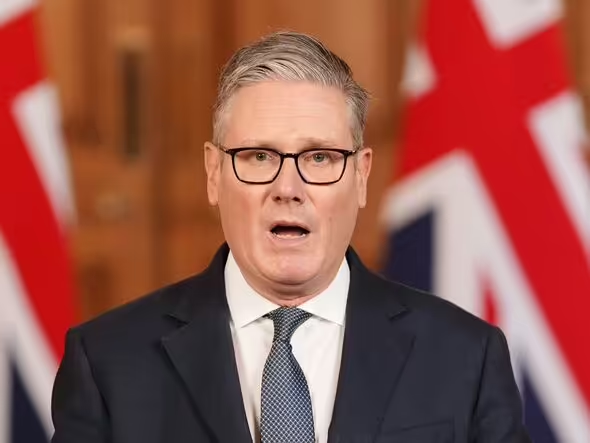
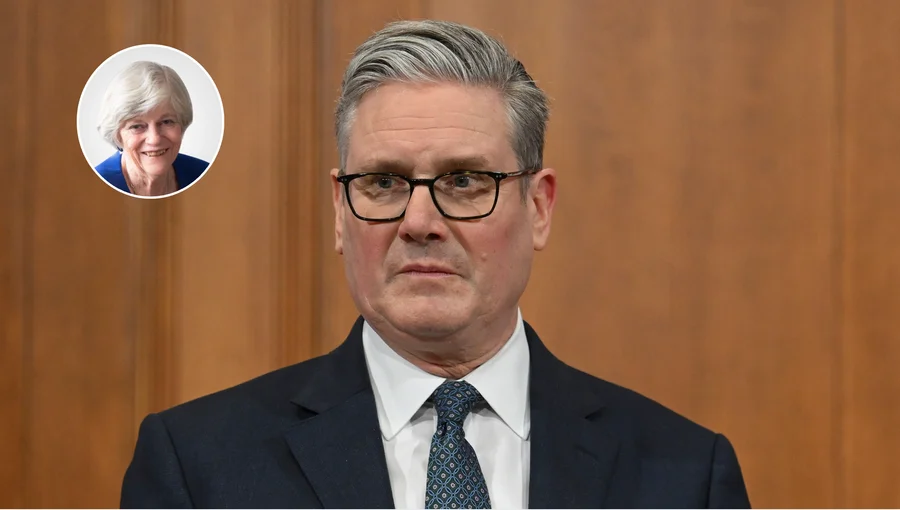
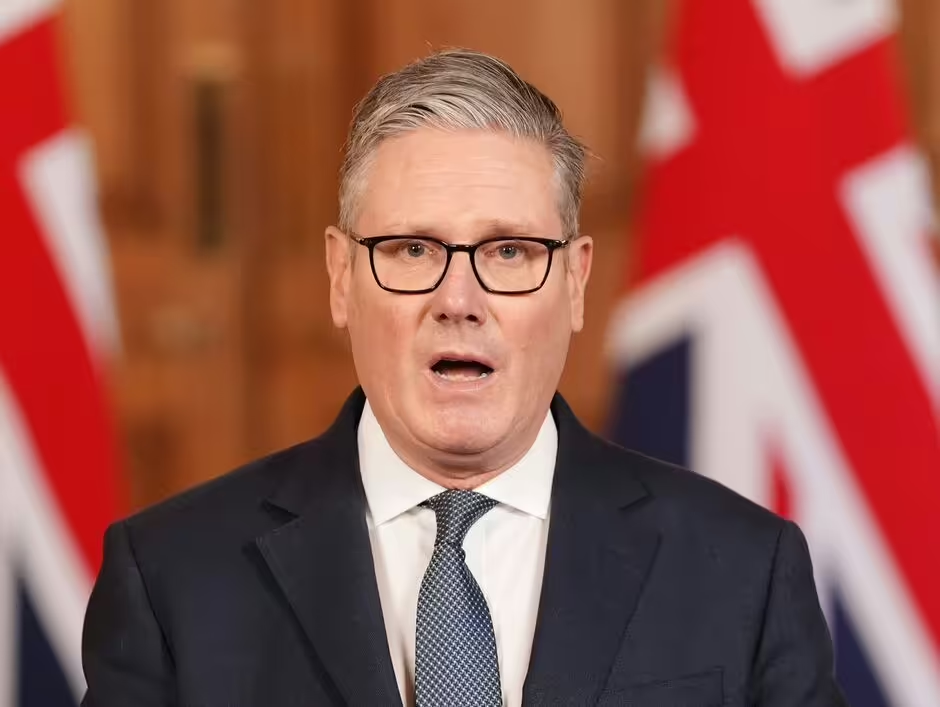
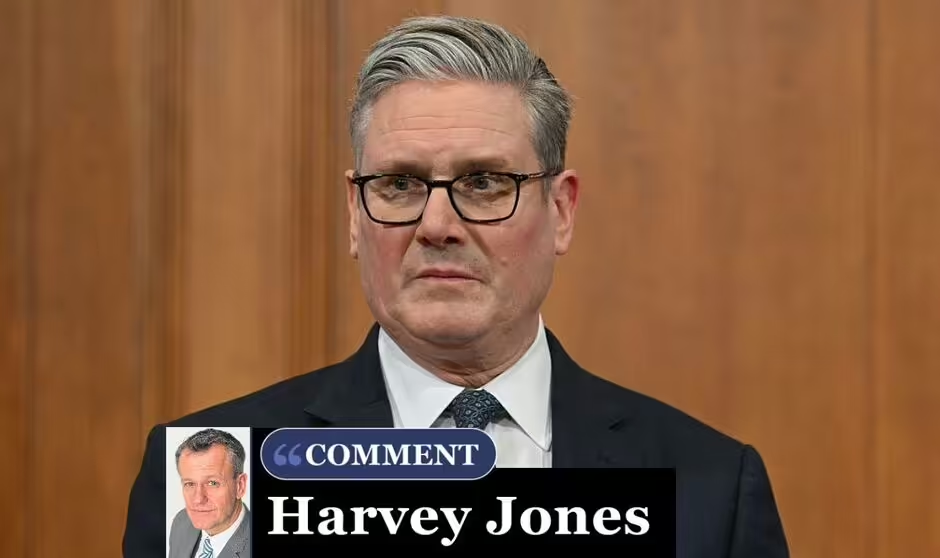
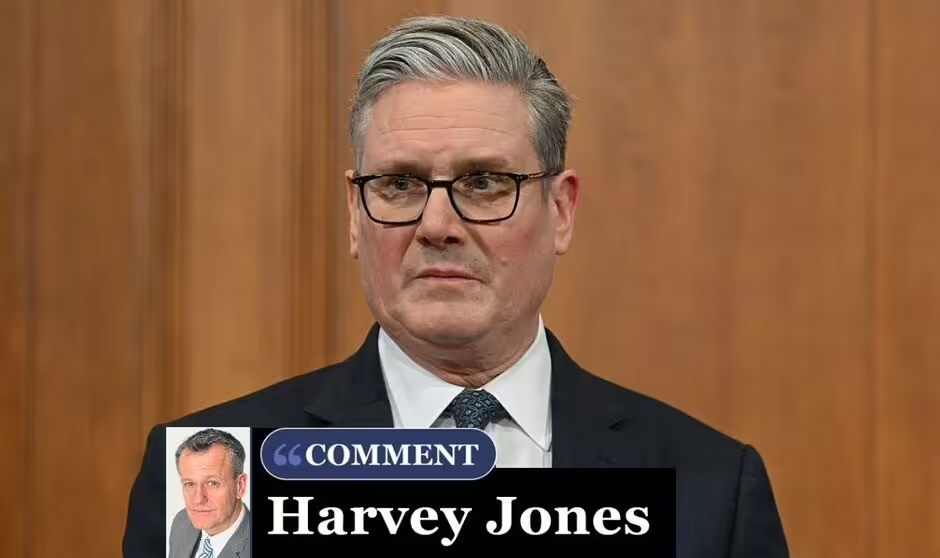
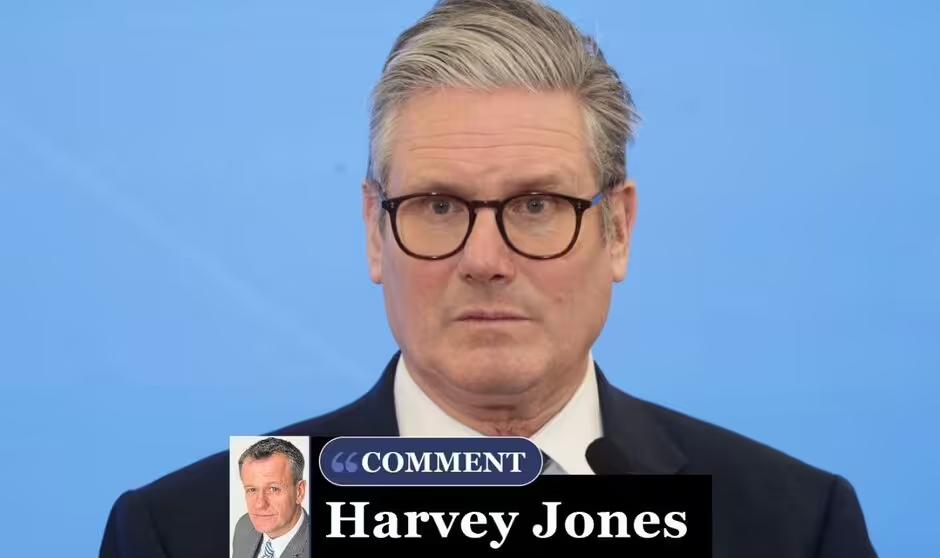
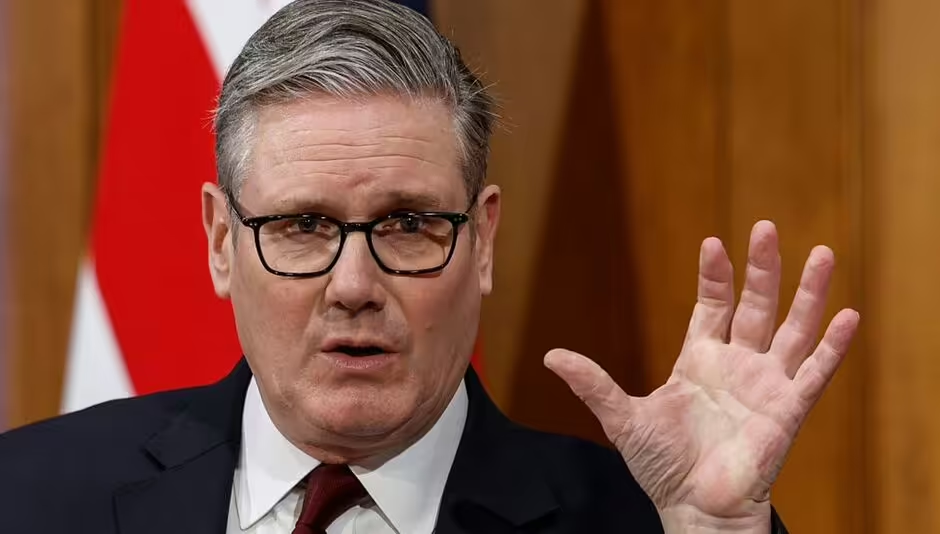
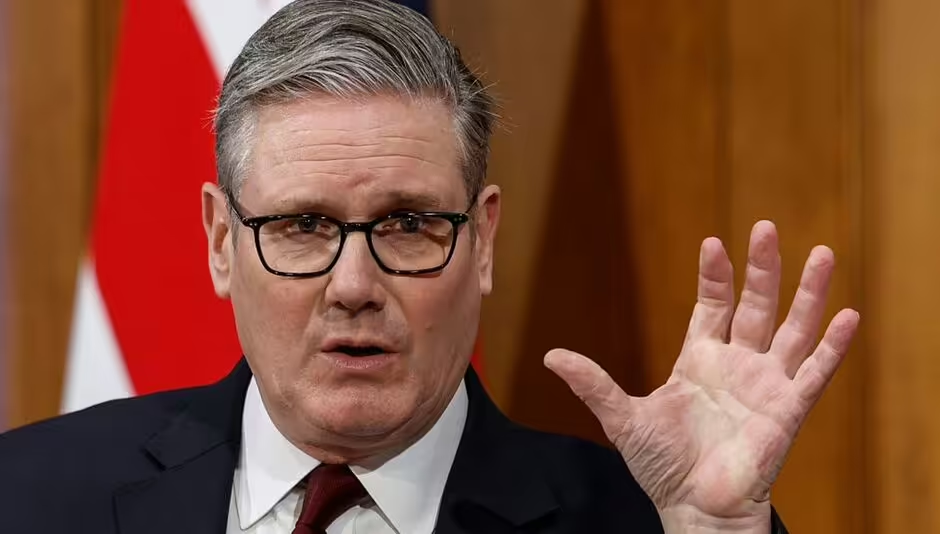
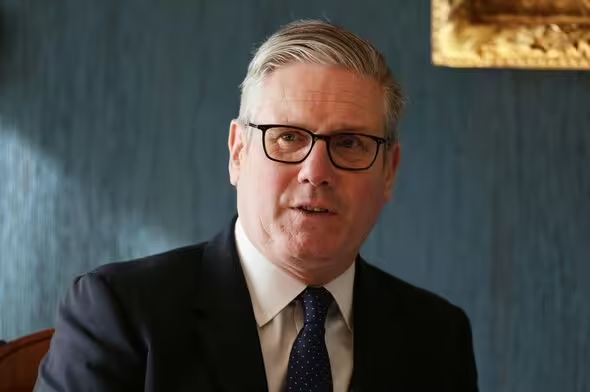
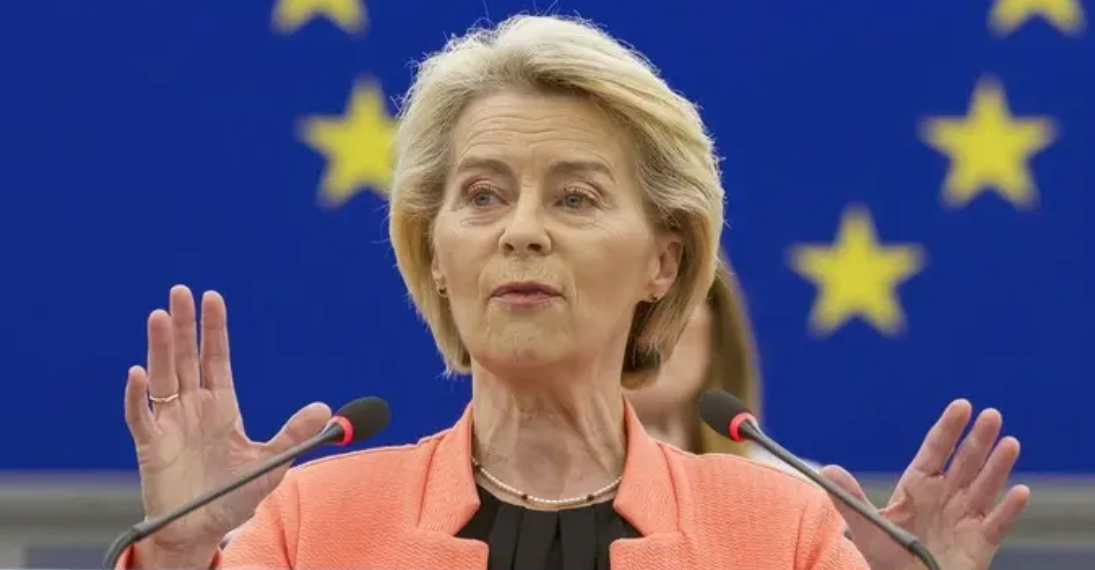
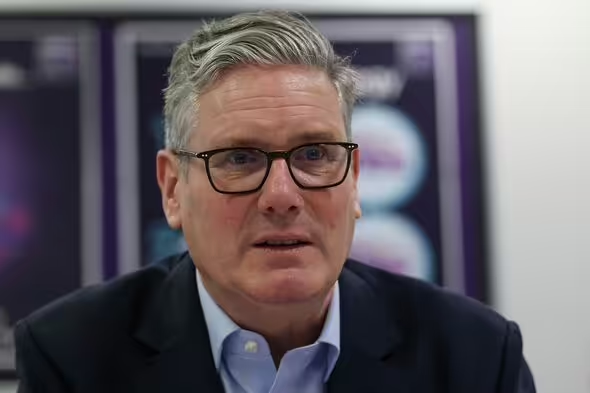
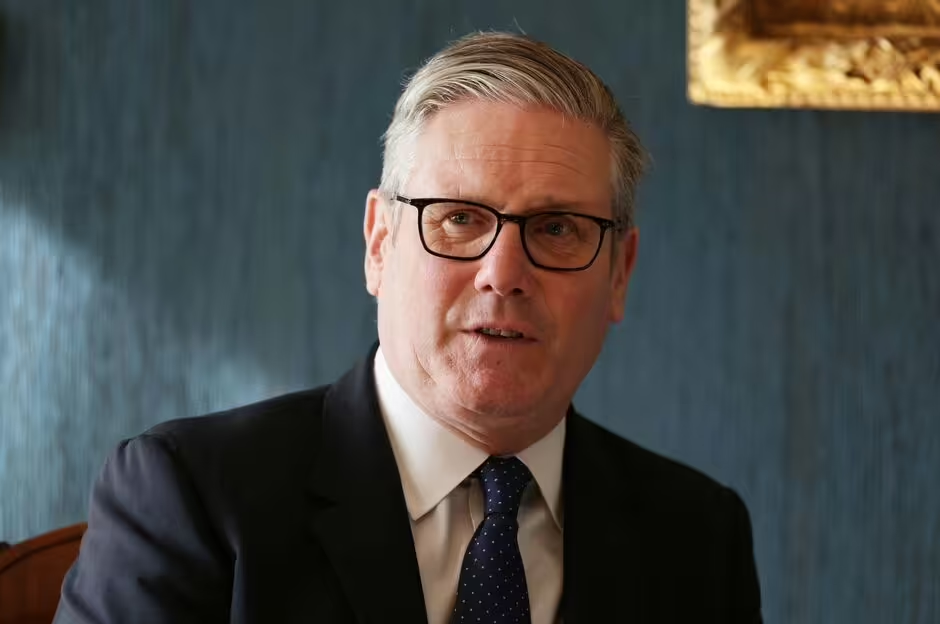
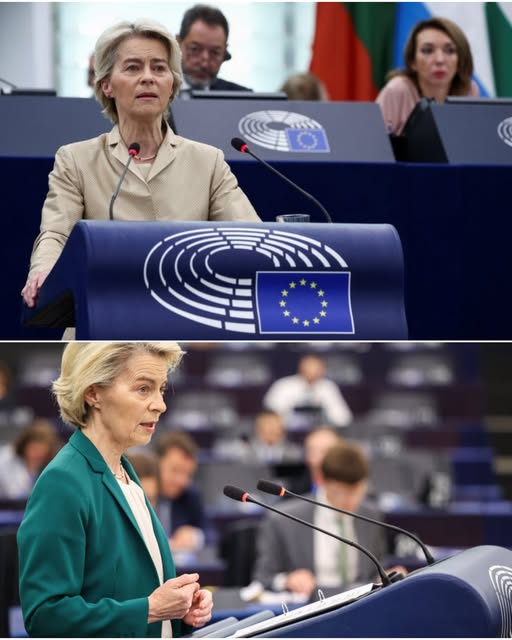
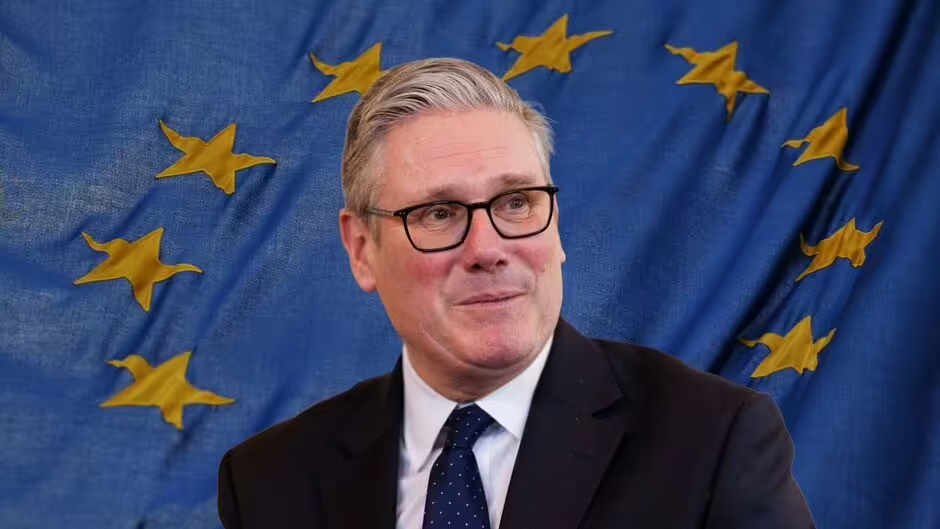
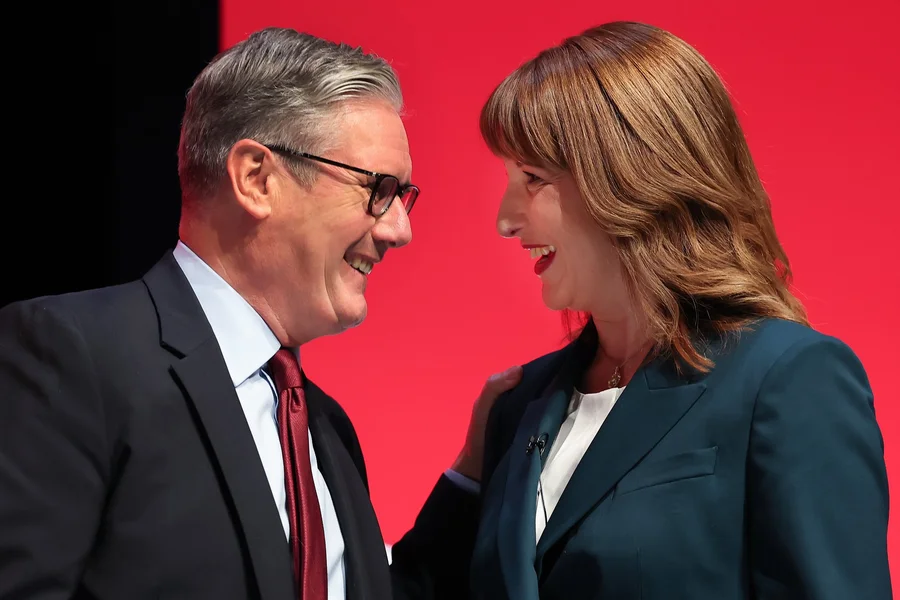
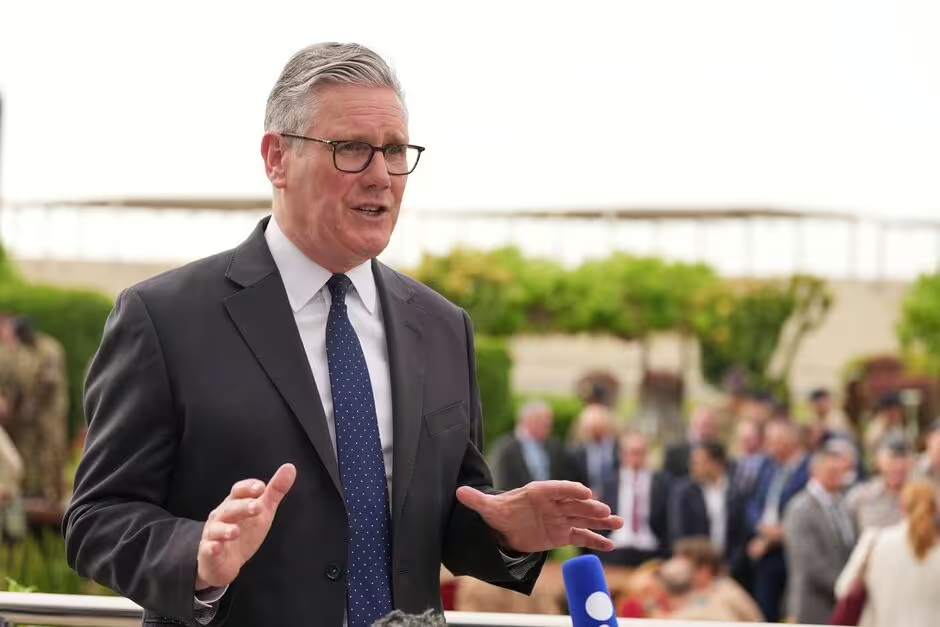
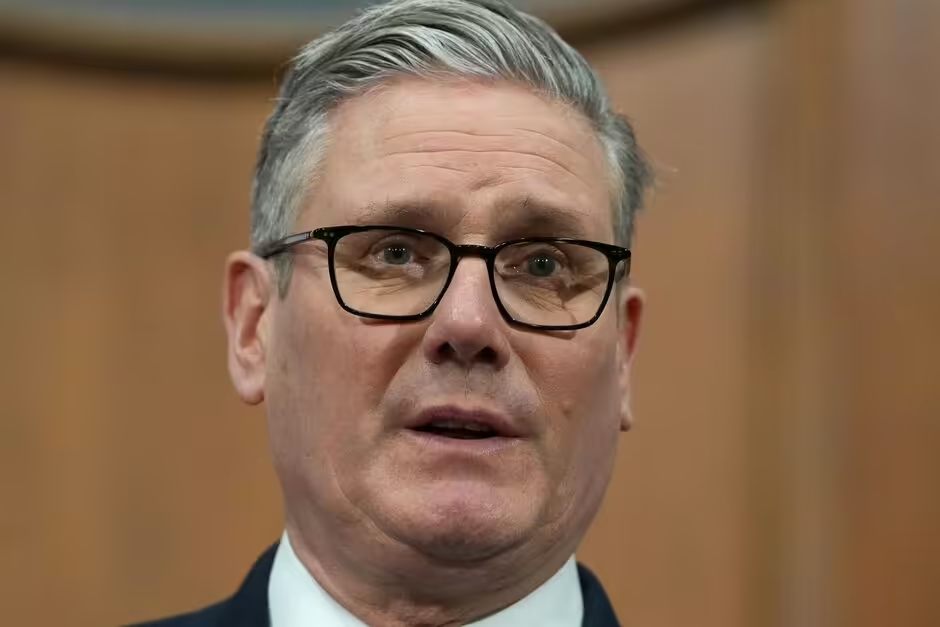
PM Sir Keir Starmer and EU Commission President Ursula von der Leyen (Image: Getty)
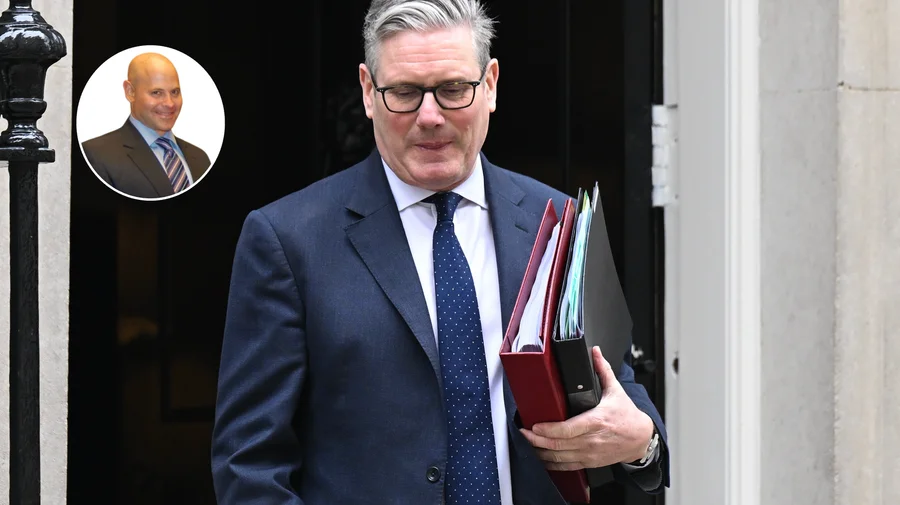
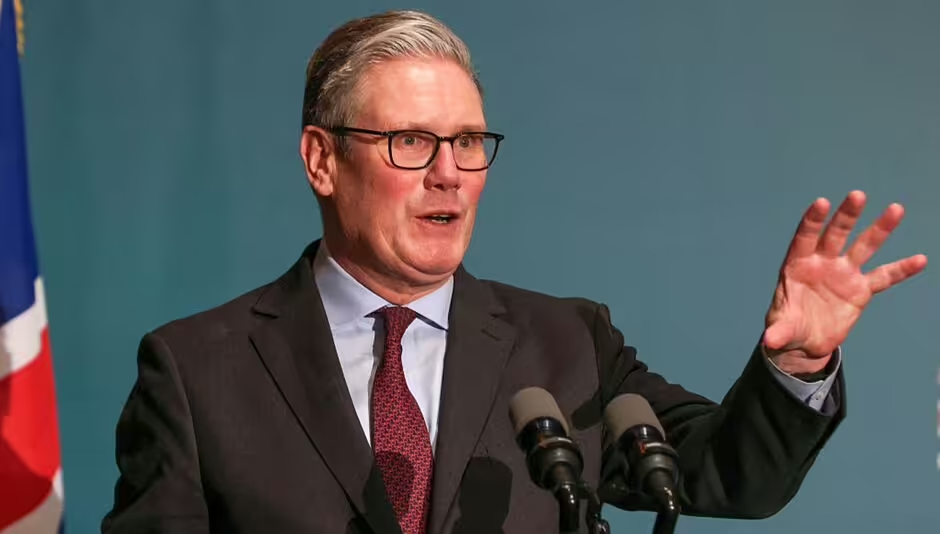
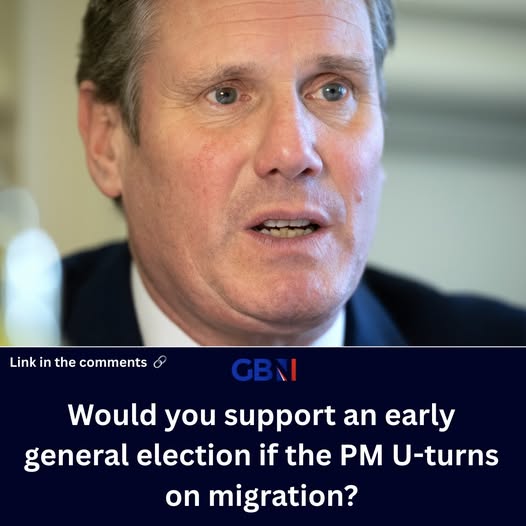
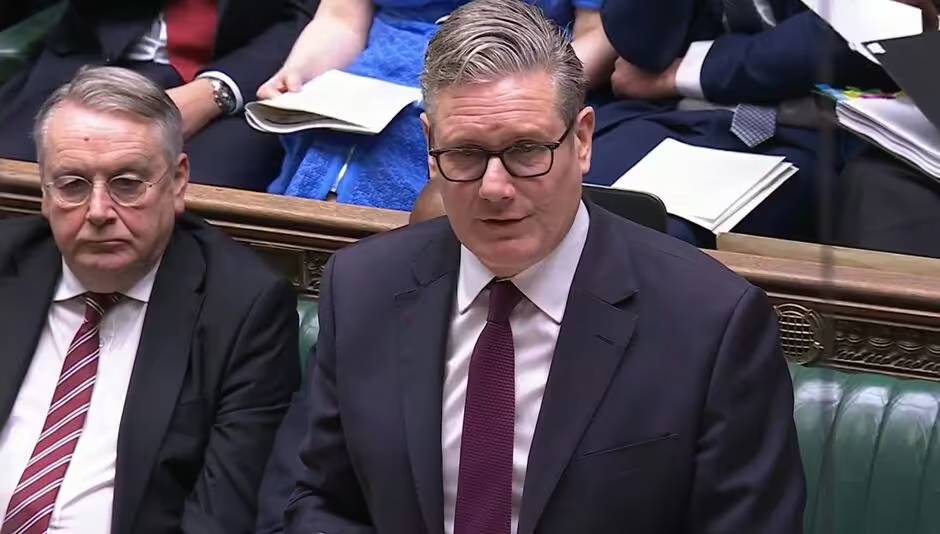
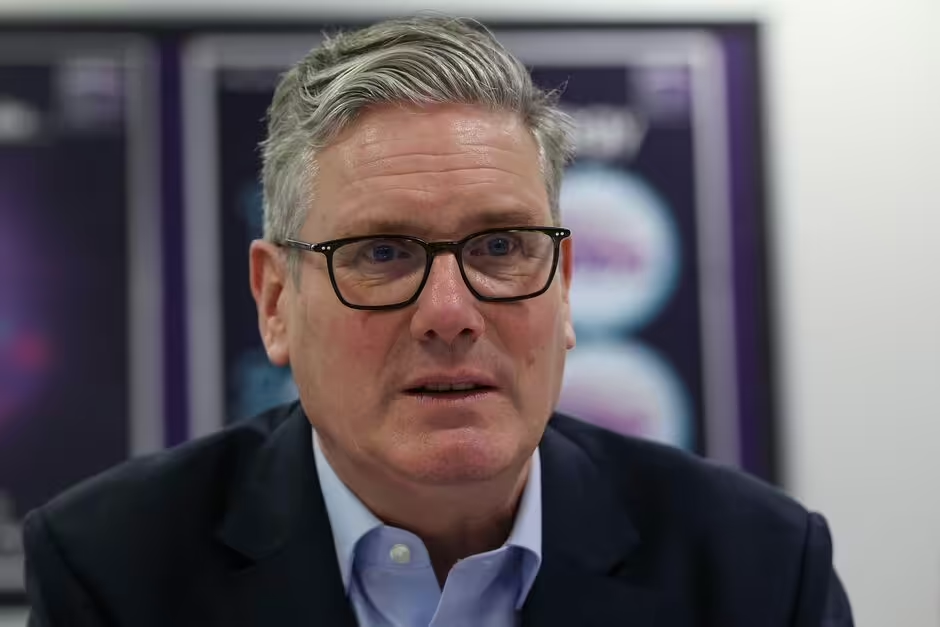
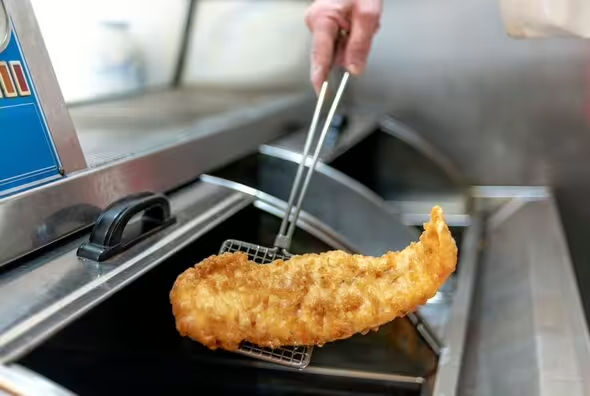
Sir Keir Starmer is plotting a Brexit betrayal by seizing Henry VIII powers to lock Britain into EU single-market rules without proper parliamentary votes. Ministers are preparing legislation that would fundamentally reshape the UK’s relationship with the bloc, allowing the Government to sign up to evolving single-market rules using secondary legislation that bypasses full scrutiny.
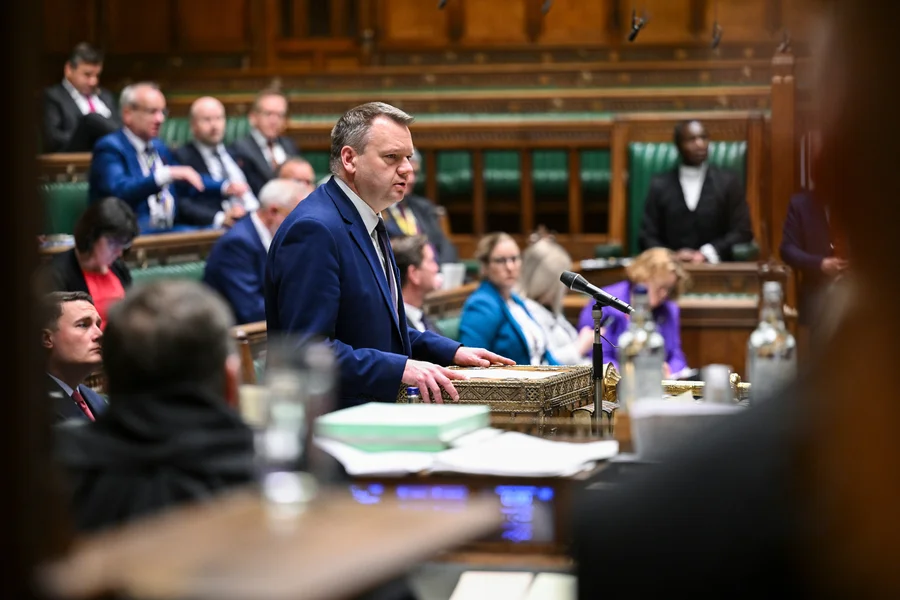
The new EU-UK reset bill, expected before summer, will enact a food and drink trade deal while embedding “dynamic alignment” in agreed areas. It will also let ministers quickly adopt future EU changes on everything from cars to farming if deemed in the national interest. Under the so-called Henry VIII powers — named after the Tudor law enabling rule by decree — Parliament would only be able to rubber-stamp or reject proposals, with no power to amend them. Blocking votes could trigger EU retaliation.
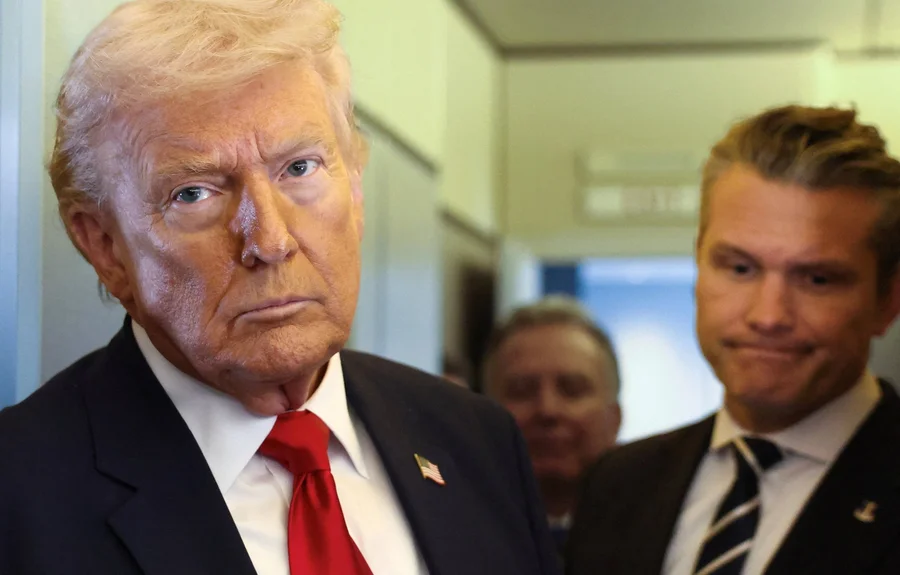
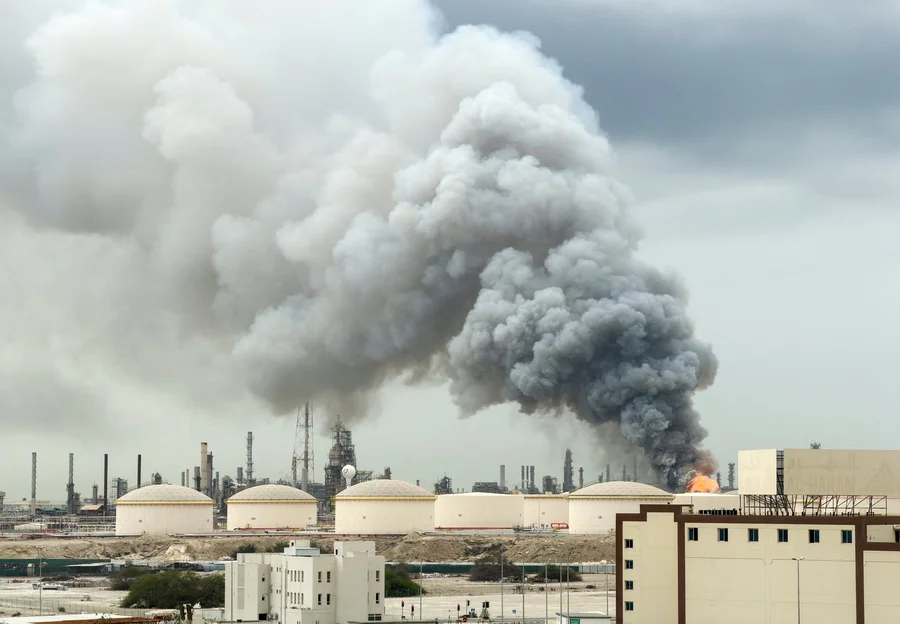
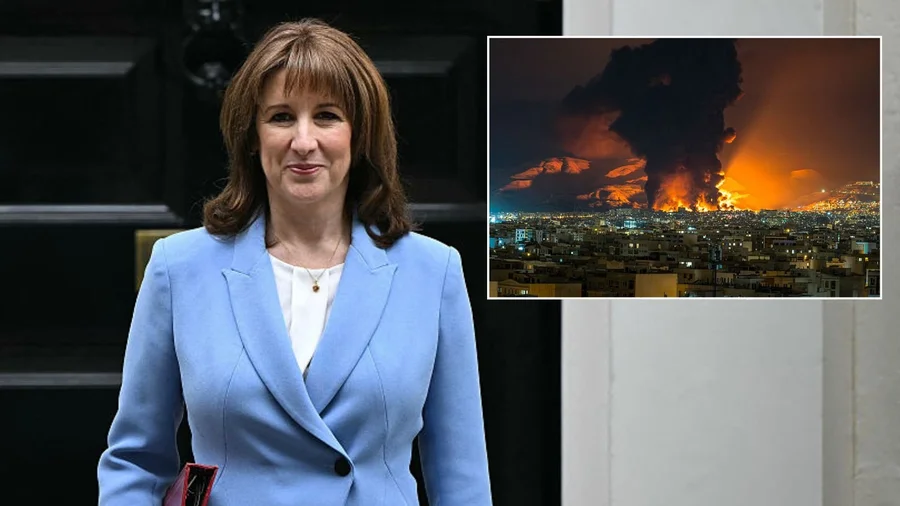
Ministers are bracing for fierce opposition from those who will “scream treason” at the move, reports The Guardian. The push follows Donald Trump’s war with Iran, which has exposed the fragility of Britain’s damaged special relationship with the US.
Government sources argue the changes will add billions to the economy, temper conflict costs and boost sluggish productivity by cutting red tape. They insist the approach respects red lines against rejoining the customs union, single market or restoring freedom of movement. Disputes would be settled by an independent tribunal, not the European Court of Justice.
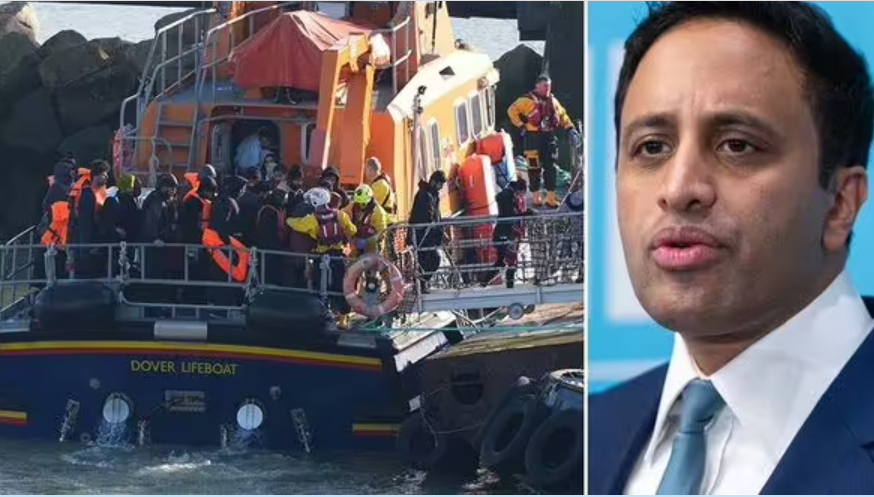
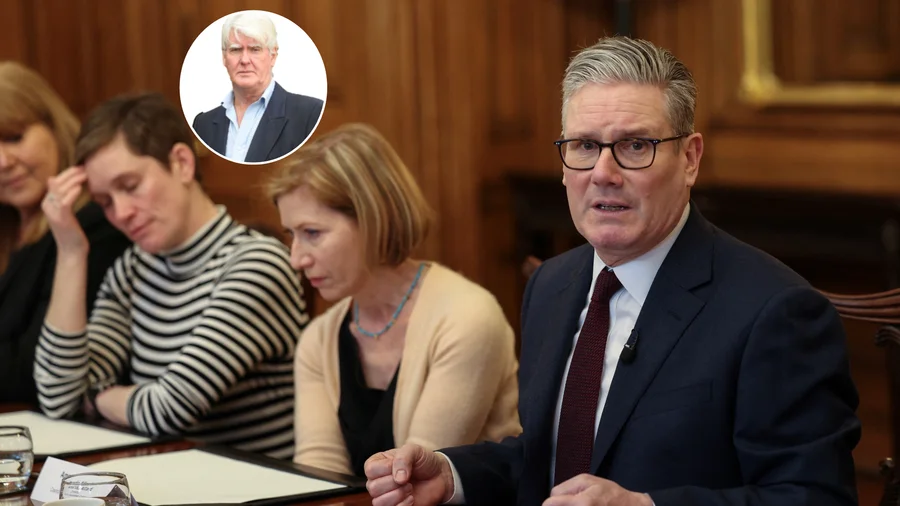
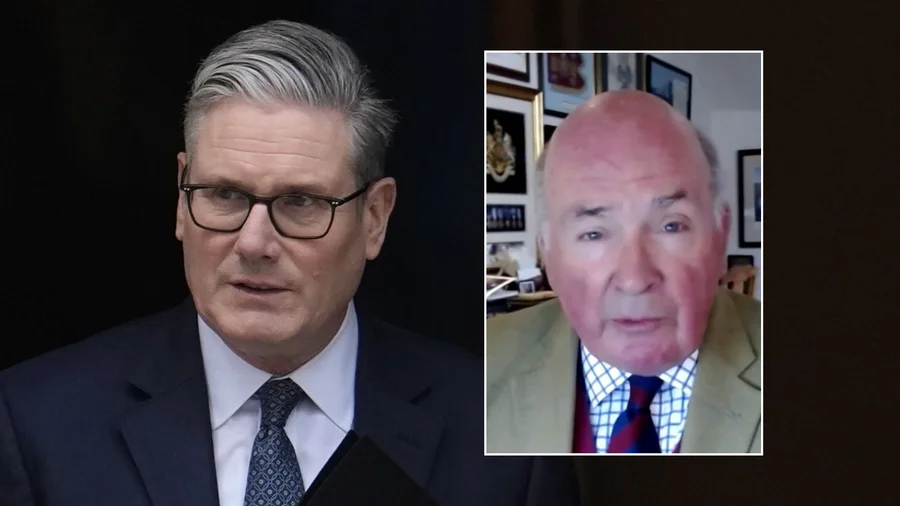
Critics warn of “integration by stealth”. Director of UK in a Changing Europe, Prof Anand Menon said: “We are signing up to a deal with the European Union that commits us to follow their rules, whether we like it or not. The danger is you’re doing integration with the EU by stealth.” He added that the ugly trade-off of Brexit is trading political control for economic access without a vote in the room.
The bill will fast-track deals on food and drink — worth £5.1bn a year — and emissions trading, while opening the door to wider alignment. It tacitly acknowledges the economic damage of Brexit, with the Office for Budget Responsibility estimating a 4% hit to long-run productivity and 15% reduction in trade.
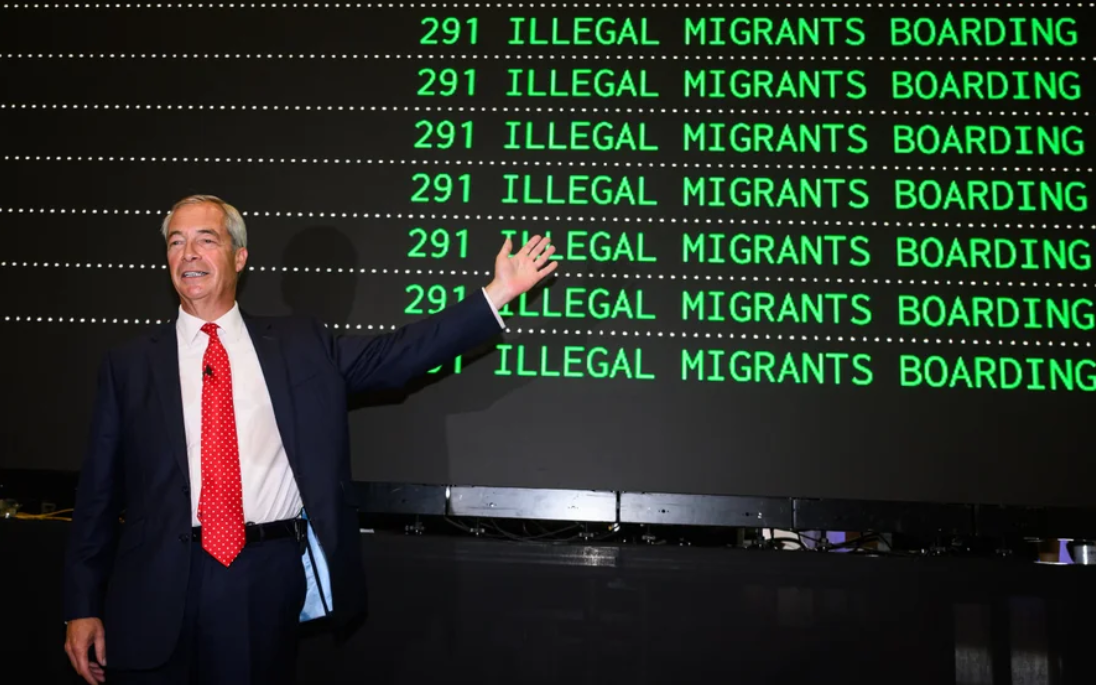
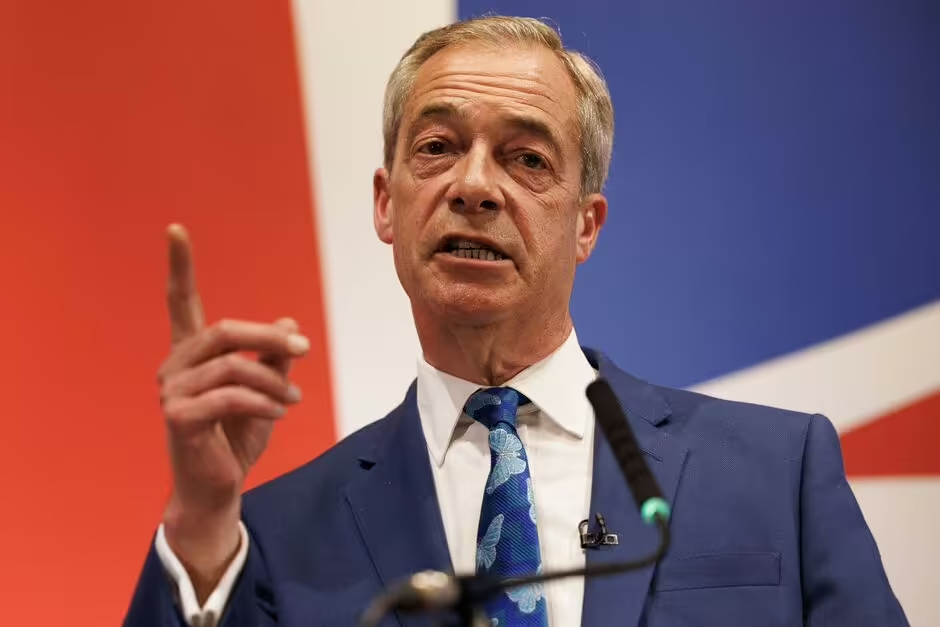
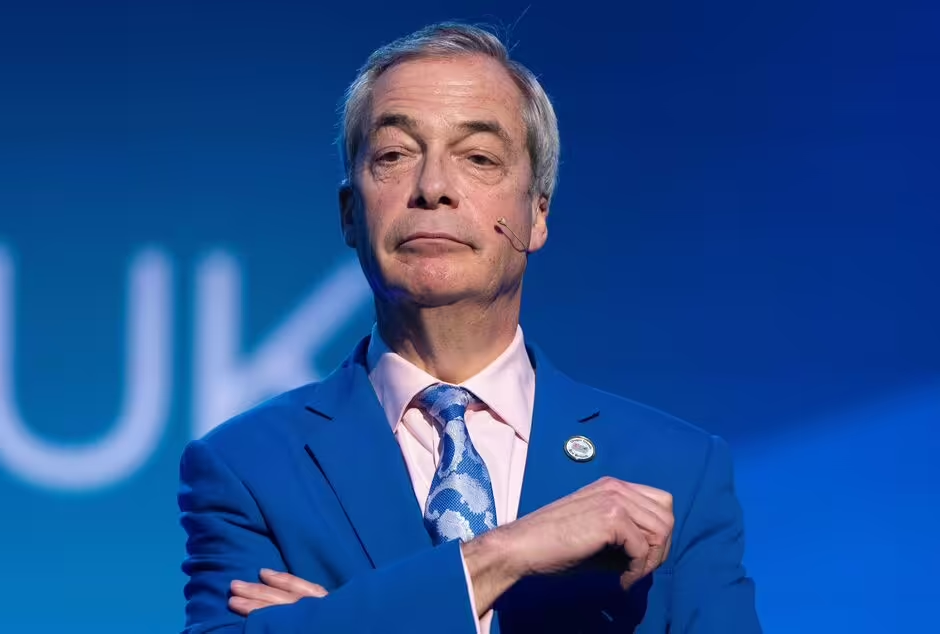
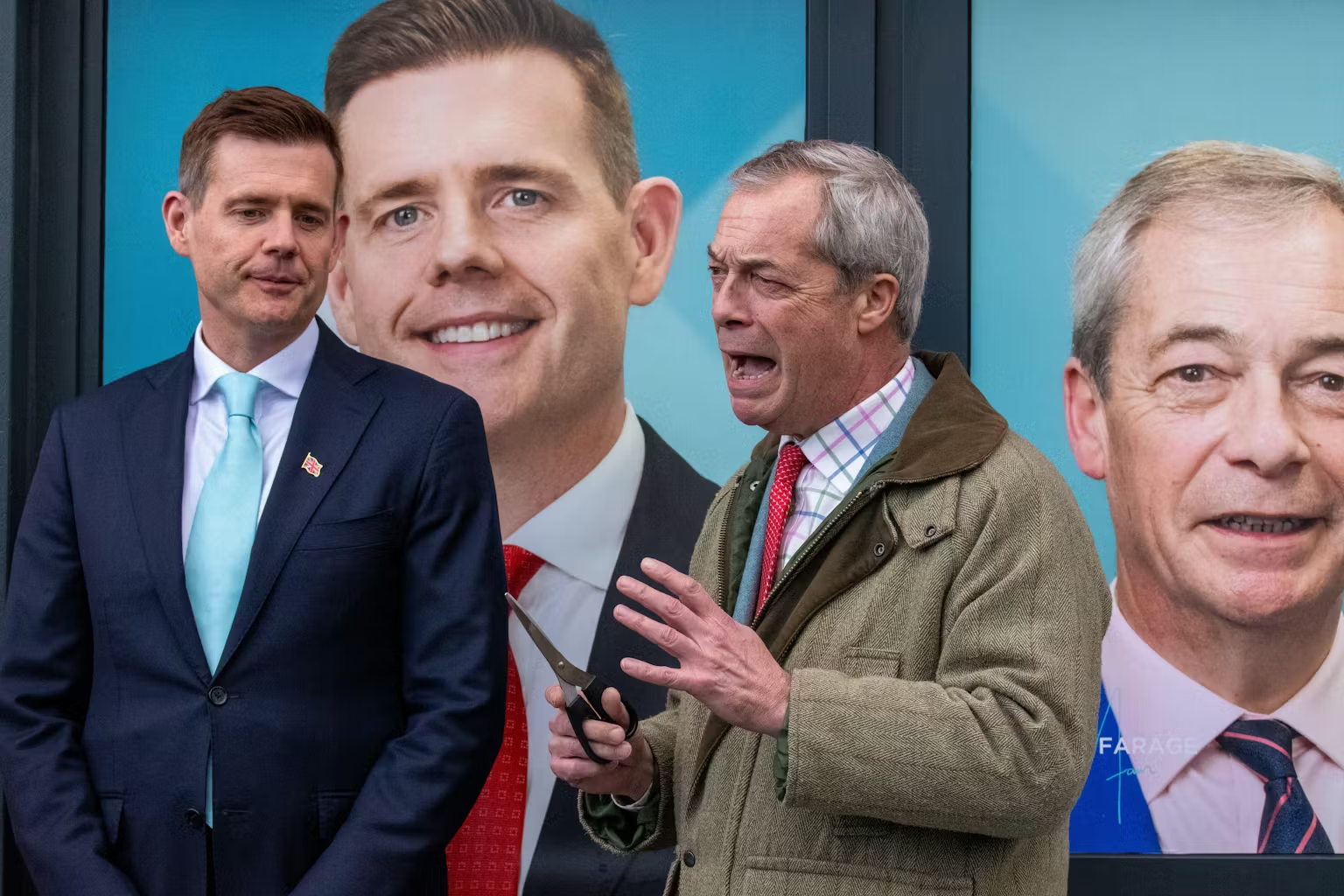
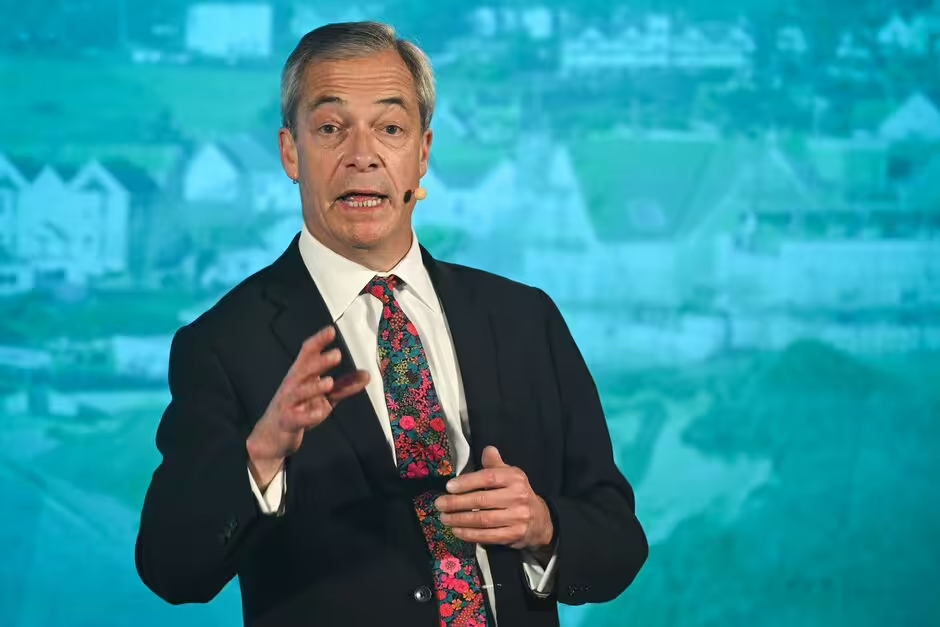
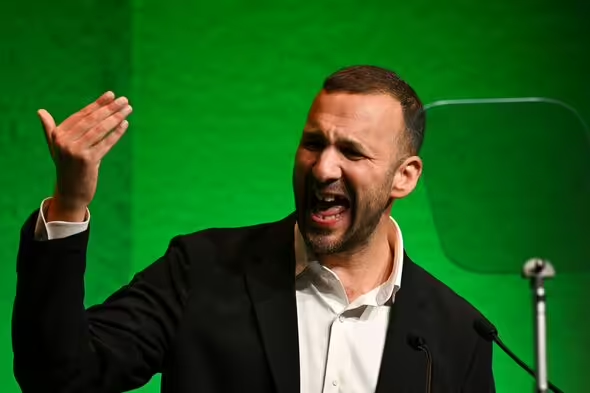
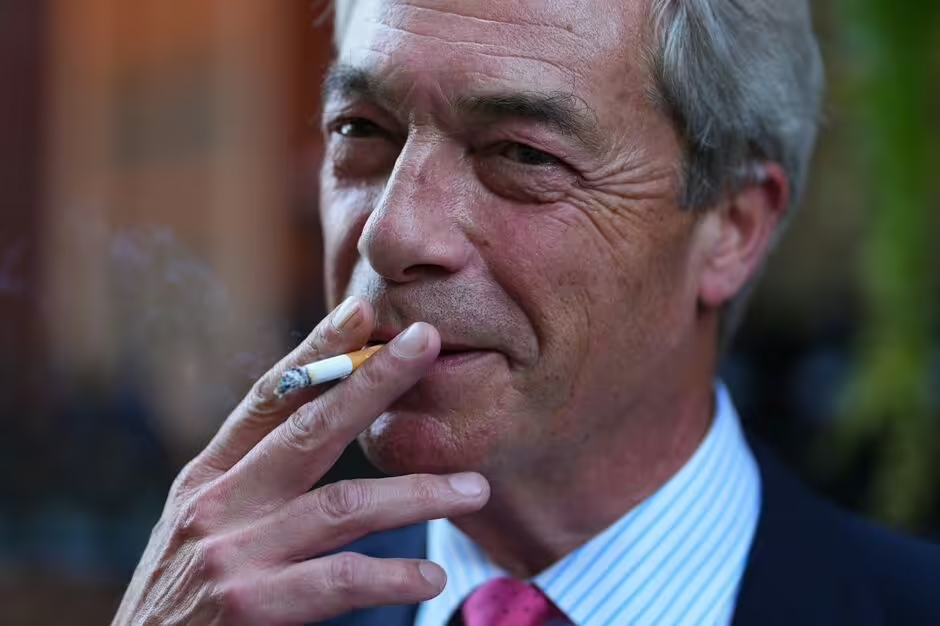
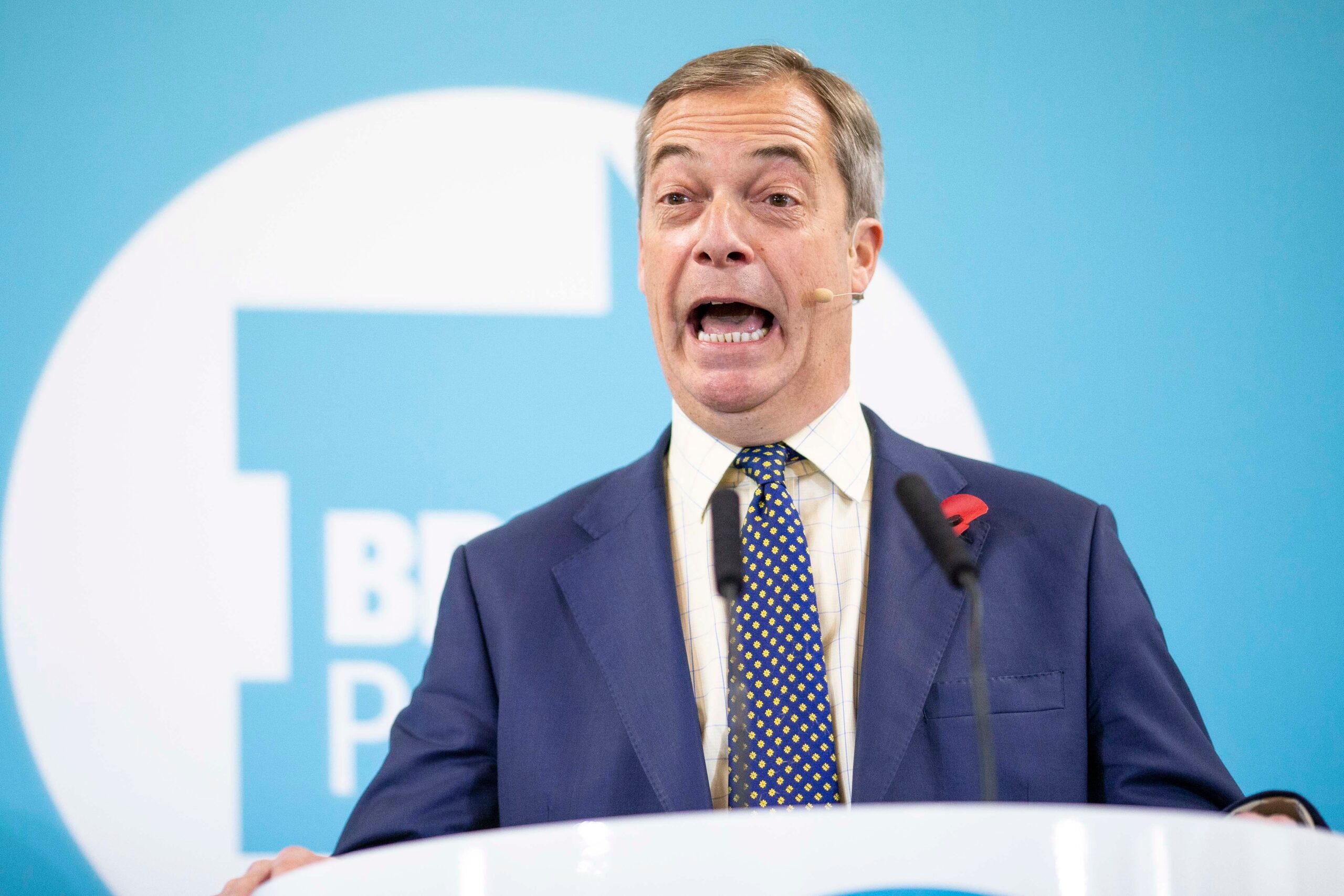
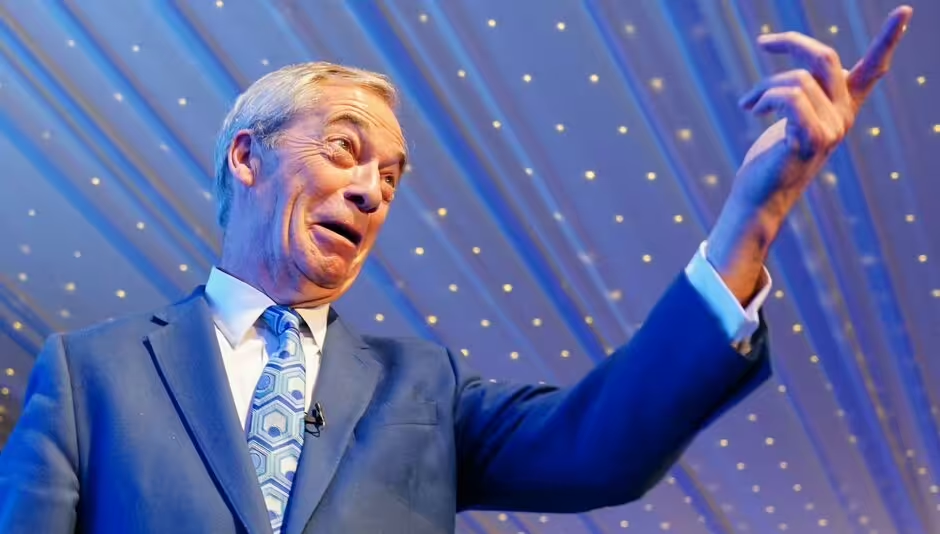
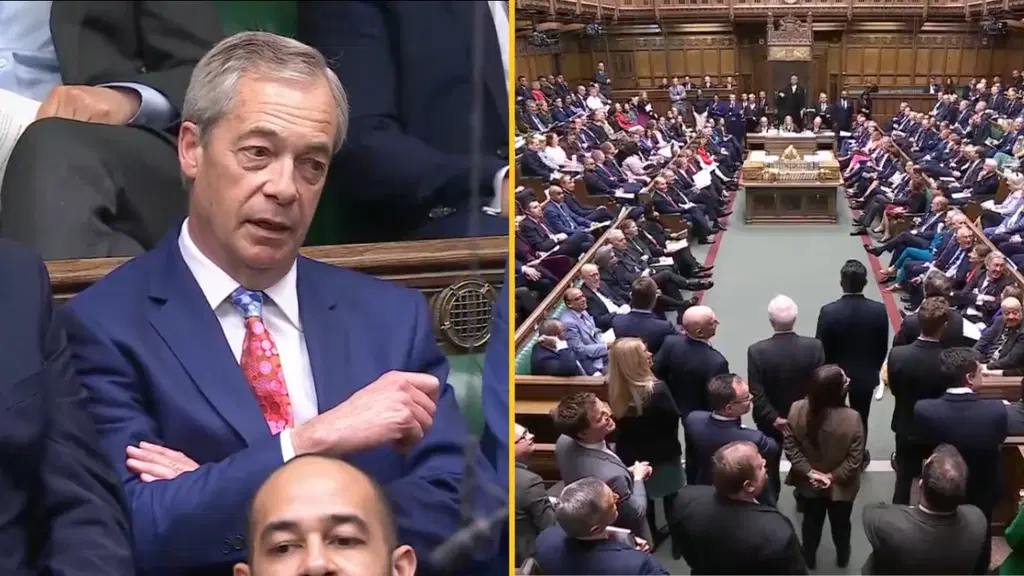
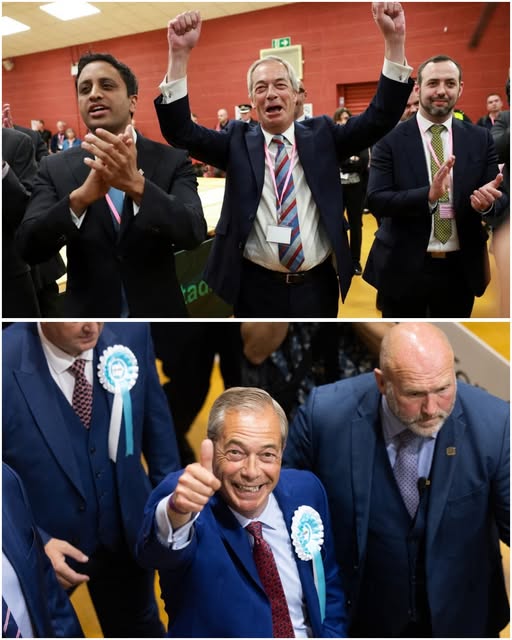
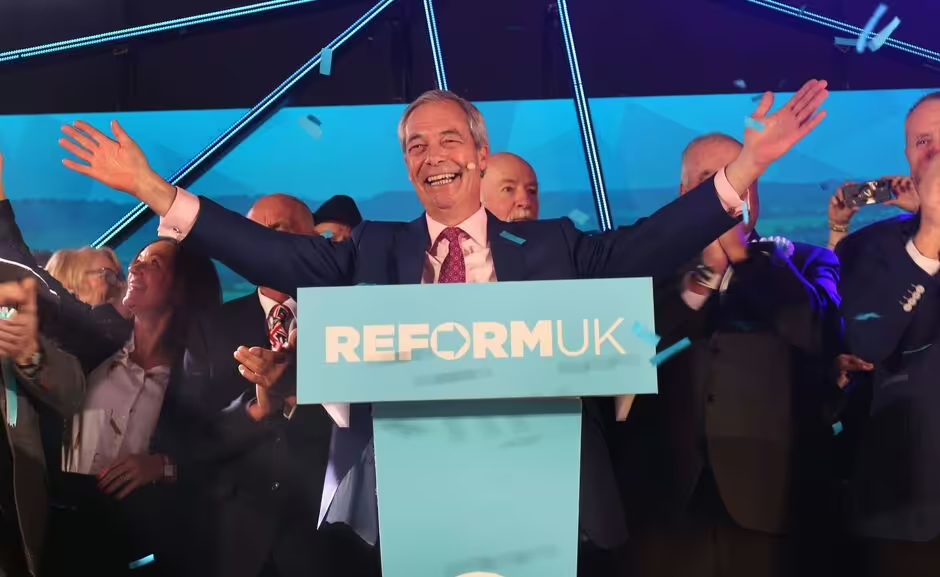
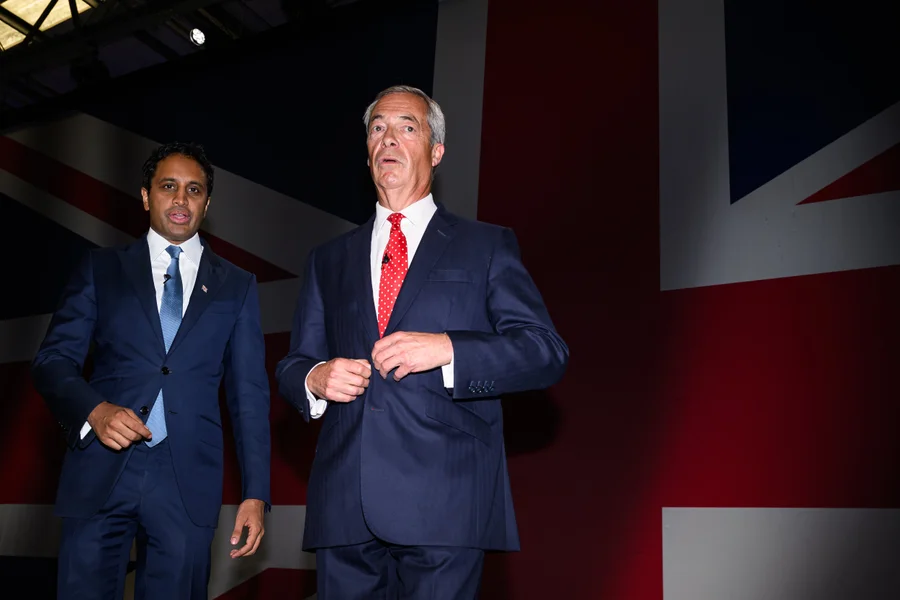
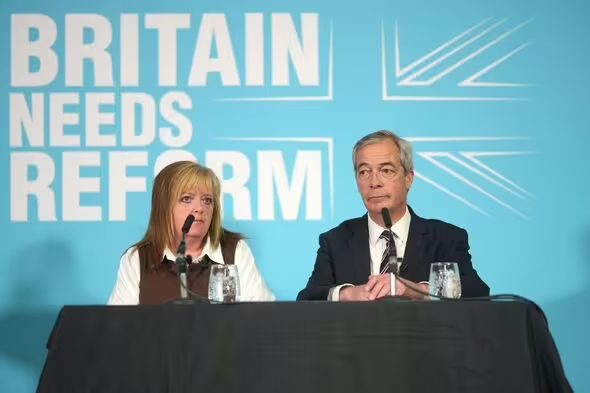
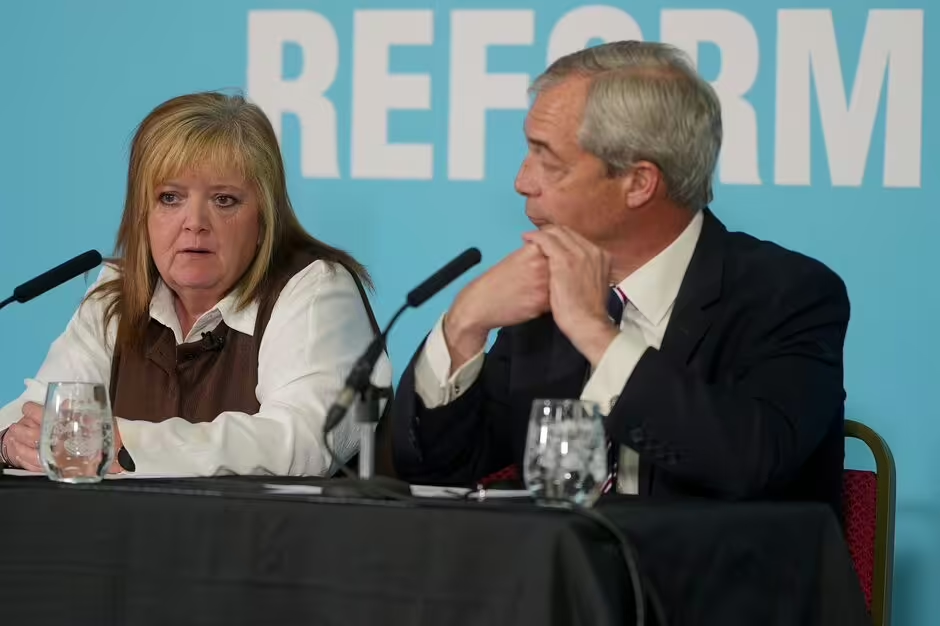
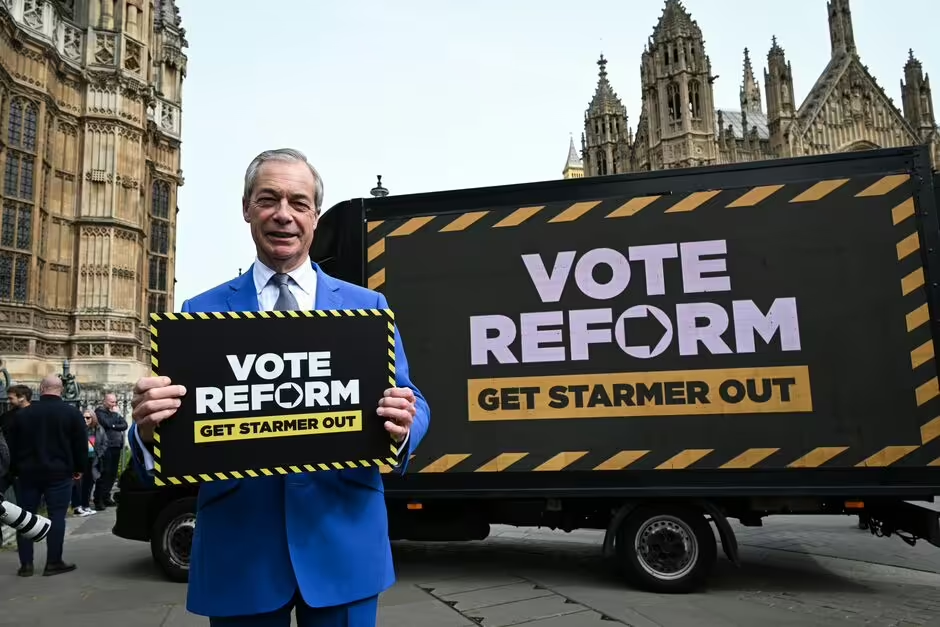
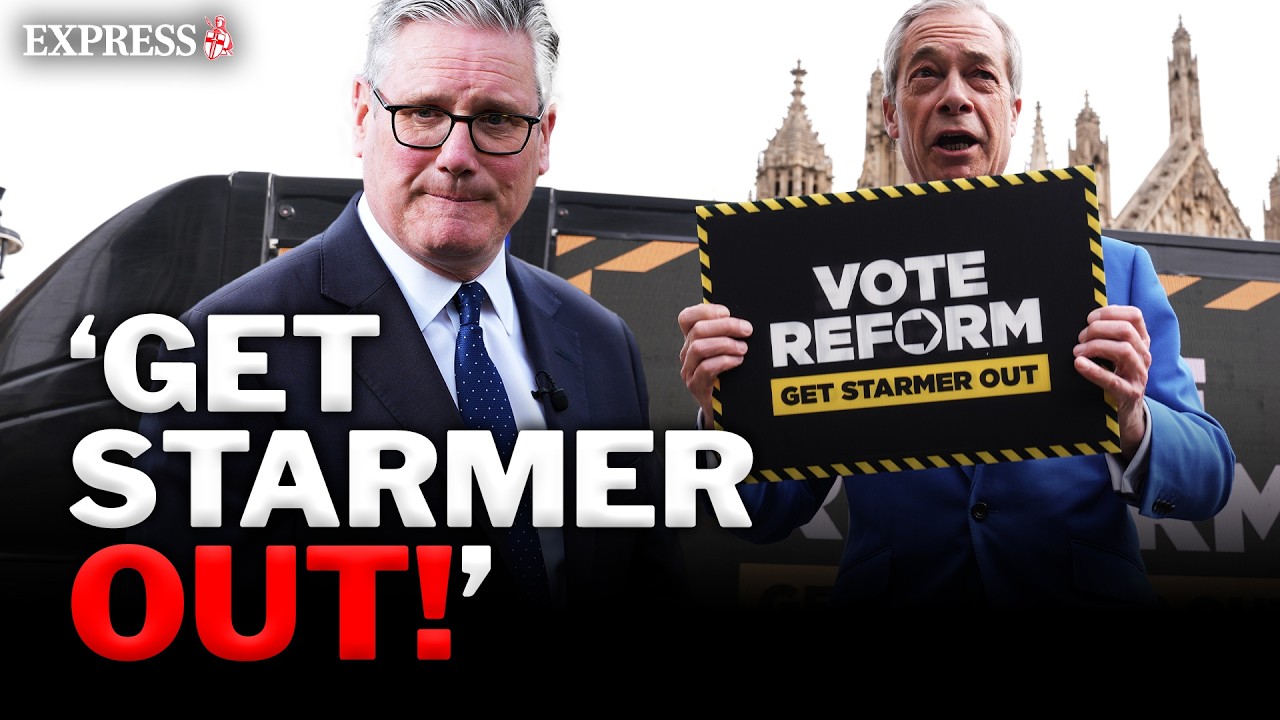
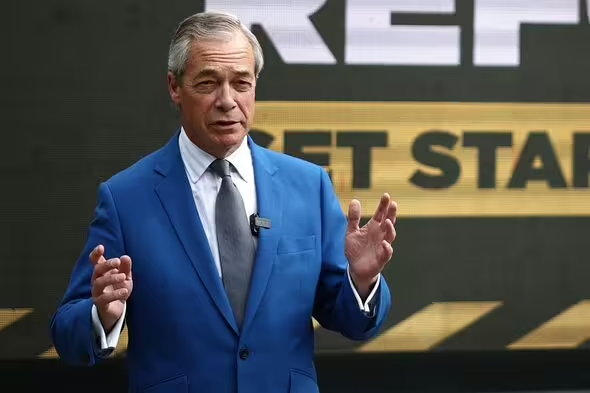
One Government insider dismissed hard Brexit critics, insisting: “They will scream treason but the reality is that all international agreements involve shared rules. Nigel Farage is too cowardly to take it on.”
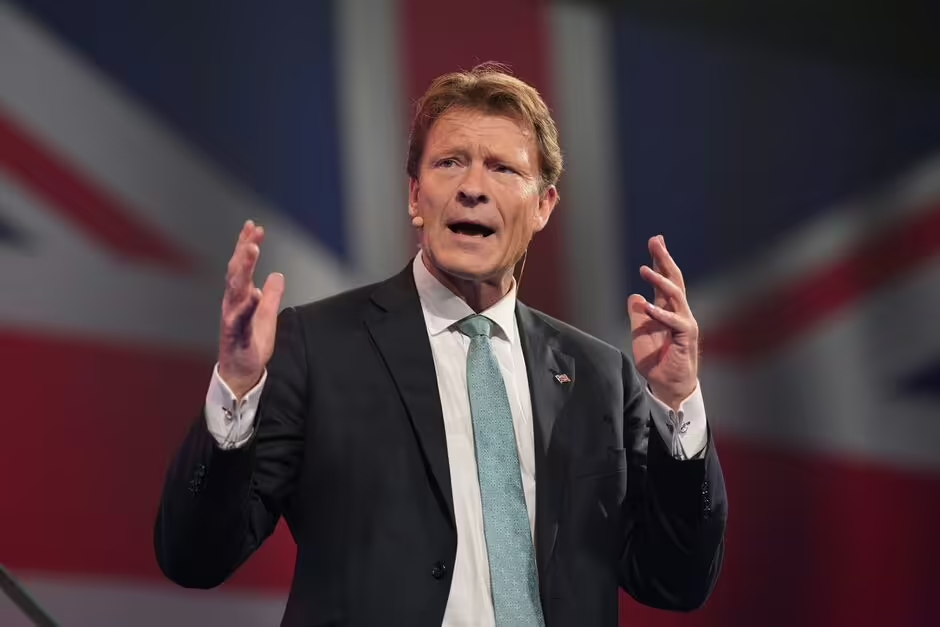
The Conservatives condemned the plan. Shadow Business Secretary Andrew Griffith said: “Parliament reduced to a spectator while Brussels sets the terms is exactly what the country rejected. Labour are still fighting the referendum.”
The legislation is likely to pass the Commons but could face obstruction in the Lords. A Government spokesperson said:
“Parliament will play its full constitutional role in scrutinising, debating and shaping it. This will allow us to deliver a food and drink trade deal worth £5.1bn a year, backing British jobs and slashing costly red tape for our farmers, producers and businesses.”
The move escalates the PM’s post-election “reset” with the EU, accelerated by global instability and his claim that Brexit has done “deep damage” to the UK economy. With the EU still accounting for nearly half of UK trade in 2024, ministers argue that removing barriers is essential without crossing core red lines.