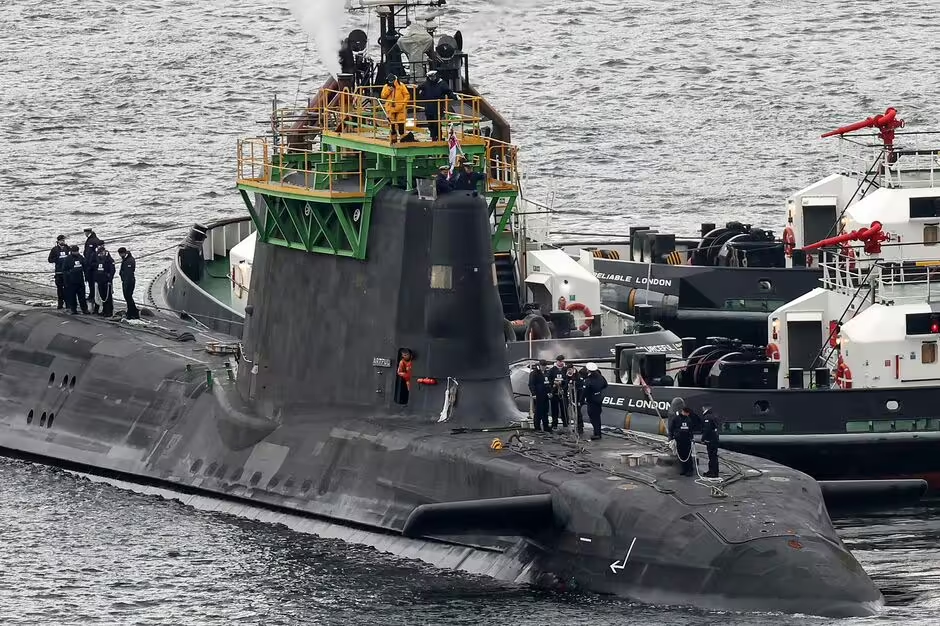
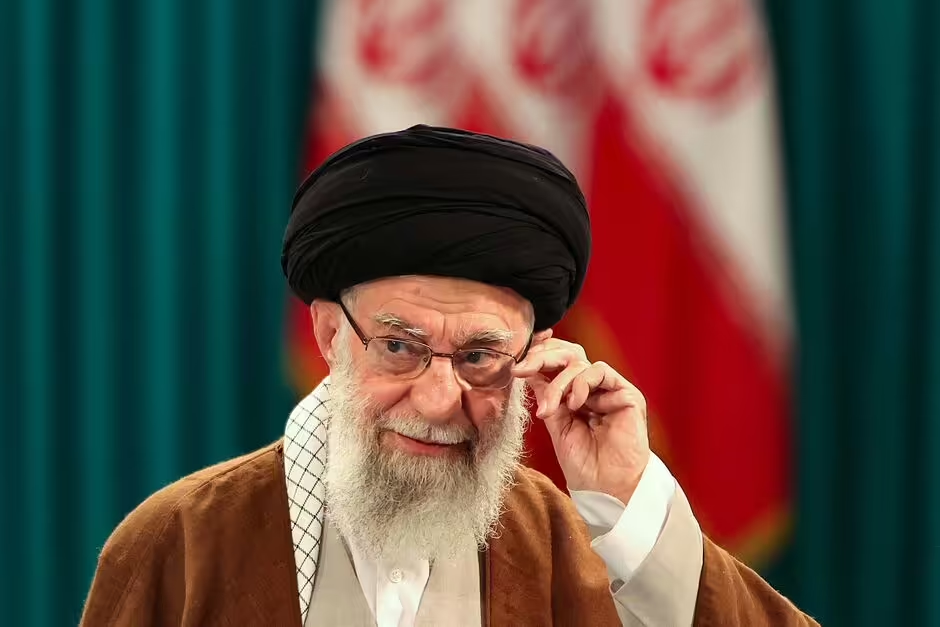
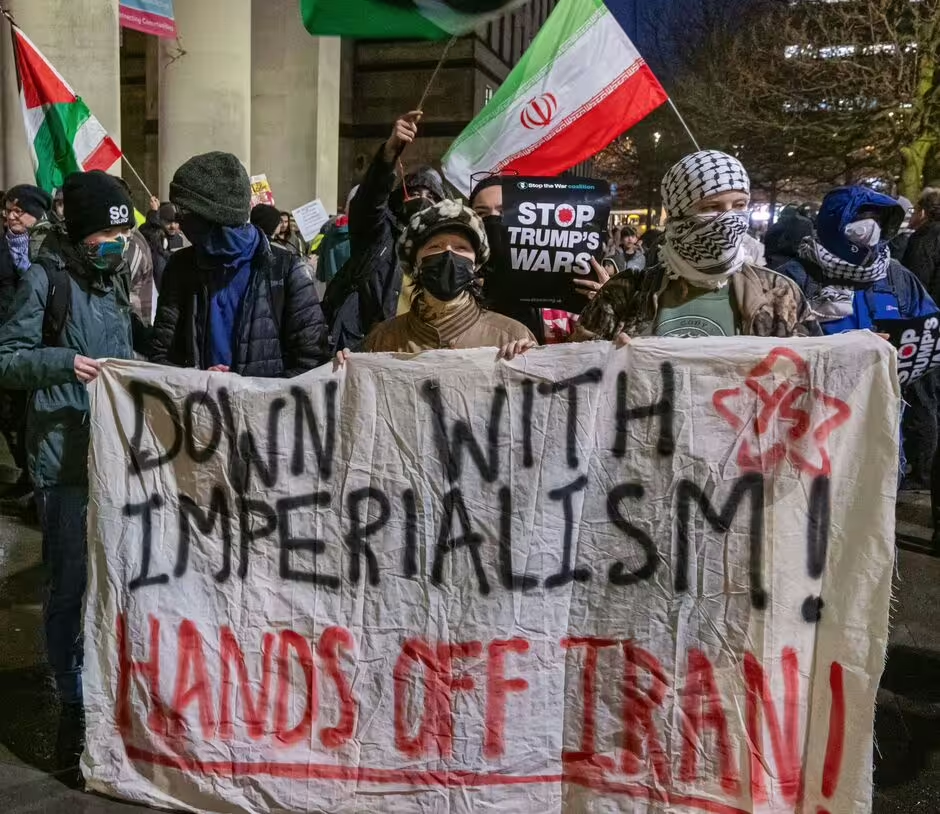
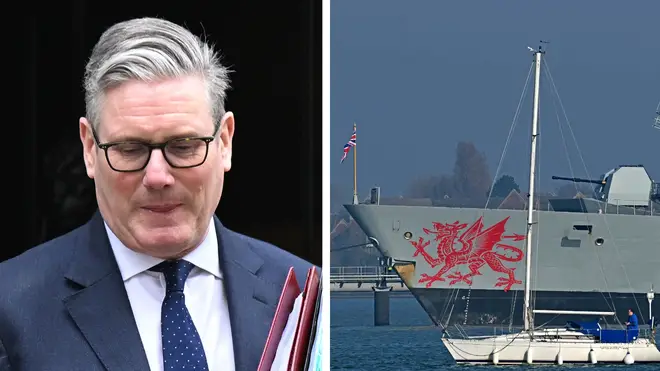
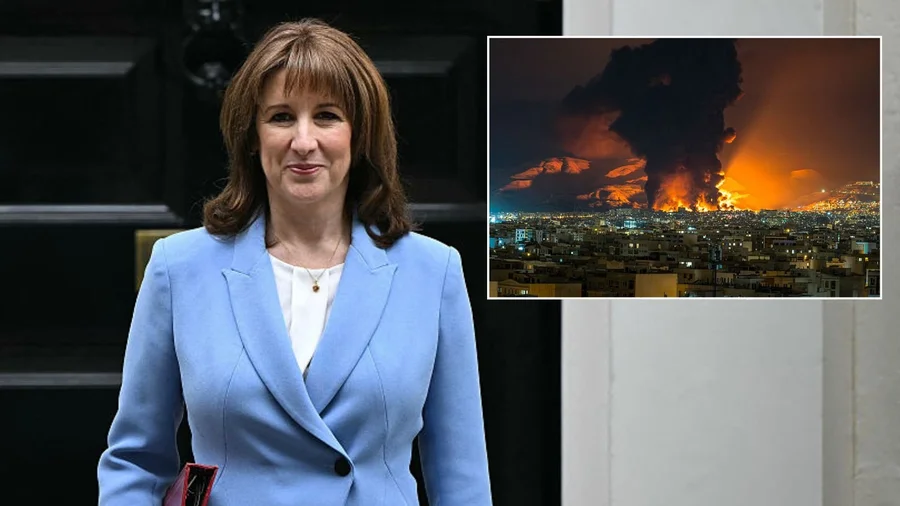
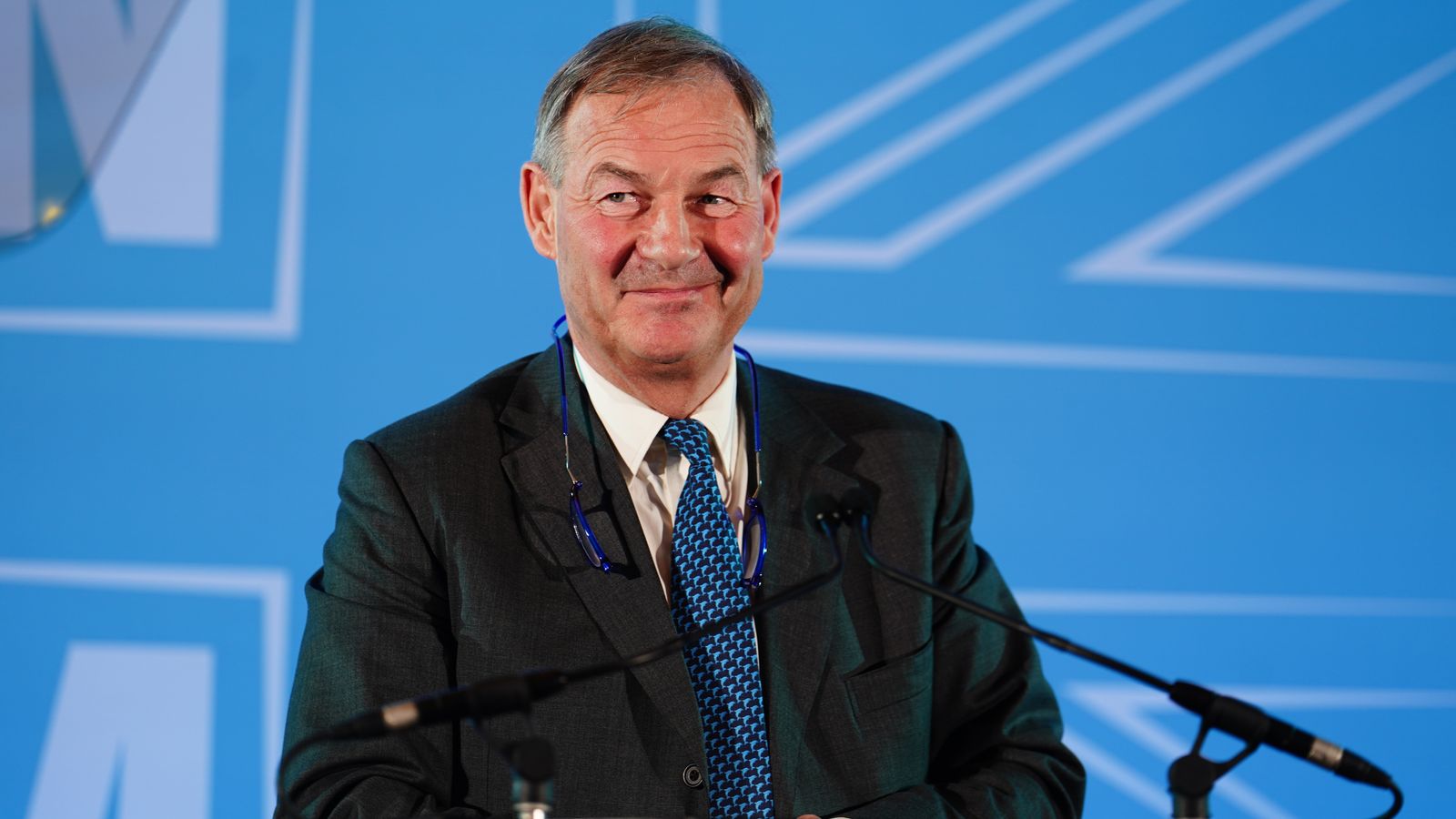
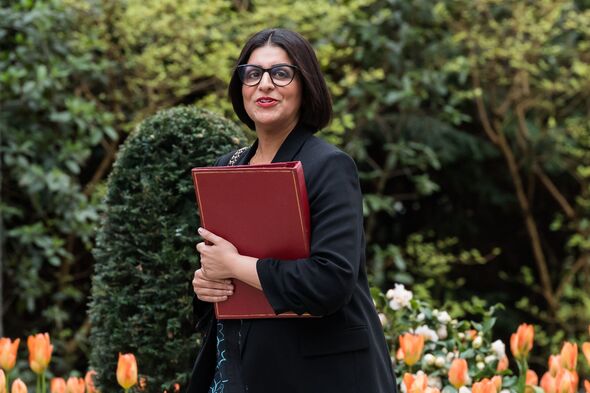
British Muslims have a 22 net favourability rating towards the hardline dictatorship in Tehran (Image: Getty)
A gulf has opened between British Muslims and the wider public on the Iran conflict, with new polling revealing that followers of Islam in the UK are five times as likely to look favourably on Tehran’s regime as their fellow citizens.
The data, gathered by JL Partners in a survey of more than 3,200 people conducted between March 2 and 13, lays bare a chasm in world views that the report’s authors describe as stark enough to amount to two entirely separate perspectives on global affairs existing side by side within one country.
Close to 40 per cent of British Muslims regard Iran positively. Among the general population that figure collapses to eight per cent. Translated into net favourability scores, British Muslims sit at +22 towards the Islamic Republic while the broader public registers -42 — a divide of 64 points.
The findings are published by Policy Exchange under the title Worlds Apart: British Muslim Attitudes on the Iran Conflict, with the authors concluding that British Muslims possess a “vastly different view on the Iran conflict and international relations than the general population.”
Hostile to America and Israel
The divergence sharpens when the focus turns to Washington and Tel Aviv. Across the general public, both countries already struggle — the US sits at -16 and Israel at -22 in net favourability. Among British Muslims those numbers deteriorate significantly, falling to -41 for the US and -52 for Israel.
On the question of whether the joint US-Israeli military campaign against Iran was “definitely wrong”, half of British Muslims said yes. Fewer than one in five members of the general public agreed.
Dr Rakib Ehsan, the report’s author, said: “As well as being notably more hostile towards the United States and Israel, British Muslims hold much warmer feelings towards Iran than the wider public do.
“Part of their overarching anti-Americanism is their dramatically less negative views on China and Russia, revealing a broader scepticism of Western geopolitics.”

The poll shows UK Muslims are far more likely to support Iran, Russia and China that most others (Image: Policy Exchange)
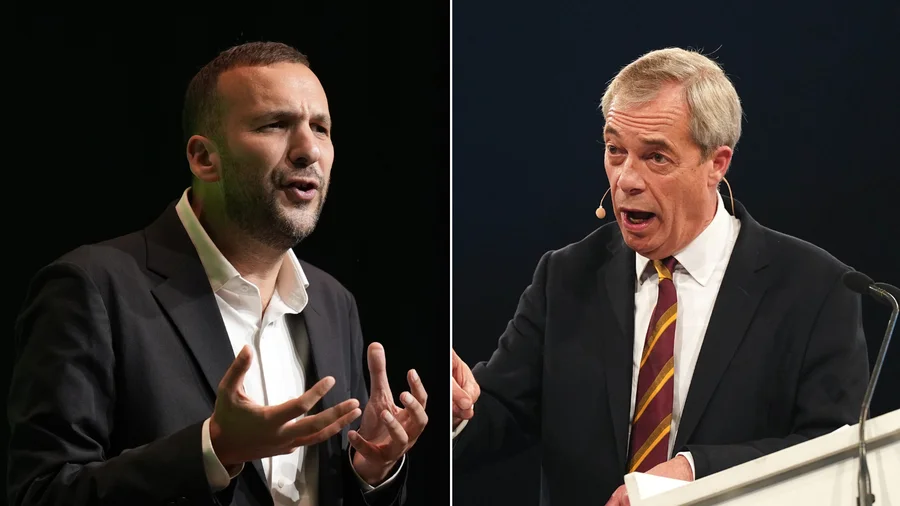
Maajid Nawaz on British Muslims not integrating in UK
Friendlier towards Beijing and Moscow
A report by the Daily Mail points to how the pattern runs in the opposite direction when it comes to countries that Western governments regard as adversaries. The general public views China at -22 and Russia at -52 — the latter reflecting deep hostility towards Vladimir Putin following the invasion of Ukraine. British Muslims, by contrast, give China a net positive score of +22 and rate Russia at a near-neutral +2.
Alongside the attitudinal gap sits a significant difference in where each group turns for information. Legacy television news dominates for the general public, but nearly a quarter of British Muslims rely on Al Jazeera — the Qatari state broadcaster — as their primary source on the Iran conflict.
Social media platforms play a far greater role in shaping British Muslim opinion than they do for the wider population. More than a quarter consume Iran coverage via TikTok, and a similar proportion via Instagram — roughly two and a half times the rates seen among the general public. WhatsApp is three times as commonly cited as a news source among British Muslims as it is in the broader population.
Dr Ehsan added: “The relatively youthful British Muslim population is also different to the wider public in how they get their news and information on the Iran conflict, relying more than the general population on ‘non-legacy’ sources in the social-media sphere such as Instagram and TikTok.”
The survey was conducted in the weeks immediately following a violent crackdown by Iranian security services on domestic protests — an episode in which the death toll is estimated by multiple sources to have exceeded 30,000.