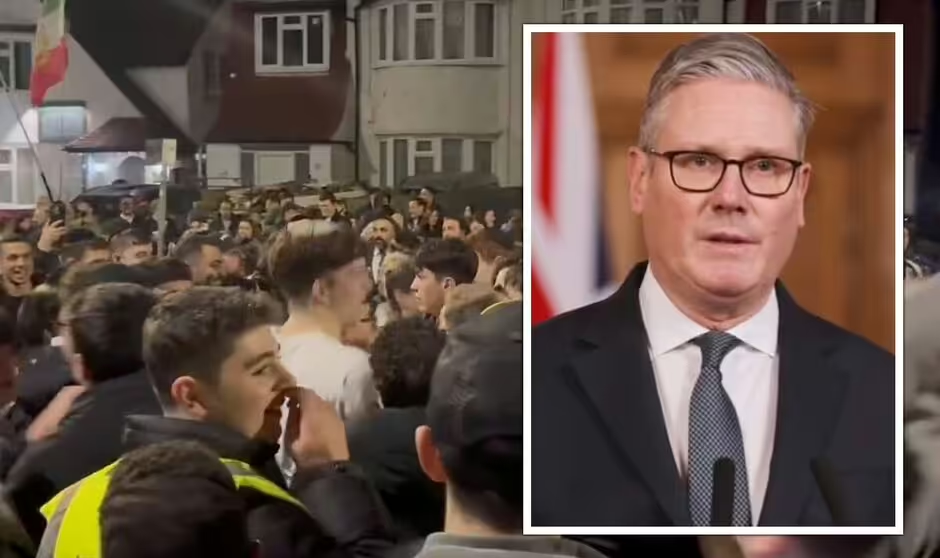
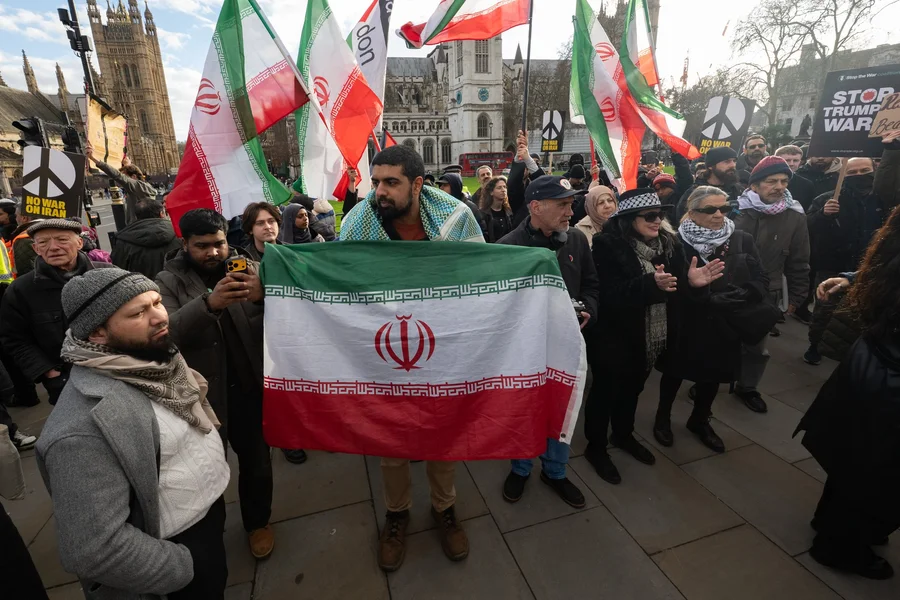
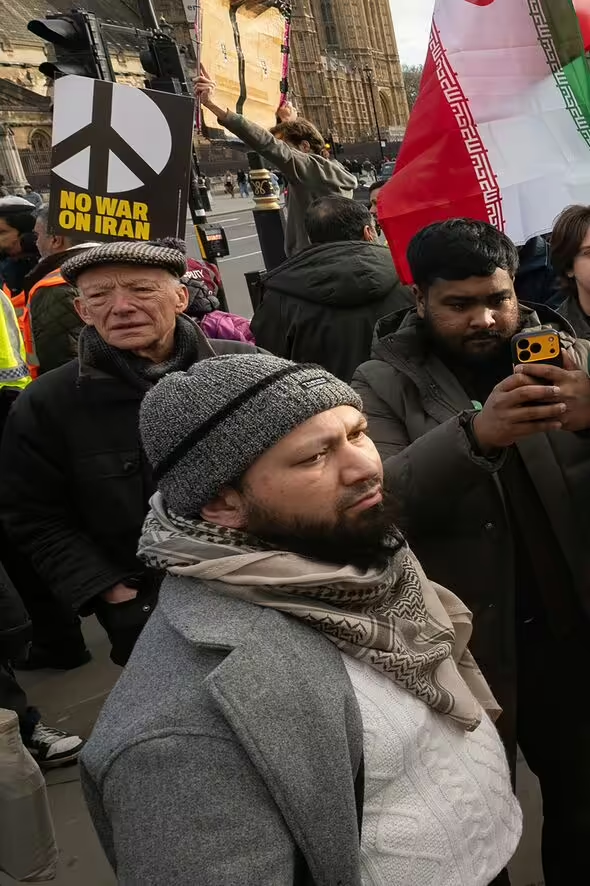
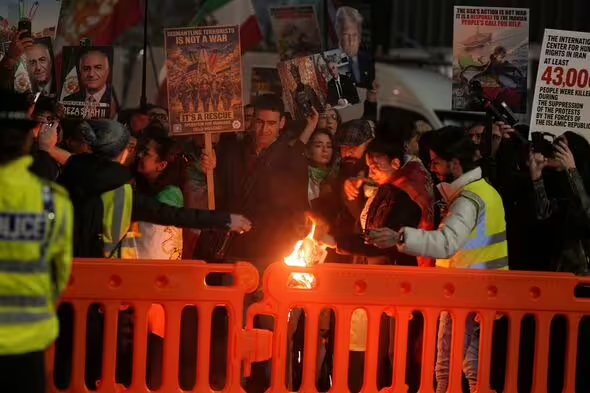
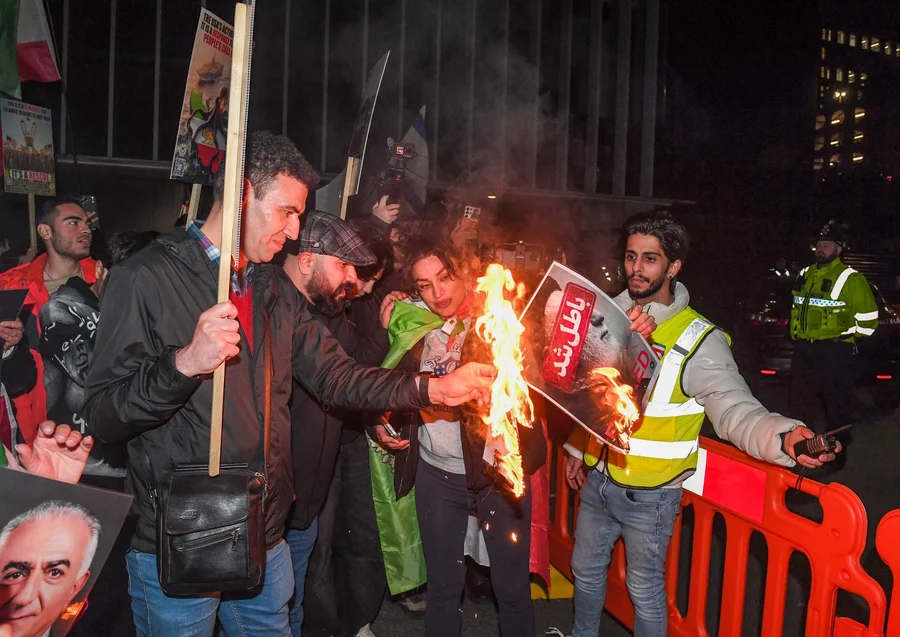
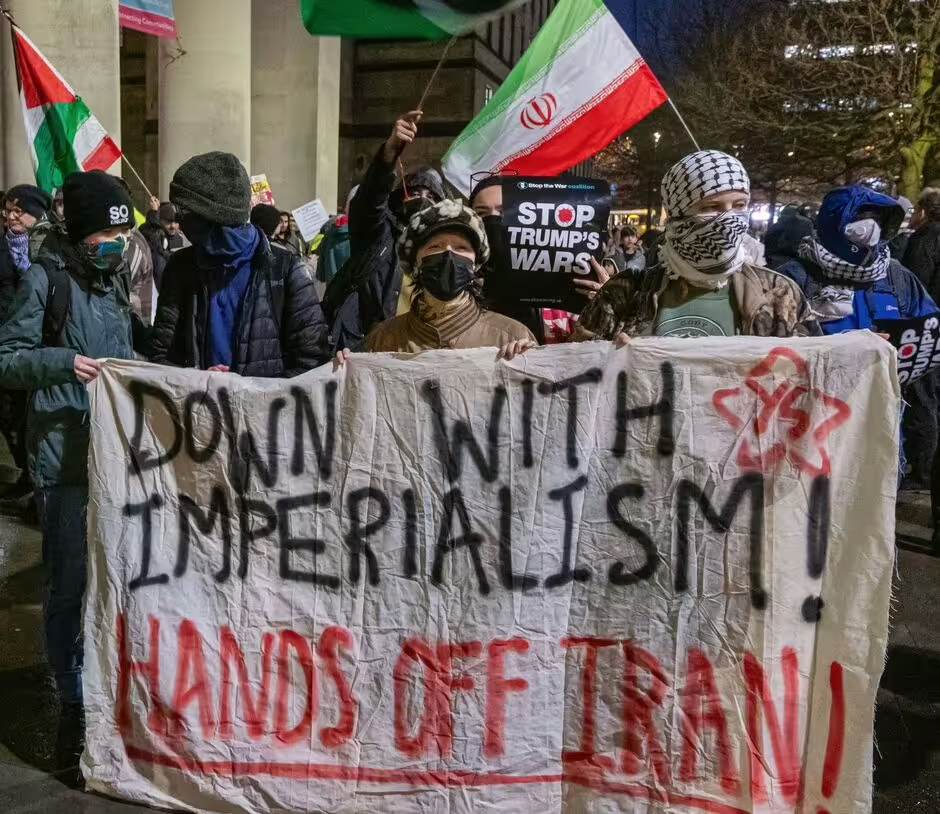
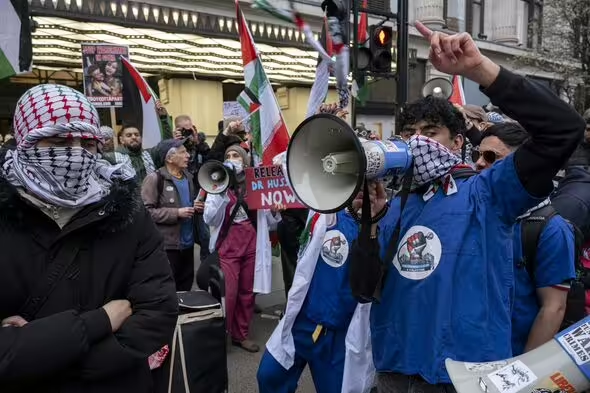
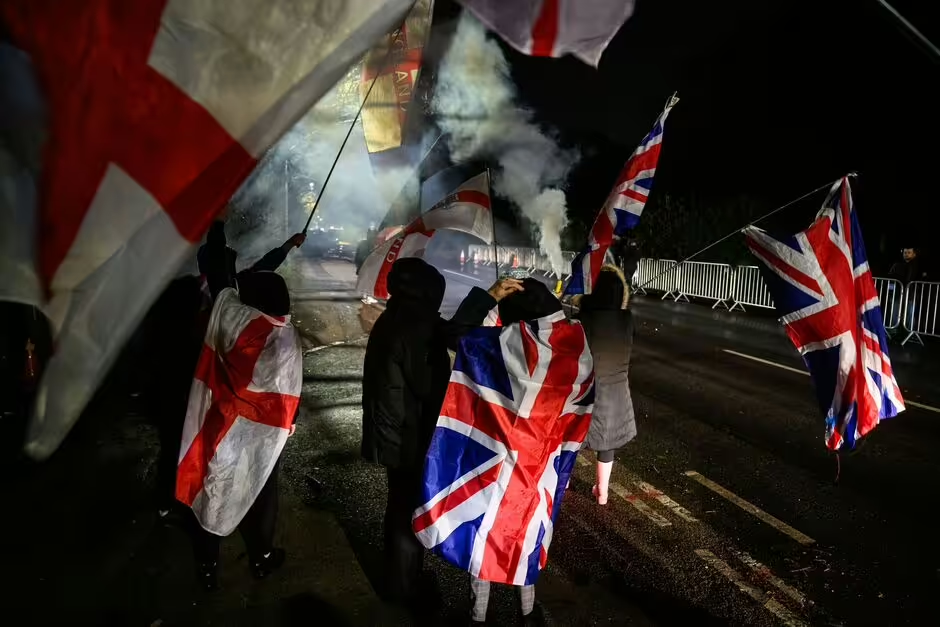
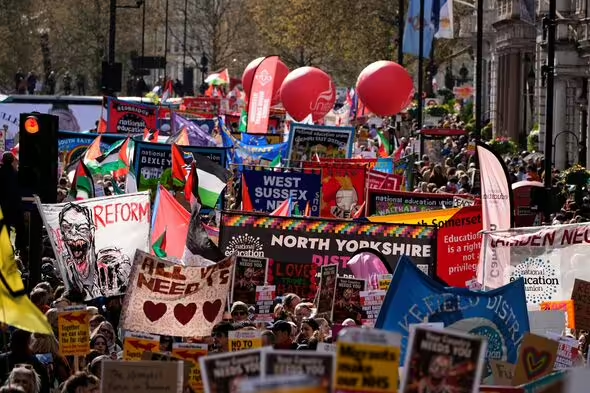
Pro-democracy Iranians celebrate with placards and flags (illustrative image) (Image: Getty)
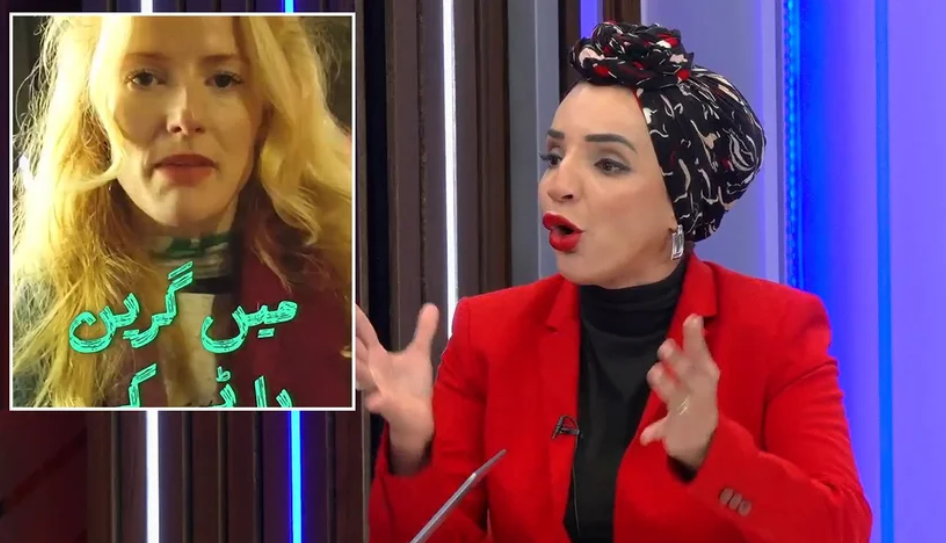
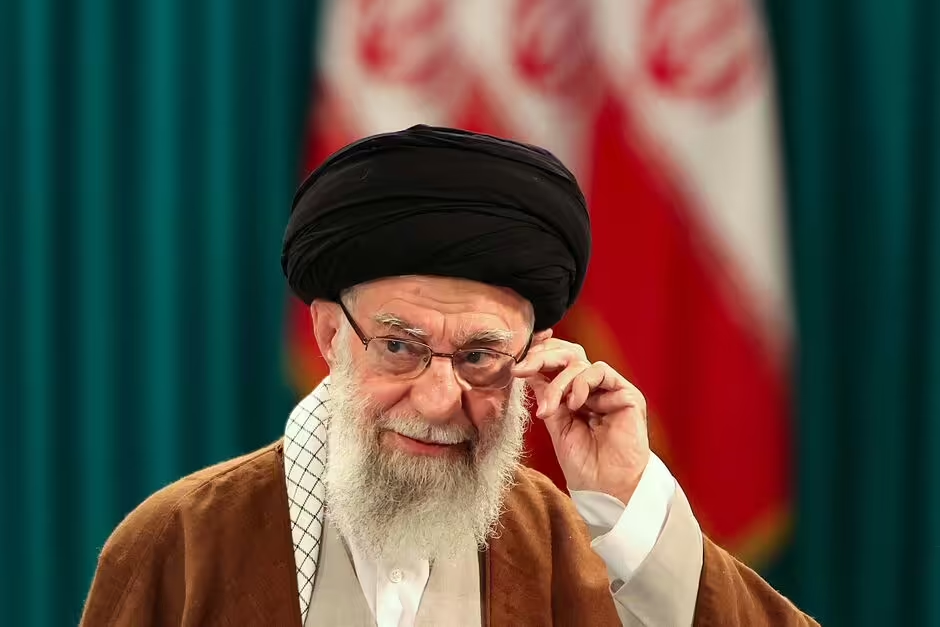
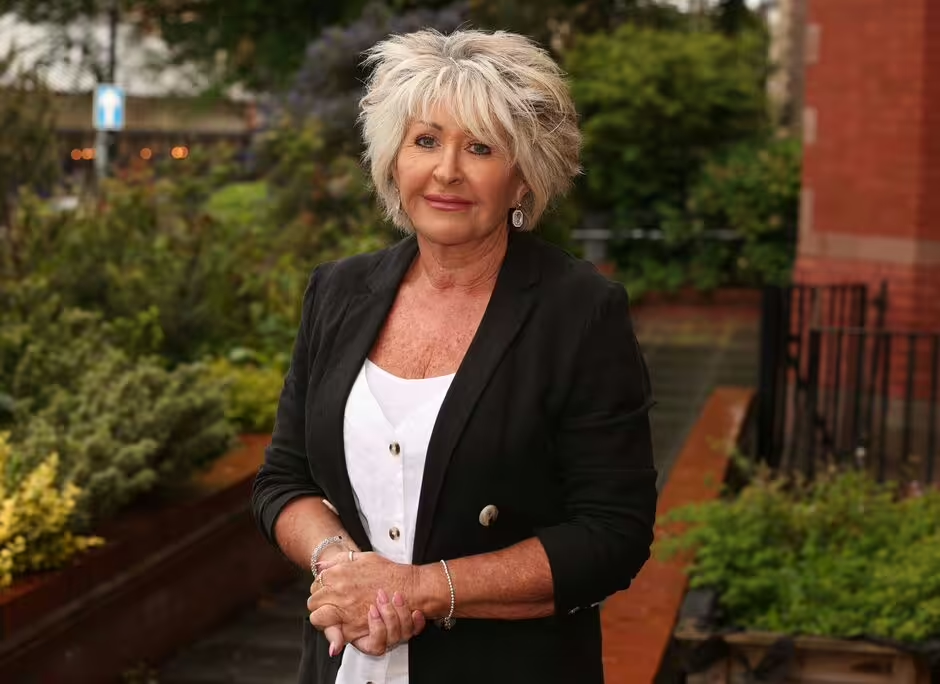
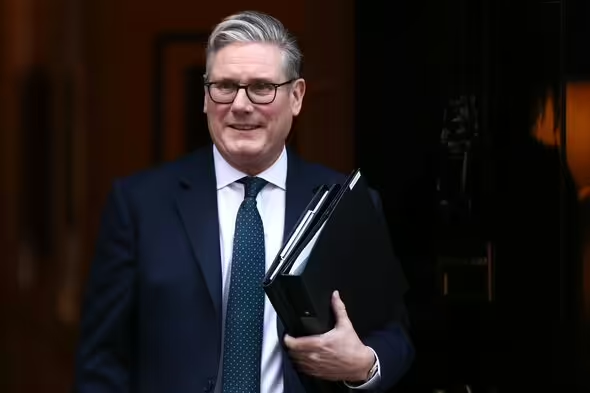
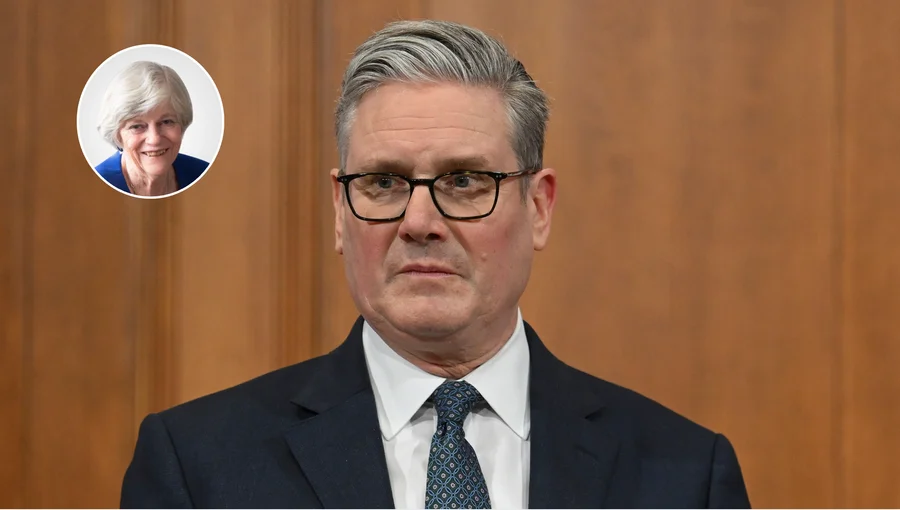
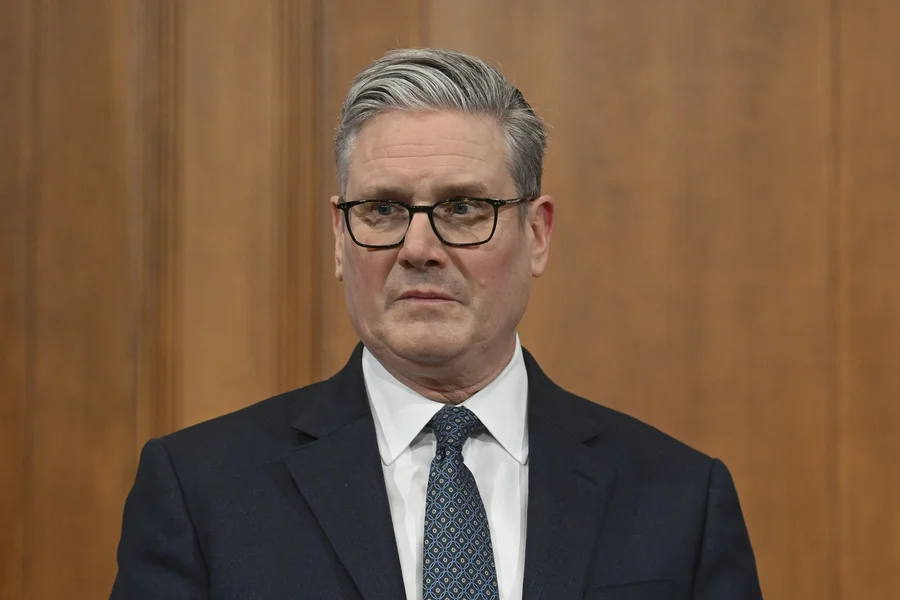
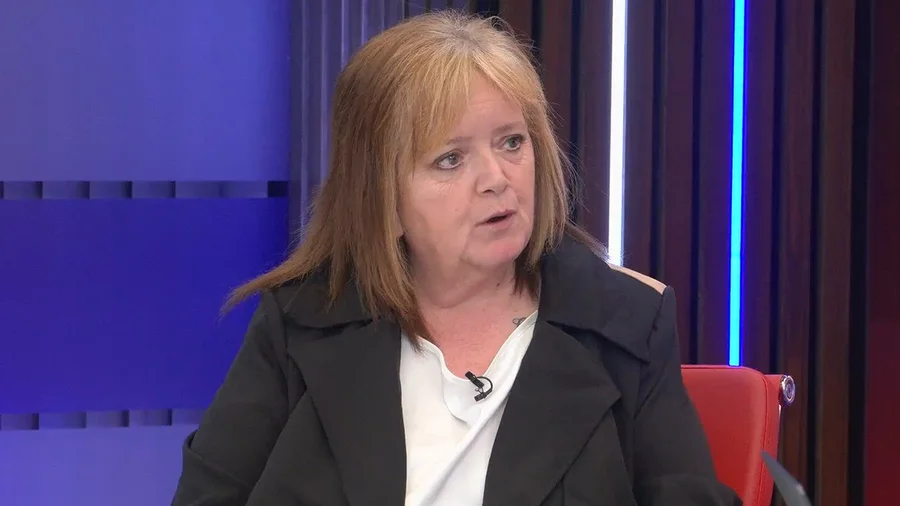
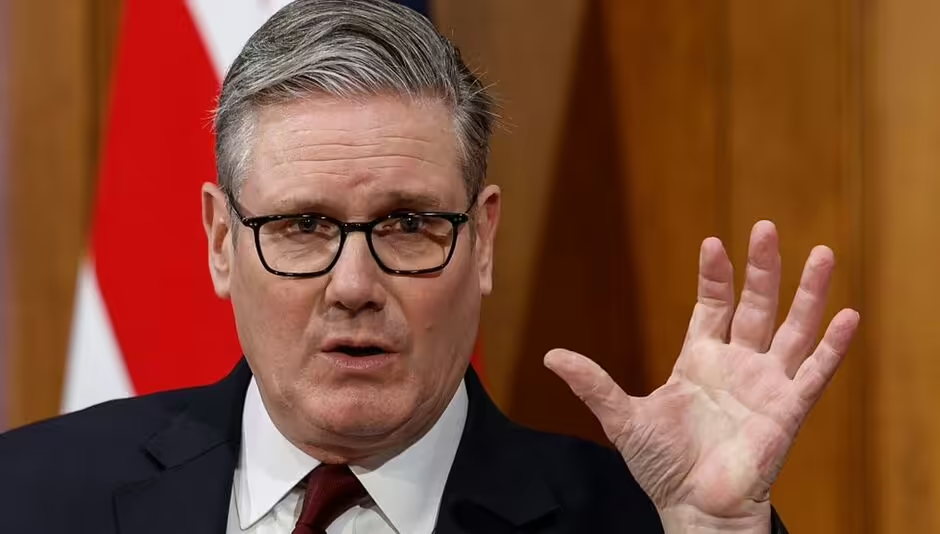
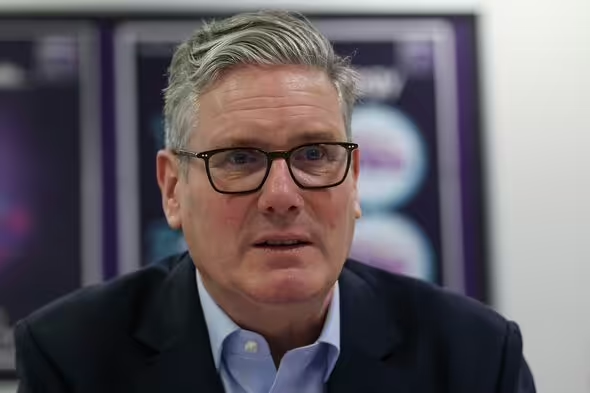
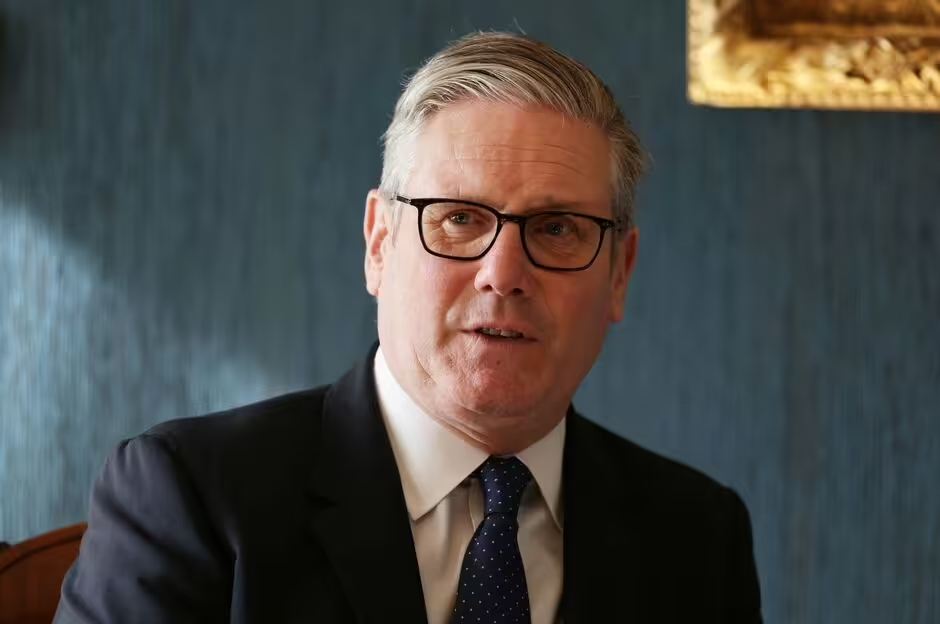
A British Iranian citizen has urged Prime Minister Sir Keir Starmer to act on what she deems a “meaningful” matter. The woman, who spoke to the Express under anonymity, “looked crazy with happiness” when she first heard that Ayatollah Ali Khomenei, Iran’s former leader, had died after decades of brutal rule.
“My phone blew up,” she said, “I got so many messages form all across the world, saying, ‘oh my god, this has this actually happened’. There was a sense of relief immediately, that my people are not alone and that they are being heard.”
But slowly, the euphoria has turned into anxiety. What’s next?
“It feels like you are on the edge of your seat, you don’t know what will happen. Tomorrow could be a really good day but also a really bad day. You are stuck in between a sense of joy and dread.”
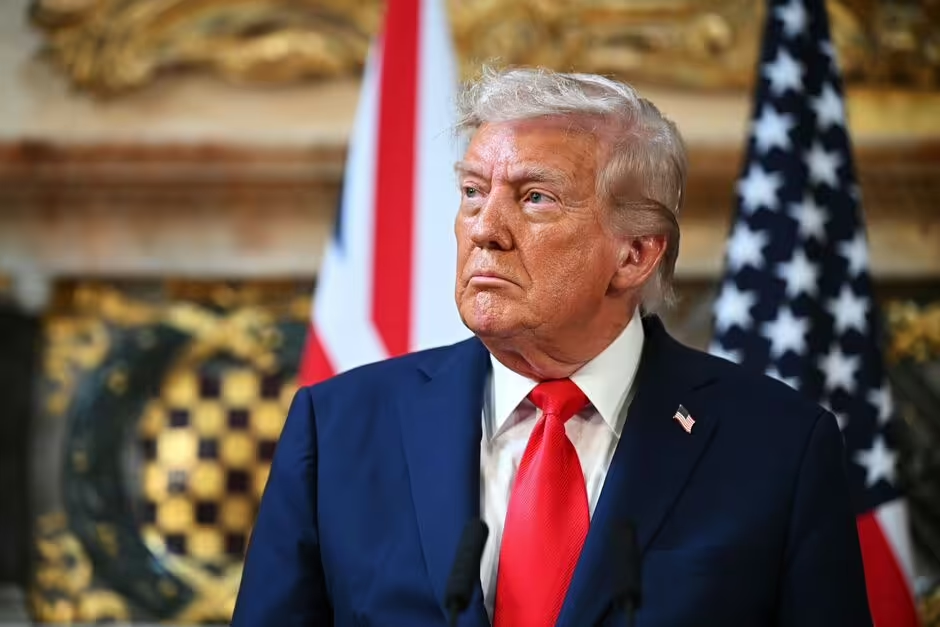
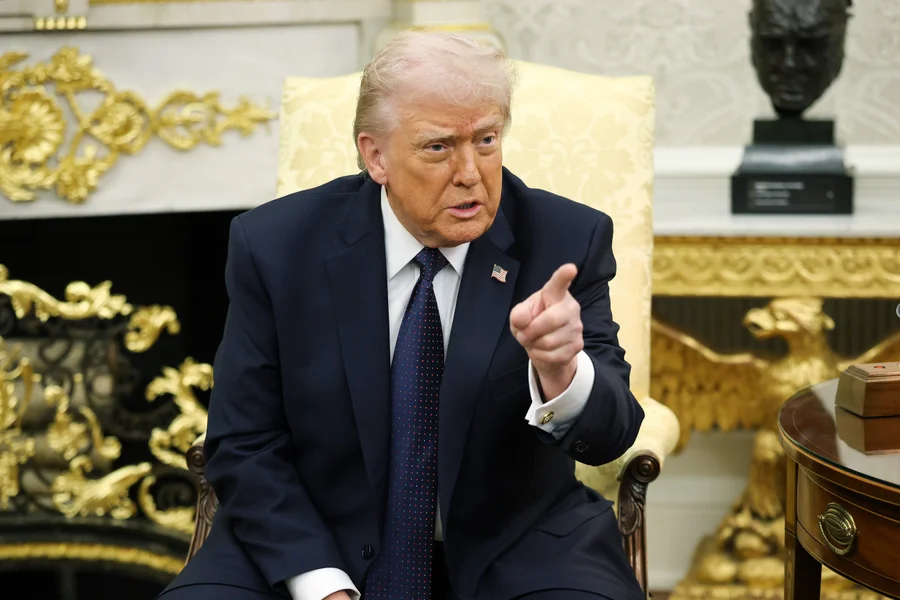
While she can’t be “stingy with hope” for a better future, one of her fears is that if Trump decides to negotiate with the remaining members of Iran’s regime, – which he has already agreed to do – the violence will not end.
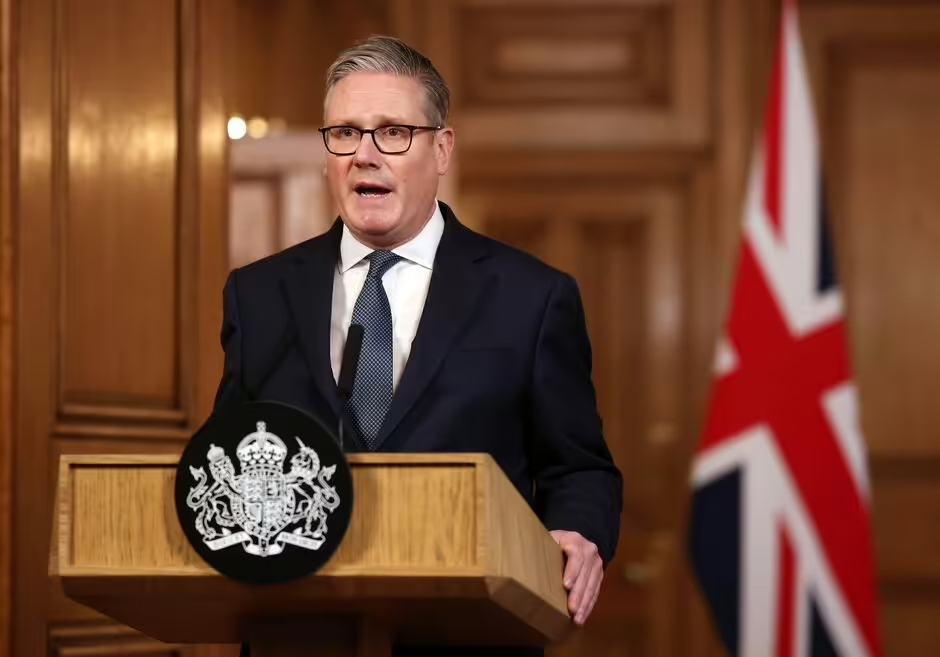
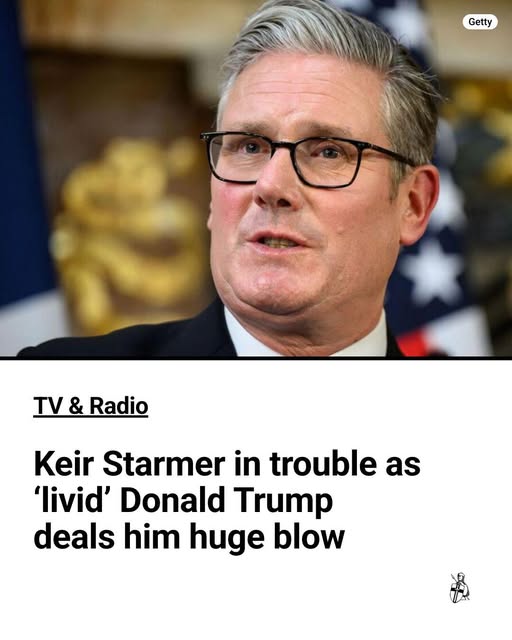
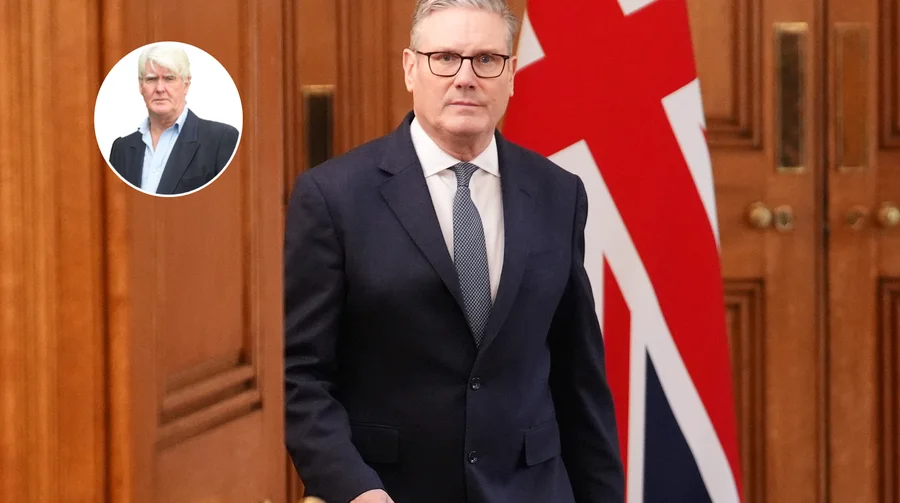
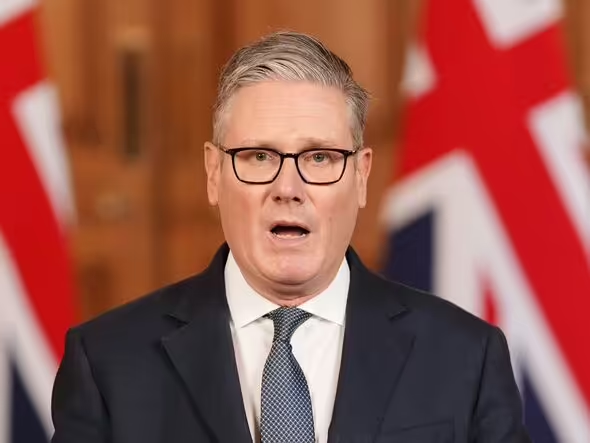
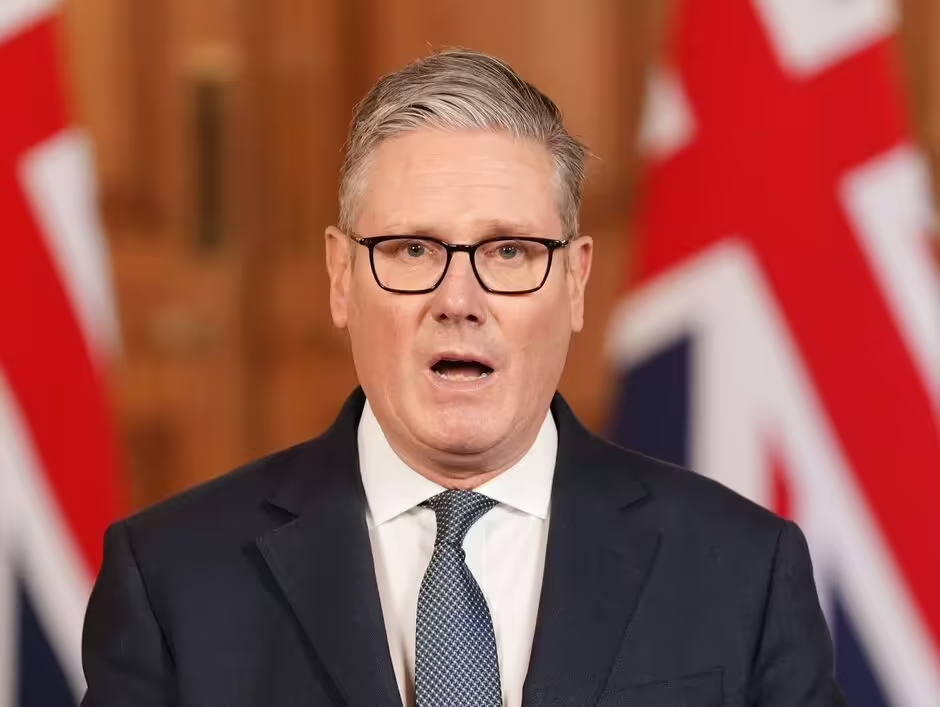
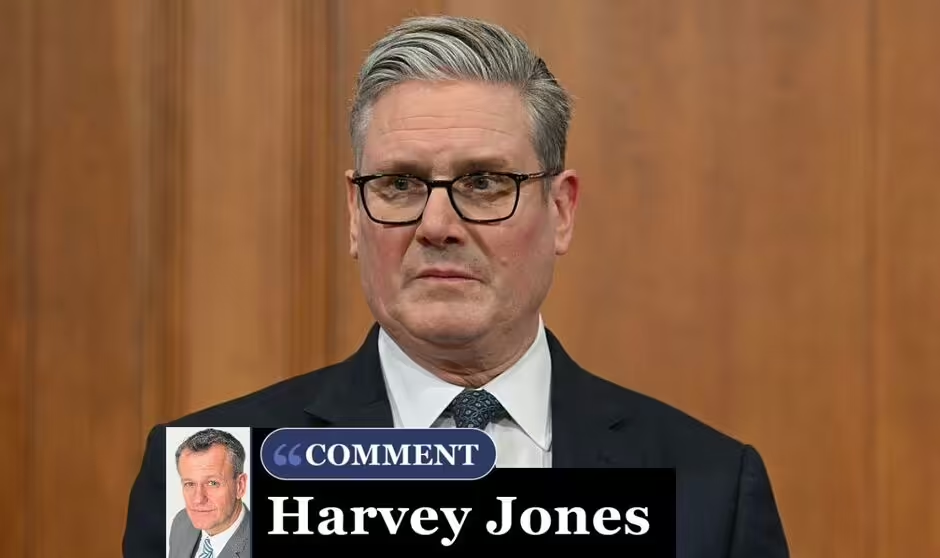
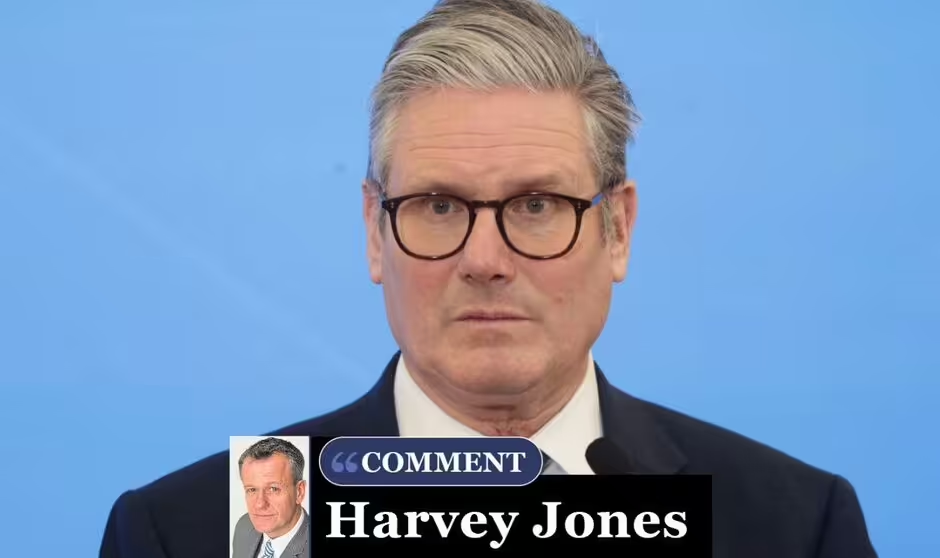
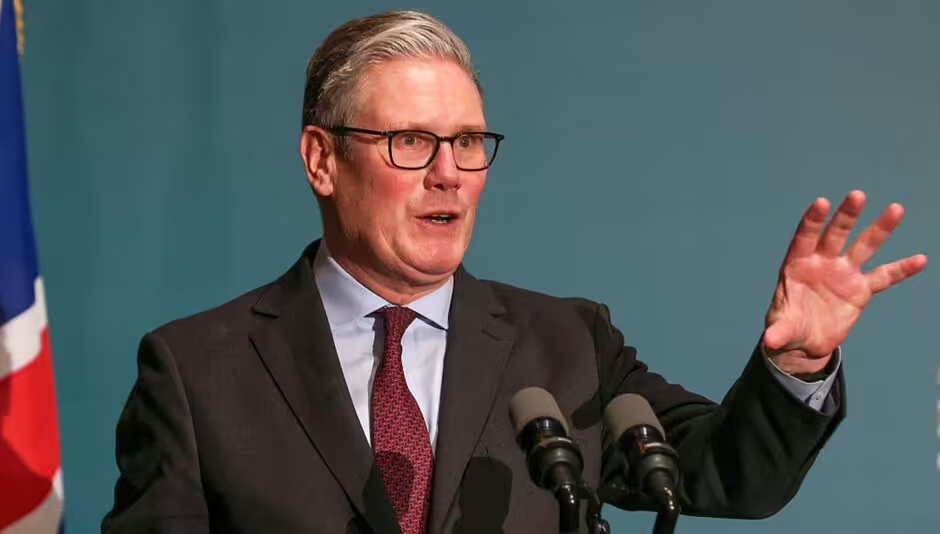
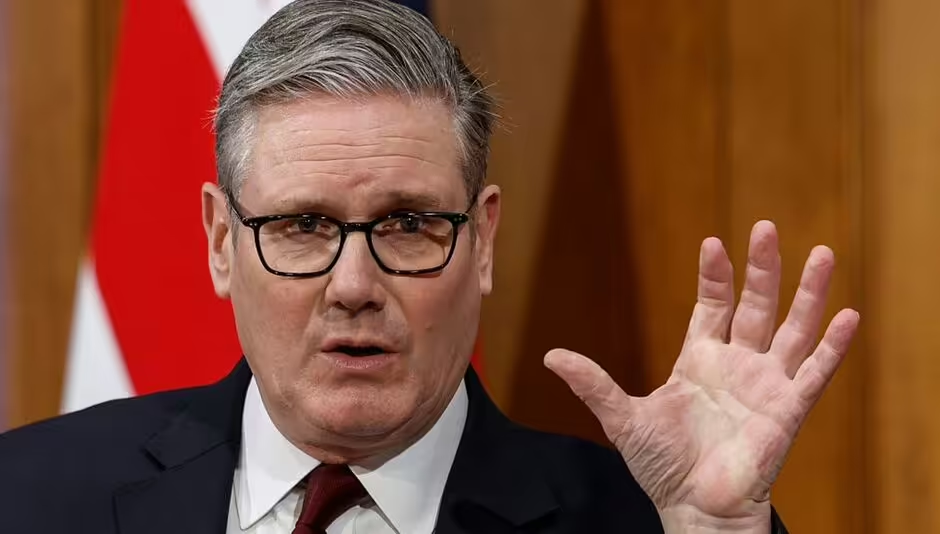
As for Britain’s position, she thinks “it is not Keir Starmer’s fight”. Instead of joining Trump in the war, there is an important aspect of the British-Iranian relations that could toughen the prime minister’s stance, described by some as “pathetic”.
What she would like to see is Sir Keir “diplomatically acknowledging what is going on” through one clear action – recognising the Islamic Revolutionary Guard Corps (IRGC) as a terrorist organisation.
She said: “The IRGC are a terrorist-like force. I think that it would be a good move to see the UK acknowledge those actions by recognising the nature of the organisation and the violence.”
Also known as the Iranian Revolutionary Guards, IRGC is Iran’s most powerful armed force, established in 1979 after the Islamic revolution.
It has around 190,000 active personnel. The IRGC manages Iran’s ballistic missile programme, is responsible for security for the country’s nuclear programme and coordinates with its regional allies. Answering directly and only to the supreme leader – until Saturday Ayatollah Ali Khamenei – it is also deeply entrenched in Iran’s political and economic structures.

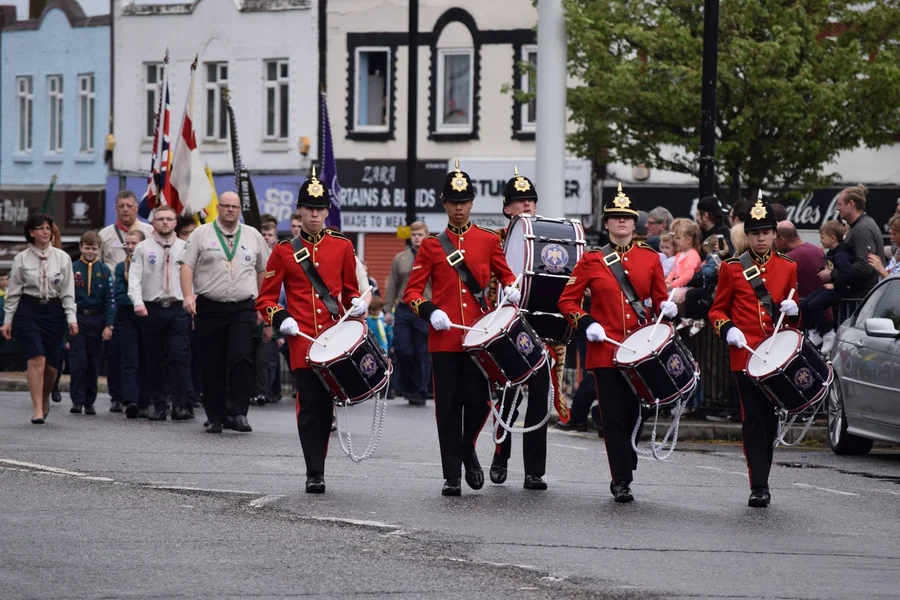
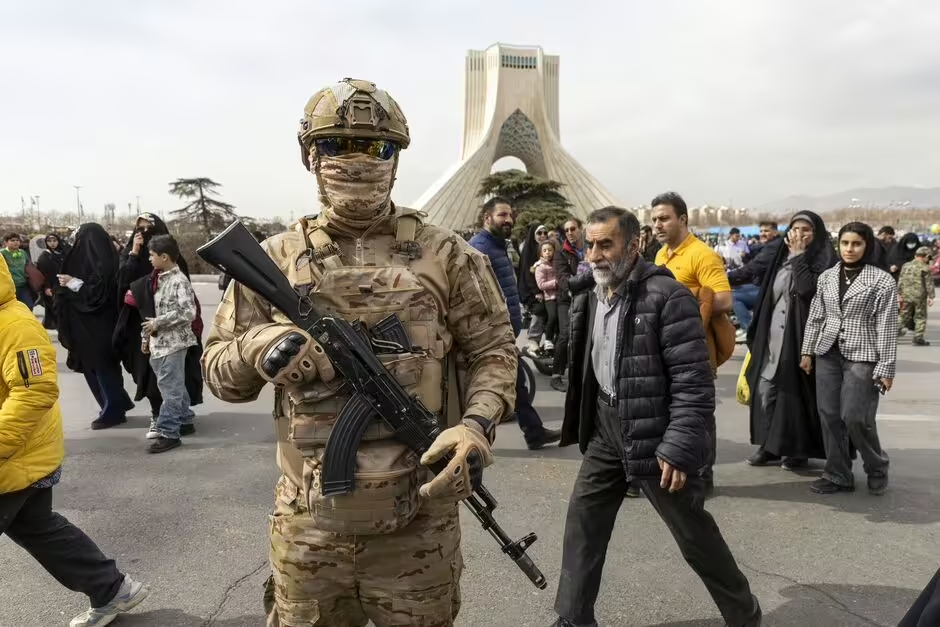
Iran’s Islamic Revolutionary Guard Corps (Image: Getty)
Perhaps most strikingly, according to video analysis and eyewitness accounts, the IRGC also stood behind the brutal and deadly crackdown of nationwide protests in the country.
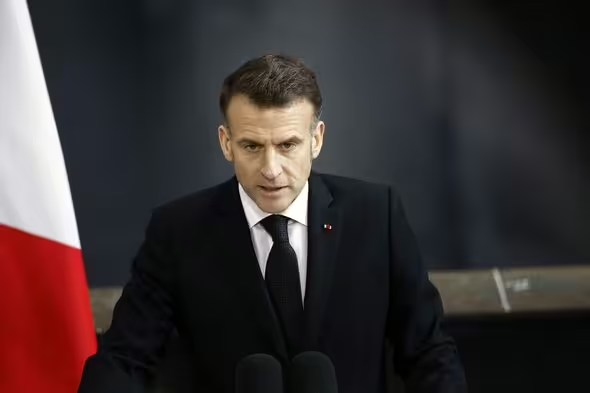
Australia, Canada and the US have already classified the IRGC as a terror group. Most recently, following the January protests, the EU also joined the list, putting the Guard on the same level as jihadists like al-Qaeda and ISIS. Initially, France, Spain and Italy showed reluctance due to fears of complete rupture in relations, but finally decided to support the unanimous decision.
But to date, the same cannot be said about the UK.
The British Iranian said: “How far must the IRGC have to go in its terrorising of people and brutal murder of protesters for Sir Keir to recognise that it is a terrorist organisation? And more importantly, why hasn’t he already, what is holding him back?
“I think it [the recognition] is meaningful because they [the UK government] would have to close down some of the relationships [with Iran].
“What kind of business could the government of Iran be conducting for Starmer to be reluctant to do this? It is really quite interesting.
“You would think that after the US and EU declared it a terrorist organisation, the UK would follow.”
 Get More of Our News on Google
Set Daily Express as a ‘Preferred Source’ to get quicker access to the news you value.

Under Terrorism Act 2000, it is illegal for anyone in the UK to do business with, fund or support a proscribed terrorist organisation.
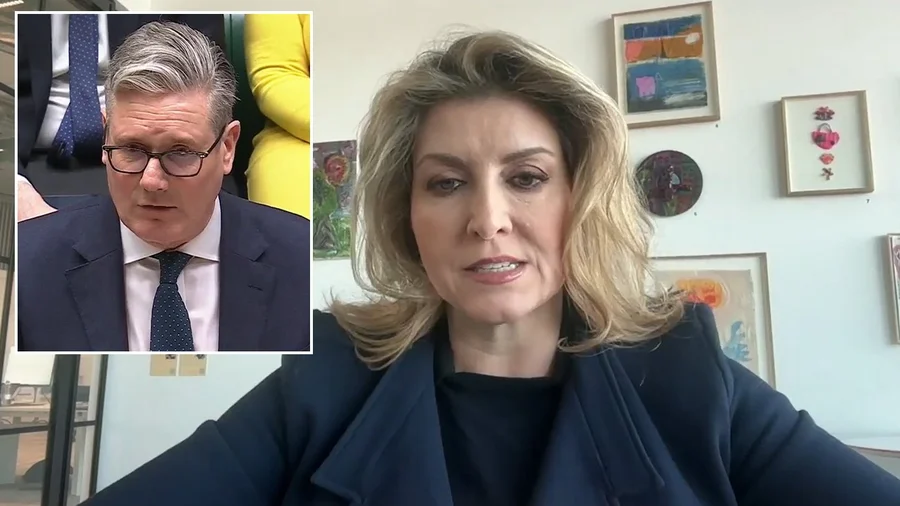
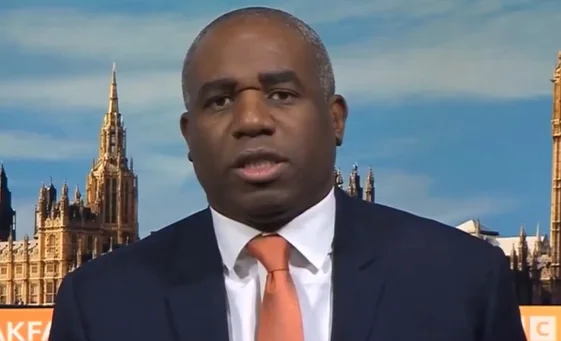
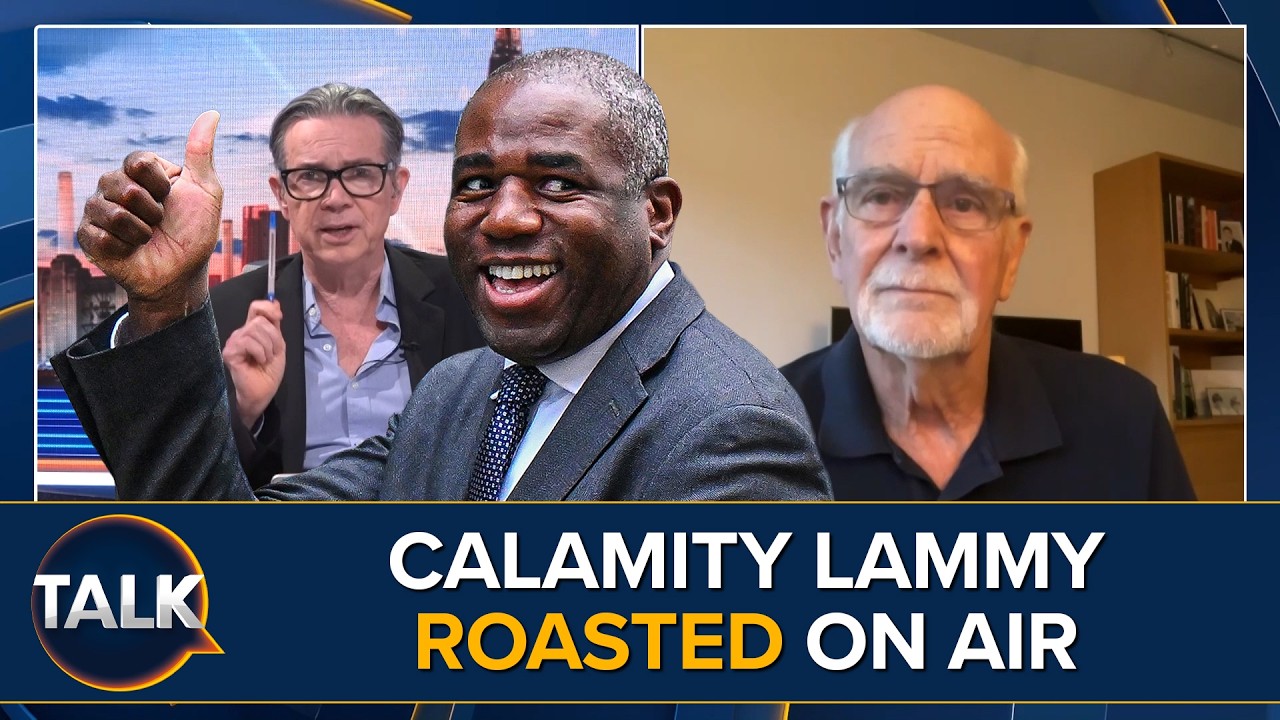
On Wednesday, UK Deputy Prime Minister David Lammy condemned Iran’s “brutal oppression of peaceful protesters” but said it was long-standing government policy “not to comment on whether a specific organisation is being considered for proscription”.