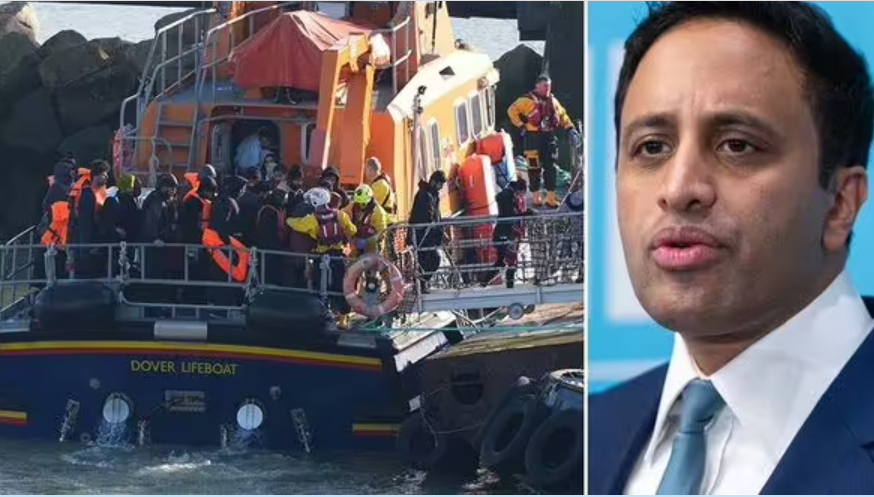
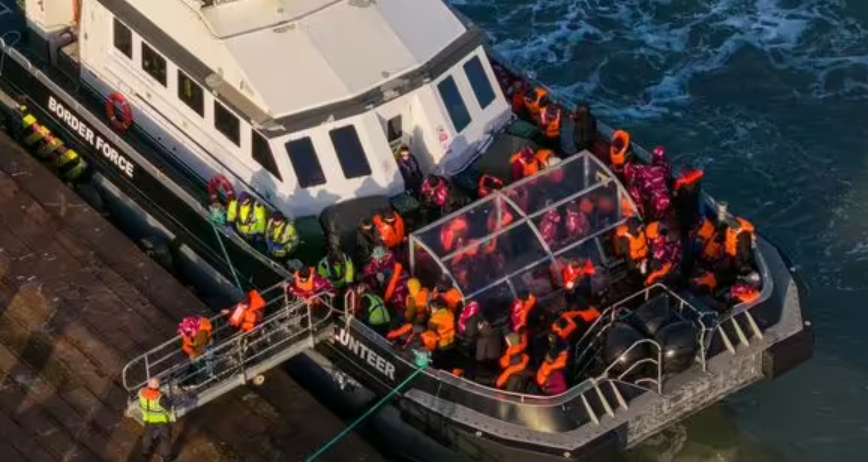
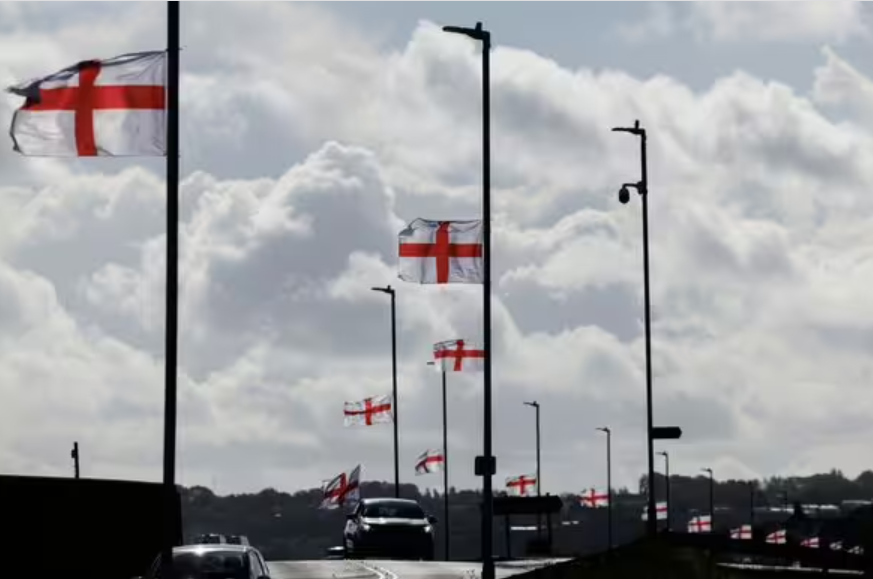
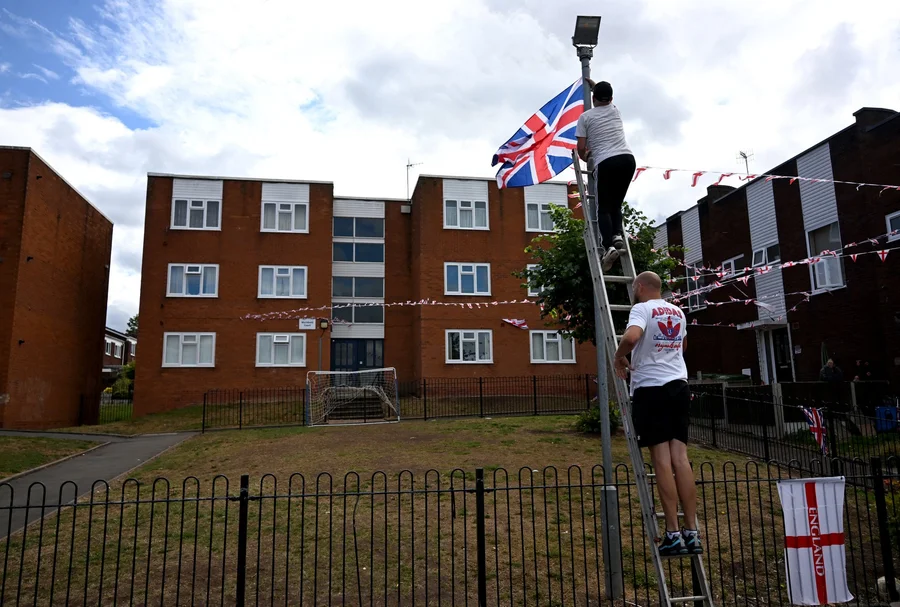
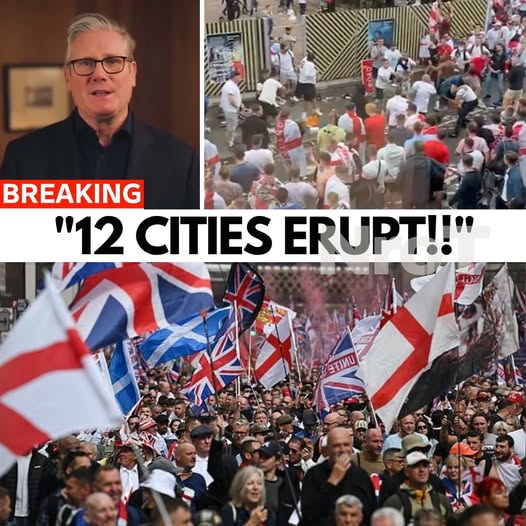
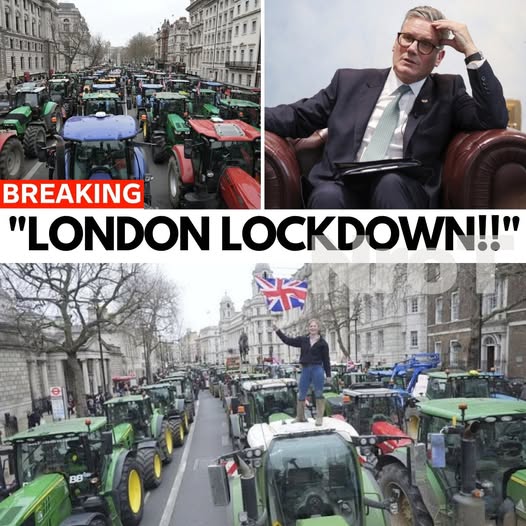
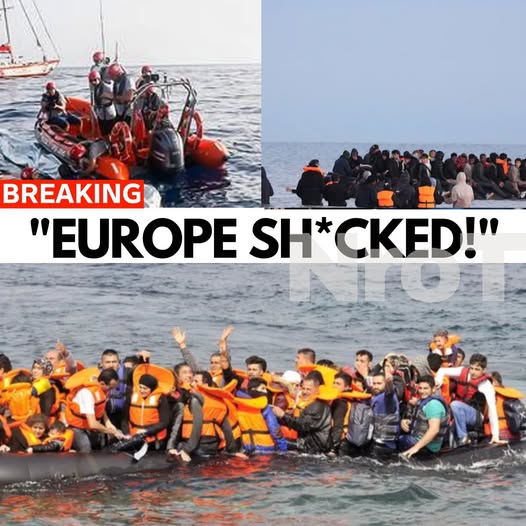
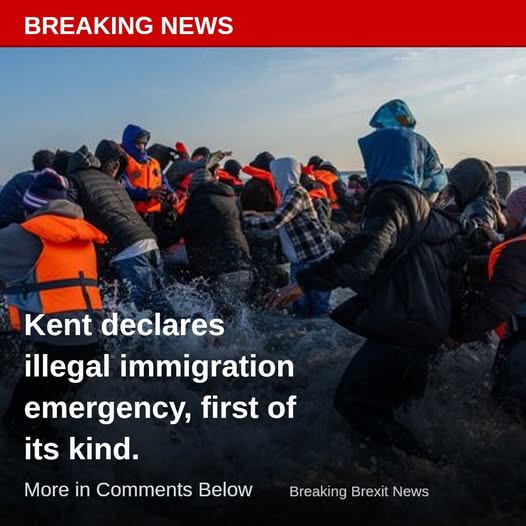
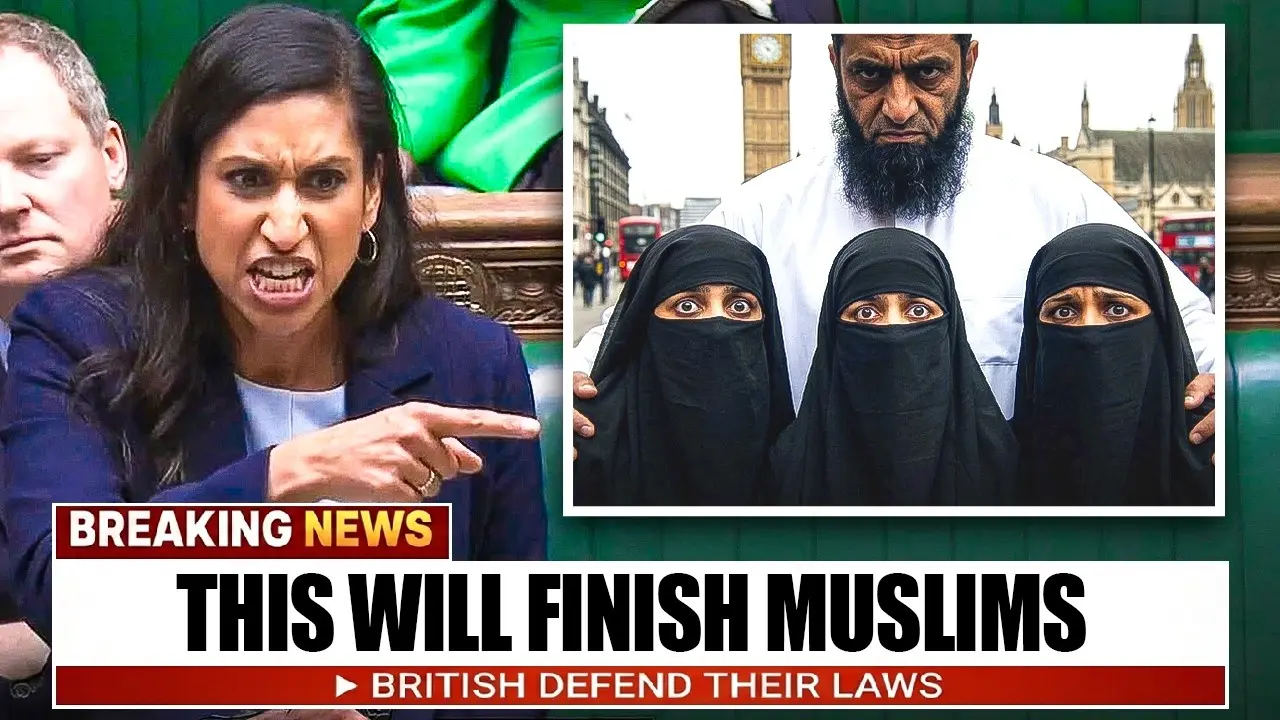
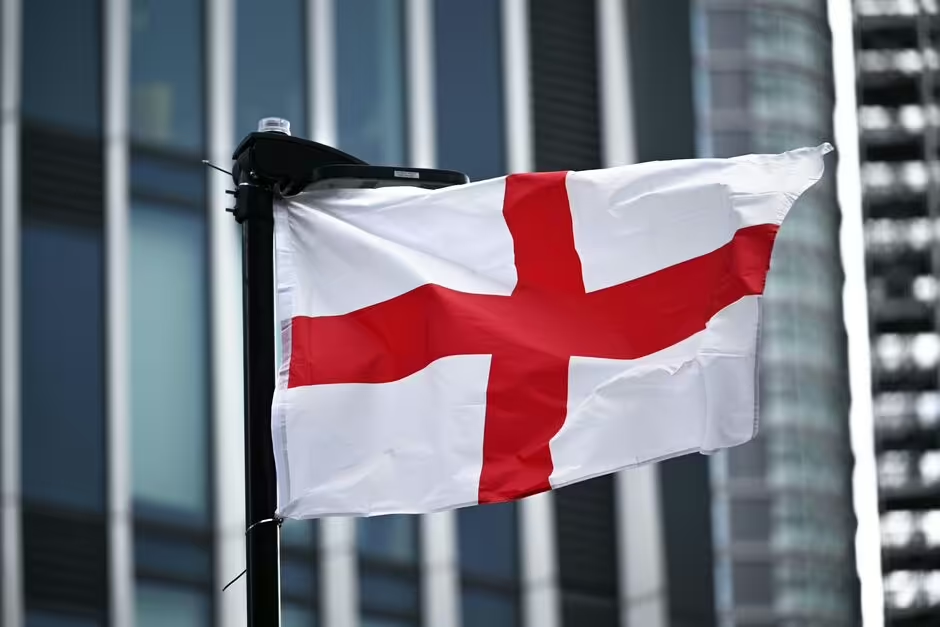
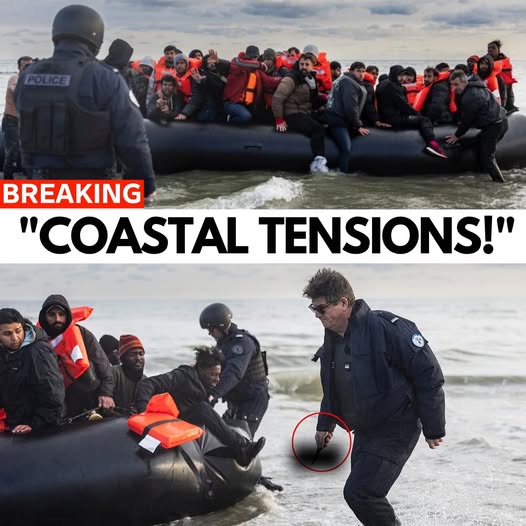
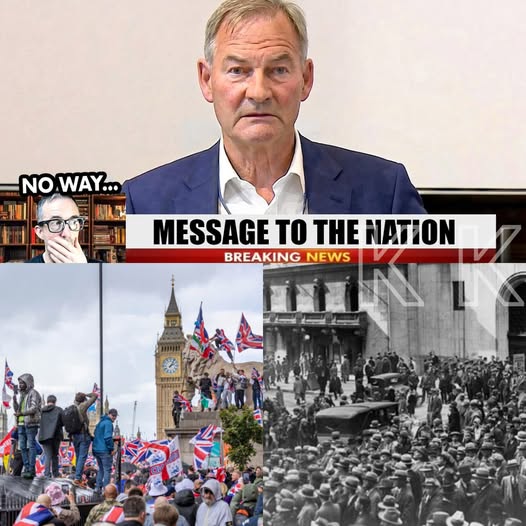
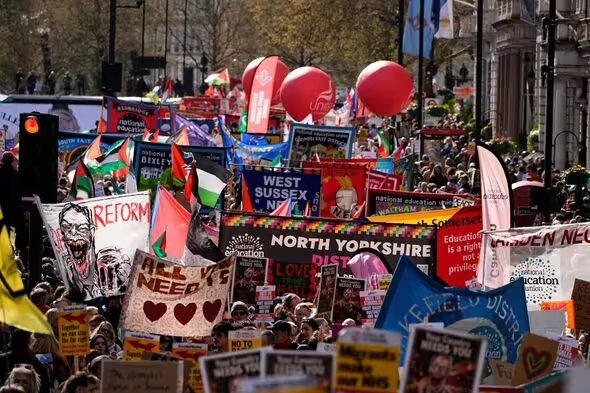
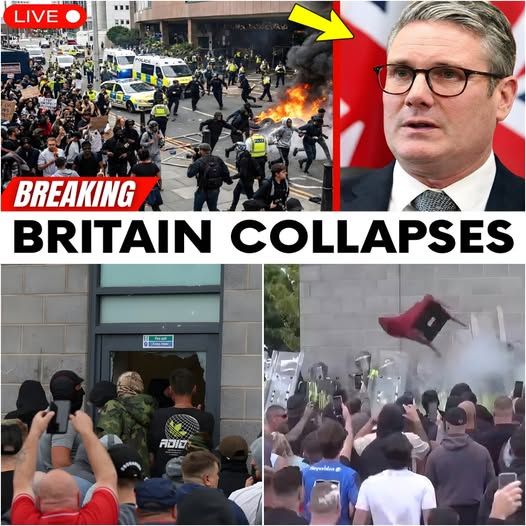
The streets of fifteen major British cities have recently become the epicentre of a significant and increasingly volatile political struggle regarding national immigration accommodation strategies.
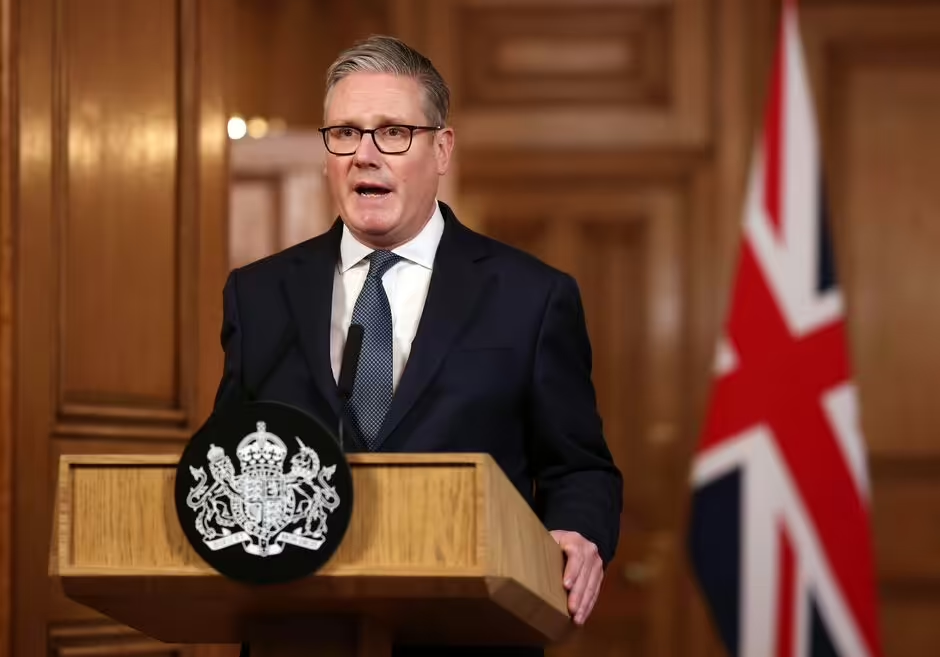
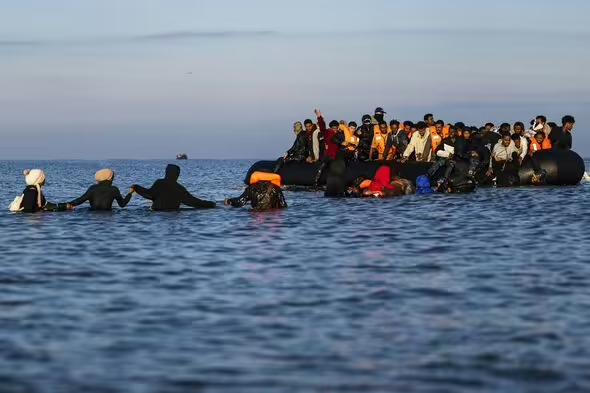
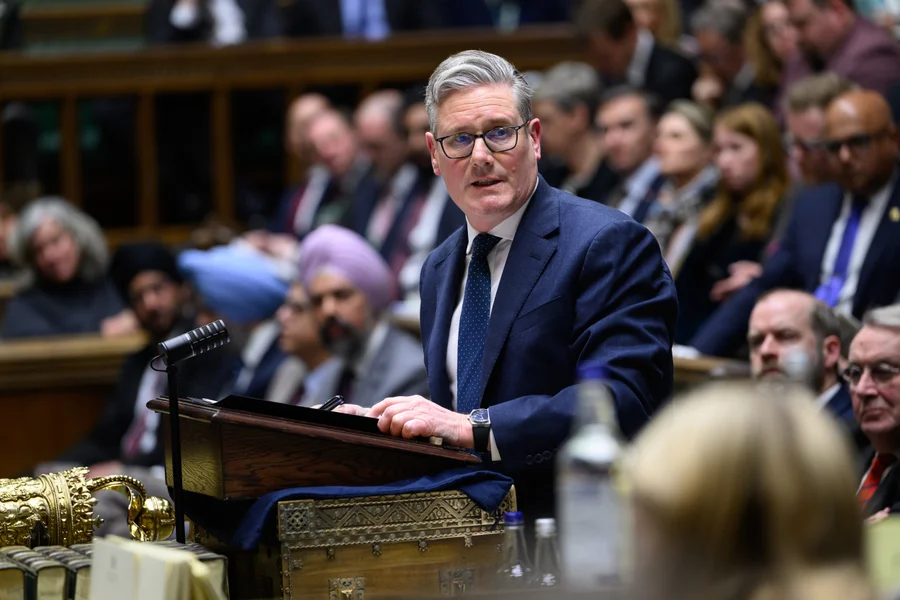
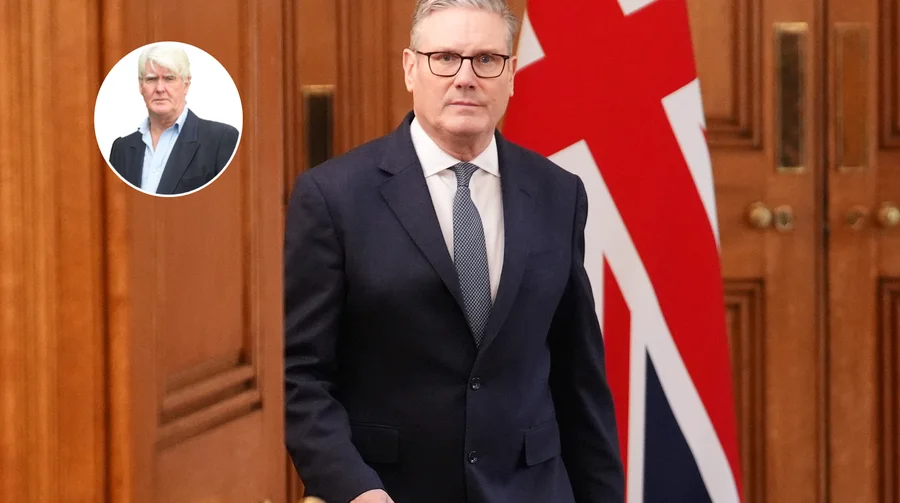
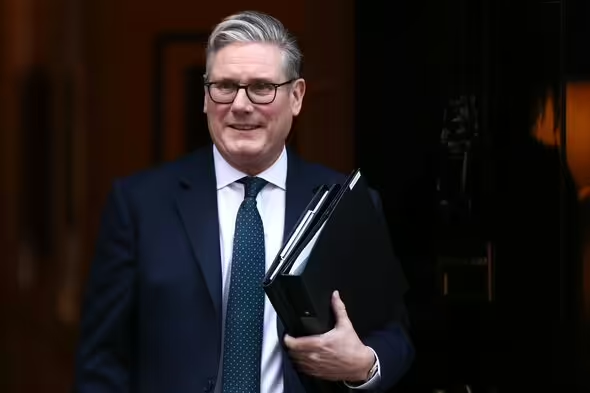
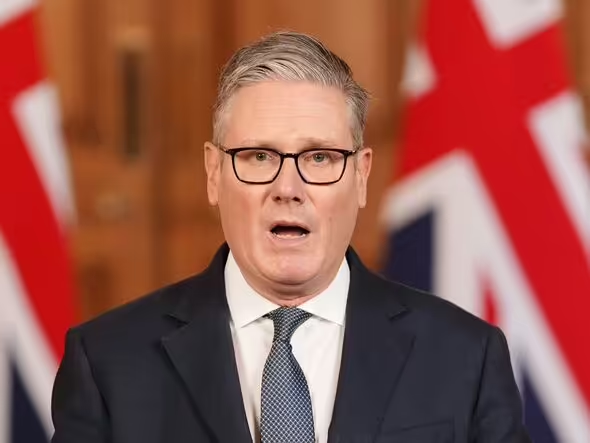
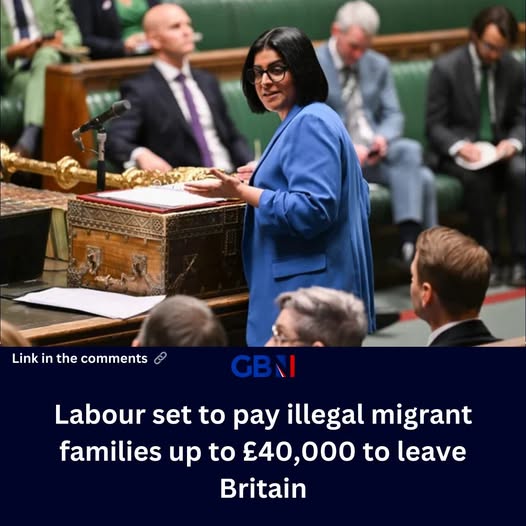
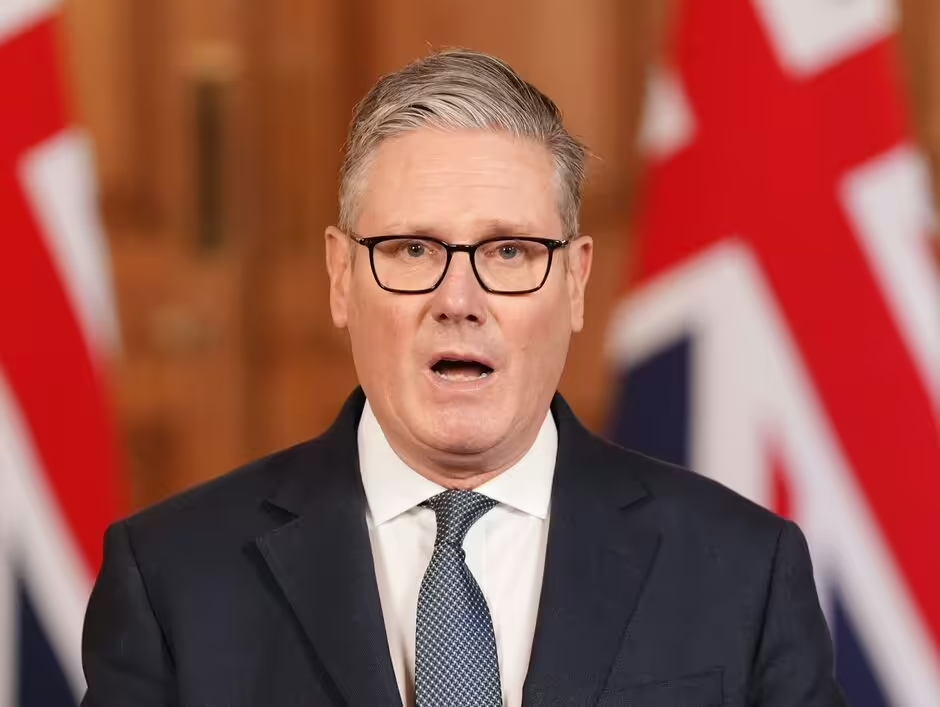
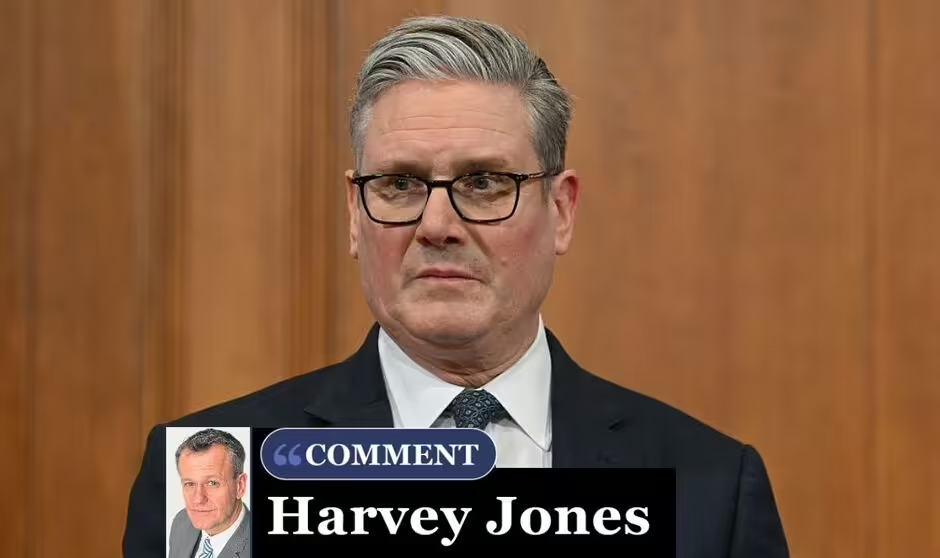
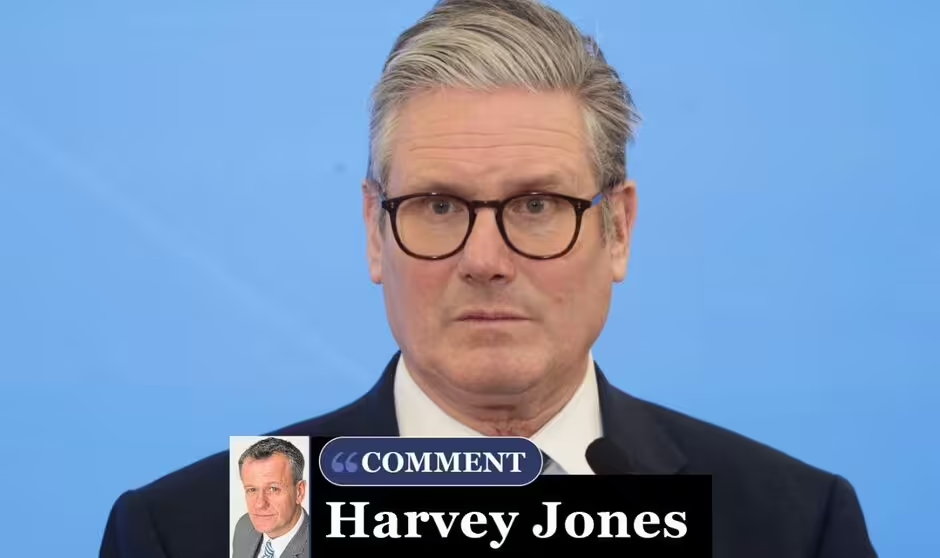
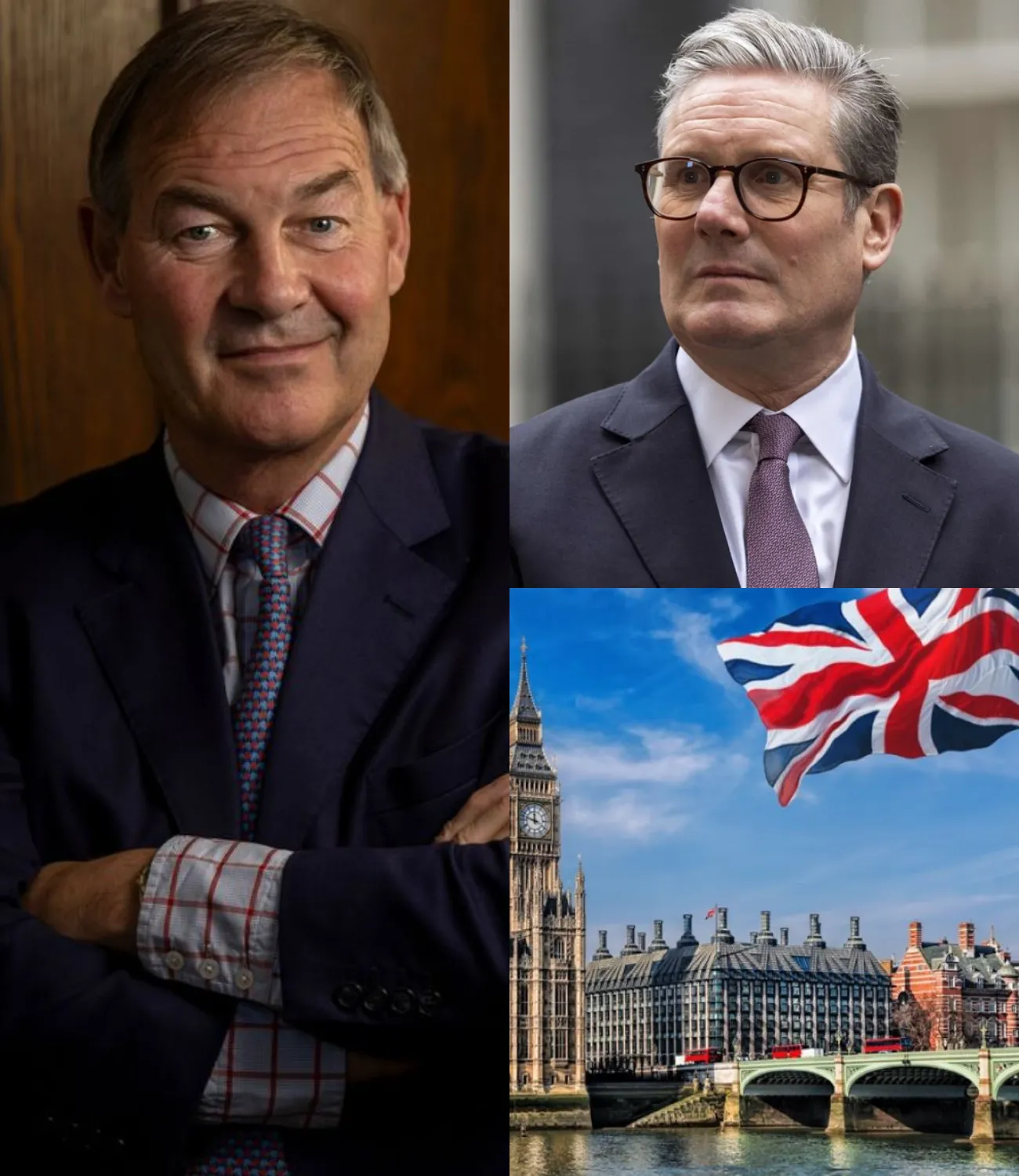
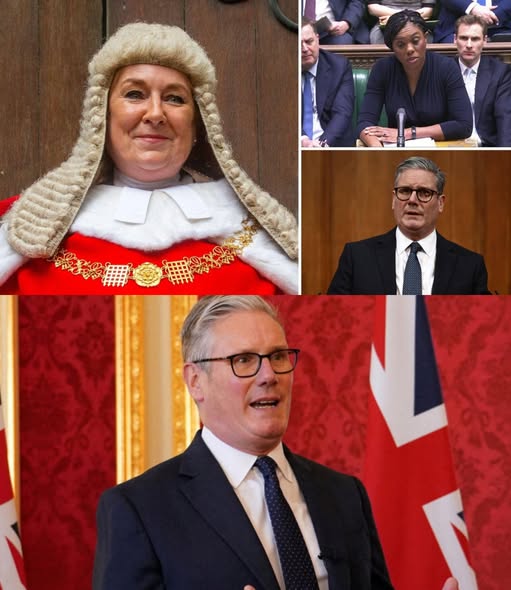
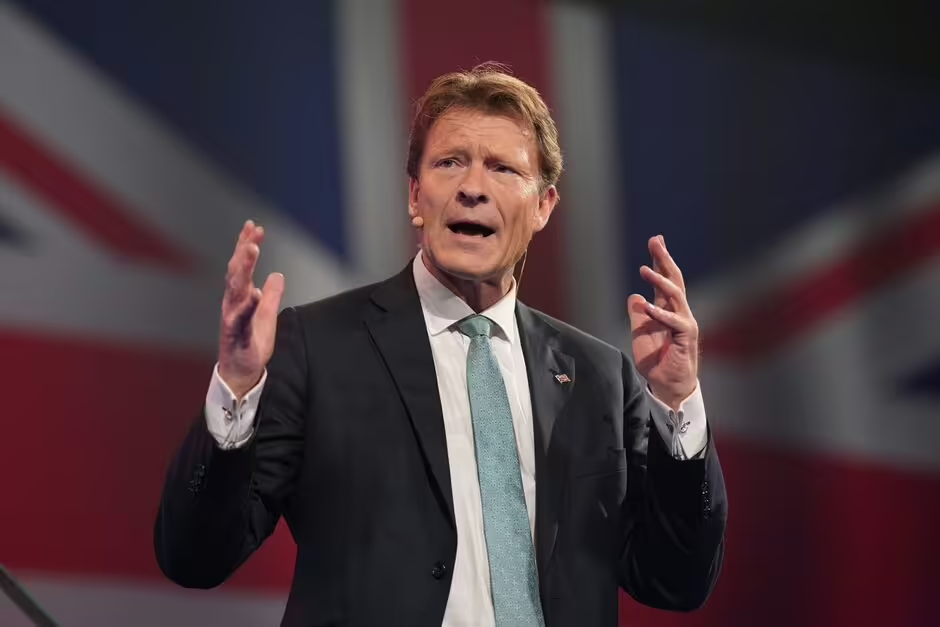
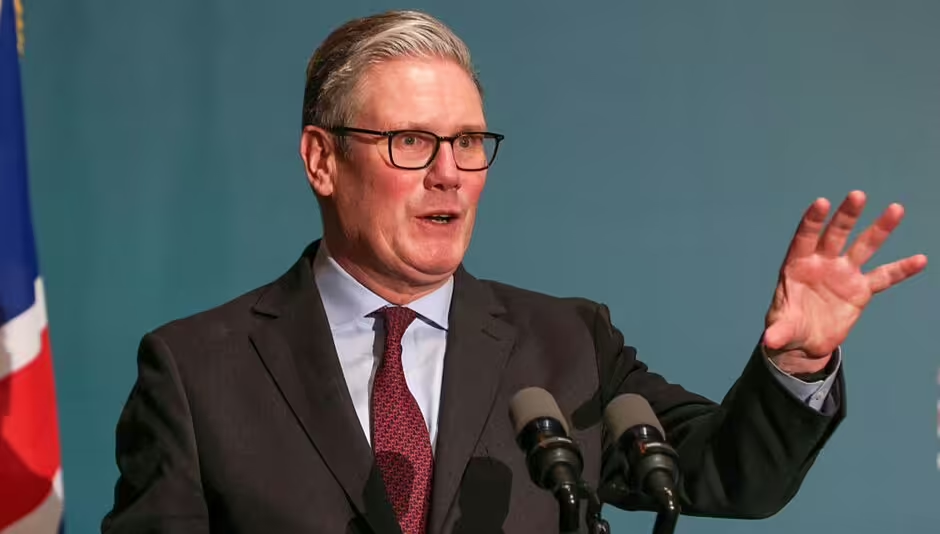
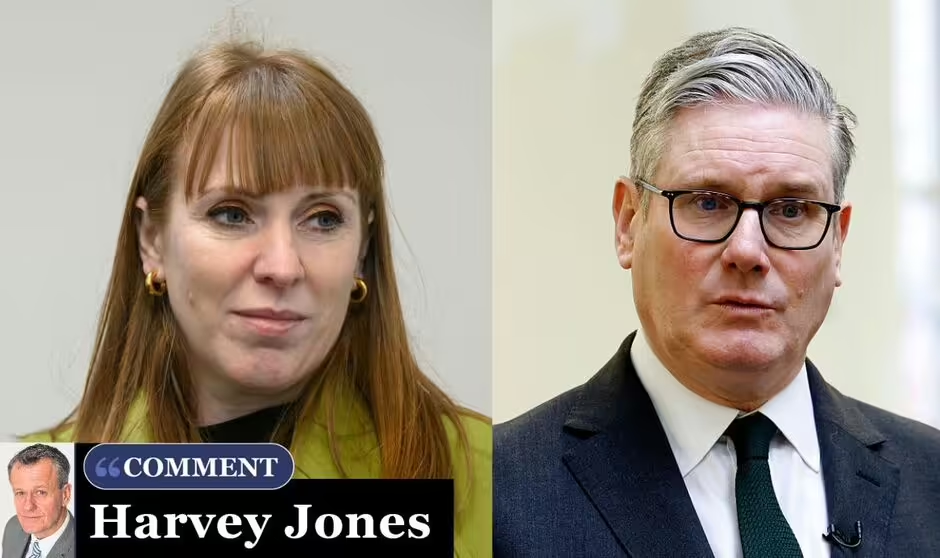
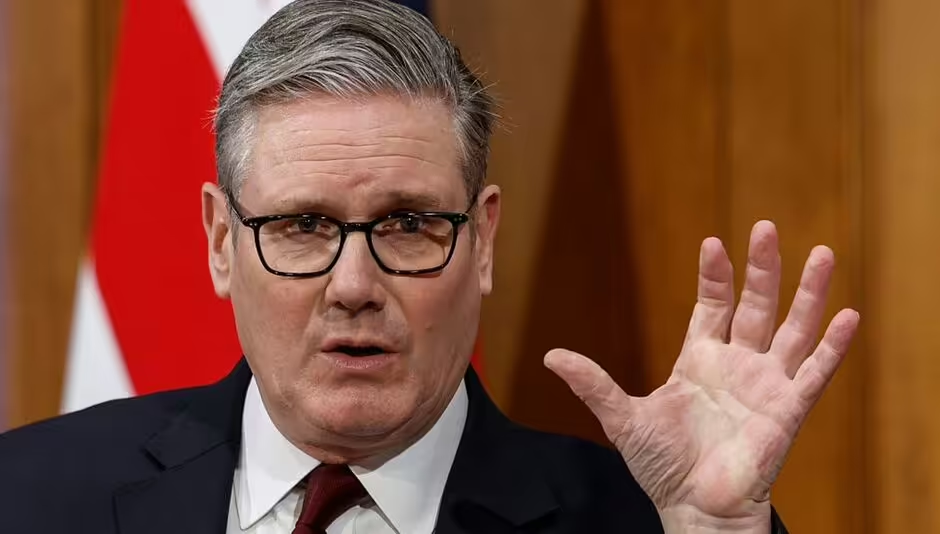
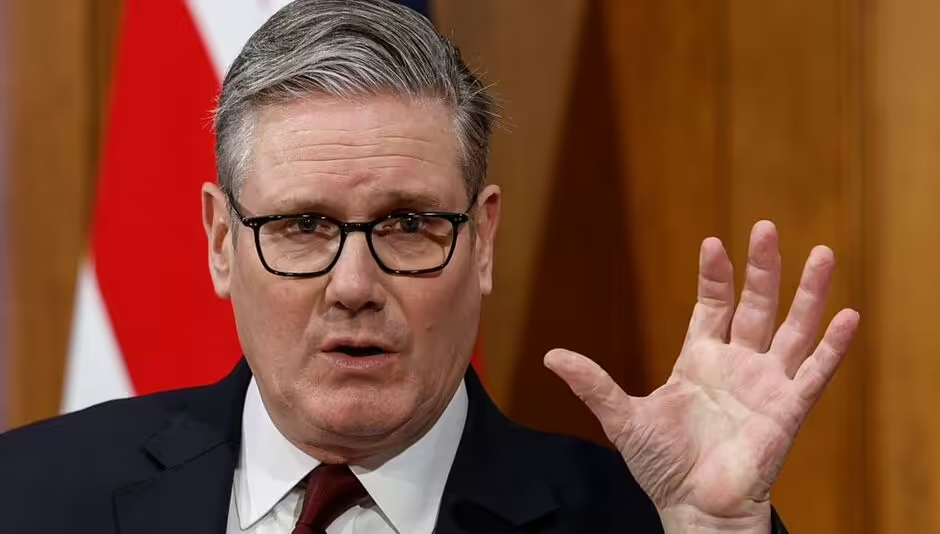
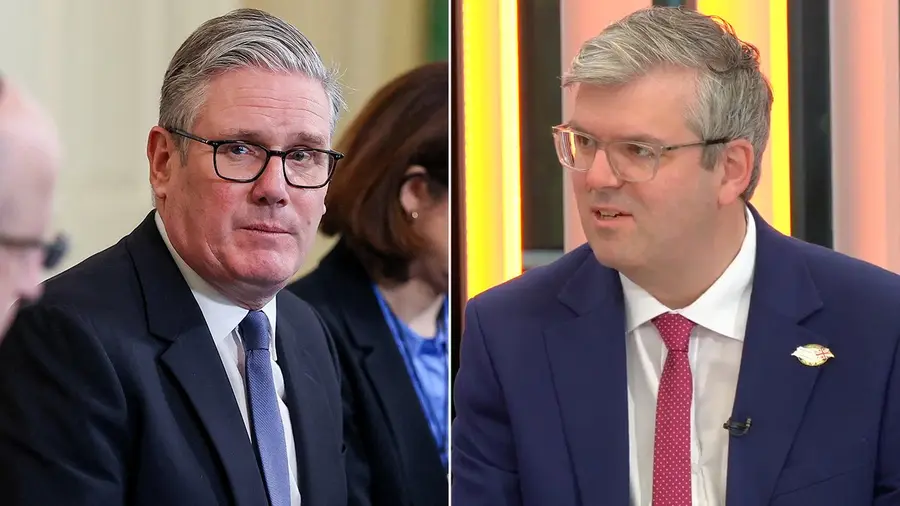
Prime Minister Keir Starmer is currently facing mounting pressure as Home Office policies regarding the housing of migrants trigger widespread public unrest across the United Kingdom.

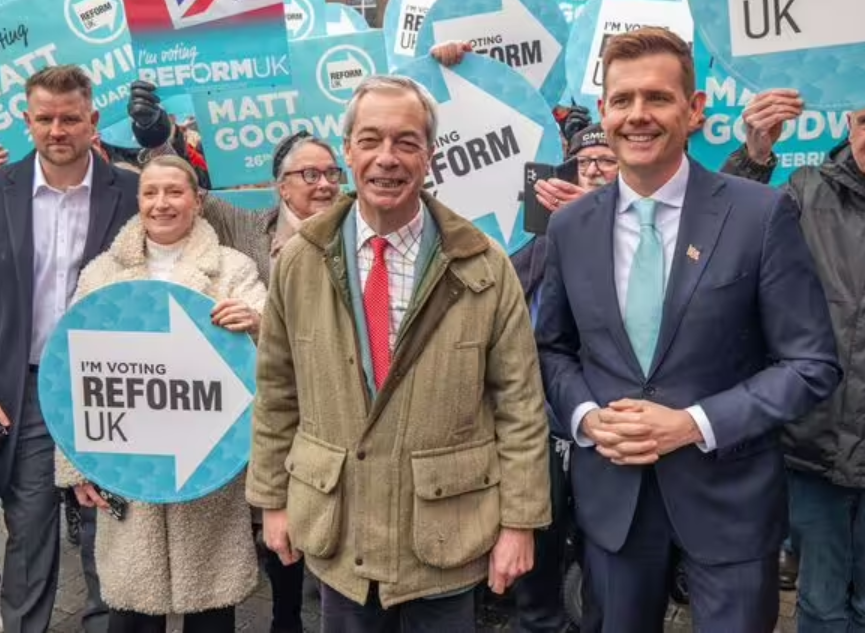
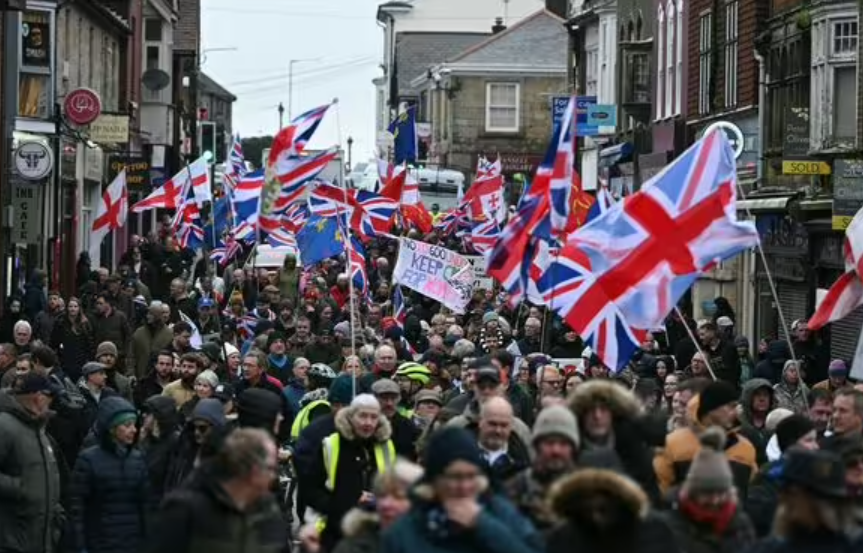
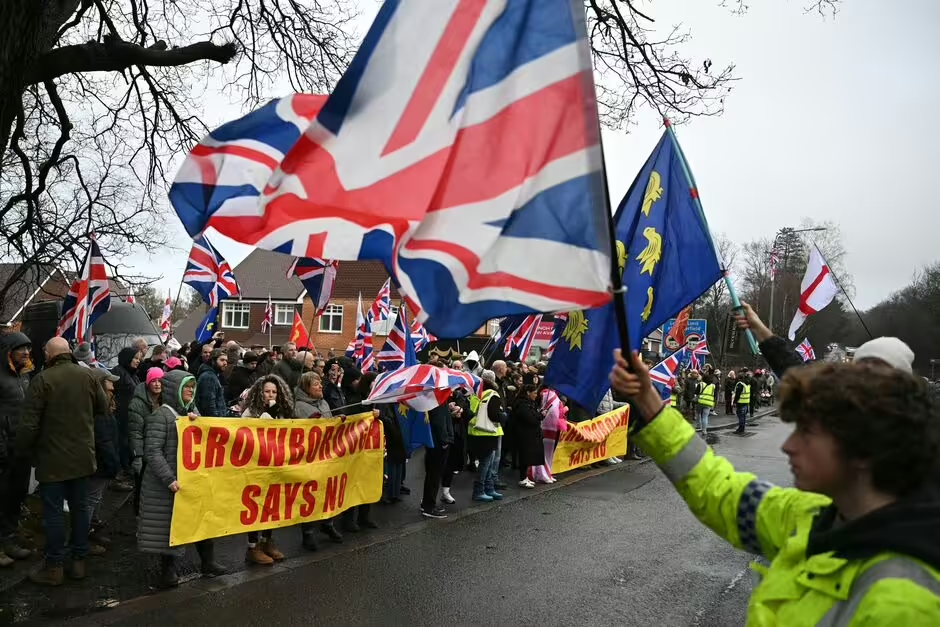
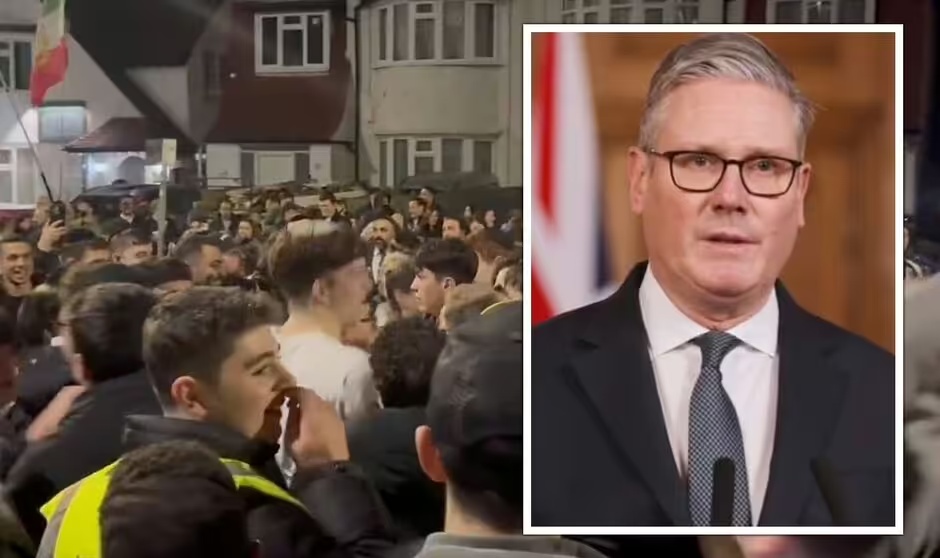
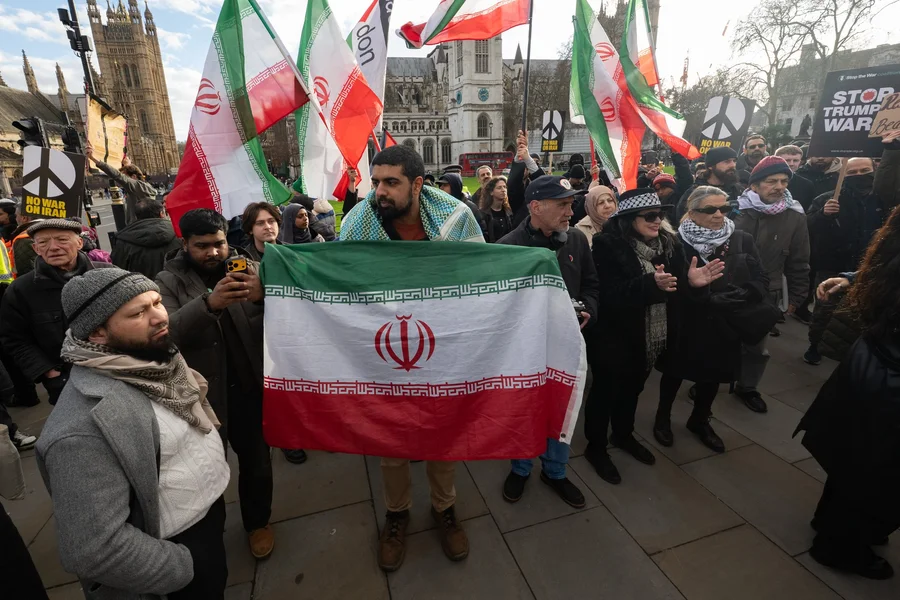
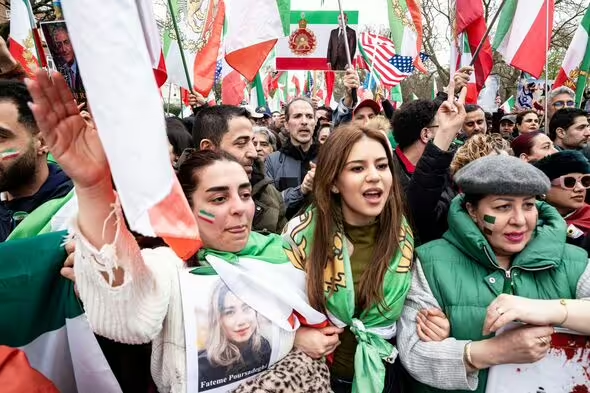
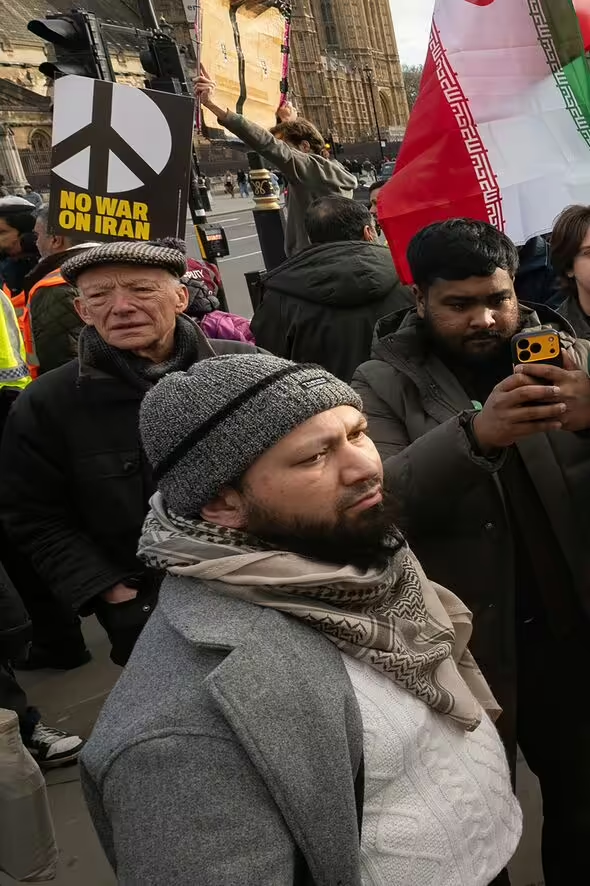
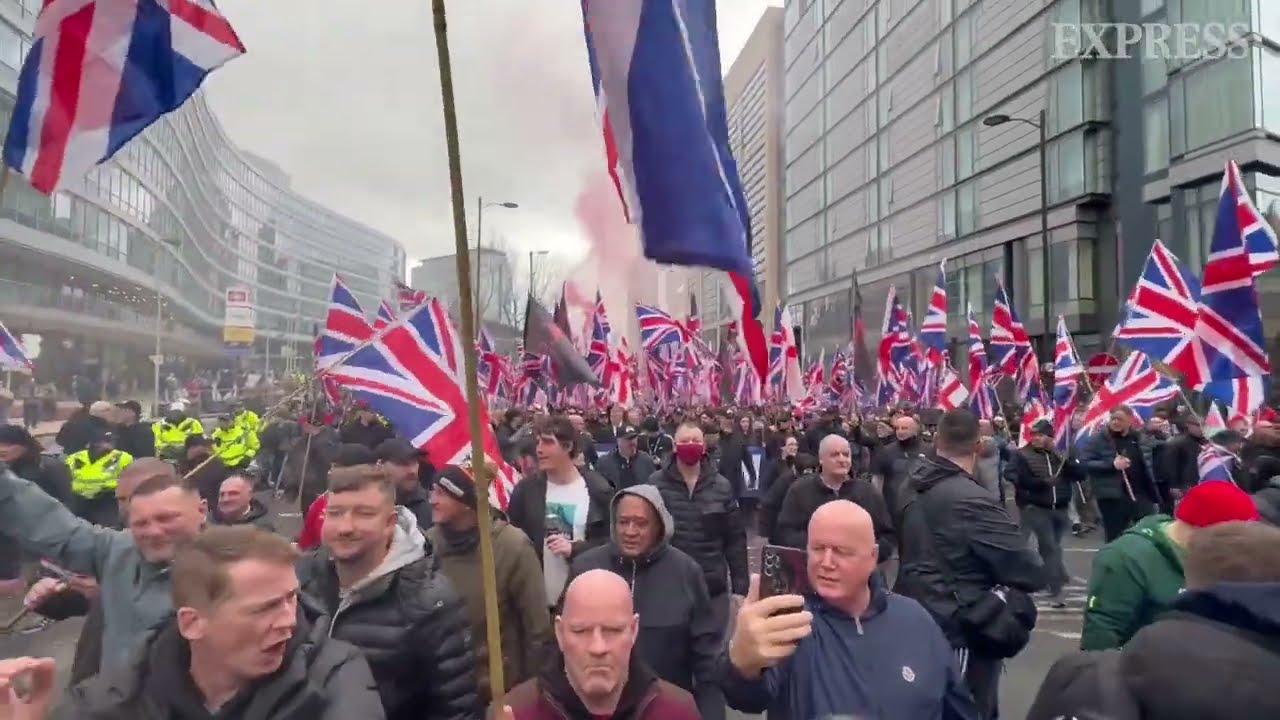
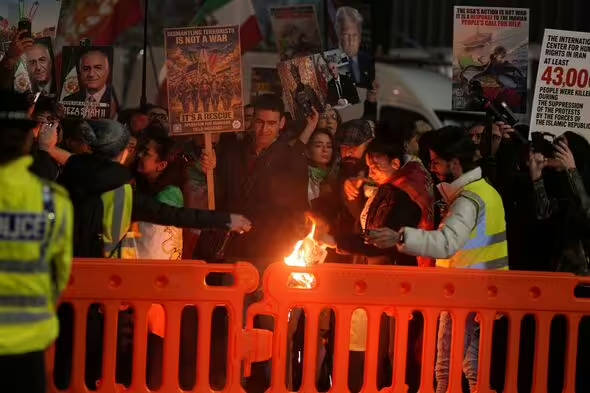
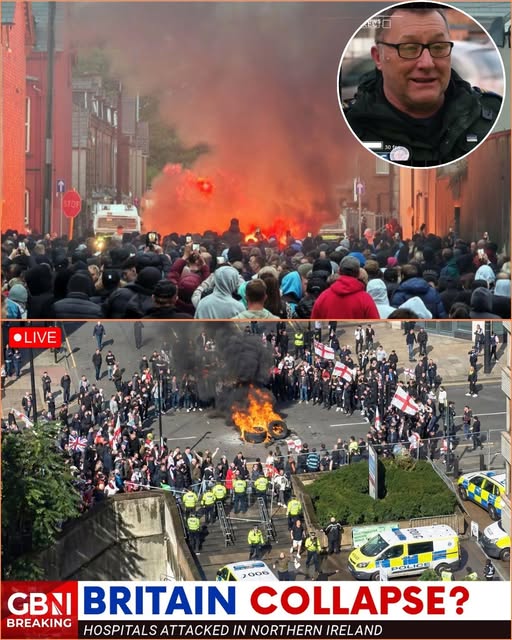
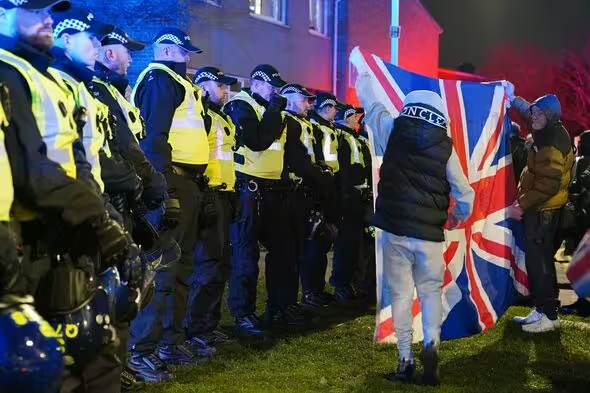
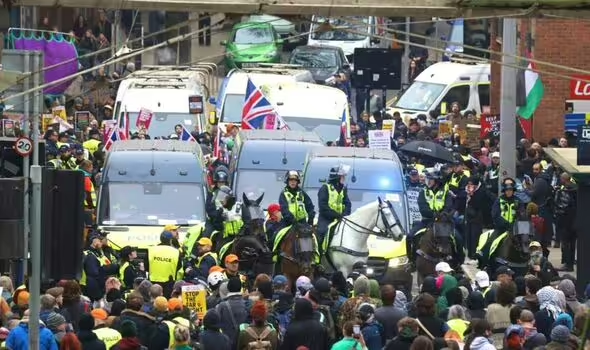
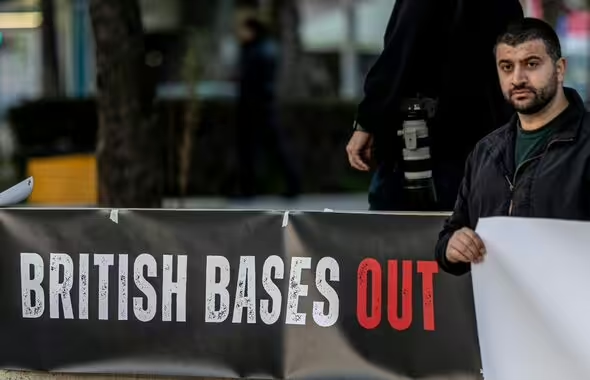
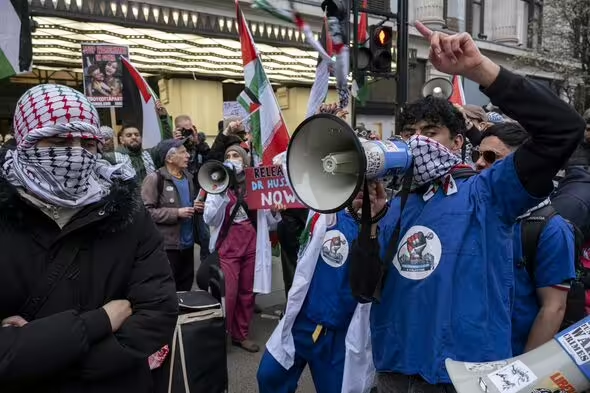
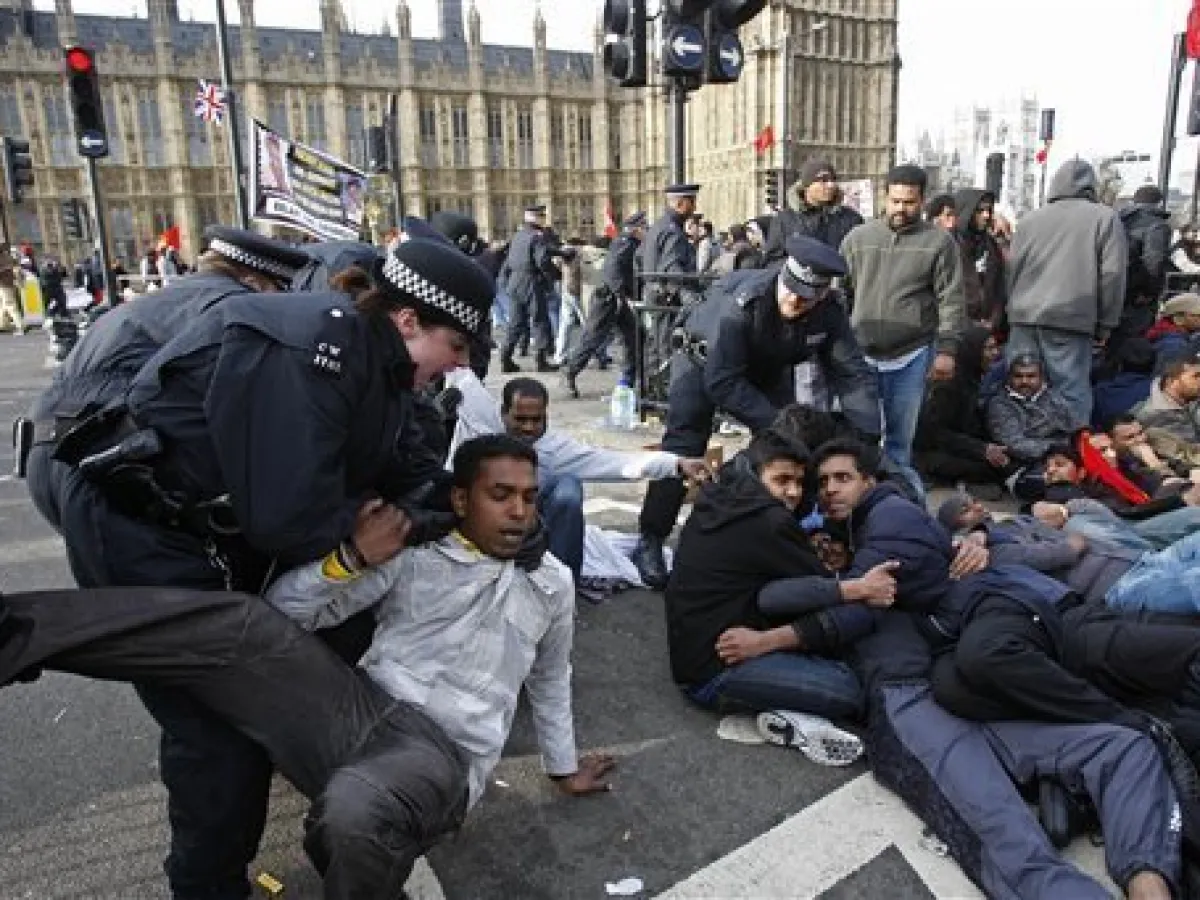
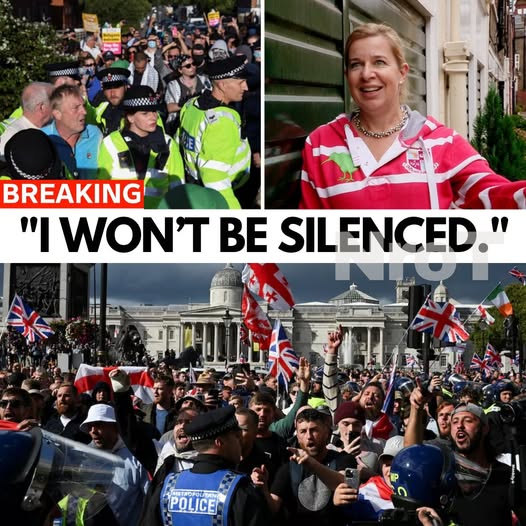
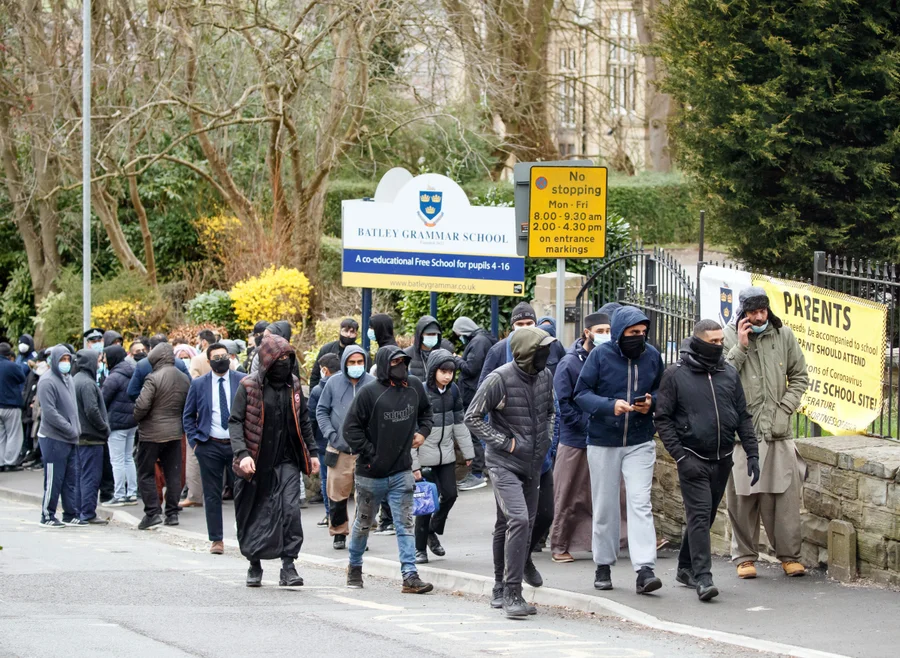
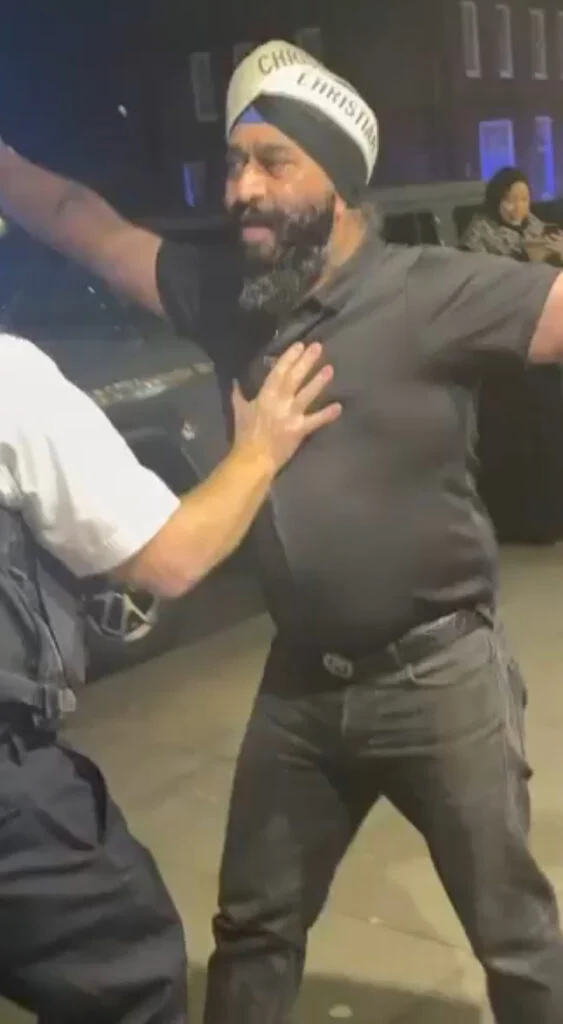
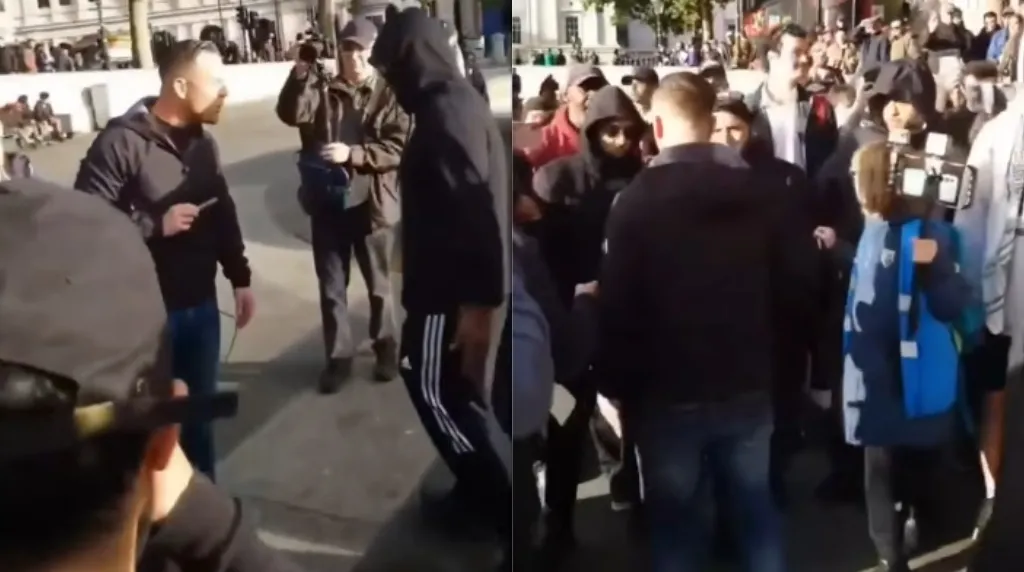
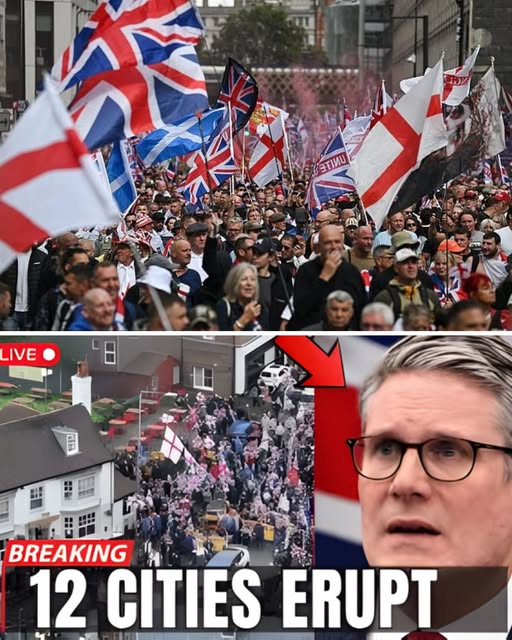
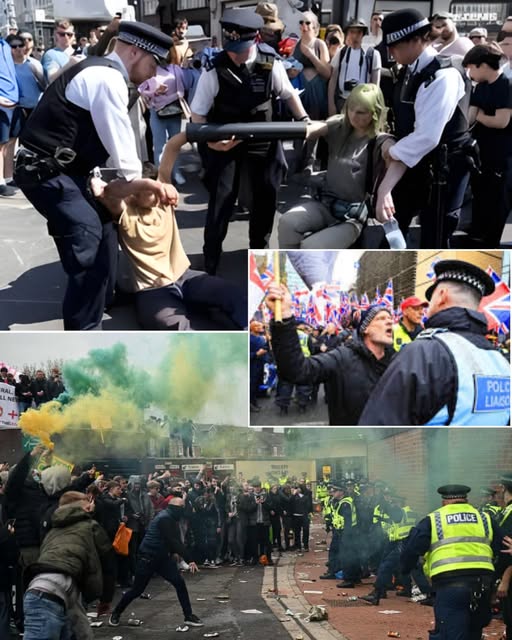
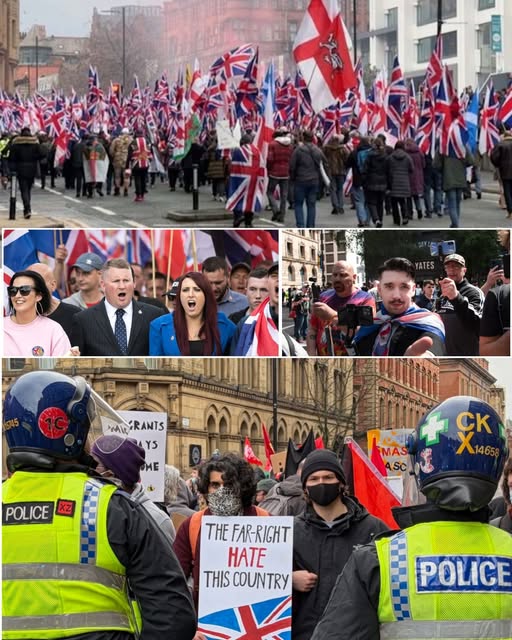
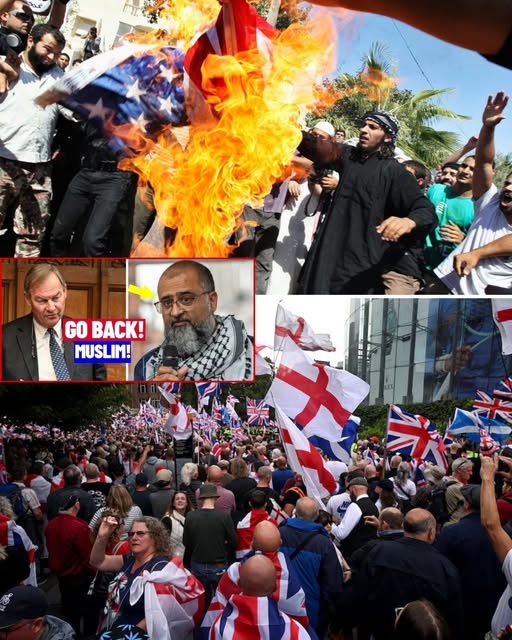
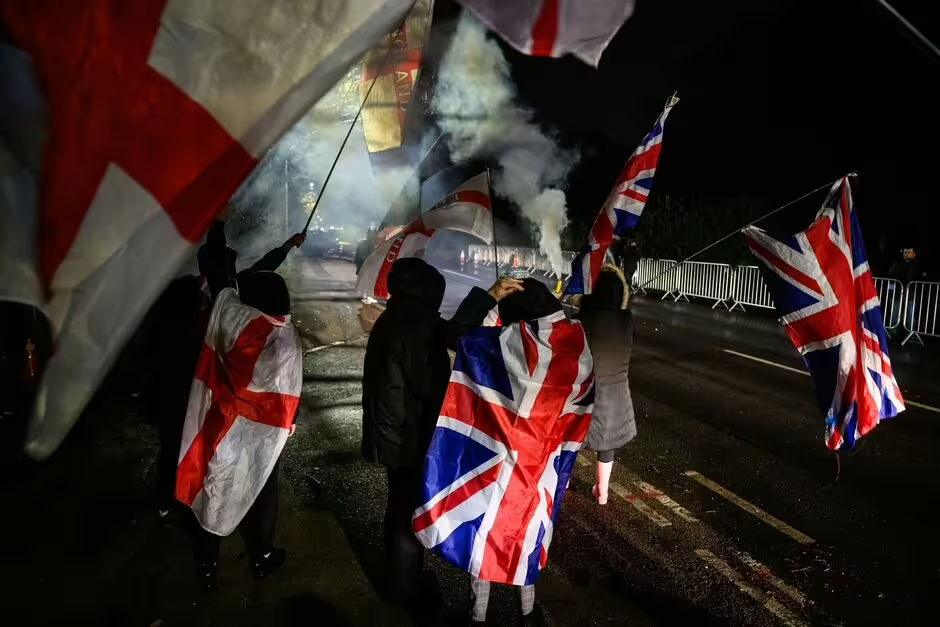
Coordinated demonstrations have intensified in multiple urban centres where thousands of protesters are now demanding an immediate end to the use of taxpayer-funded hotels.
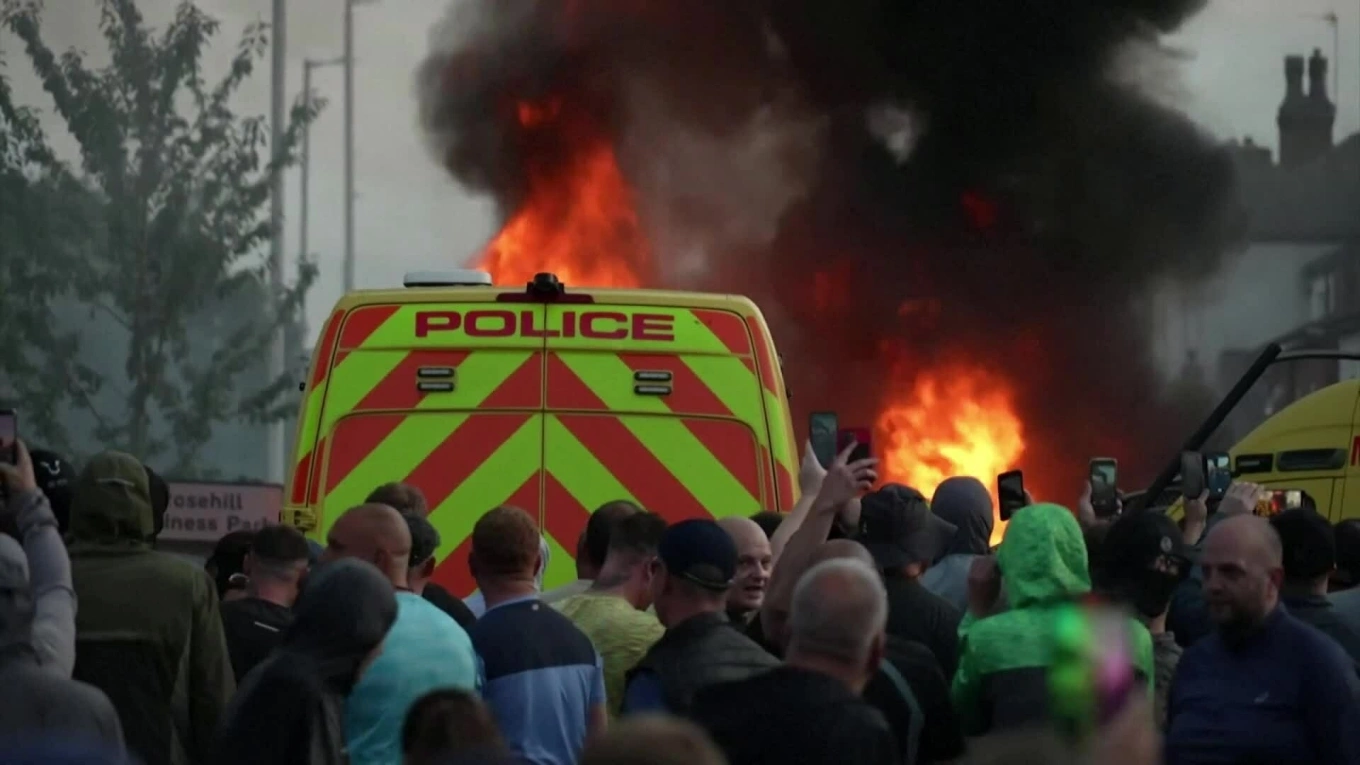
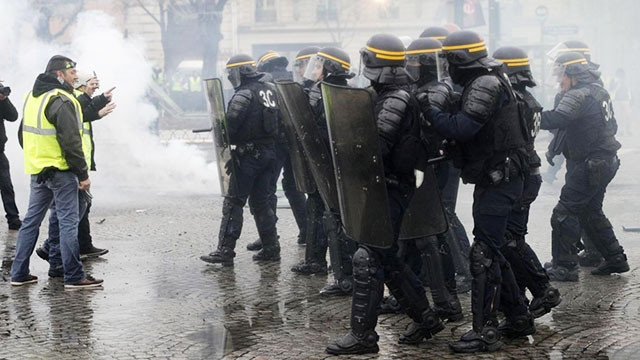
The sheer scale of this grassroots movement has reportedly left several regional police forces feeling overstretched as they struggle to maintain public order during these events.
This growing instability is occurring within a broader UK political environment defined by long-standing tensions over border control and the perceived impact on local community resources.
Westminster dynamics are being fundamentally reshaped as the government attempts to reconcile humanitarian obligations with the increasingly vocal demands of residents for enhanced local safety.
Regional political impact is becoming evident as local authorities find themselves caught between central government directives and the immediate concerns of their own voting constituents.
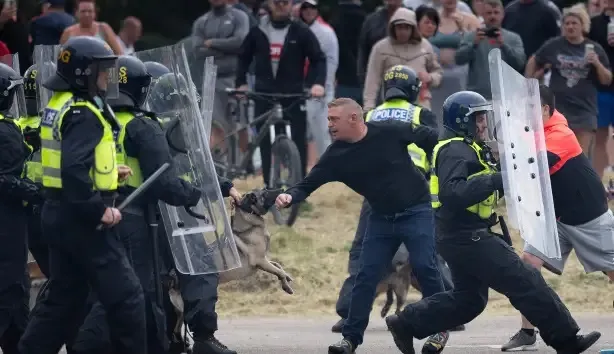
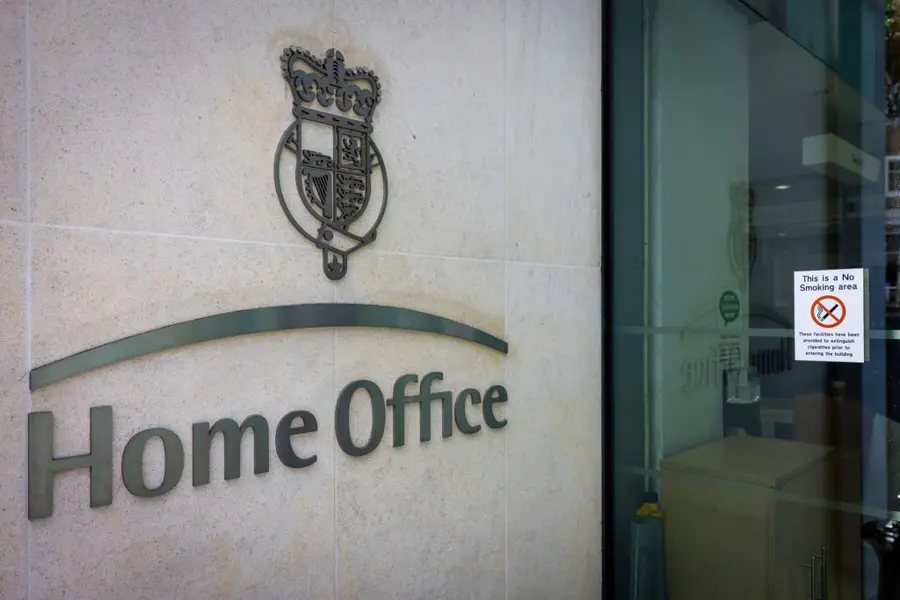
The core event revolves around these coordinated protests which represent a direct challenge to the Home Office and its current method of managing asylum seeker arrivals.
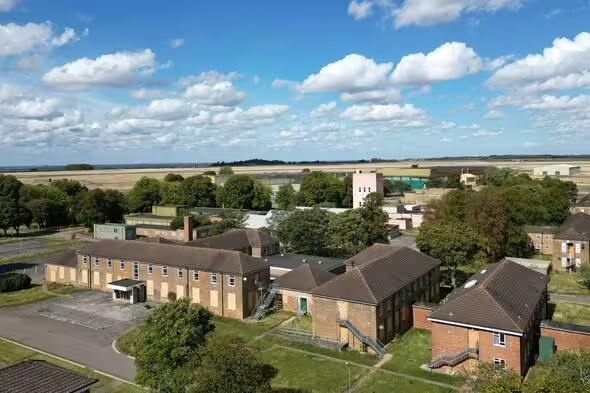
Protesters have gathered in significant numbers to voice their opposition to the continued use of local hotels which they argue represents a failure of border management.

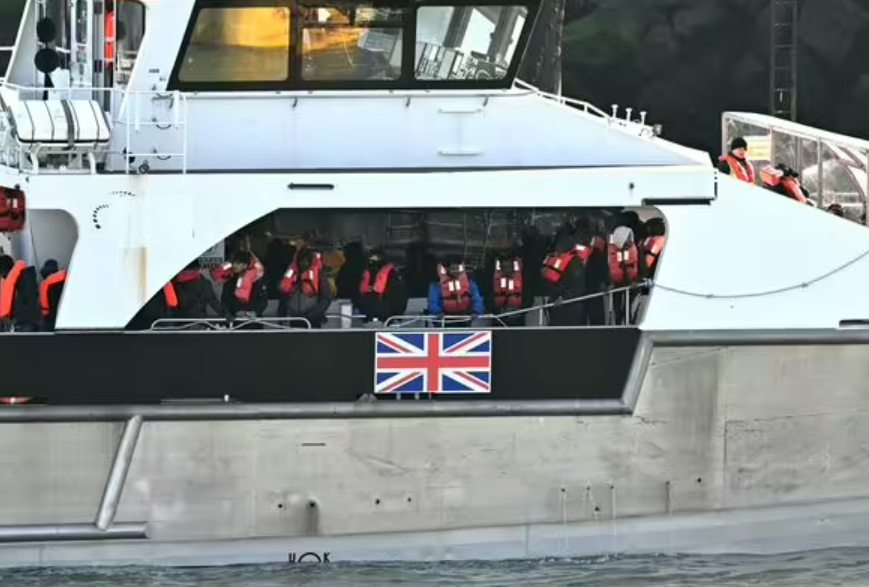
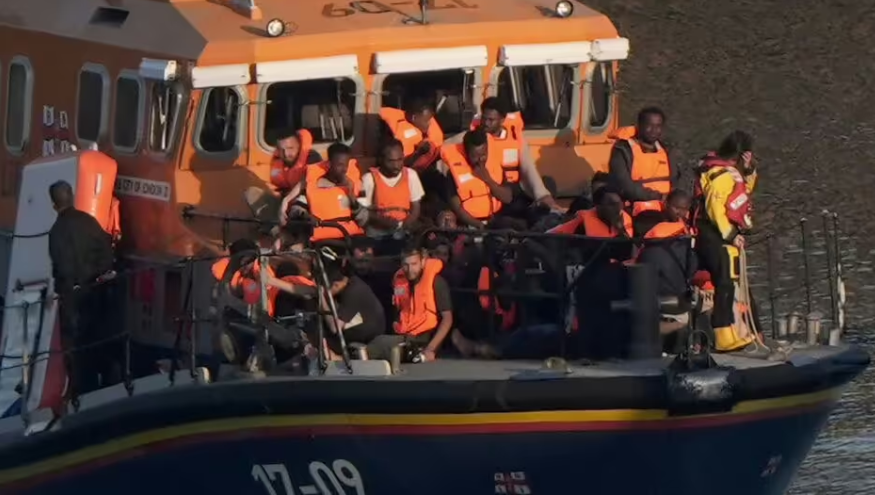
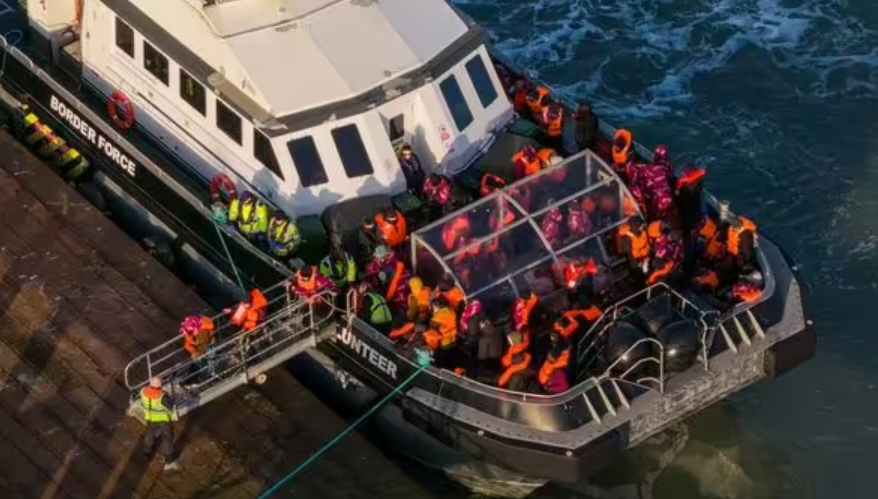
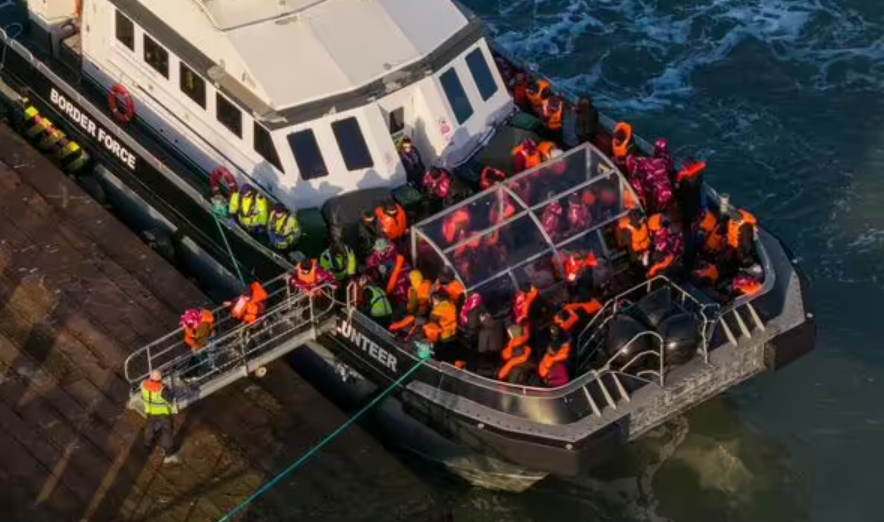
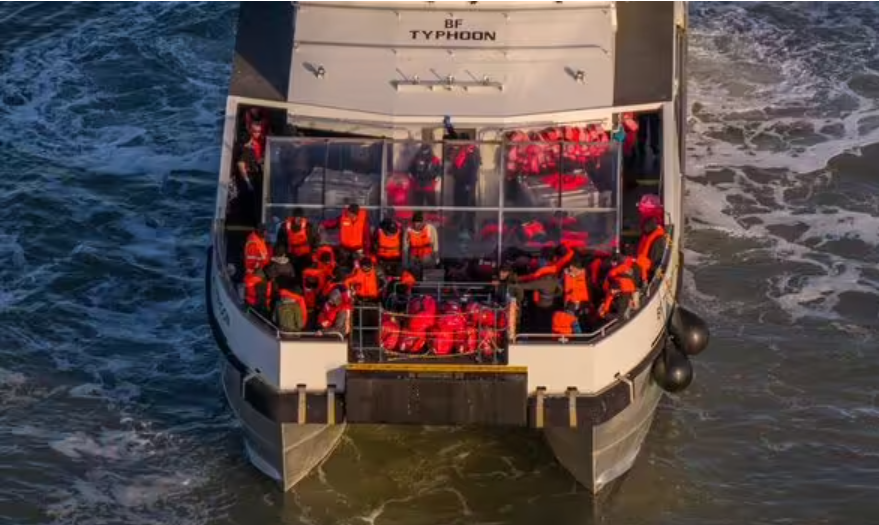
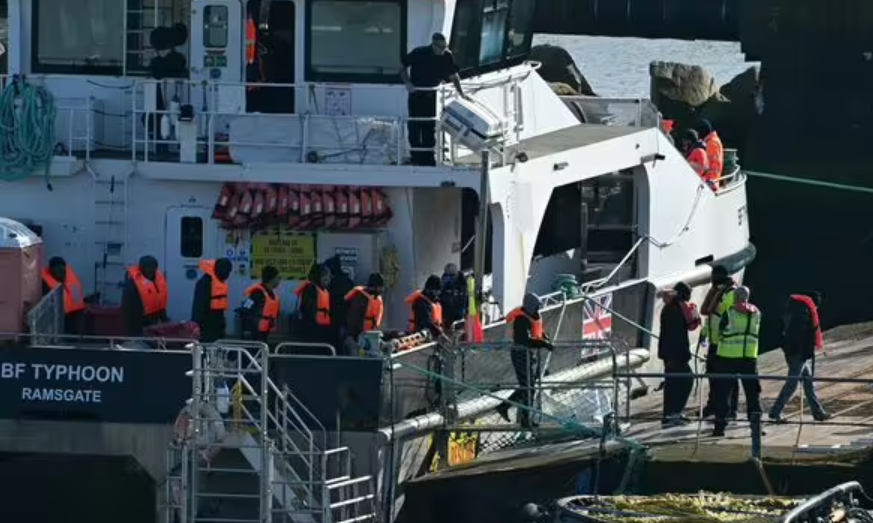
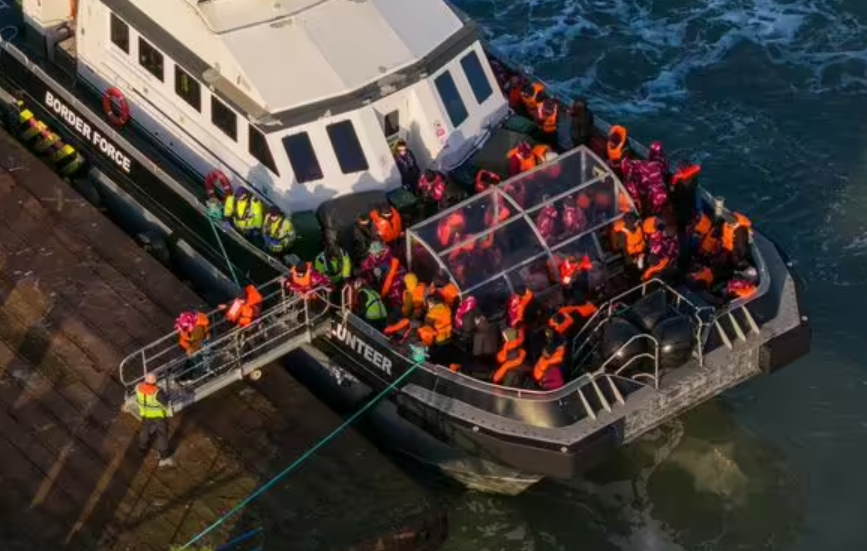
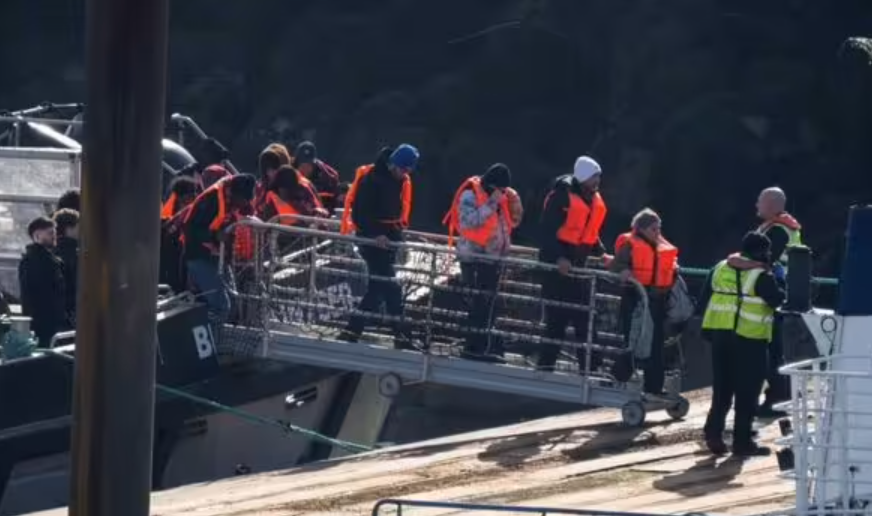
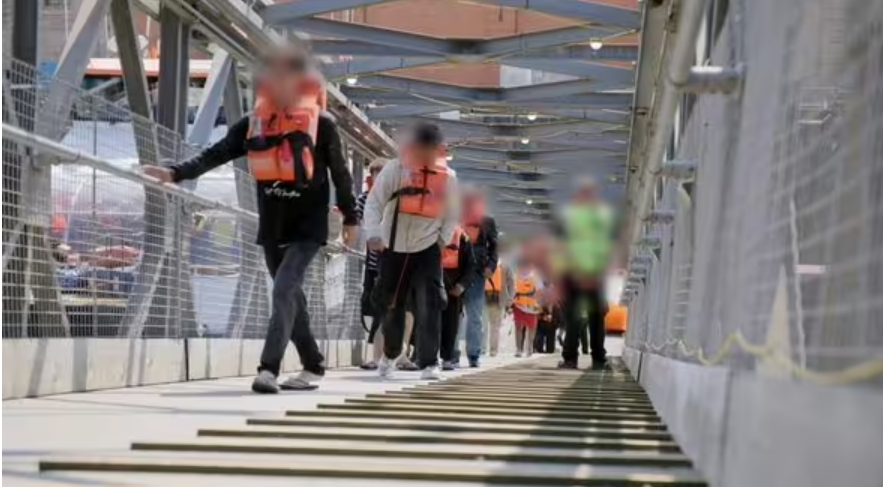
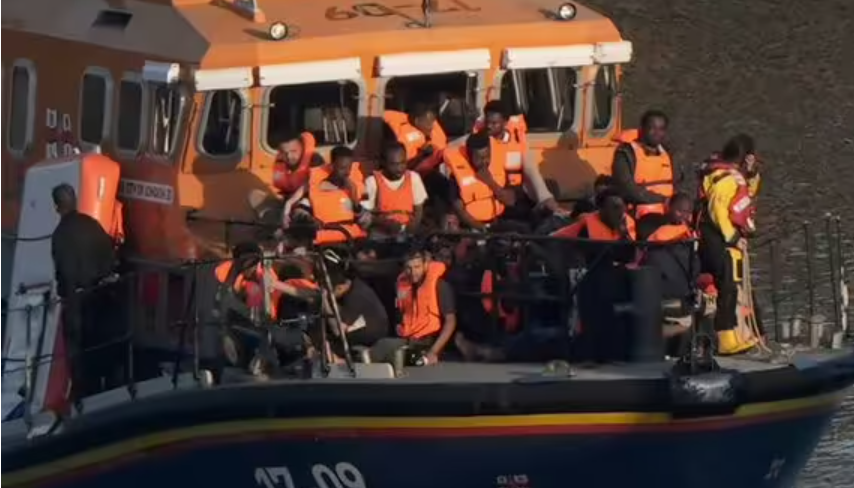
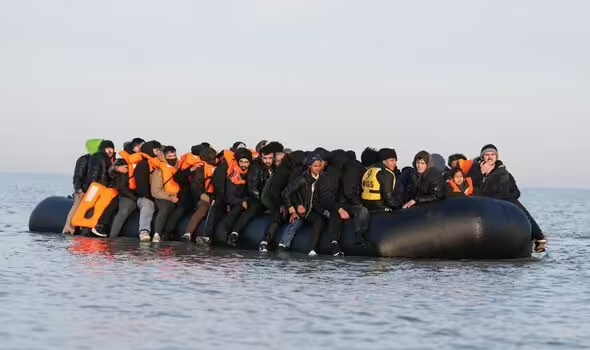
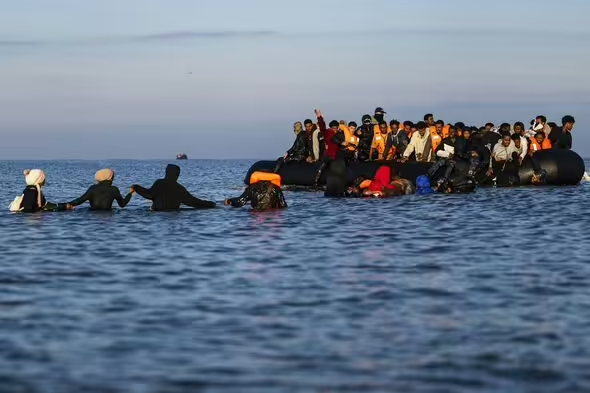
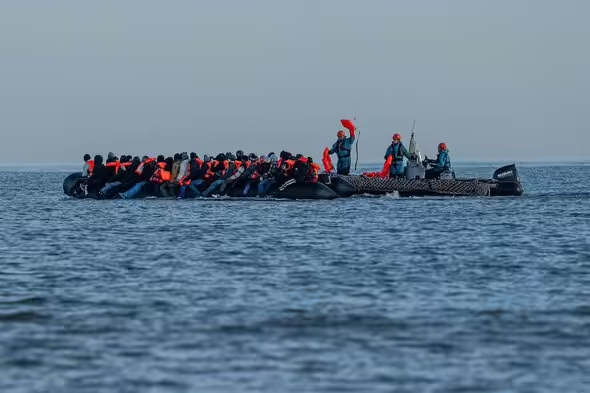
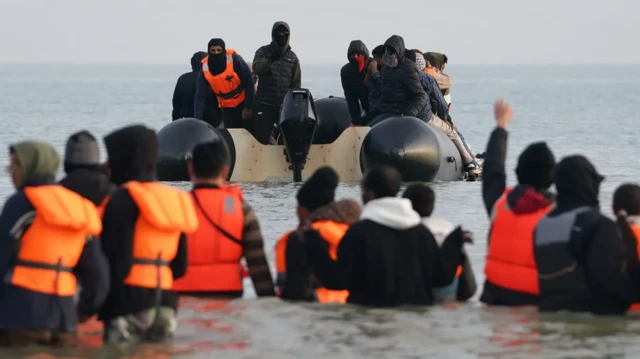
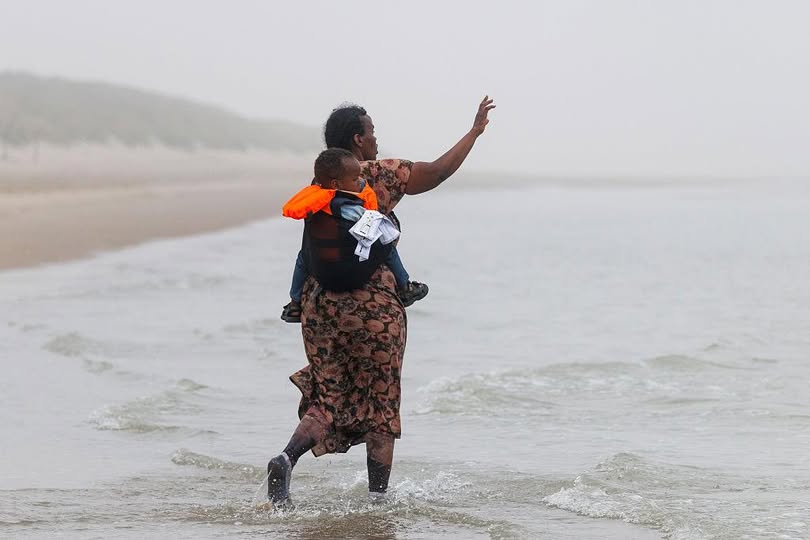
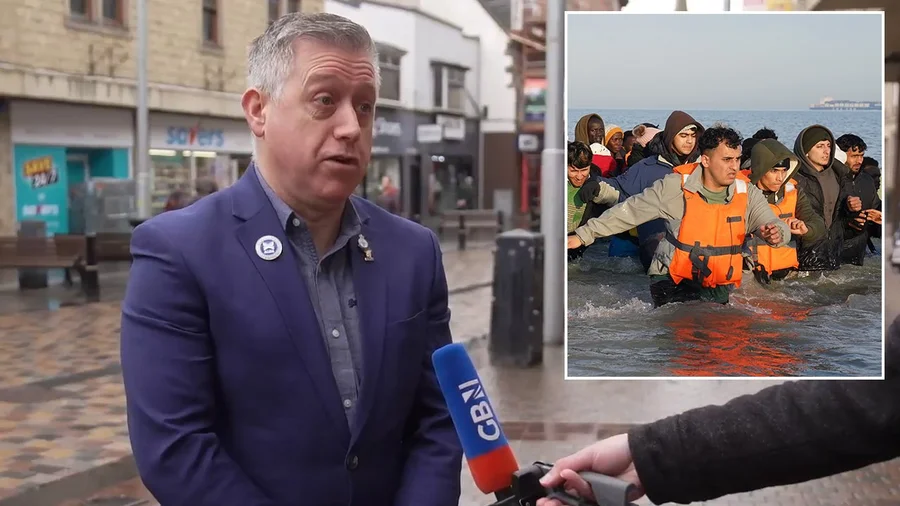
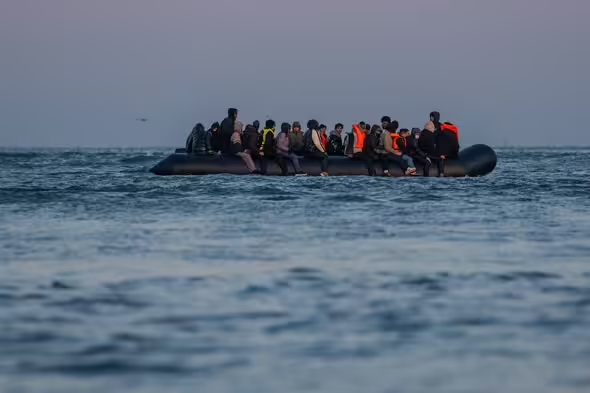
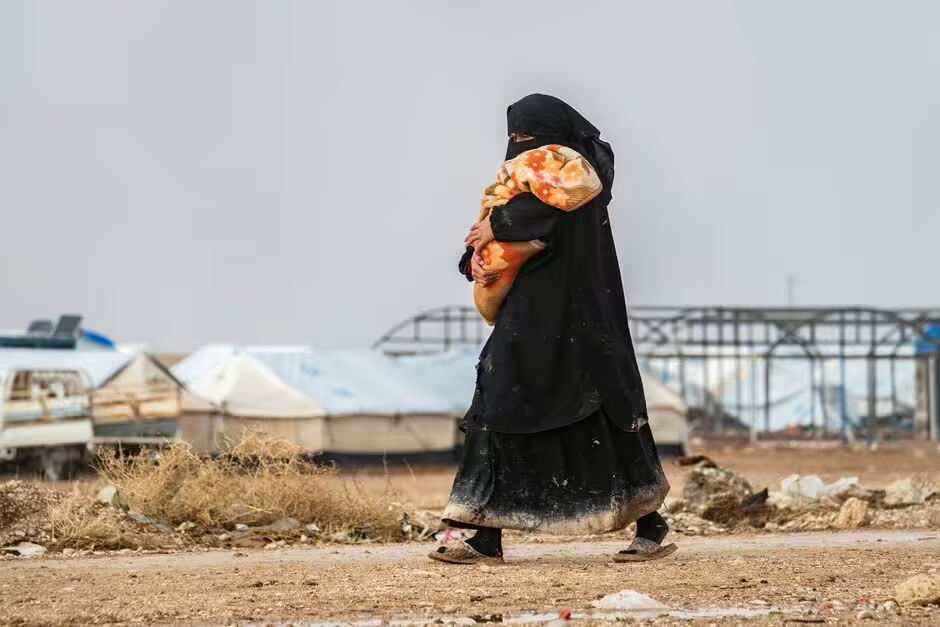
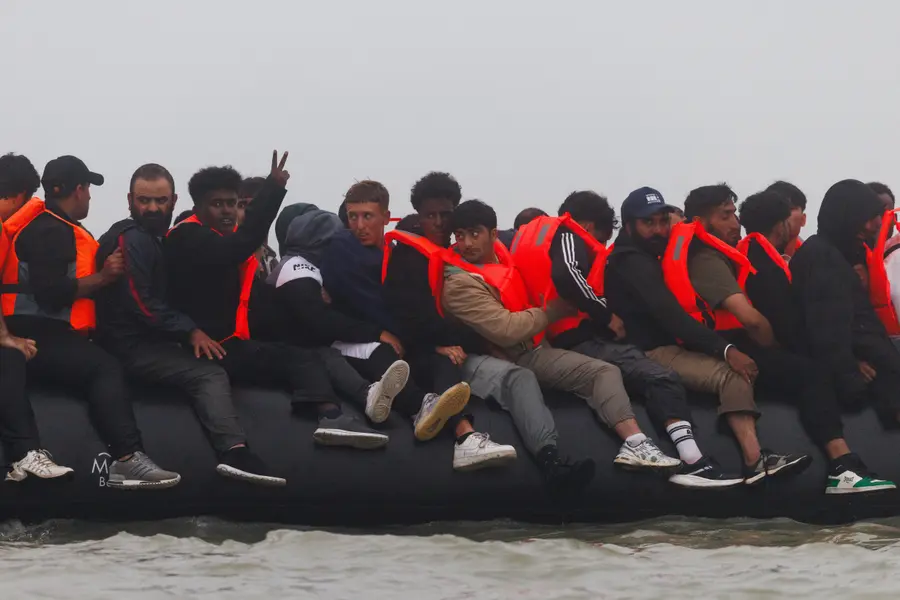
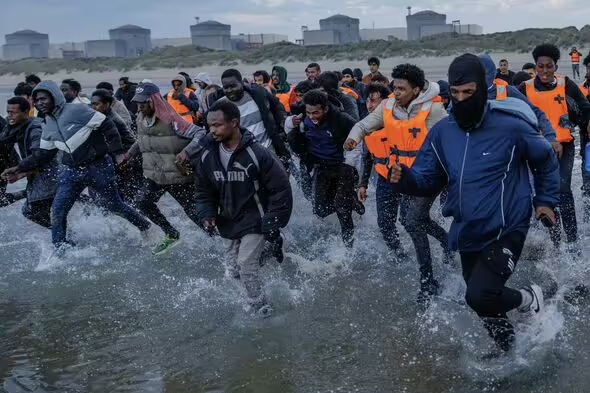
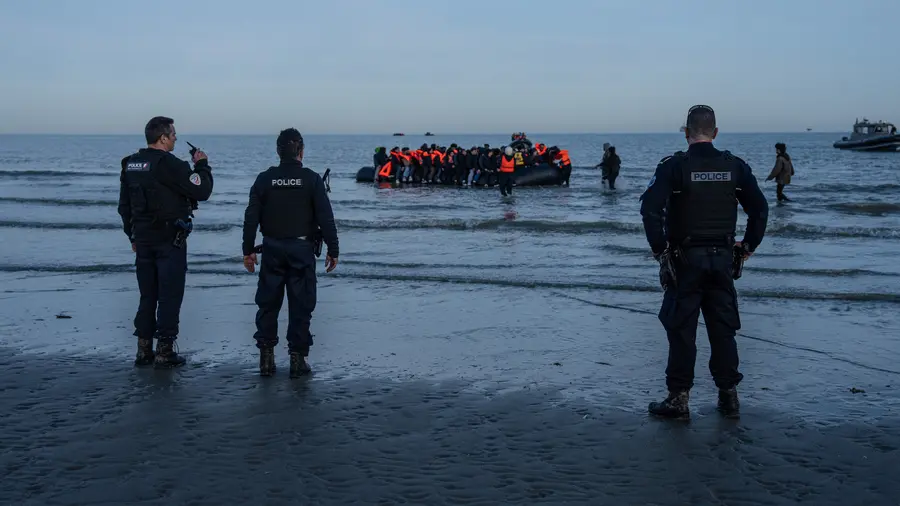
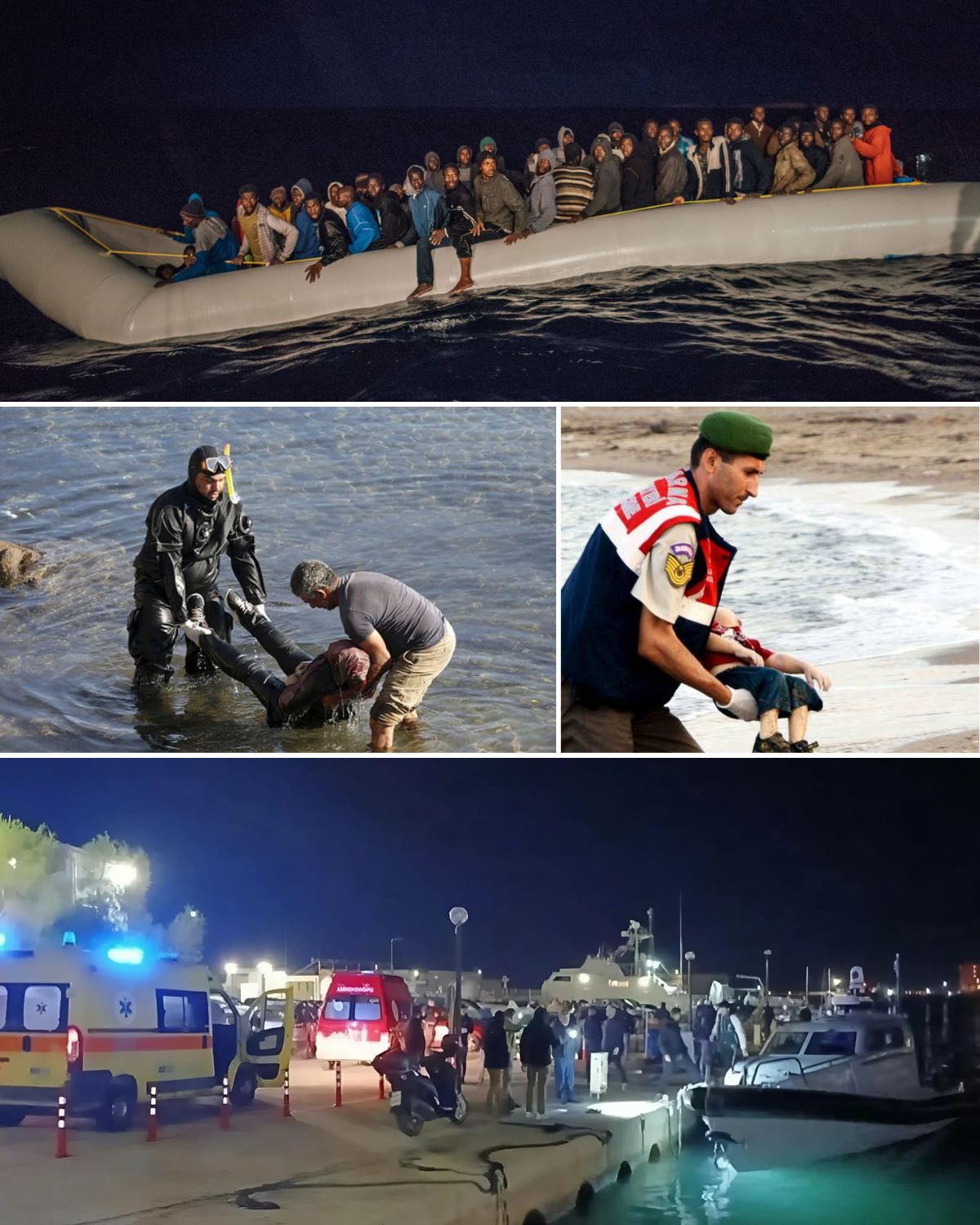
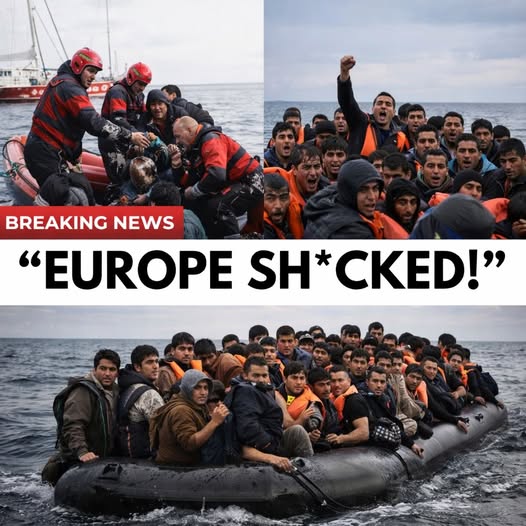
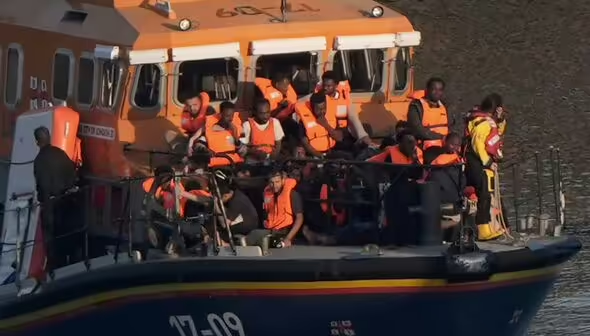
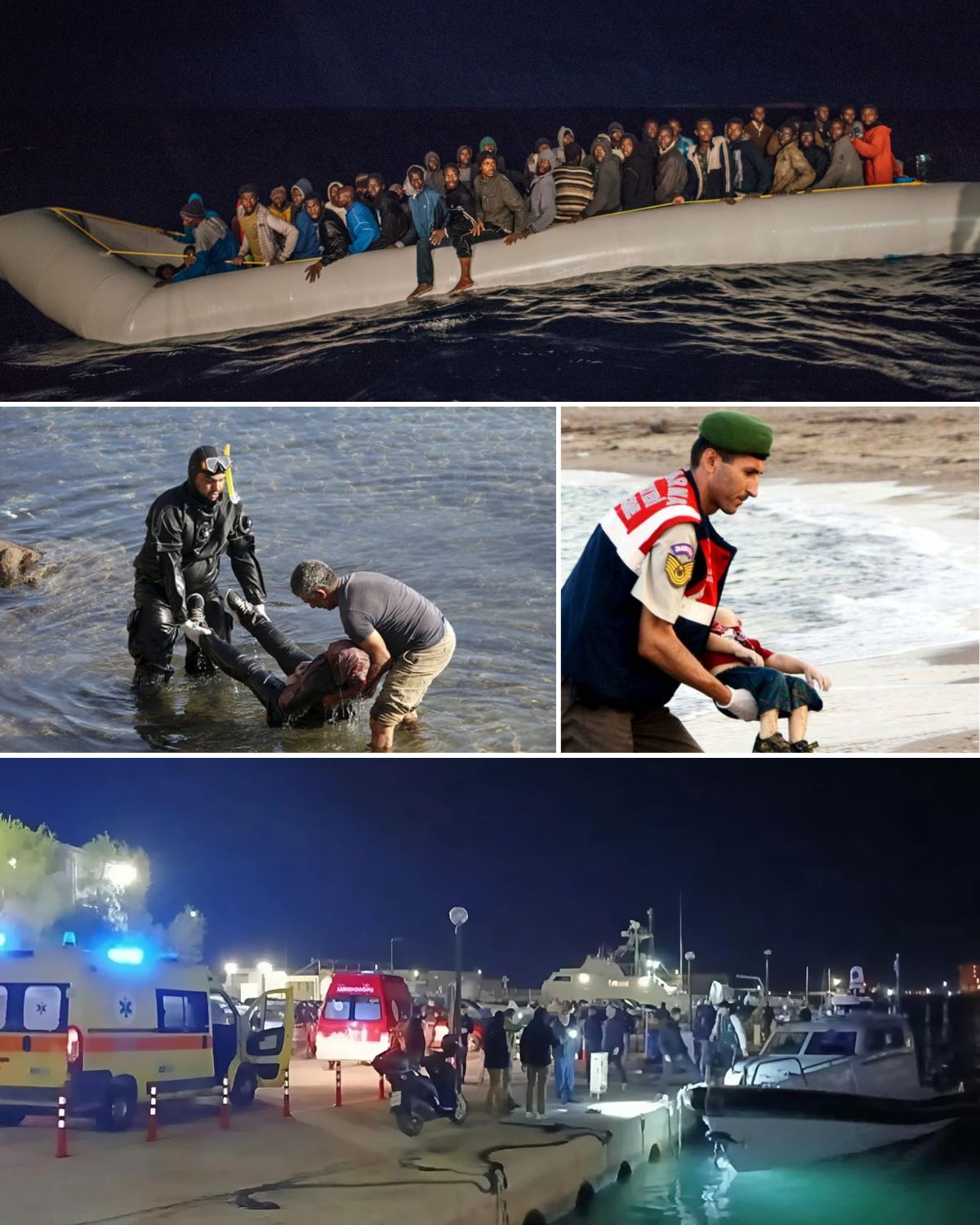
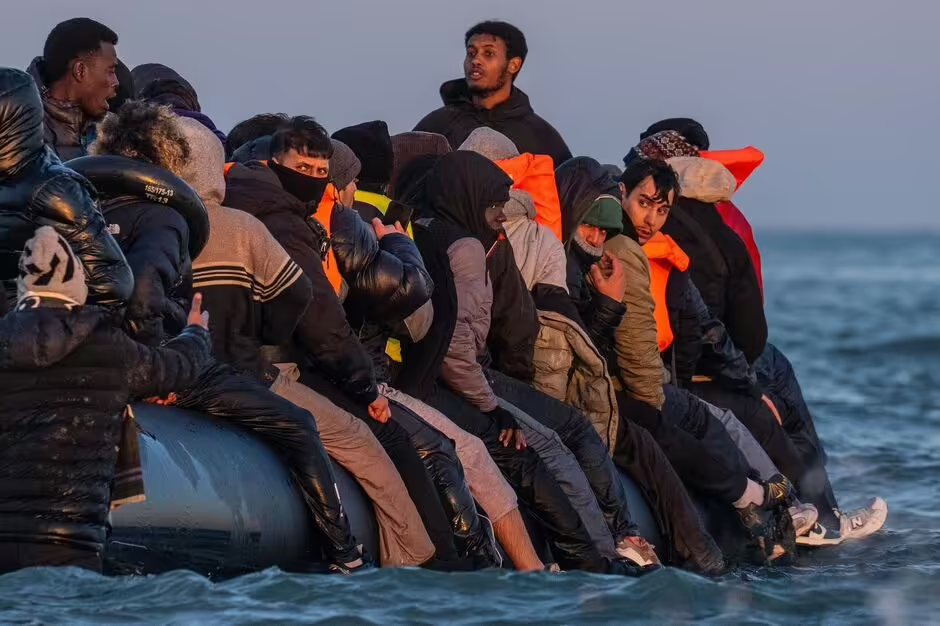
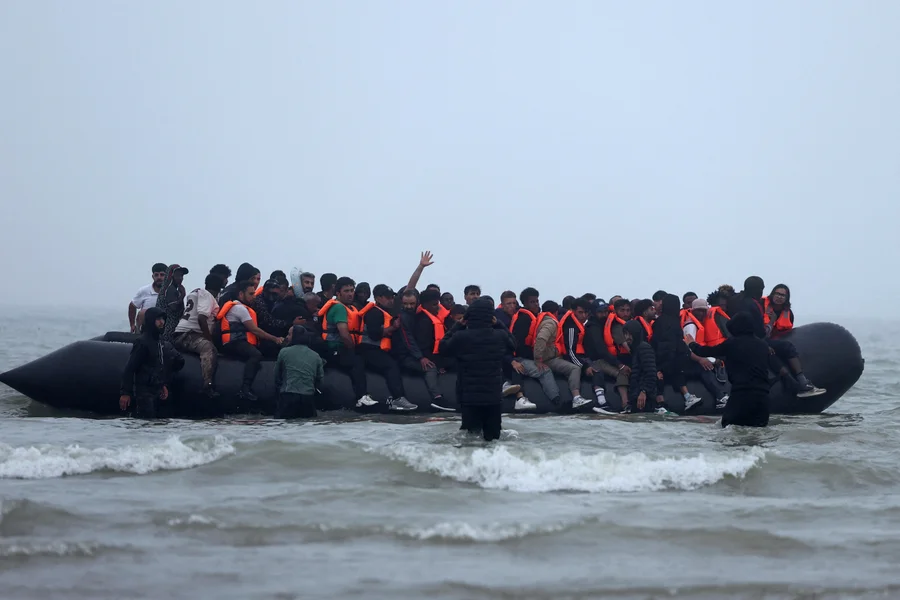
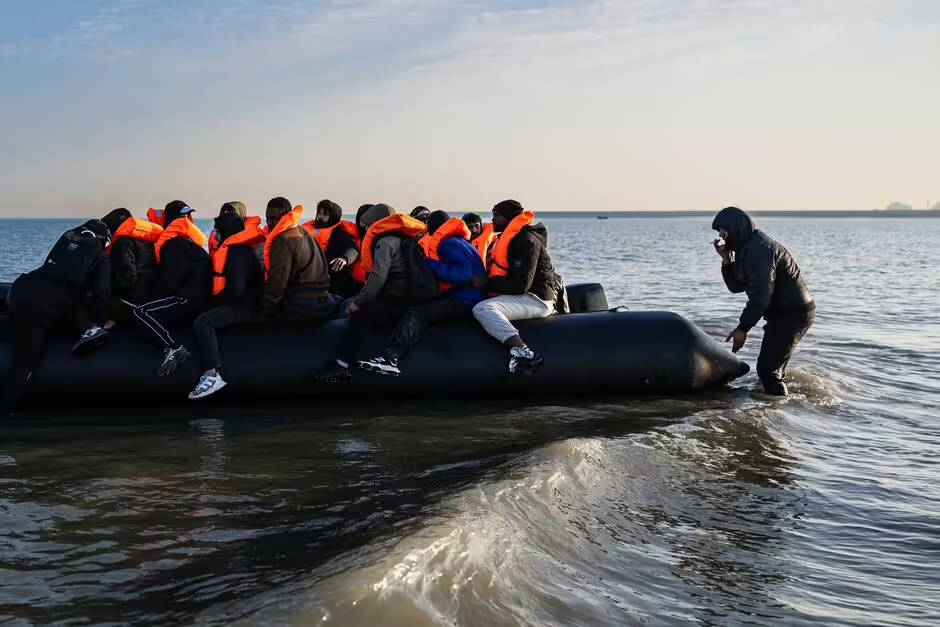
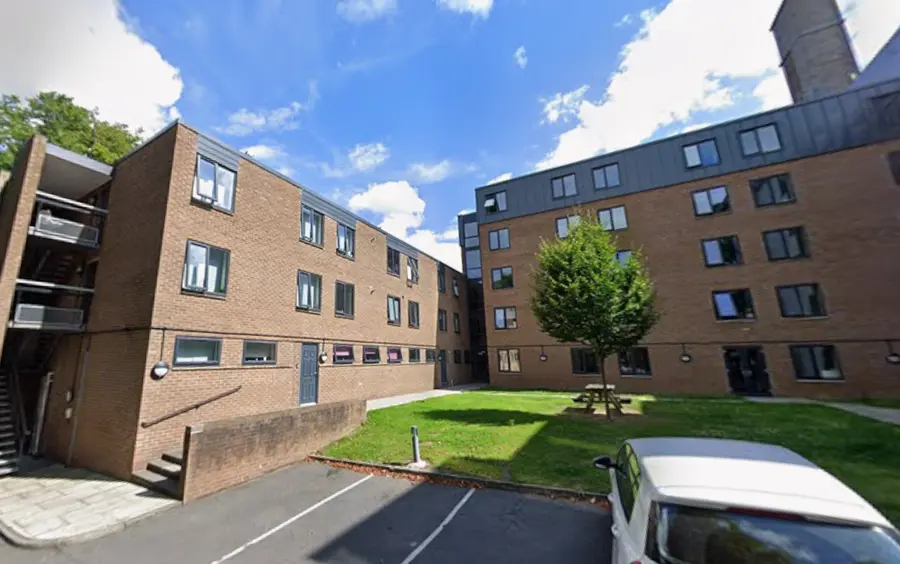
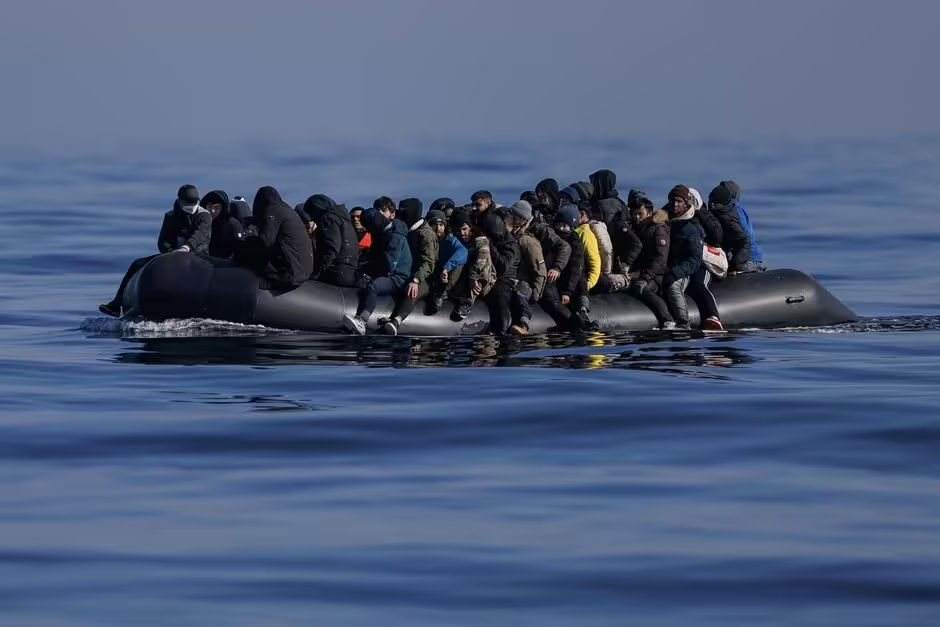
The current policy involves housing thousands of migrants in local communities while their asylum claims are processed which the government defends as a necessary temporary measure.
This strategy directly affects both the migrants seeking refuge and the local residents who feel that their communities are being transformed without sufficient consultation or support.

It matters politically because the use of taxpayer funds for hotel accommodation has become a lightning rod for broader frustrations regarding the cost of living and sovereignty.
Policymakers are struggling to find alternative sites that meet safety standards while also satisfying the demands of a public that is increasingly losing its patience.
Conflict development has expanded as various local organisers coordinate their efforts across fifteen different cities to create a unified front against the current government roadmap.
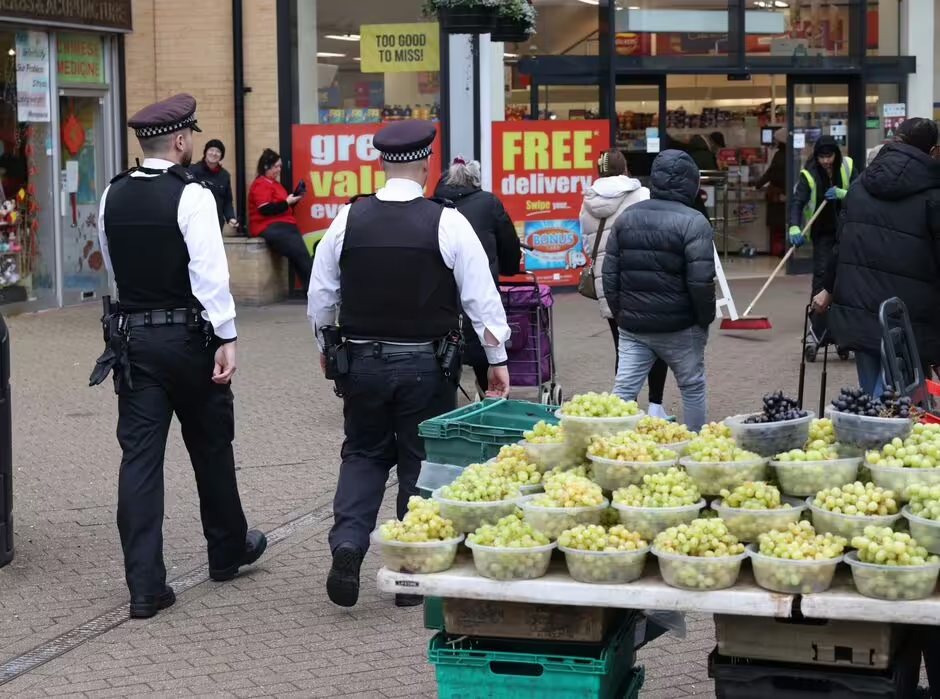
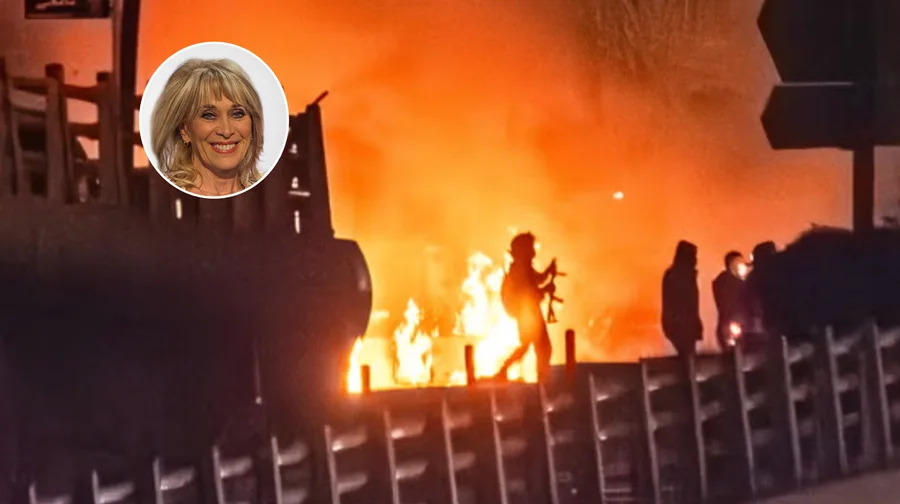
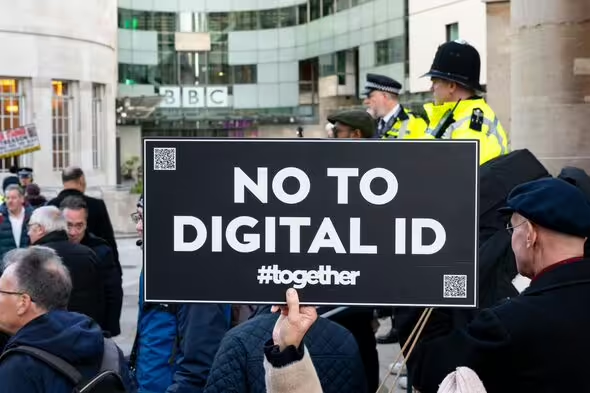
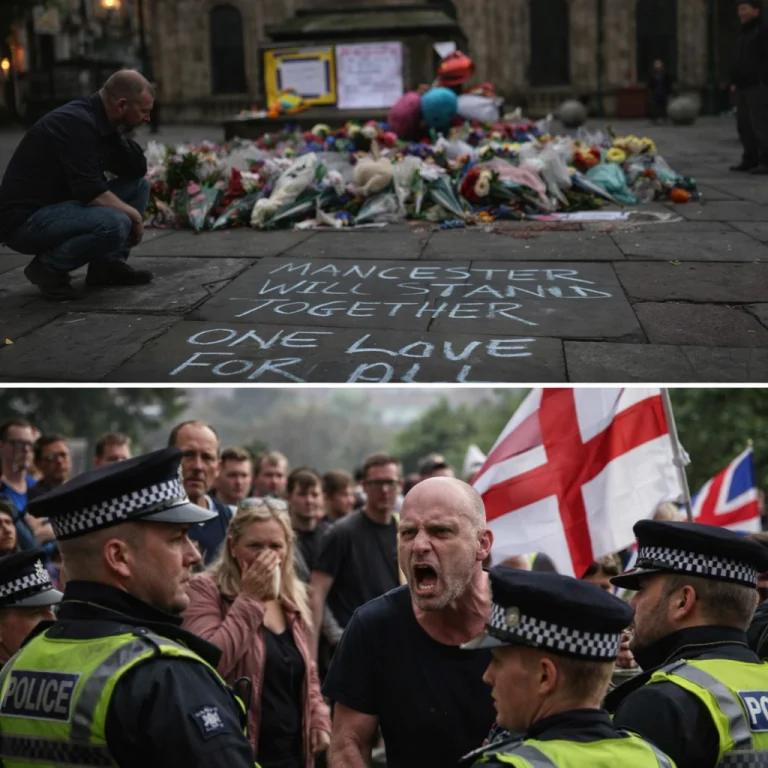
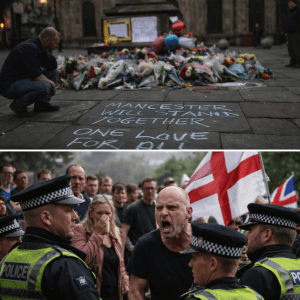
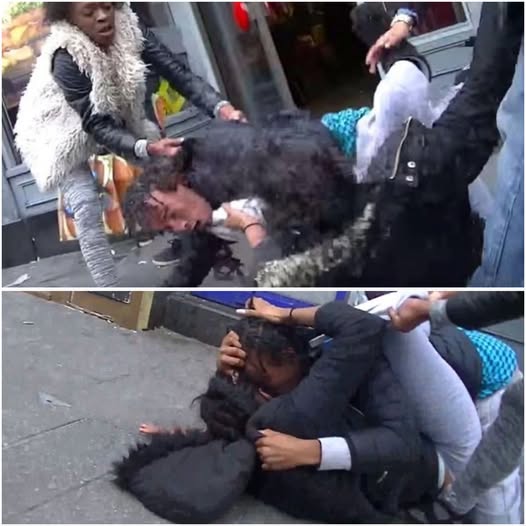
The tension has escalated beyond simple disagreement into a significant challenge for law enforcement who must now manage large-scale public gatherings on a weekly basis.
There is a growing concern that the persistent nature of these demonstrations will lead to an even more significant strain on the national policing infrastructure.
The government justifies the current hotel usage as a logistical necessity caused by the sheer volume of claims and the lack of permanent processing centre capacity.
Ministers argue that leaving vulnerable individuals without accommodation is not a viable option and that the current strategy is the most humane available short-term solution.
Opposition voices and local organisers have been quick to criticise this justification by pointing toward a perceived lack of a sustainable long-term border security strategy.
They argue that the reliance on hotels is a symptom of a broken system that prioritises temporary fixes over the fundamental requirement for robust and clear border controls.
Public and media reaction has been remarkably intense as news outlets across the country provide rolling coverage of the clashes and the subsequent political fallout.
Online reactions remain sharply divided as social media platforms become a digital battlefield for competing narratives regarding the right to protest and community safety.
Some segments of the public express strong support for the protesters and view their actions as a legitimate attempt to protect their neighbourhoods from perceived threats.
Others warn that the escalating nature of these demonstrations risks undermining social cohesion and could lead to a permanent increase in national civil disorder and violence.
Media framing of the unrest often oscillates between highlighting the safety concerns of locals and condemning the more extreme elements that sometimes attach themselves to protests.
Soft data signals are currently indicating growing pressure on senior officials within the Home Office to provide a definitive and long-term alternative to hotel usage.
There are early signs that the persistence of these protests is starting to affect the government’s internal polling and its perceived competency on the issue of migration.
Rising concern within the police federation suggests that officers are becoming increasingly frustrated with being placed in the middle of a deeply divided political debate.
Increasing scrutiny is being applied to the contracts awarded to hotel providers as the public demands greater transparency regarding how their tax contributions are being spent.
The underlying tension is becoming more visible as policymakers realise that the current status quo is unsustainable from both a political and a social perspective.
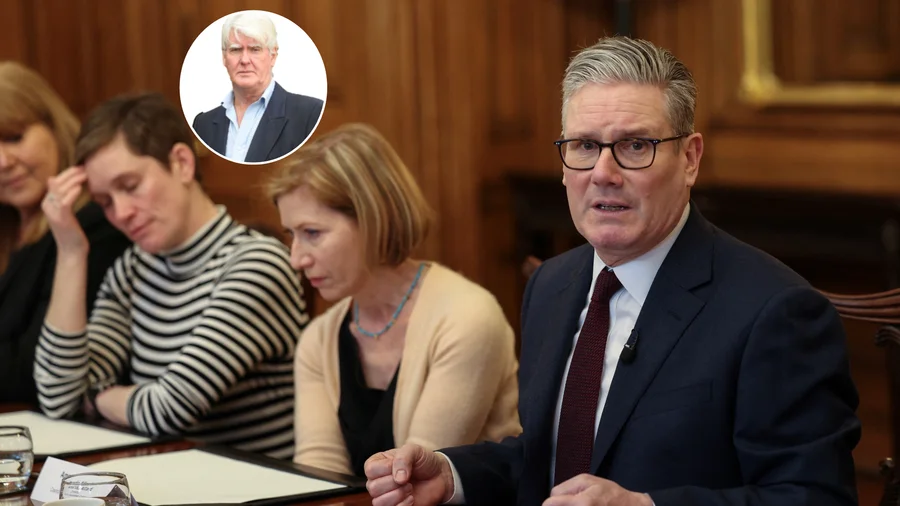
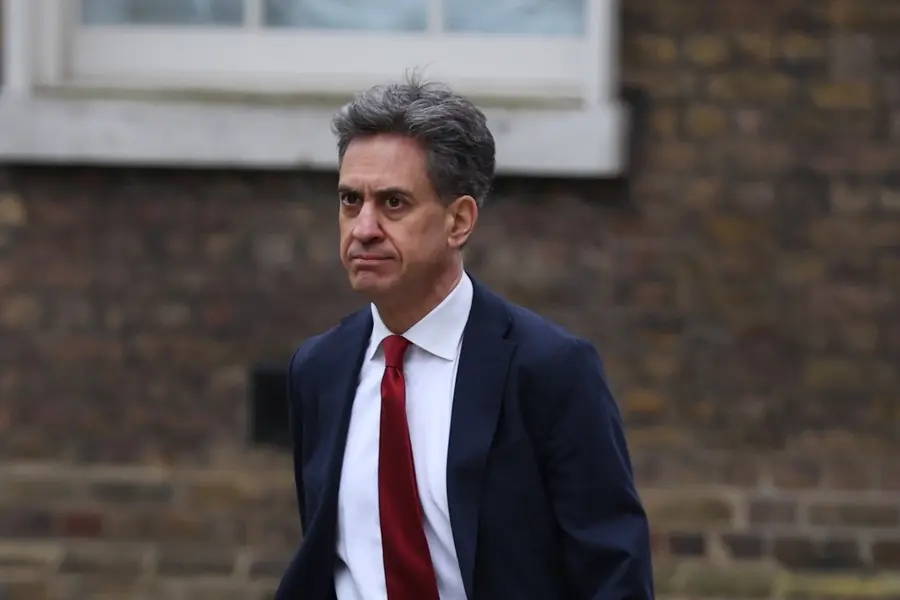
Pressure on the Home Secretary is mounting behind the scenes as cabinet colleagues express their own concerns about the potential for further escalations in major cities.
The uncertainty surrounding the future of the asylum system has created a sense of national anxiety that is being capitalised on by various political interest groups.
Westminster is currently grappling with institutional constraints that limit the speed at which new and more permanent processing facilities can be constructed and staffed properly.
The regional political impact of the protests is likely to be felt for many years as communities deal with the aftermath of these highly emotive confrontations.
Political analysts believe that the current situation represents one of the most significant domestic challenges for the Labour administration since it first took office in Westminster.
The balance between the right to demonstrate and the necessity of maintaining the rule of law is being tested in a way that is historically unprecedented.
The debate is expected to intensify in the coming days as more cities report plans for further demonstrations and counter-protests throughout the following weekend and beyond.
Some observers believe that these protests represent a necessary and long-overdue wake-up call for radical and immediate reform of the nation’s immigration and border policies.
Others argue with equal passion that the current unrest represents a dangerous challenge to the rule of law that risks the stability of our democratic institutions.
The future of the government’s migration strategy now depends on its ability to convince a sceptical public that it has a credible plan to end hotel reliance.
Is this nationwide unrest a justified and necessary demand for community safety or a risky escalation of public disorder that threatens our fundamental national stability?