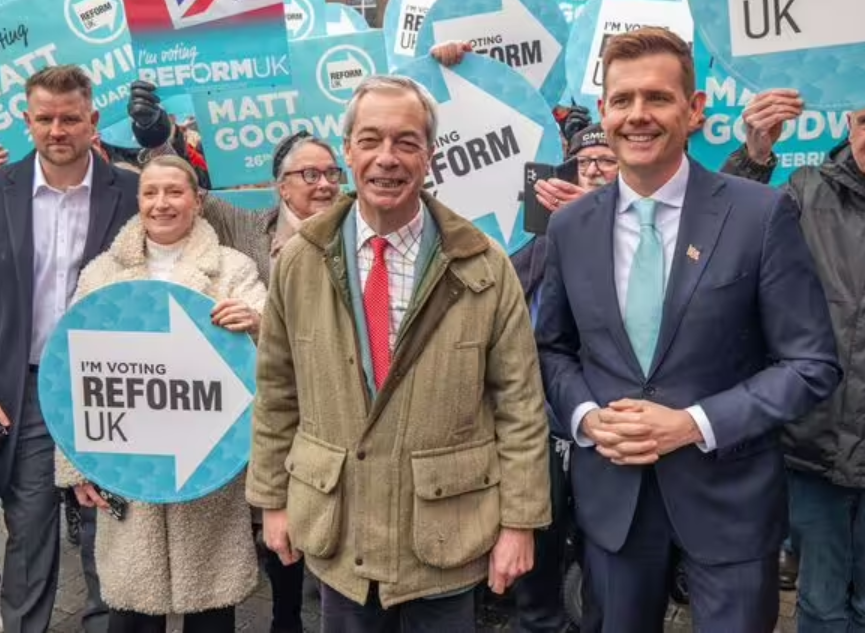
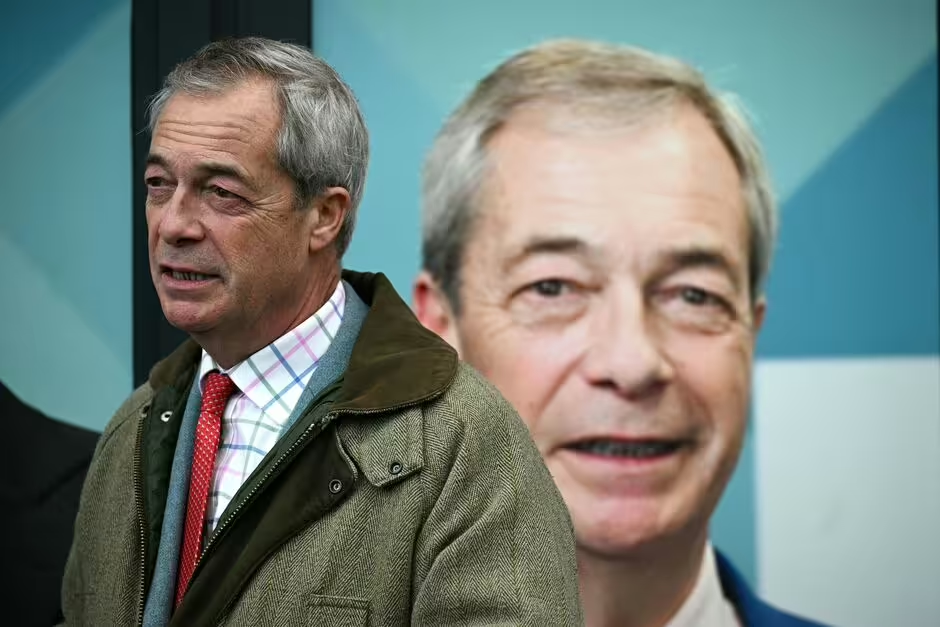
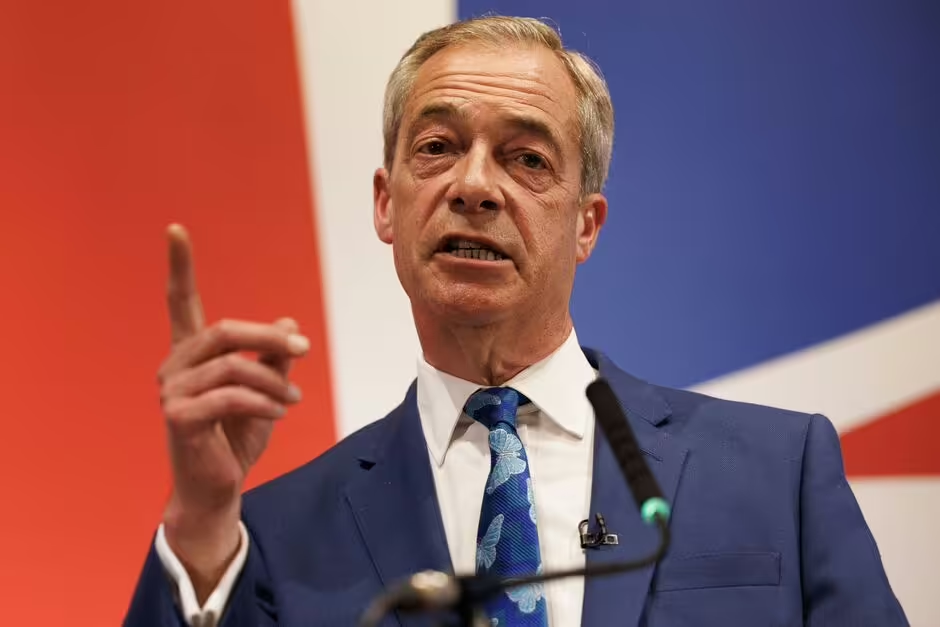
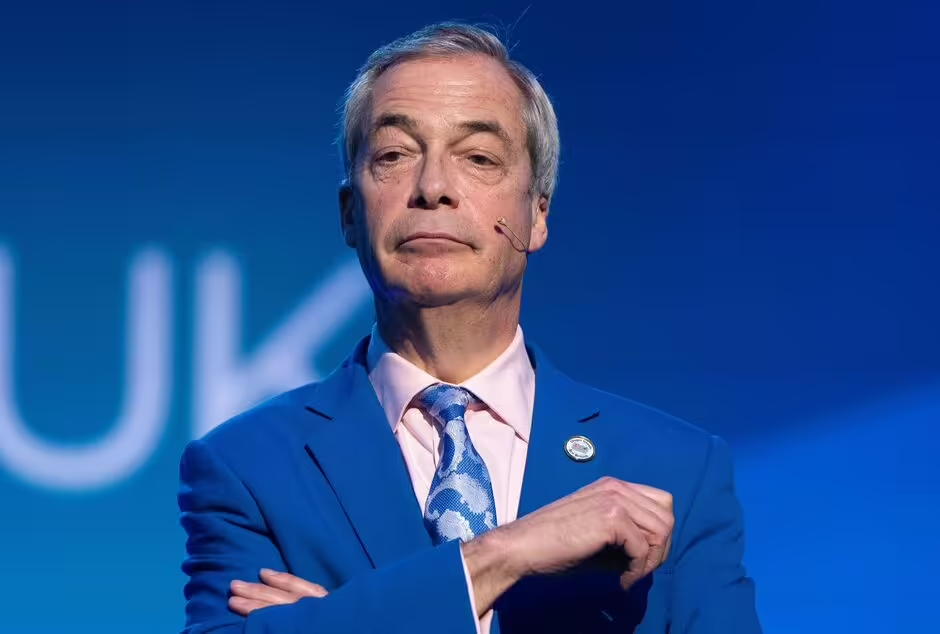
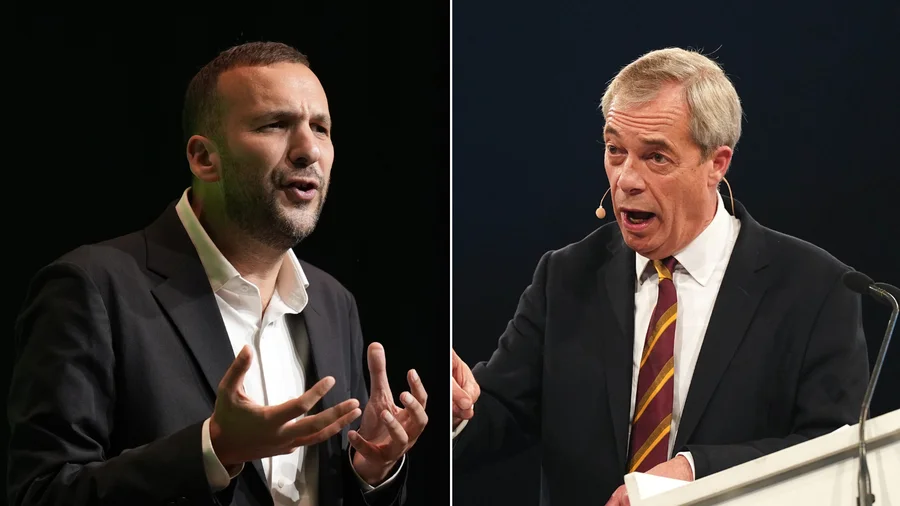
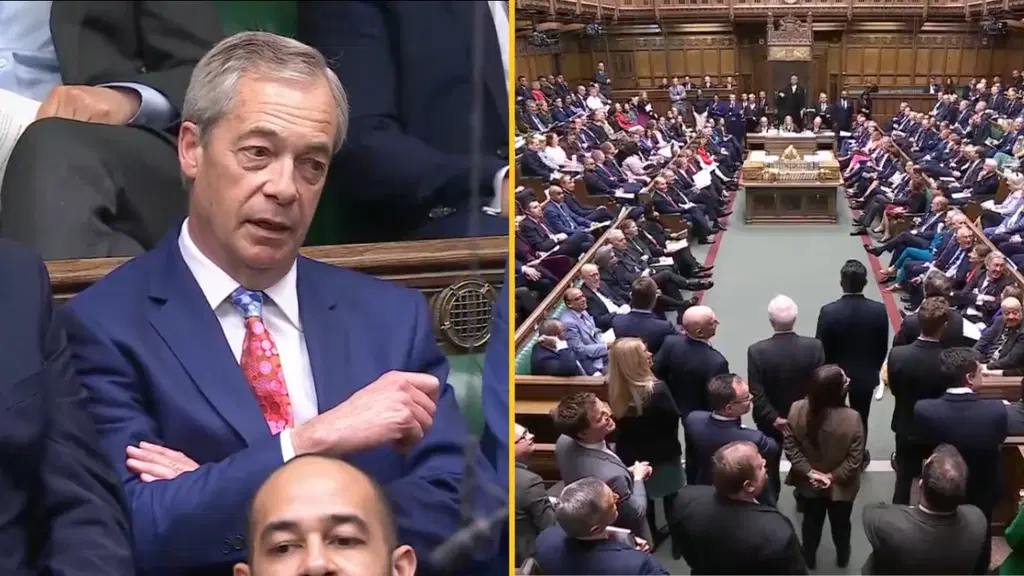
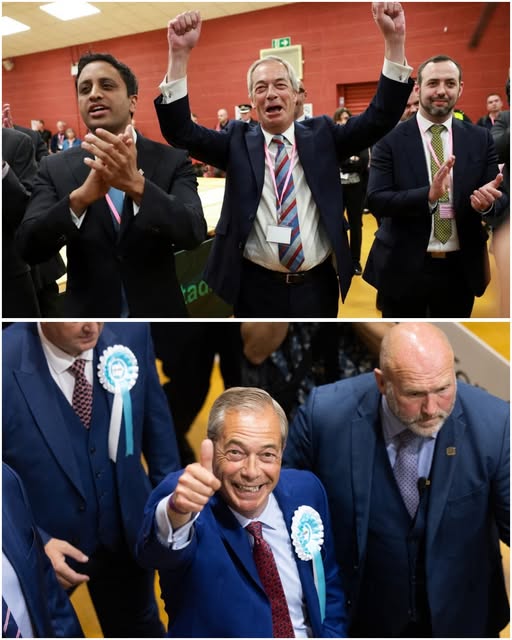
A leading pollster has agreed to publish more data behind its results after a row with Nigel Farage. The Reform UK leader had accused YouGov of underplaying his insurgent party’s popularity in its voting intention surveys.
The polling company – which has consistently been showing a smaller lead for Reform – asks people how they are likely to vote in their own constituency rather than which party they favour in general, which it argues is more accurate. But Mr Farage had claimed the pollster was breaking transparency rules set out by the watchdog.
In a letter to Mr Farage, Anthony Wells, YouGov’s global head of politics, said: “While data from the voting intention question without a constituency prompt is not part of our published headline figures, we are happy to include this in future published tables.”
He added: “I can assure you that our decisions on methodology will continue to be based solely and exclusively on what we think will produce the most accurate picture of British public opinion.
“We are proud of our record of accuracy at past elections both here and around the world, and not least, in correctly predicting Reform UK’s support at the last election.”
Mr Farage welcomed the move, saying: “I am pleased that YouGov have backed down and will follow British Polling Council rules.
“We can now see the full extent of how they manipulate their data to suppress Reform.”
YouGov has had Reform on an average of 24.8% in recent polls, while other pollsters have had the party close to 30%.
 Get More of Our News on Google
Set Daily Express as a ‘Preferred Source’ to get quicker access to the news you value.

A YouGov spokesman said: “Our headline voting intention figures are based on how people say they will vote in their own constituencies, adjusted for likelihood to vote and don’t knows using MRP.
“We switched to asking specifically about constituencies prior to the 2024 general election, and our post-election review found this significantly increased our accuracy as it is more effective at picking up tactical voting and how people actually cast their vote.”