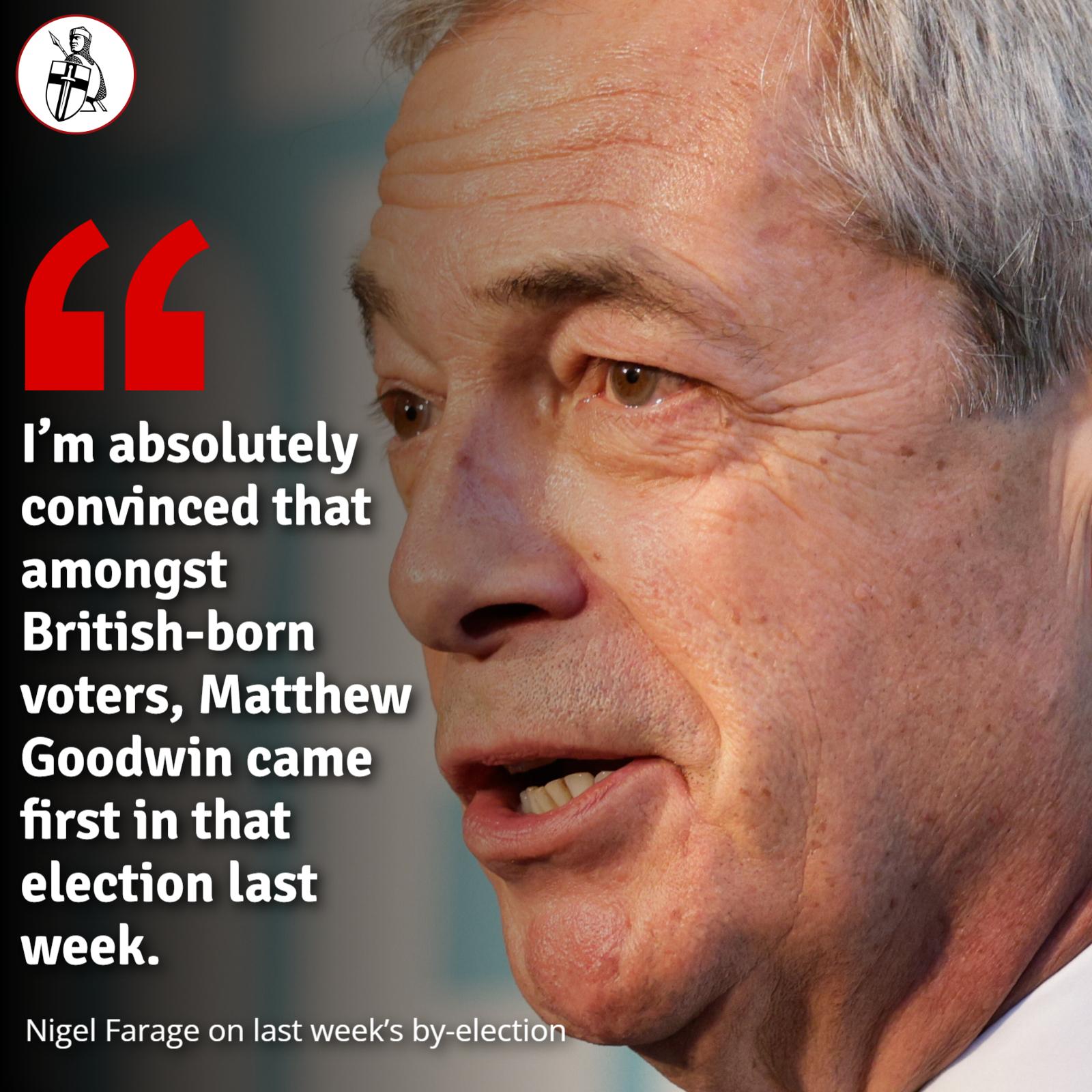
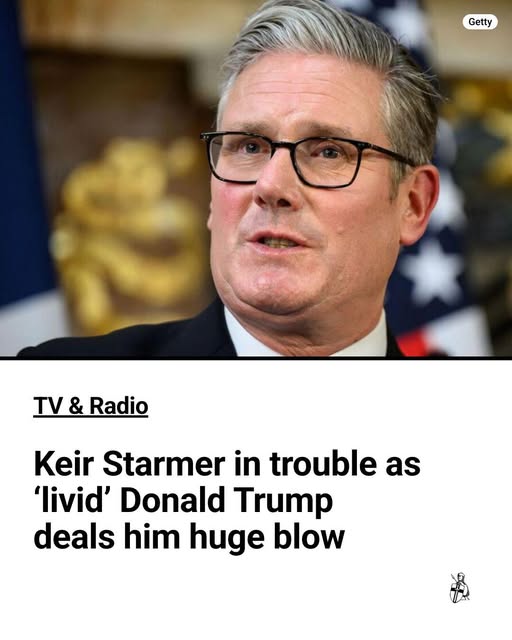
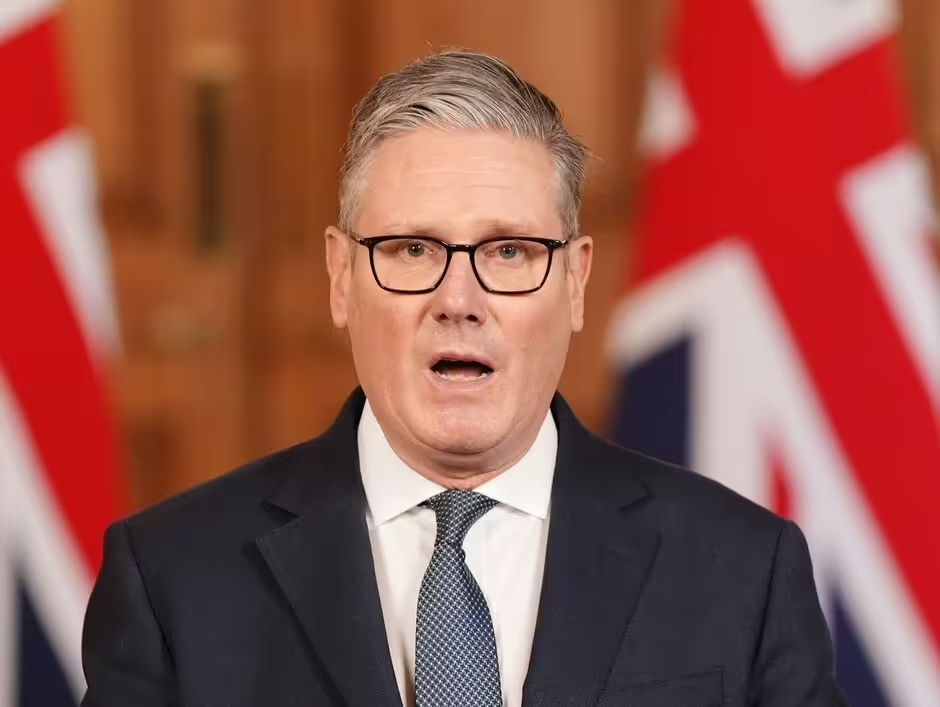
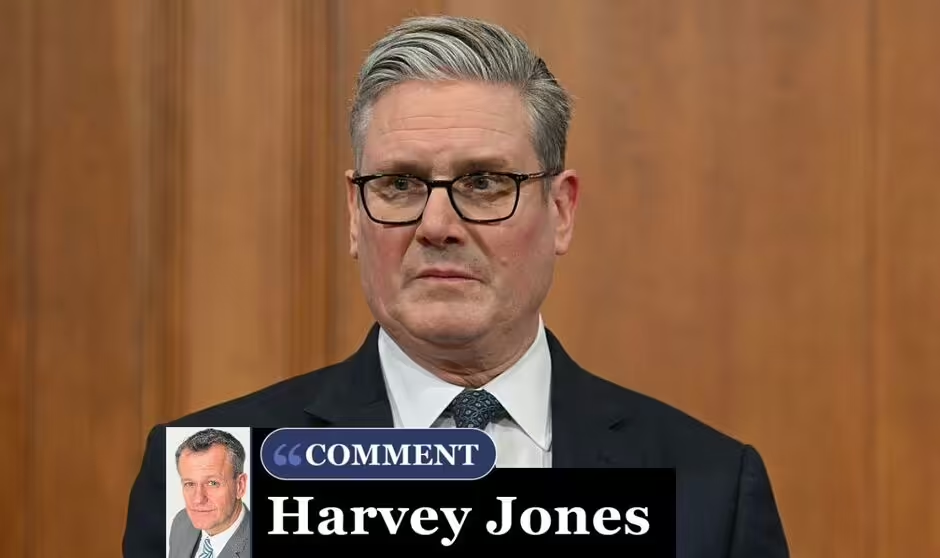
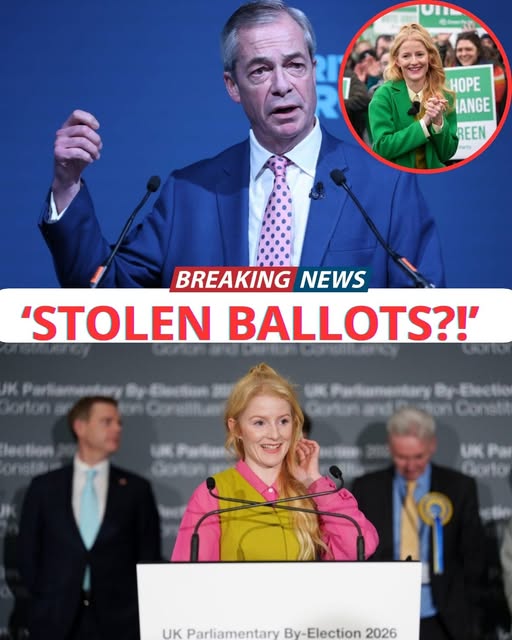
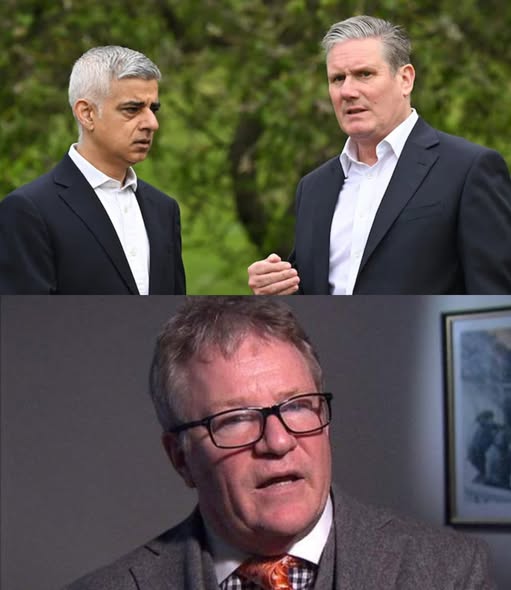
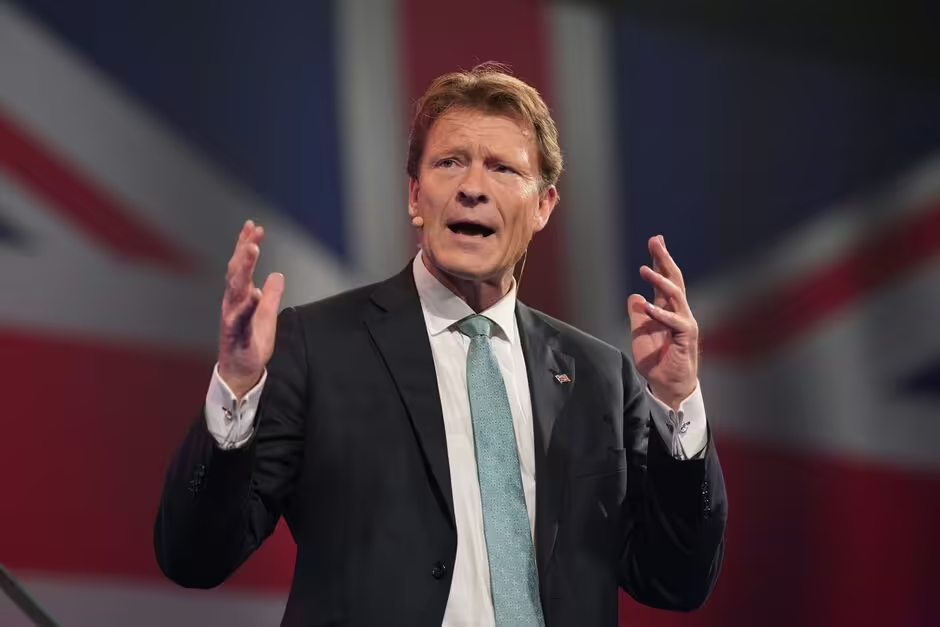
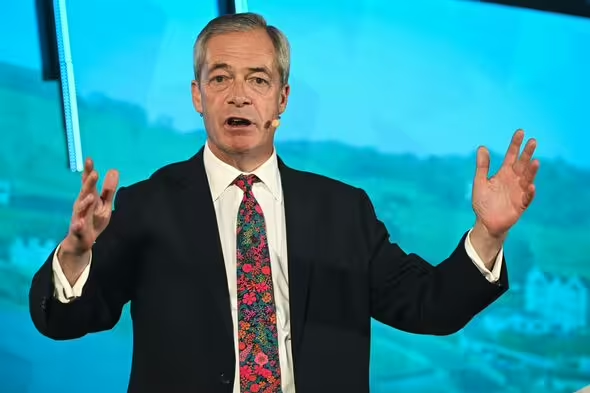
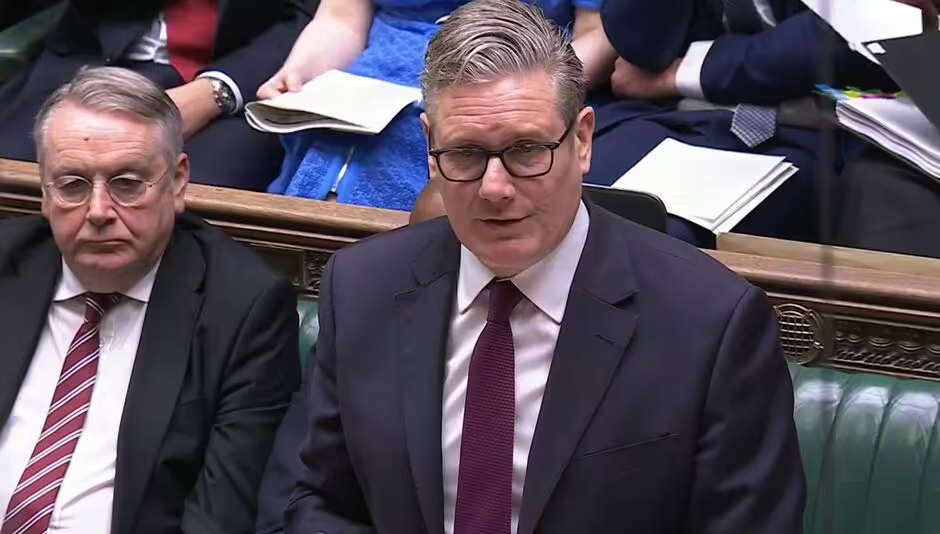
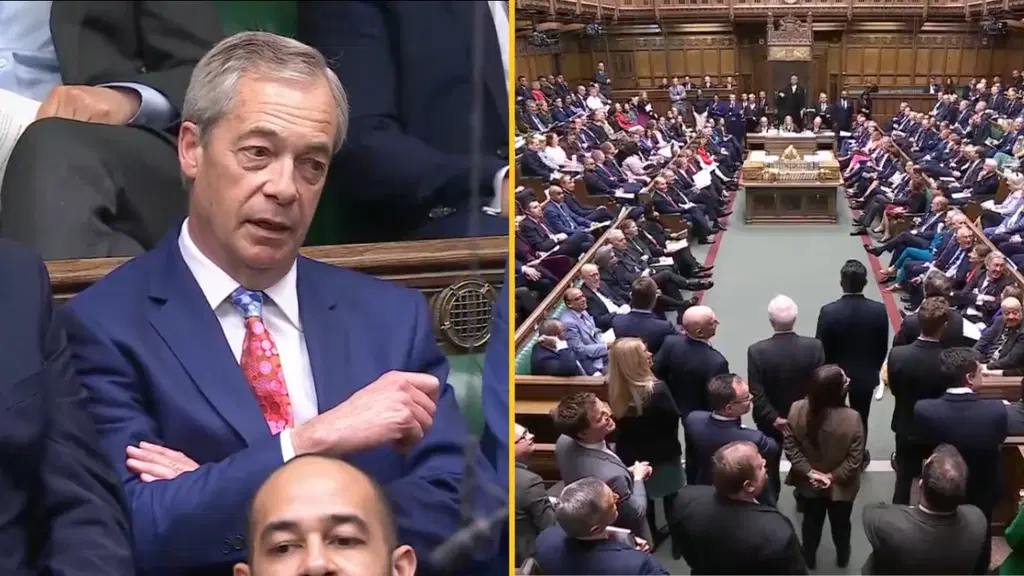
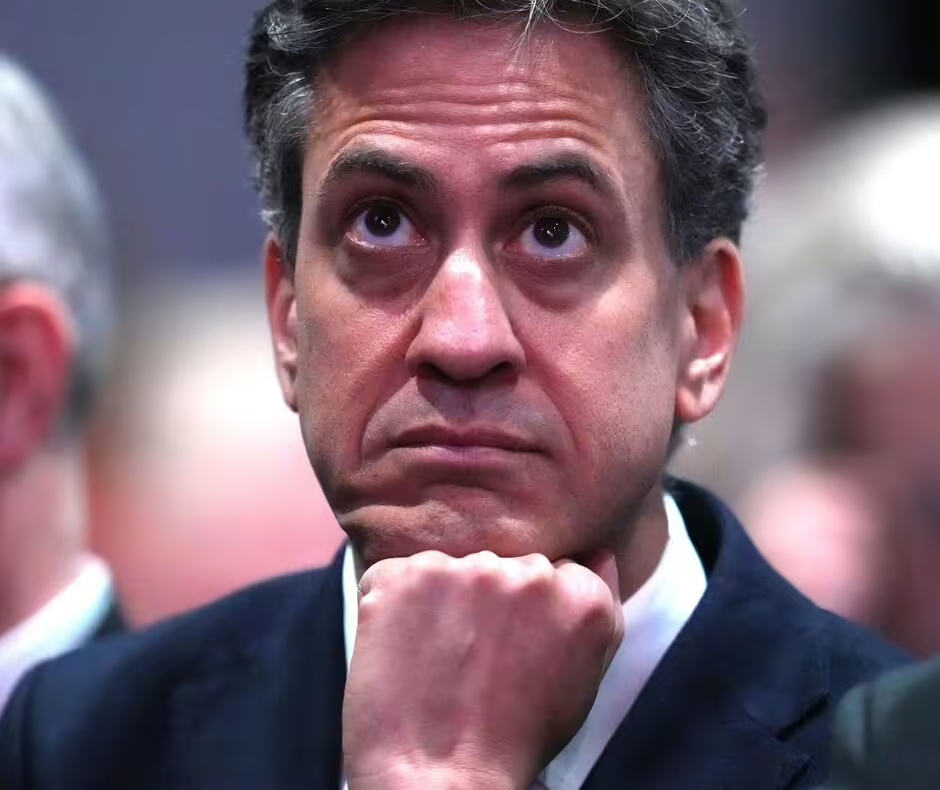
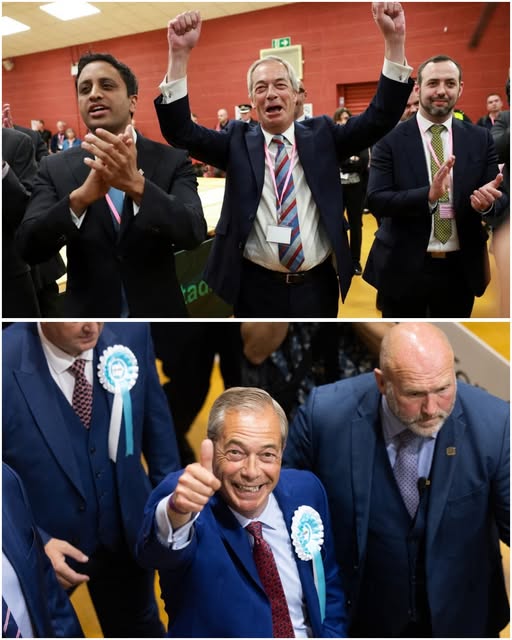
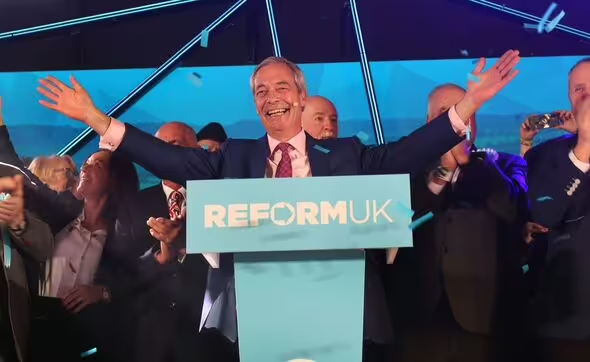
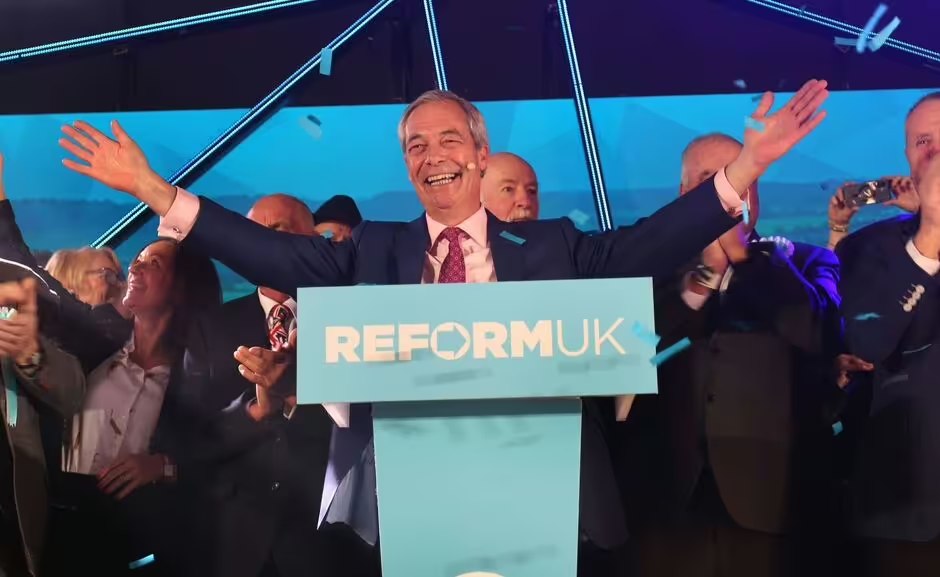
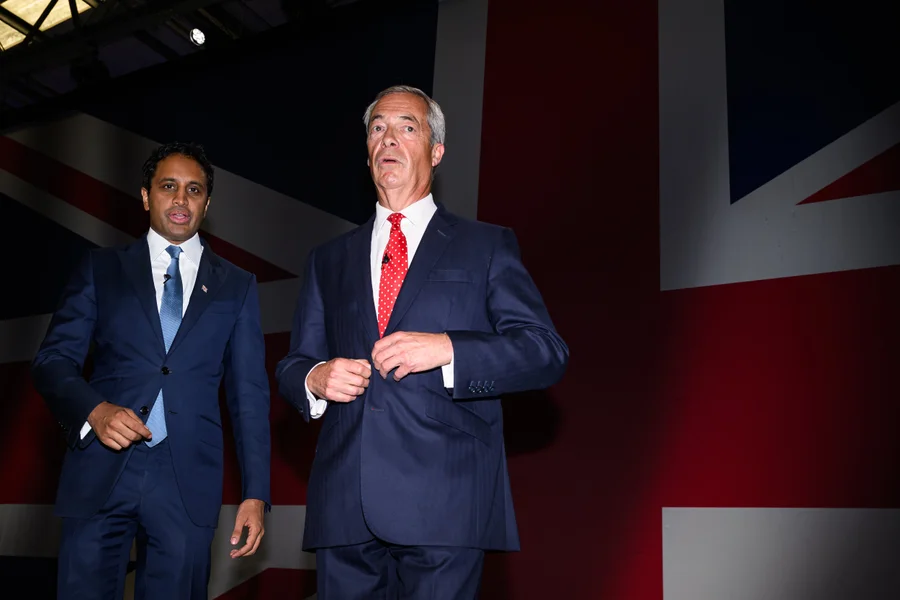
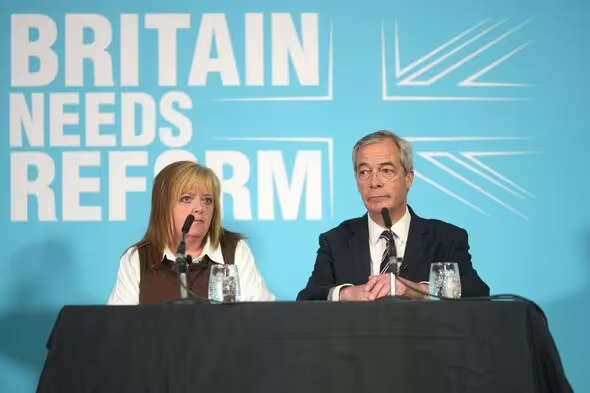
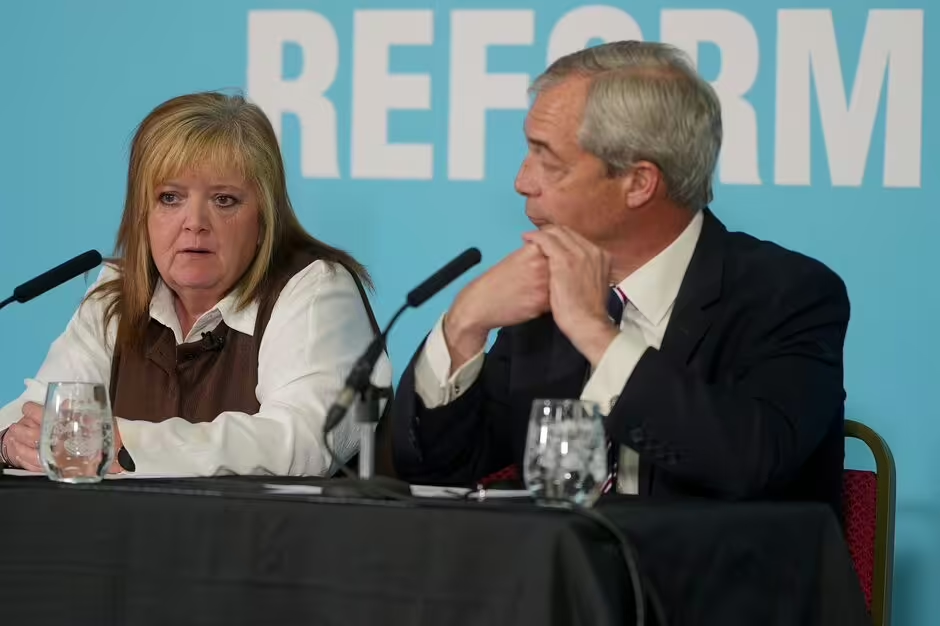
Reform UK leader Nigel Farage has launched a strong attack on Prime Minister Sir Keir Starmer, describing him as “the most unpopular prime minister in living memory”. The comment came as Farage unveiled the party’s campaign slogan for the forthcoming local elections: “Vote Reform. Get Starmer out”.

The slogan will be prominently used across Wales, Scotland and selected English regions in the weeks leading up to the May local elections. Reform UK aims to capitalise on widespread dissatisfaction with the current government and position itself as the clearest alternative for voters seeking change.
Farage argued that Starmer’s leadership has failed to deliver on key promises and has instead deepened public frustration on issues such as immigration, cost of living and public services. He claimed that Reform UK is now the only party offering a genuine challenge to the status quo and a route to removing Labour from power.
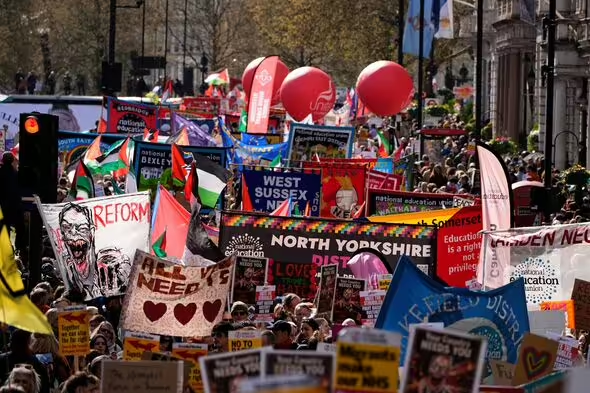
The local elections are seen as an important early test for the Labour government after less than two years in office. Reform UK hopes to build on recent polling gains and convert voter discontent into tangible council seats. The party has been particularly active in areas where traditional support for the main parties has weakened.
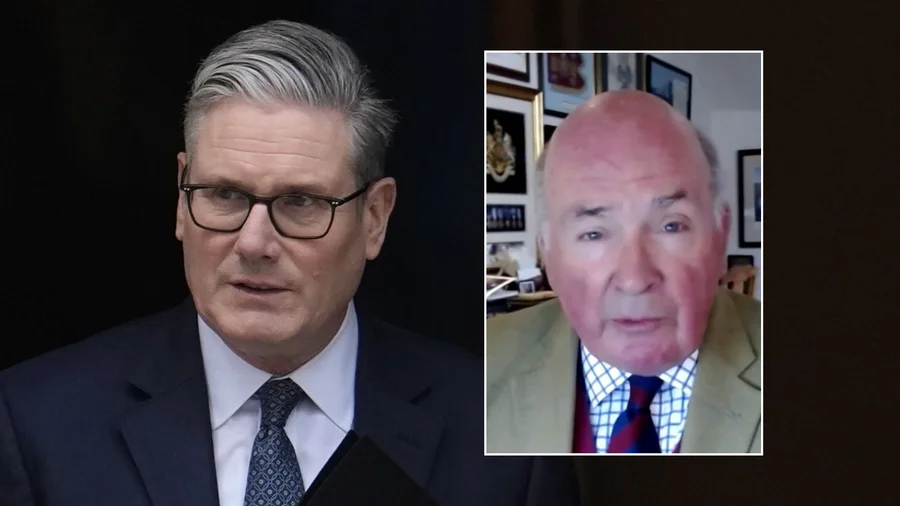
Government sources have dismissed the slogan as opportunistic and argued that Labour remains focused on long-term delivery rather than short-term campaign rhetoric. Ministers point to ongoing work on economic stability, public service reform and international commitments as evidence of serious governance.
Political analysts note that local elections often reflect national mood but are also influenced by local issues, candidate strength and turnout. Reform UK’s strategy appears designed to keep national dissatisfaction with Starmer at the centre of the debate, framing the vote as a direct verdict on his premiership.
Farage’s personal criticism of Starmer as exceptionally unpopular echoes similar attacks made during previous election cycles. The Reform leader has consistently positioned his party as the voice of those who feel ignored by the traditional political establishment.
The coming weeks will show whether the “Vote Reform. Get Starmer out” message resonates strongly enough to deliver meaningful gains for Reform UK or whether Labour and the Conservatives can hold their ground in key areas. With turnout often lower in local elections, the effectiveness of the slogan will depend on motivating disaffected voters to turn out.

The local elections are expected to be closely watched as an indicator of shifting political loyalties and the potential realignment of British politics. Reform UK’s aggressive targeting of Starmer suggests the party intends to maintain pressure on the government throughout the year.
Whether this approach yields electoral success or remains largely rhetorical will become clearer after the May results. For now, the slogan has succeeded in sharpening the national conversation a