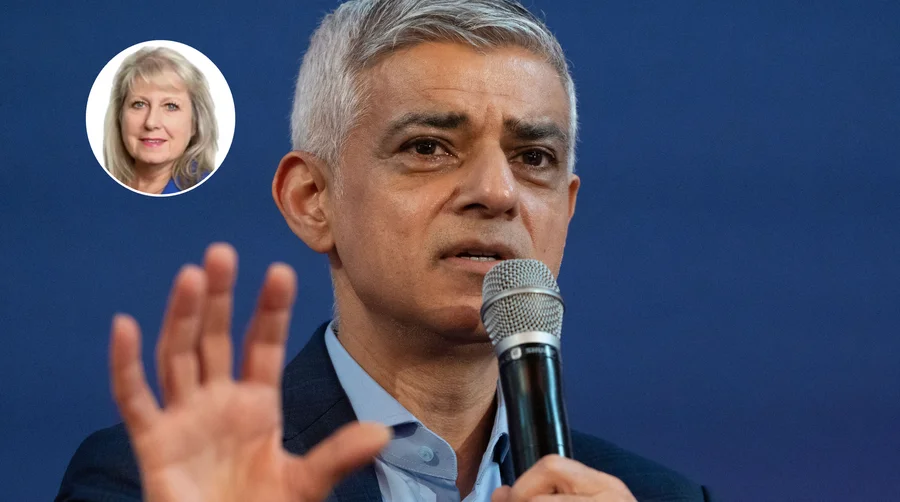
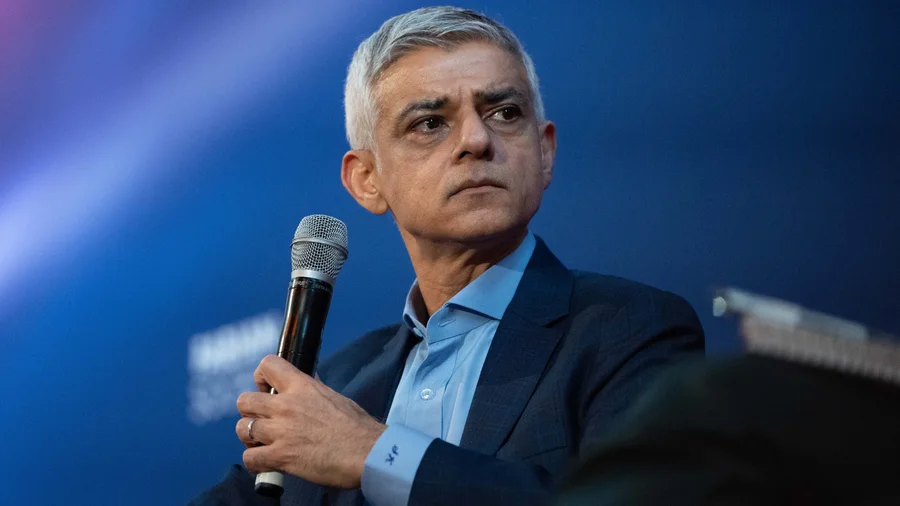
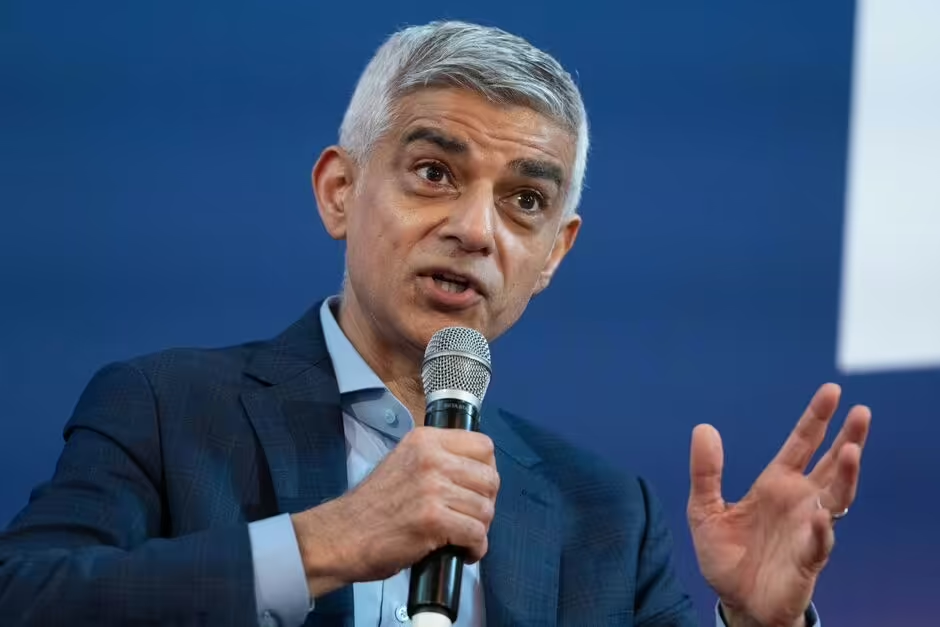
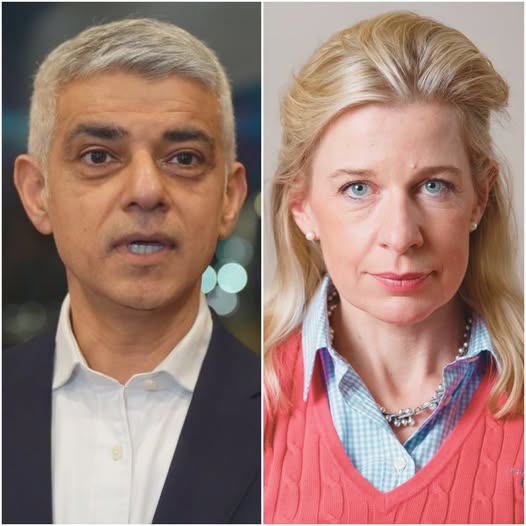
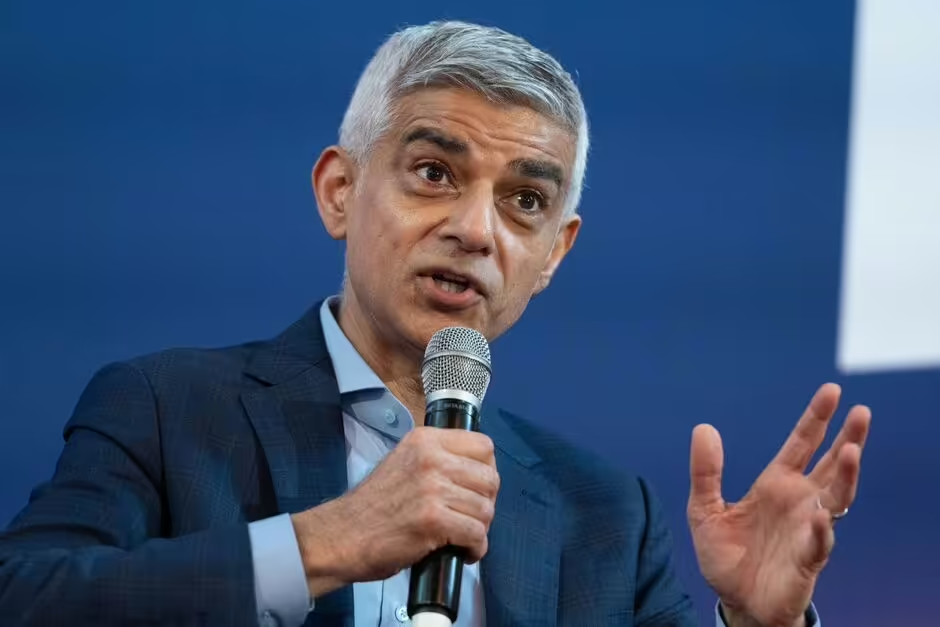
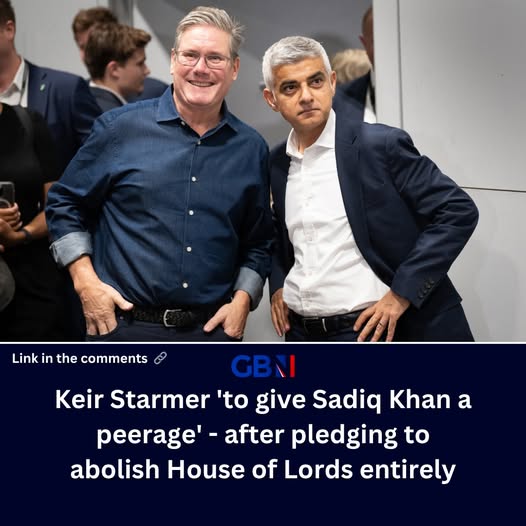
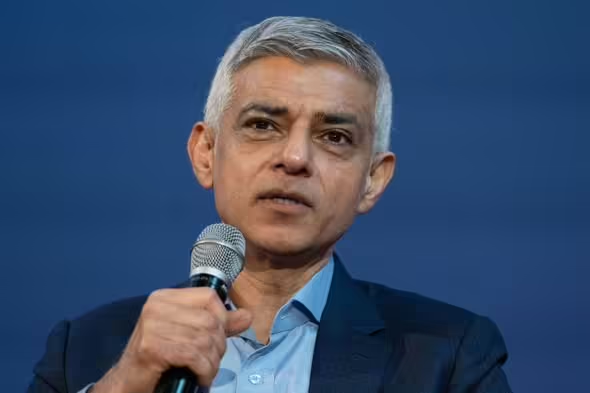
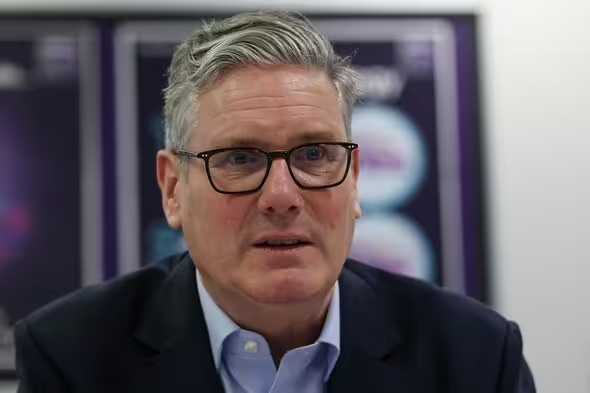
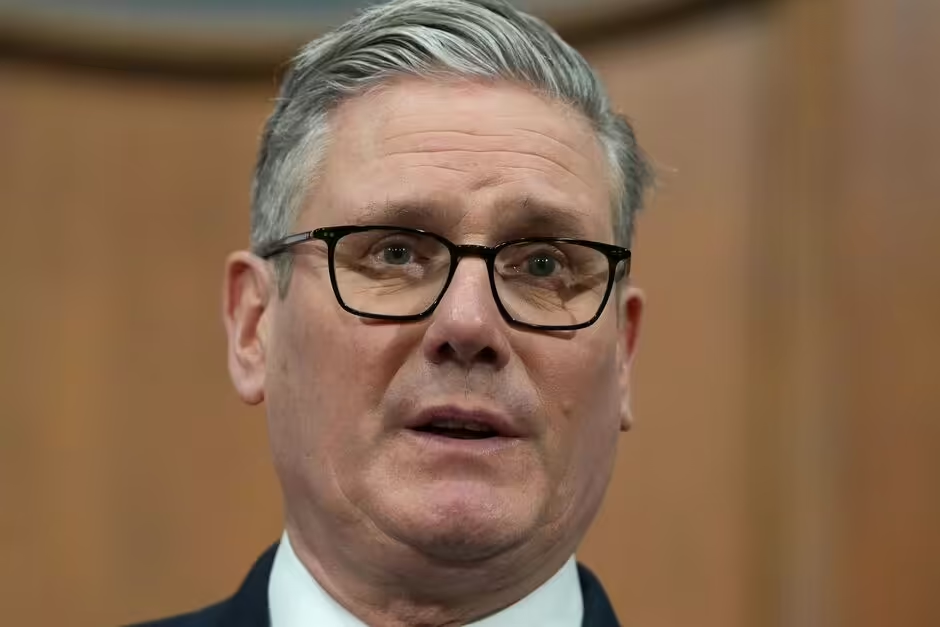
Sadiq Khan has called on ministers to take significantly stronger action against social media companies that spread disinformation after a study showed a surge in hostile accounts posting falsehoods about London’s crime rates and integration.
In an intervention on what he called “the outrage economy”, the London mayor, who has also written to social media firms demanding change, said a lack of action could prompt more domestic terrorism by people who believe conspiracy theories they find online.
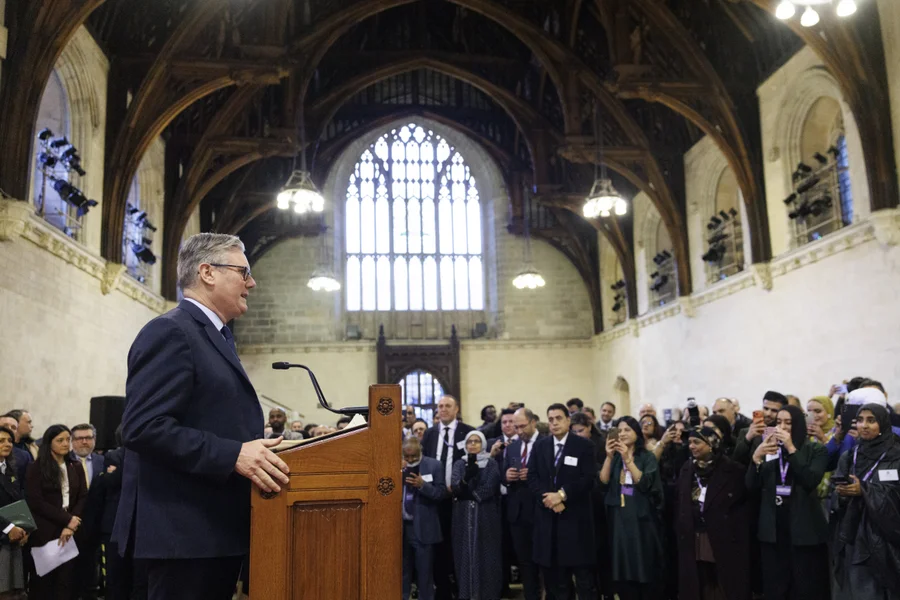
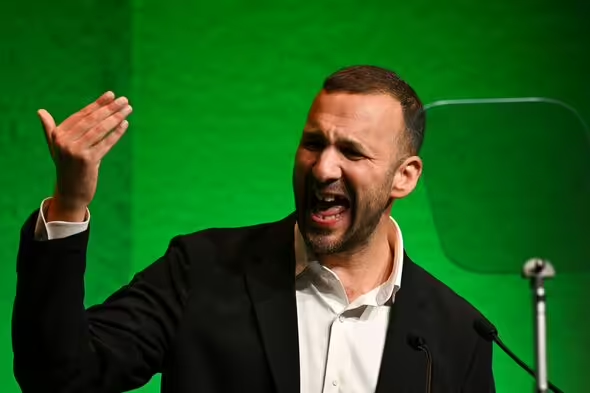
Speaking at a disinformation summit in Cambridge on Thursday evening, Khan said robust central government action seemed increasingly necessary if social media companies continued to neglect the issue, and the media regulator Ofcom seemed unable to enforce change.

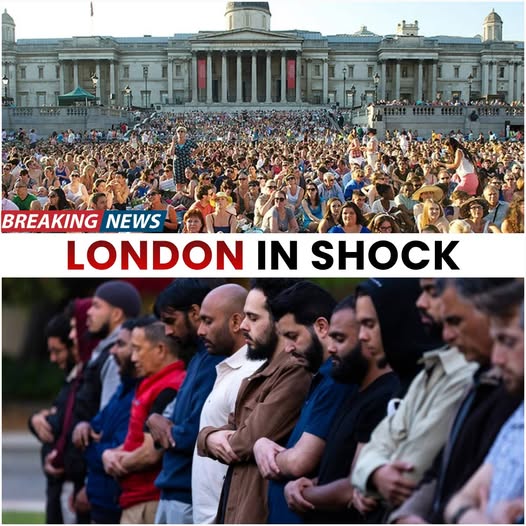
Research compiled by an analysis unit within the Greater London Authority has shown an increase of between 150% and 200% in online narratives describing London as particularly dangerous over the past two years, and a 350% rise in content focusing on the supposed impact of migration on the city.
“We’re right to expect big tech to do better but we should not rely on it,” Khan said. “If platforms fail to act, the state must have the tools to make them. That’s why I’ll continue lobbying the government publicly and privately to take a much tougher approach.
“We need a new central body with the agility and authority to protect our democracy from disinformation, and deal with the scale and speed of this crisis. And we need more aggressive enforcement of the rules we already have. Because unless regulators like Ofcom have the power to hit companies where it hurts, they’ll keep on getting away with it.”
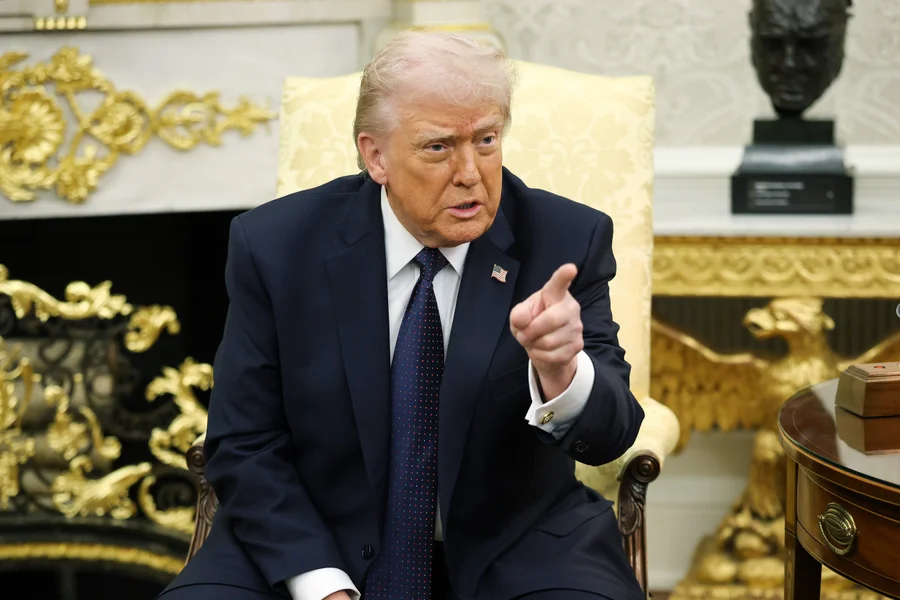
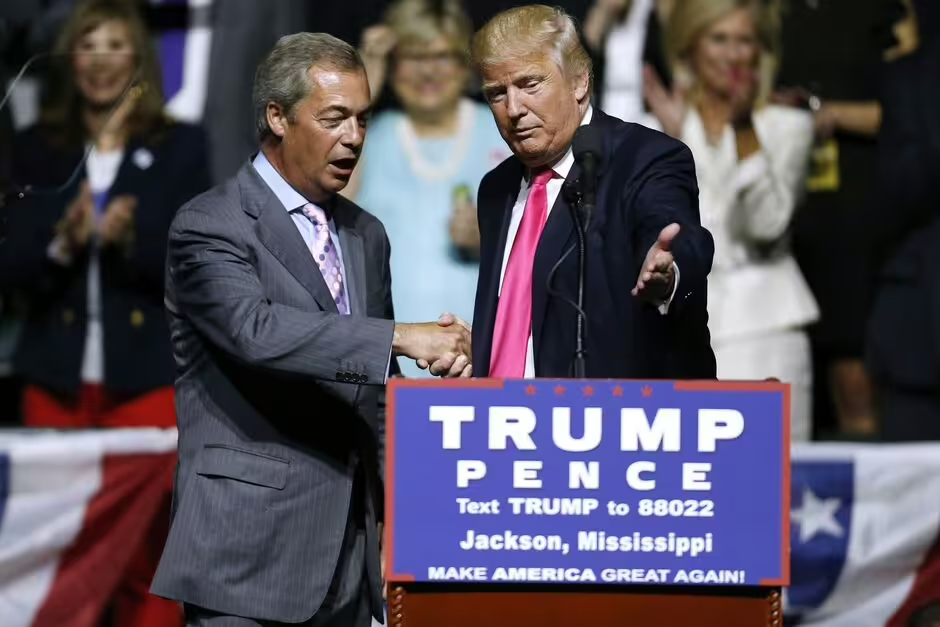
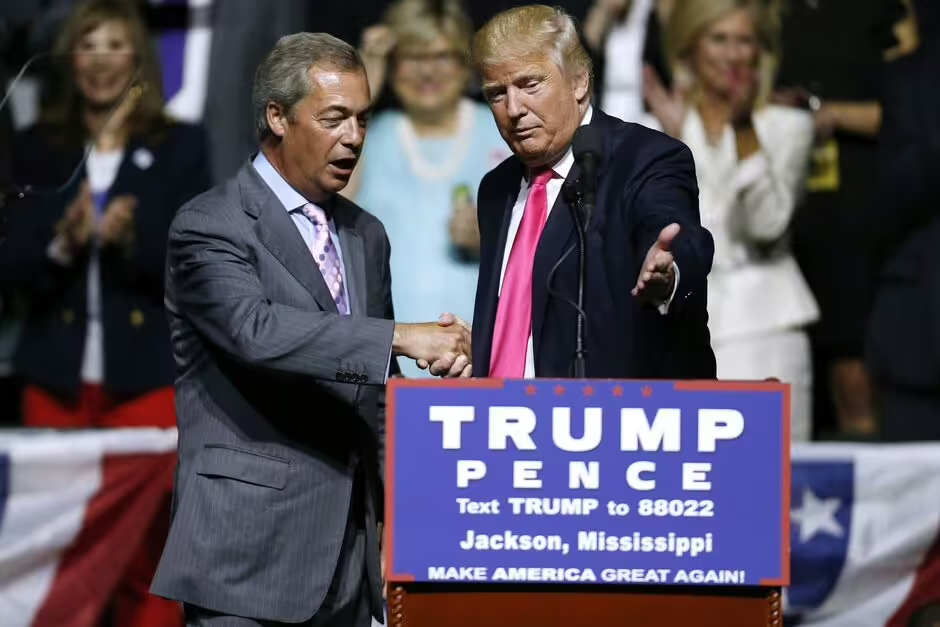
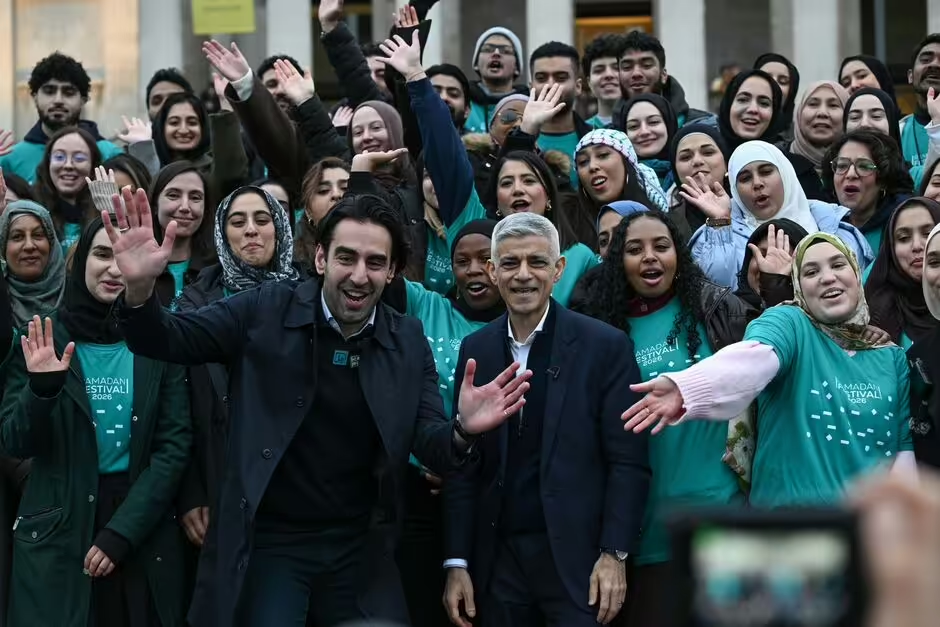
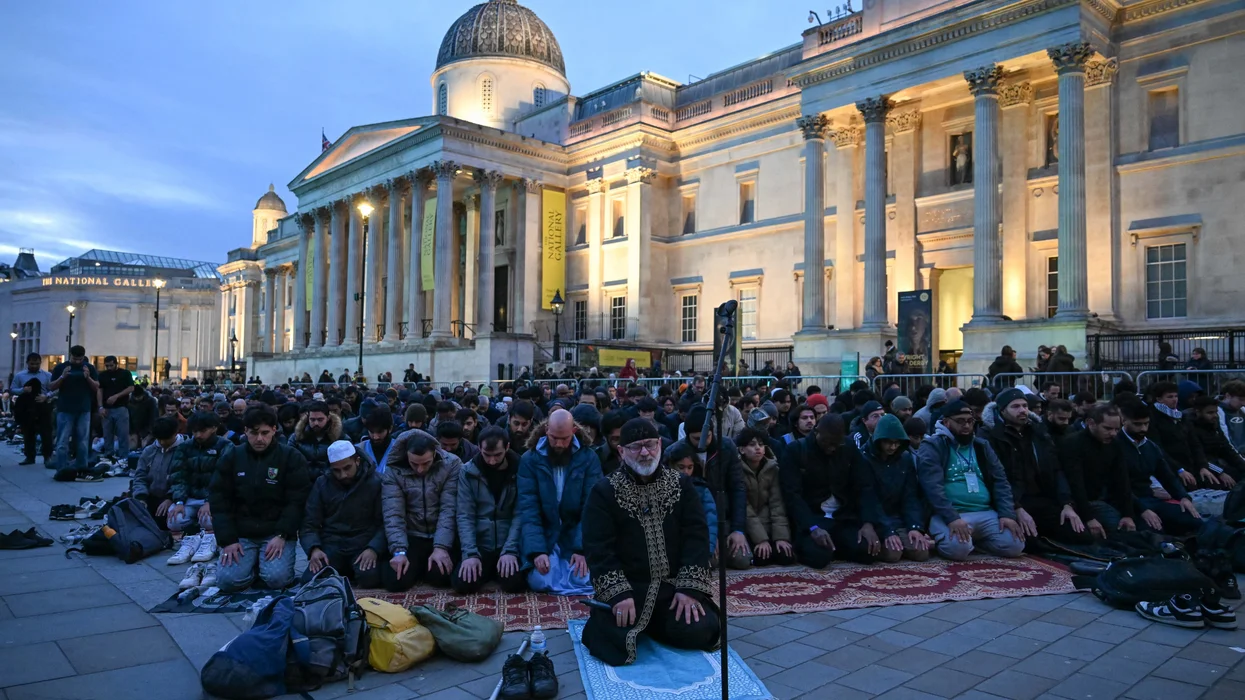
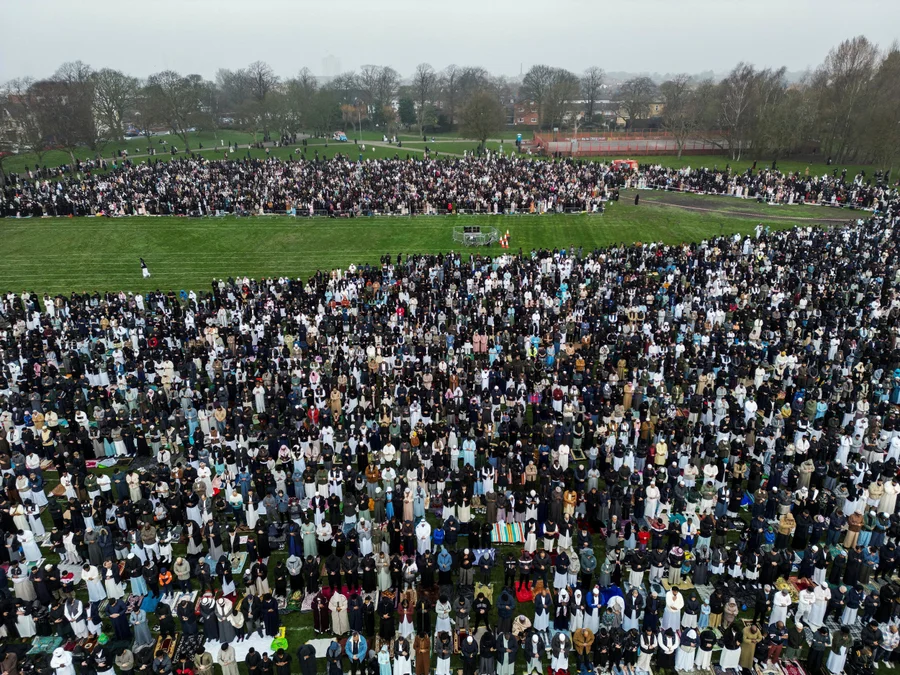
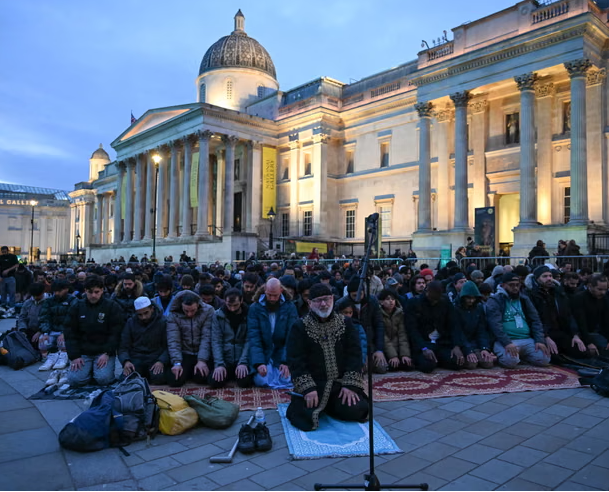
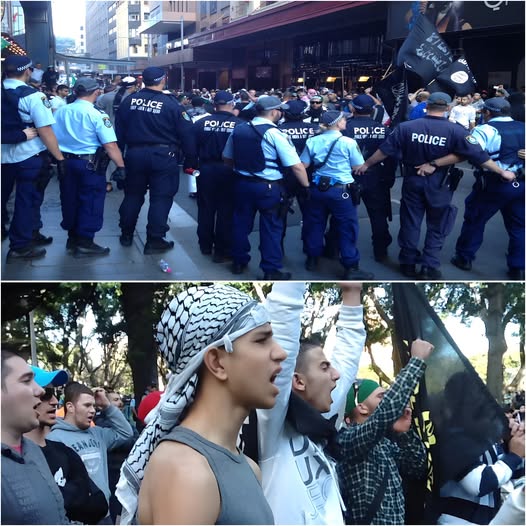
The Labour mayor has long been a target for Islamophobic and other abusive social media posts, particularly when he has sparred with Donald Trump. More recently, this has expanded into masses of content describing London as, in Khan’s words in the speech, “a fallen city overtaken by Islamist immigrants where crime goes unpunished and basic decency has all but disappeared”.
According to the new research, while some of the misinformation comes from US sources, other posts are connected to Russian or Chinese state interests, with AI technology in places such Vietnam spreading falsehoods, in some cases by pretending to be legitimate local news sources.
Khan said this new outrage economy was “eating away at the basic bonds of trust that hold our societies together” and had to be tackled head-on.
He said: “The same people attacking the capital have already started targeting other cities around the world. And in a few years’ time I think we’ll look back on London as the canary in the coalmine. But I hope we’ll also see it as the place where the fightback began.”
after newsletter promotion
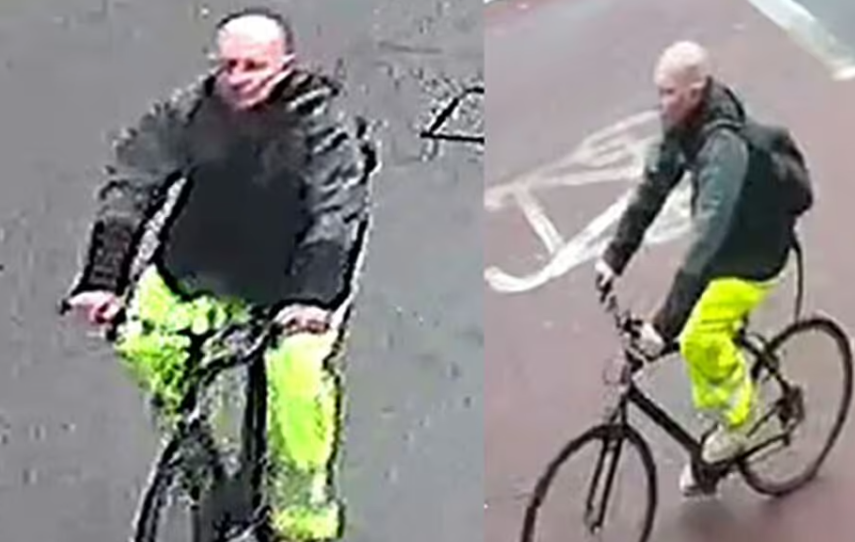
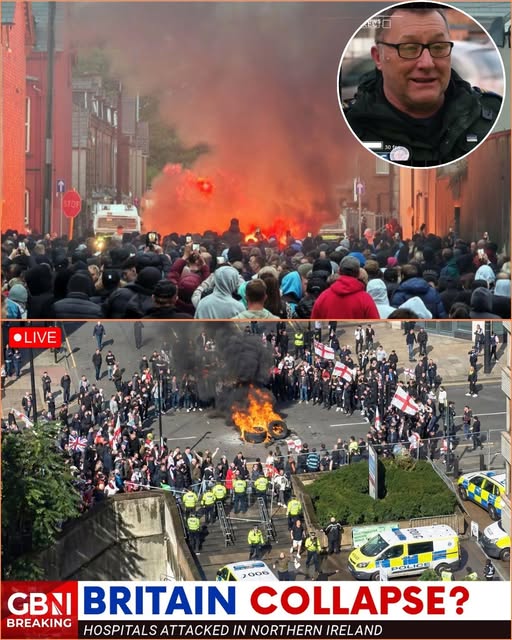
Unchallenged falsehoods could lead to violence and terrorism, Khan warned, citing the case of Kevin Rees, a 63-year-old retiree who became embroiled in online conspiracies after opposing the expansion of London’s ultra-low emission zone.
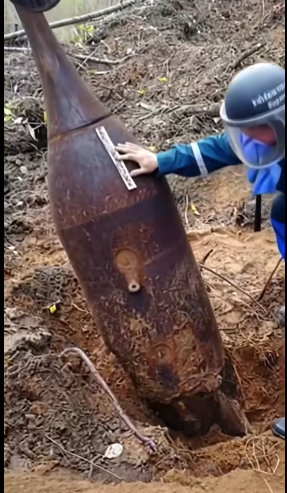
Rees was jailed in January for blowing up an enforcement camera with a homemade bomb, a blast the police said could have killed someone.
Khan insisted the new action was not a case of seeking to suppress free speech. “To anyone who cynically seeks to delay, deflect or deny by turning this crisis into a debate about our unfettered freedom to post, I say this: tell that [to] charity staff being threatened by strangers at their door after they were doxed online, or the parents struggling to reach their children as they’re dragged ever deeper into the darkest corners of the internet,” he said.
“Tell that to the Jewish and Muslim people who tell me they don’t feel safe walking to synagogues and mosques, or the staff in schools and hospitals facing an endless tirade of harassment and abuse.”