
On a quiet Christmas evening in the small Long Island community of Lindenhurst, something devastating and senseless happened — something that would forever change the lives of a family, a group of friends, and an entire town. What was meant to be a simple shift at the local CVS pharmacy turned into a scene of violence, grief, and unanswered questions. A young man with his whole life ahead of him never made it home, and a community was left searching for meaning in the face of a tragic loss.
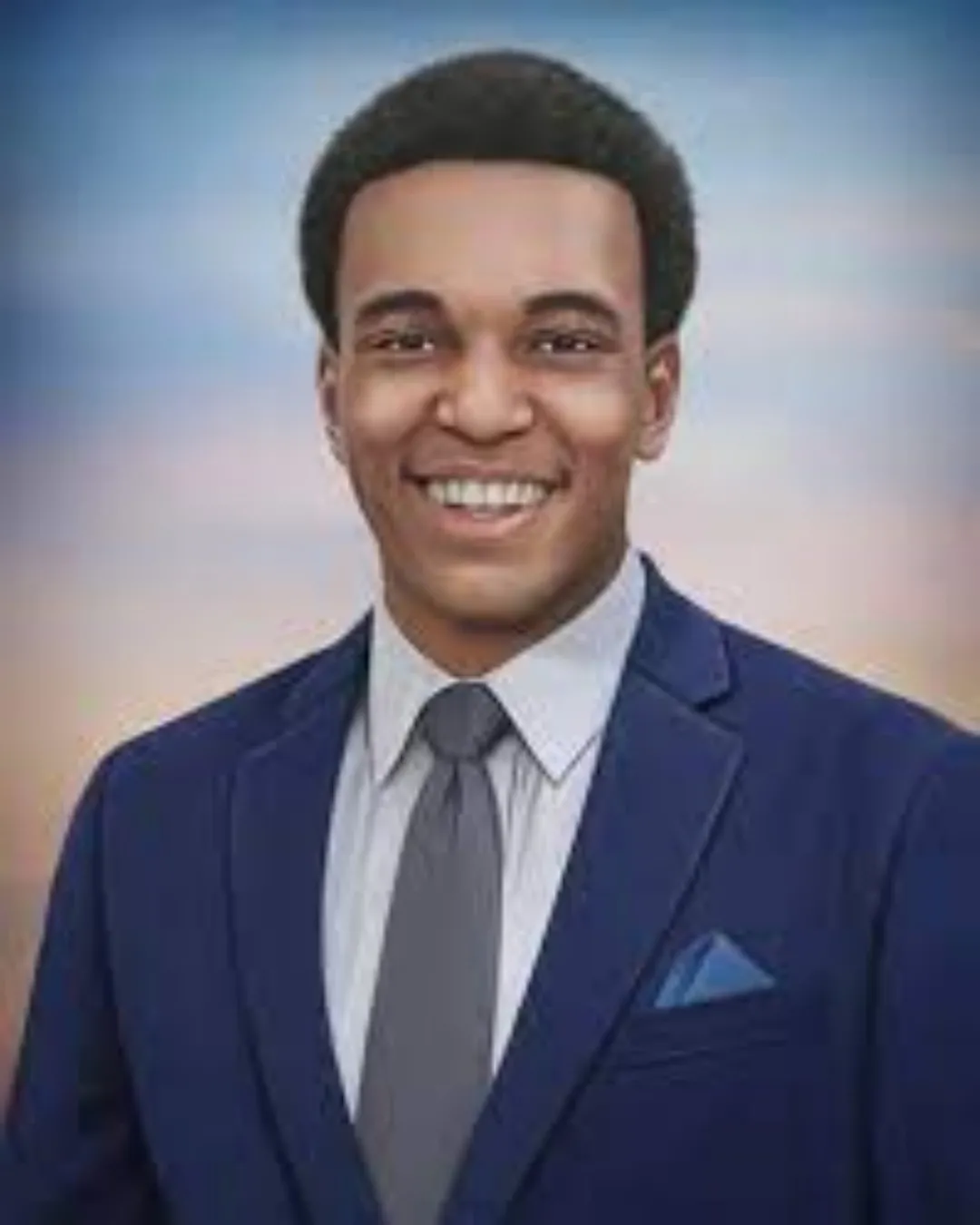
Edeedson “Eddy” Cine was only 23 years old. By all accounts from those who knew him, he was kind‑hearted, eager, and hard‑working. Eddy had taken a job at the CVS located on East Montauk Highway — not because it was glamorous or easy, but because he needed work and wanted to support himself. On Christmas Day, he was working a shift most people spend with family — a quiet job on a holiday that for many is full of warmth, laughter, and togetherness.
Eddy had not been scheduled to work that night. One of his coworkers had called out at the last minute, leaving the store short‑staffed. Without hesitation, Eddy volunteered to fill in. It was the kind of thing people who cared about others did: step up when needed, even on a holiday. Little did anyone know that this kind gesture would place him in the path of a violent act that would end his life.
Just before 7 p.m., a man later identified as 43‑year‑old John Pillaccio walked into the CVS. Surveillance footage later showed him calmly picking up a bottle of Gatorade near the front of the store. There was nothing about the beginning of his visit that suggested violence — at least not until he made a shocking move that would forever be seared into the memories of those who would hear the details later.
Without warning, Pillaccio leapt over the counter and approached Eddy. What happened next was described by prosecutors as brutal, merciless, and barbaric. Pillaccio allegedly stabbed Eddy repeatedly — in the chest, in the head — in a violent assault that left the young man bleeding on the floor of a store where people come to buy everyday necessities like medicine and soap, not to witness horror.
The crime was so shocking that even seasoned law enforcement officers struggled to put the scene into words. Suffolk County Police Commissioner Kevin Catalina, speaking in the days after the murder, could barely hide his anguish as he addressed the press. “It’s horrific,” he said. “Your kid goes to work on Christmas and doesn’t come home. I don’t know how any parent could possibly deal with that. Wonderful family, wonderful kid. Our hearts are all broken.”
The image of a young man, working late on a holiday because he wanted to be helpful, only to be met with fatal violence, struck a chord across the community. People who had never met Eddy began learning his name. Neighbors talked about his smile. Friends recalled how he always made time for others. Family members described his dreams and plans — goals that would never, ever be realized.
Police arrested Pillaccio the following day, on December 26, in Lindenhurst. The charges were grave and immediately upgraded as more information came to light. He was formally accused of first‑degree murder — the most serious charge under New York law — and pleaded not guilty in court. Despite his plea, the weight of evidence against him appeared strong, including what prosecutors described as a confession in which he admitted to killing Eddy.
According to the Suffolk County District Attorney’s office, Pillaccio told investigators he had entered the store looking for money. He allegedly said he needed cash to pay off roughly $25,000 in credit card debt. That motive — financial pressure and desperation — might explain why he went into the store, but it offered no excuse for the brutal attack that followed.
When a grieving family sits in a courtroom as prosecutors recount such violence, there is no easy way to describe their pain. Eddy’s friends and relatives packed the Suffolk County courtroom in Riverhead for the hearing, some wiping away tears, others holding tightly to one another as every horrific detail was shared. The atmosphere was heavy, and the emotional toll of reliving that night was evident on the faces of his loved ones.
Throughout the proceedings, District Attorney Ray Tierney emphasized how deeply the crime affected the community. He spoke not just as a prosecutor, but as someone moved by the tragedy of a young life cut short. Tierney urged the court to recognize the gravity of the violence and its ripple effects across the town — from the store where it happened to the homes where neighbors watched the news in disbelief.
Prosecutors also laid out a troubling history for Pillaccio. They told the court that he had a lengthy criminal record dating back nearly two decades — almost to the day of the CVS killing. Twenty years earlier, in Melville, he was involved in a violent robbery during which he allegedly beat a victim with a tire iron. The similarity in the violence of his past offense and the crime at CVS raised questions about how repeat violent offenders are managed in the criminal justice system.
Tierney did not shy away from criticizing that system. In his remarks, he questioned why individuals with a history of violent conduct could cycle through parole without lifetime supervision, especially if they posed ongoing risks to public safety. “Why there wouldn’t be a lifetime parole, perhaps that’s something that should be revisited,” he told reporters outside the courthouse. His comments reflected broader concerns among law enforcement and community members about repeat offenses and public protection.
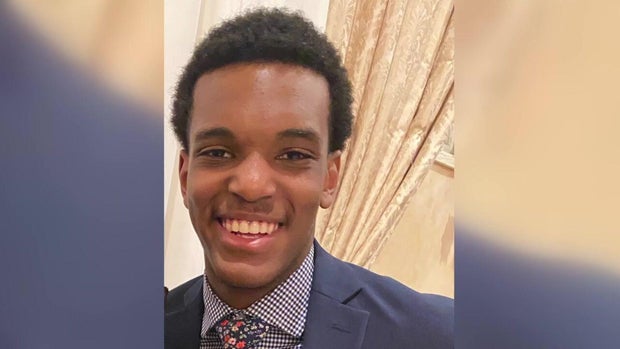
For Eddy’s family, none of these legal debates lessen the pain of loss. Their attorney, Heather Palmore, delivered a statement that was both heartfelt and searing in its honesty. “Eddy was a beautiful young man that had his whole life in front of him,” she said. Palmore described the family’s grief as immeasurable — a sentiment that echoed through the courtroom and beyond, breaking the hearts of those listening.
She also raised questions about CVS itself — specifically about its handling of the surveillance video and its security policies. “Can small companies do more to protect their employees?” she asked, pointing to the fact that it had taken some time for the store to release the interior footage to the police. Palmore’s comments reflected a growing frustration among workers and labor advocates about workplace safety — particularly in retail environments where employees often work alone or with minimal security.
The discussion about corporate responsibility struck a chord in a nation still grappling with violent incidents in retail spaces, convenience stores, and pharmacies. Workers who provide essential services — stocking shelves, ringing up purchases, helping customers — sometimes do so in environments where safety is not guaranteed. The question Palmore posed — “Could CVS have done more to protect its employees?” — became a point of reflection for many who learned of Eddy’s death.
Another attorney, family counsel Steve Drummond, echoed this concern, noting that requiring employees to unlock products for customers while providing little protection in return seemed deeply flawed. “Can corporate America do more?” he asked, highlighting a broader debate about worker safety, risk management, and the value placed on employees who perform everyday tasks that often go unnoticed until tragedy strikes.
While lawyers debated legal strategy and corporate responsibility, undercurrents of grief flowed through the community. Lindenhurst residents lit candles, attended vigils, and left flowers at makeshift memorials near the CVS. People who had never met Eddy began to know his face and his name, sharing stories of kindness and smiles, texting photos, and posting memories on social media. In the midst of sorrow, an outpouring of support emerged — not just for the family, but as a collective expression of solidarity with a life lost too soon.
Local fundraisers sprang up to help Eddy’s family with funeral costs and financial needs. Within a short period, the community had raised more than $120,000 — a testament to the deep affection people felt for a young man whose life had barely begun. Strangers contributed, neighbors donated, and friends rallied — all hoping that their support would relieve some burden from a family enduring unimaginable pain.
Plans were announced for Eddy’s wake and funeral services. The wake was set to be held on Thursday following the court appearance, and his funeral on Friday. For his loved ones, these rites offered a chance to gather, to grieve, and to say goodbye. Friends and family, many still in shock, prepared to share stories — moments of laughter, memories of kindness, times when Eddy’s presence had brightened a room.
For those who knew him, Eddy represented more than just a tragic news story. He was a son, perhaps a brother or a cousin, a friend, someone with hopes and dreams. People recalled his favorite music, his laugh that could fill a room, his plans for the future — dreams of travel, aspirations for a career, hopes of building a life that now would never materialize.
The fact that a simple choice — to help a coworker by working on Christmas — led to such a devastating outcome was something many found impossible to accept. Why him? Why on a holiday? Why in a place where no one expected danger? These questions echoed through discussions among friends, neighbors, and strangers alike. There were no easy answers.
As the days passed, conversations in Lindenhurst shifted from shock to purpose. Community leaders organized efforts to improve safety in local stores. Workers in the area began discussing safety training and the need for better protections during night shifts. Some residents called for town hall meetings to address crime prevention strategies and resources for small businesses.
Eddy’s death became not only a moment of mourning but also a catalyst for dialogue about safety, governance, and collective responsibility. His name began to appear in petitions, community group discussions, and public forums — a young life remembered not just in grief but in an earnest call for change.
Meanwhile, the legal system continued its process. Pillaccio’s next court date was scheduled for February 23, setting the stage for a lengthy legal battle that would determine his fate. If convicted of first‑degree murder, he faced the possibility of life in prison without the chance of ever being released.
For many, that possibility seemed almost irrelevant compared to the loss already endured. No sentence, no matter how severe, could restore Eddy’s life or erase the pain his family and friends carried. Yet there was a shared sense that justice — in its fullest sense — required accountability, a comprehensive legal process, and recognition of the harm done.
As winter gave way to early signs of spring, the memory of that Christmas Day remained vivid in the hearts of those who lived through it. Conversations among neighbors still turned to Eddy. People paused outside the CVS, remembering the young man who once stood behind its counters. Vigils continued, with flowers and notes left in his honor, testament to a community that refused to forget.
In families across Lindenhurst, parents hugged their children a little tighter. Shop workers checked in on one another before shifts. The ripple effect of a single act of violence reached far beyond the walls of the CVS, touching lives in subtle and profound ways.
Though the pain remained raw, there was a sense of collective resilience — an understanding that while tragedy cannot be undone, the memory of a young man’s life can inspire compassion and change. Eddy’s story became a reminder of the fragility of life, the unpredictability of violence, and the power of a community to come together in the face of unbearable loss.
In the end, a name became more than a headline. Edeedson “Eddy” Cine became a symbol of kindness, sacrifice, and the human cost of violence. His story was not merely about a terrible crime: it was about a life lived, a community shaken, and the unyielding hope that from loss, understanding and improvement can grow.
And so, in the quiet moments after the courtroom doors closed and the candles burned low, the people of Lindenhurst continued to remember Eddy — not just for how he died, but for how he lived, how he chose to help others, and how his memory compelled those around him to reflect, to act, and to hope for a safer future.