
CONTENT WARNING: This post discusses World War II–era war crimes and post-war detention. It is shared solely for historical education and to honor victims, without graphic detail and without endorsing violence or hatred.
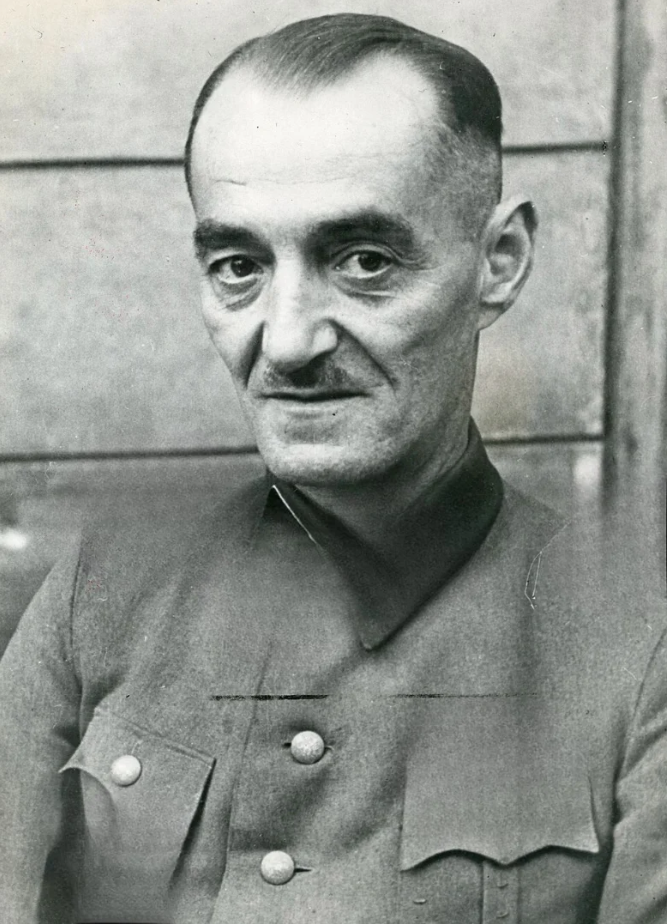
Oskar Dirlewanger (1895–1945) remains one of the most notorious figures associated with Nazi Germany. Widely condemned even within parts of the German command structure, he became linked to severe abuses during the war, particularly through the SS unit that bore his name, commonly known as the Dirlewanger Brigade. The formation drew on individuals recruited from prisons and other punitive systems, and it later expanded in ways that contributed to a reputation for lawlessness and brutality.
Between 1941 and 1944, in occupied areas including Belarus and Poland, the unit took part in anti-partisan and “scorched earth” operations that involved the destruction of settlements and widespread violence against civilian populations. During the 1944 Warsaw Uprising, Dirlewanger’s forces were involved in mass killings of civilians in the Wola district—an episode remembered as one of the most devastating atrocities of the uprising.
After Germany’s surrender in 1945, Dirlewanger attempted to evade capture but was detained in May. He died in custody on June 7, 1945, in Altshausen. Official records from the authorities controlling the area listed a medical cause of death, while multiple historical accounts report that he was subjected to severe mistreatment while detained. The exact circumstances are discussed in differing sources, but his death occurred shortly after his capture.
Remembering these events is important not to sensationalize violence, but to acknowledge the victims and to reflect on how extremist systems enable crimes against civilians. Today, we honor those who were killed in Warsaw’s Wola district and the many other communities that suffered during these operations, and we reaffirm the importance of historical memory, human rights, and accountability.