
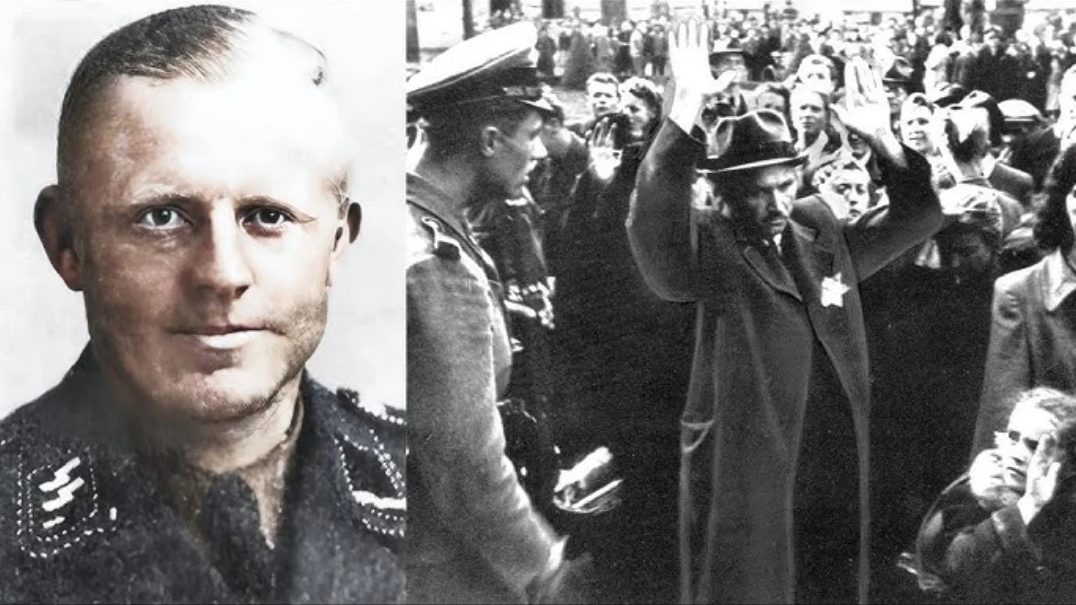
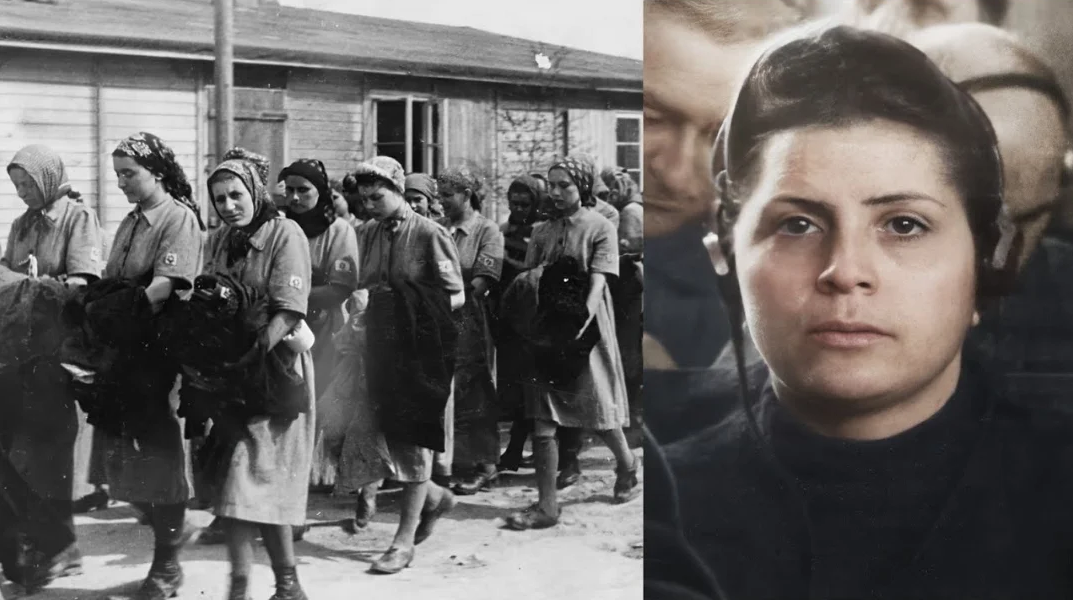
This article discusses wartime crimes and the concentration-camp system during World War II. It is shared for educational and commemorative purposes, does not promote violence or hatred, and avoids graphic or shocking detail.
In the darkest chapters of World War II, the Holocaust remains a painful reminder of the immense harm human beings can inflict on one another. Alongside figures who became notorious for open brutality, there were also individuals whose impact was more “silent”—through supervision, administration, and routine procedures inside the camp system. One case frequently cited in postwar records is Luise Danz, born on December 11, 1917, in Germany. During the war, she served as a female guard in several camps and subcamps, including Kraków-Płaszów, Auschwitz-Birkenau, and Mauthausen. Her story illustrates that atrocity was not only carried out through public violence, but also accelerated by obedience, indifference, and paperwork.
Luise Danz joined the SS in 1943 and was assigned to the concentration-camp system as an Aufseherin (female overseer). According to postwar documents and testimony, she served at Kraków-Płaszów in occupied Poland, was later transferred to the Auschwitz complex (including Birkenau), and then to Mauthausen in Austria. These sites are associated with forced labor, harsh imprisonment, and systematic persecution of multiple victim groups.
Witness accounts often emphasize a form of power exercised through administration: monitoring, recording, and recommending action against prisoners judged “unfit for labor” under camp criteria. Within Nazi bureaucracy, euphemistic language frequently masked decisions that led to death. Some researchers and legal records after the war linked Luise Danz to a very large number of victims, often cited as around 15,000 women. While estimates can vary by source, the central point remains that supervisors at this level helped sustain and expand a machinery of persecution.
Survivor testimony also describes severe discipline and abuse of authority that intensified fear and psychological pressure in daily camp life. Such actions were reported within the broader context of a system that offered prisoners virtually no protection or recourse.
After the war, Luise Danz was arrested and prosecuted. In 1947, a court in Kraków sentenced her to life imprisonment based on documentary evidence and testimony concerning her role in the camp system. However, in the postwar political and legal context, the sentence was later reduced: she was amnestied in 1956 and deported to West Germany, where she lived quietly for many years.
In the 1990s, archival discoveries and renewed investigations brought her case back into public view. Luise Danz was rearrested and tried again in connection with allegations of complicity in deaths at Mauthausen. In 1999, she received a time-limited prison sentence. She later died on May 15, 2000.
Luise Danz’s case underscores that mass atrocity is not committed only by the most visible perpetrators. It is also enabled by “ordinary” links in a system—people who supervise, record, sign off, and “follow orders.” Remembering and studying this history is not about fostering hatred, but about understanding the mechanisms that lead to dehumanization—and staying alert to indifference and the normalization of wrongdoing in any society.