


Nigel Farage’s Political Gamble: Why a Strategic Move Could Prove Crucial at a Key Moment
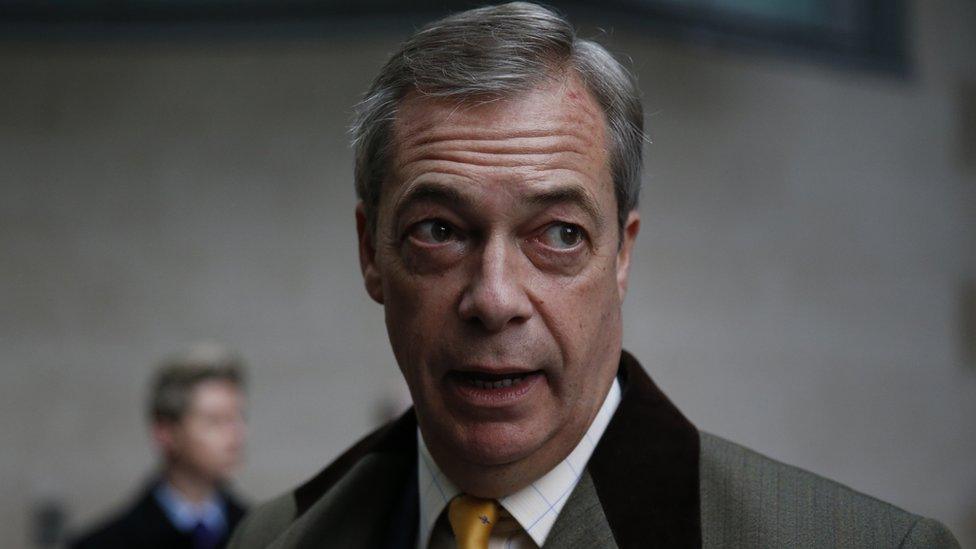
In politics, timing can be just as important as policy. A political figure can introduce the right message at the wrong moment and fail to gain attention, while a carefully timed intervention can completely change the direction of public debate.\
\
For Nigel Farage, timing has always been one of his most significant political strengths. Throughout his career, he has demonstrated an ability to identify issues that resonate with voters and bring them into the centre of national conversation. As Reform UK continues seeking a larger role in British politics, every major decision carries the potential to shape perceptions of the party’s future.
The idea that Farage has “played his ace” reflects a broader question facing his political movement: can it convert public attention into lasting influence?
Supporters of Farage argue that his greatest strength is his ability to understand voter frustration. They believe he has repeatedly identified concerns that established parties underestimated, including issues surrounding Brexit, immigration, political trust, and dissatisfaction with traditional leadership.
Critics, however, argue that attracting attention is not the same as delivering political results. They suggest that successful politics requires more than strong messages and media visibility; it requires organisation, detailed policies, and the ability to govern effectively.
This tension has followed Farage throughout his political career. He has often been highly effective at shaping debate, but turning political momentum into long-term institutional success has been a more difficult challenge.
For Reform UK, the current political environment presents both opportunities and risks. Many voters are questioning traditional party loyalties, and there is growing willingness among sections of the electorate to consider alternatives.
This creates an opening for smaller parties and political movements. However, it also creates pressure to prove that they can offer more than protest.
A political movement can gain support by highlighting problems, but voters eventually want solutions. They want to know how policies would work, how they would be funded, and what practical changes would follow.
This is where Farage’s strategy becomes particularly important. Any major announcement or political intervention must achieve several goals at once: attract attention, strengthen the party’s identity, reassure supporters, and convince undecided voters.
The timing of political messages matters because public opinion is constantly changing. Economic conditions, government performance, international events, and media coverage can all influence what voters consider important.
A message that connects strongly during one period may have less impact later. Political leaders therefore attempt to introduce ideas when public interest and political circumstances create the greatest opportunity.
Farage has often used this approach effectively. His political style is based on direct communication and identifying issues where he believes there is a gap between public opinion and mainstream politics.
Supporters see this as evidence that he listens to voters. Opponents argue that his approach sometimes simplifies complex issues.
The challenge for Reform UK is expanding its appeal beyond its strongest supporters. Many voters attracted to the party may be motivated by dissatisfaction with existing parties, but winning broader support requires reaching people with different priorities.
Economic policy is likely to be particularly important. While issues such as immigration and political reform remain central to Reform’s identity, voters also care deeply about wages, healthcare, housing, taxation, and public services.
A party seeking national influence must demonstrate competence across all these areas.
This is one reason why political moments described as “game-changing” must be judged carefully. A successful headline does not necessarily translate into electoral success.
History provides many examples of political movements that gained significant attention but struggled to maintain momentum. Building a sustainable political force requires candidates, local organisations, funding, and a consistent message.
For Farage, another challenge is leadership perception. His supporters view him as an experienced communicator who understands public concerns. Critics question whether a movement strongly associated with one personality can develop the broader structure needed for long-term success.
This issue affects many modern political movements. Strong leaders can create visibility and loyalty, but organisations must eventually demonstrate that they can function beyond one individual.
The media environment also plays a major role. Political announcements today spread quickly through television, online platforms, and social media. A single statement can dominate discussion for hours or days.
However, media attention can be unpredictable. A moment that creates enthusiasm among supporters may generate criticism from opponents.
Political leaders must therefore consider not only how to attract attention but how to maintain credibility afterwards.
For Farage, the opportunity is clear. If he can successfully position Reform UK as a serious alternative, the party could continue gaining influence. If voters view it only as a protest movement, its growth may be limited.
The coming political contests will provide important tests. Elections and polls will reveal whether public interest translates into actual support.
One of the biggest questions is whether voters who are unhappy with traditional parties are willing to make the final step and vote differently. Many people express dissatisfaction with politics but continue supporting familiar parties when elections arrive.
Changing voting behaviour requires trust and confidence.
This means every strategic move by Farage carries significance. A well-timed intervention can strengthen the party’s image, but a poorly received decision could raise questions about its direction.
Ultimately, political success depends on more than one moment. It requires consistency, organisation, and the ability to connect with voters over time.
Nigel Farage has shown an ability to influence political debate. The next challenge is demonstrating that influence can become lasting political power.
Whether his latest strategy proves successful will depend on how voters respond, how opponents react, and whether Reform UK can transform attention into action.
The political landscape remains unpredictable, and opportunities can appear quickly. For Farage, the key will be ensuring that a moment of momentum becomes part of a larger strategy rather than a temporary headline.
In politics, the strongest move is not always the loudest one. It is the move that changes the conversation and creates lasting support.
If Farage has chosen his moment carefully, it could become another significant chapter in his long political journey. But the final judgement will not come from headlines — it will come from voters.