
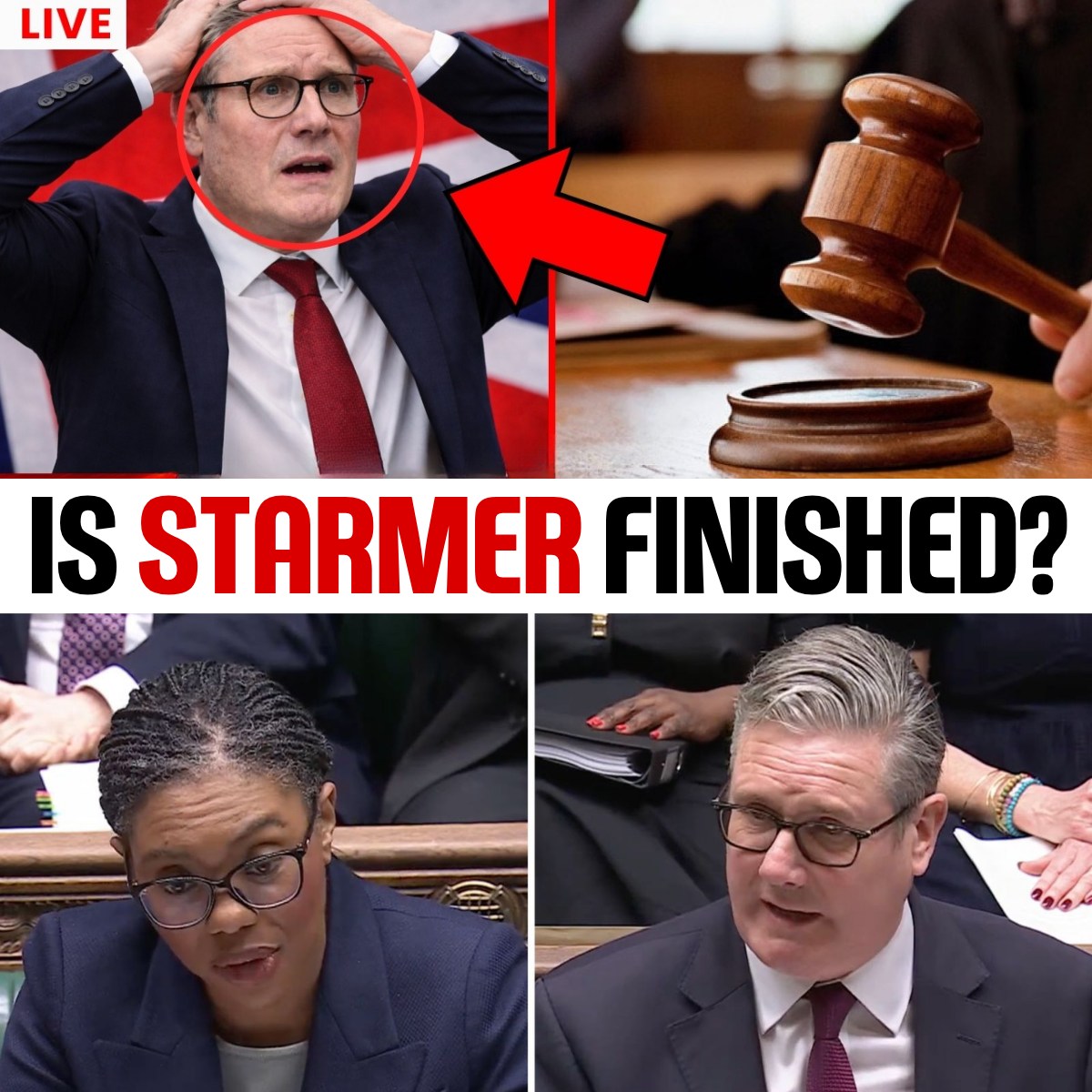
Local Election Results: Nigel Farage Hails “Astonishing” Wins After Labour Humiliation
The latest local election results in the United Kingdom have created a dramatic moment in British politics. The elections have shown that voters are becoming increasingly dissatisfied with the traditional political parties, while Reform UK, led by Nigel Farage, has emerged as a powerful force in several parts of the country. Farage described the results as “astonishing” and presented them as evidence that British voters are demanding major political change. At the same time, Labour suffered significant losses, creating serious questions about the party’s popularity and future direction.
The results are important because local elections are often seen as a reflection of public opinion between general elections. Although local politics focuses on councils, services and communities, voters frequently use these elections to express their feelings about the national government. For Labour, the scale of the losses was therefore particularly painful. For Reform UK, however, the results provided an opportunity to demonstrate that the party is no longer simply a protest movement but is becoming a serious competitor in British politics.
One of the biggest stories of the election was the rapid rise of Reform UK. The party, under Nigel Farage, made substantial gains across the country. Reform won a large number of council seats and gained control of several local authorities. This was particularly striking because Reform had previously been a relatively small presence in local government. Its success demonstrated that the party had managed to convert national political dissatisfaction into actual electoral support at the local level.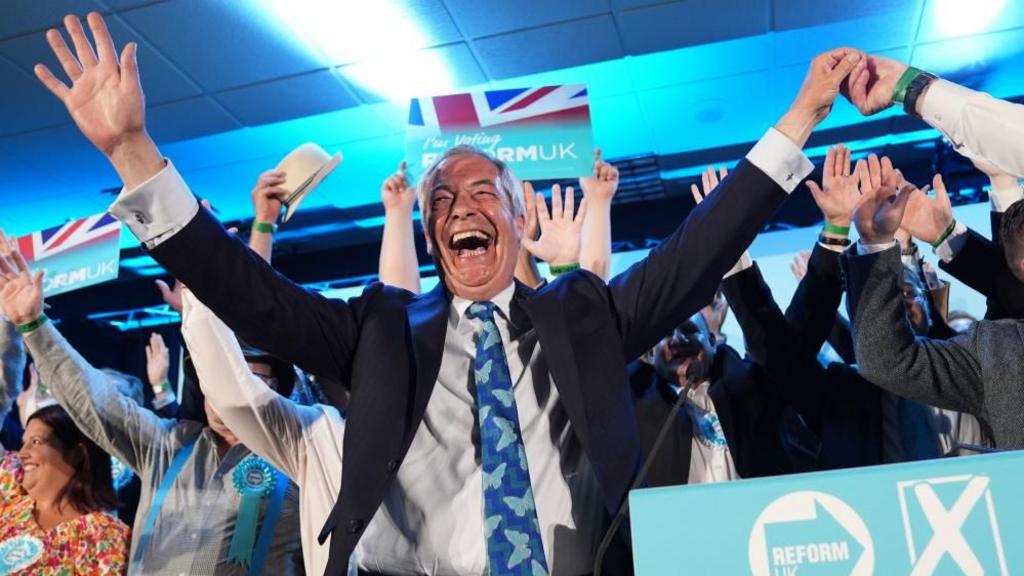
Farage reacted enthusiastically to the results. For him, the election was evidence that voters were moving away from the established political parties. He argued that people were tired of traditional politics and wanted politicians who would challenge the existing system. His message has often focused on immigration, national sovereignty, economic pressure and dissatisfaction with the political establishment. These subjects have attracted voters who feel that mainstream parties have failed to address their concerns effectively.
The success of Reform UK also reflects a wider change in the British political landscape. For many years, British politics was dominated by the Conservative Party and the Labour Party. Other parties occasionally achieved significant results, but the two major parties remained at the centre of national politics. The growing influence of Reform UK challenges this traditional structure. Voters who once supported the Conservatives, in particular, have increasingly considered Reform as an alternative.
This development is especially damaging for Labour because the party had entered government with high expectations. Many voters had hoped that a Labour government would provide stability and improve public services after years of political uncertainty. However, governing is often more difficult than campaigning. Problems involving the economy, public services, taxation, housing and immigration can quickly reduce public confidence in a government.
Labour’s losses in the local elections therefore represent more than a simple numerical setback. They suggest that some voters who supported Labour previously may now be looking for alternatives. In several areas, voters turned towards Reform UK, the Green Party, the Liberal Democrats and independent candidates. This fragmentation makes the political situation more complicated because Labour cannot simply focus on defeating one opposition party.
The election results also highlight the importance of regional differences in Britain. Political opinions are not the same across the country. Some communities are more concerned about immigration, while others place greater importance on the cost of living, housing, healthcare, transport or environmental issues. Reform UK has been particularly successful in areas where voters feel ignored by Westminster and where dissatisfaction with the political establishment is strong.
For Nigel Farage, this provides a significant political opportunity. He has spent many years building a reputation as an outsider who challenges conventional politics. His involvement in the Brexit campaign helped establish him as one of the most recognisable figures in British politics. Reform UK now allows him to extend that political identity into a broader movement.
However, the election results should not automatically be interpreted as proof that Reform UK will dominate British politics in the future. Local elections are different from general elections. Voters may behave differently when choosing councillors than when choosing a national government. Turnout can also be lower in local elections, and local personalities and community issues can influence voting decisions.
There are also challenges facing Reform UK itself. Winning elections is only the first step. Once a party takes control of councils, it must demonstrate that it can govern effectively. Local authorities are responsible for important services such as social care, waste collection, planning, housing and local infrastructure. Managing these responsibilities requires more than strong political speeches. Reform will have to show voters that its representatives can deliver practical results.
Another challenge is maintaining unity within the party. Rapid political growth can create internal disagreements. A party that attracts voters from different backgrounds may find it difficult to satisfy everyone. Some Reform supporters may be primarily concerned with immigration, while others may focus on taxes, business, public services or opposition to the political establishment. Keeping these groups together will require careful leadership.
For Labour, the election results should serve as a warning. The party cannot assume that its previous electoral success guarantees future support. Voters expect governments to deliver visible improvements in their everyday lives. If people continue to experience high living costs, housing difficulties, pressure on public services or concerns about employment, they may become increasingly willing to support alternative parties.
Labour also faces the challenge of rebuilding trust. Political parties can survive individual election defeats, but repeated disappointments can create a deeper problem. If voters begin to believe that a party does not understand their concerns, changing policies may not be enough. Labour may need to reconnect with communities that feel economically or culturally distant from the political centre.
At the same time, the Conservatives are facing their own difficulties. Reform UK has taken support from voters who might previously have considered voting Conservative. This creates a strategic problem for the Conservative Party. If it moves closer to Reform on issues such as immigration and national identity, it risks losing moderate voters. If it moves in the opposite direction, it risks losing more voters to Farage.
The Green Party and Liberal Democrats may also benefit from the fragmentation of British politics. Voters who are unhappy with Labour but do not want to support Reform have other choices. This means that future elections could become increasingly competitive, with several parties fighting for different groups of voters.
The most important lesson from the local elections is that British politics is changing. Voters appear less loyal to traditional parties than in previous decades. Political identity is becoming more flexible, and people are increasingly prepared to switch their support from one election to another. This makes elections more unpredictable but also forces political parties to listen more carefully to the public.
Nigel Farage’s celebration of the results is therefore understandable. Reform UK has achieved a level of electoral success that would have seemed unlikely only a few years ago. The party has demonstrated that it can win council seats and influence the national political conversation. Farage can reasonably argue that his movement has become an important part of British politics.
Nevertheless, the real test will come later. Election victories create expectations, and those expectations can be difficult to satisfy. Reform UK will have to prove that it can transform its campaign promises into effective government. Labour, meanwhile, must decide how to respond to voters who have become disappointed or frustrated.
Ultimately, the local election results are not simply a story about Nigel Farage or Labour. They are a reflection of a deeper mood in Britain. Many voters want change, while others are searching for political alternatives that better represent their concerns. The rise of Reform UK, the decline of Labour in several areas and the growing strength of smaller parties all indicate that the old political balance is under pressure.
The coming years could therefore be extremely important for British democracy. If Reform UK continues to grow, it could reshape the competition between the major political parties. If Labour manages to recover, the current setback may become only a temporary episode. What is clear, however, is that British voters have sent a strong message: political parties can no longer take their support for granted.
Nigel Farage may call the results “astonishing,” but the deeper significance lies in what they reveal about the electorate. Britain is experiencing political change, and the traditional parties will have to adapt. The next elections will show whether the Reform surge represents a lasting transformation or simply another wave of voter dissatisfaction. For now, however, one thing is certain: the political landscape of Britain has become far more competitive, unpredictable and divided than it was before.