
Boat capsizes off the coast, leaving 139 migrants dead, including 15 children
At least 139 migrants, including 15 children, have died after an overcrowded boat capsized off the coast of Djibouti while travelling towards Yemen, in one of the deadliest recent disasters recorded along a dangerous migration route linking the Horn of Africa with the Arabian Peninsula.
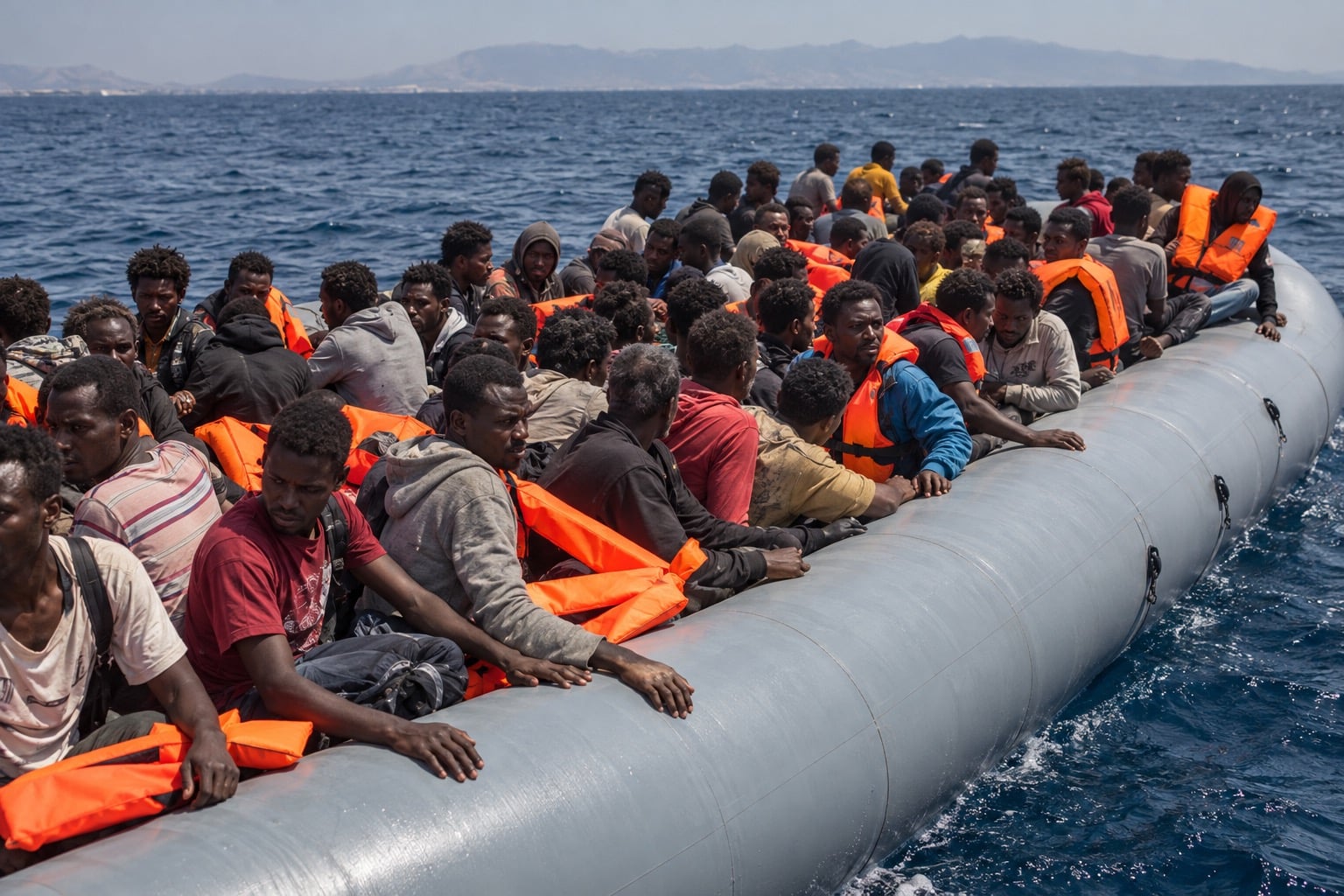
The vessel was carrying 305 people when it sank near Guhere, north of the port town of Obock, during the night of October 8 into October 9, according to the International Organization for Migration (IOM). Eighty-two people survived, while another 84 remained missing as authorities continued search and recovery operations. The figures were reported by the UN migration agency on October 11.
The disaster has once again drawn attention to the risks faced by people who attempt dangerous sea crossings in search of employment, security and better living conditions. Many migrants travelling along this route hope to pass through Yemen before continuing towards wealthier Gulf countries, despite the dangers posed by overcrowded vessels, uncertain weather conditions and instability across the region.
For the families of those aboard, the consequences are devastating. With dozens of people still unaccounted for, relatives may have to wait for further information before learning whether their loved ones survived.
Search continues as fears grow for the missing
The boat capsized near Guhere, along Djibouti’s eastern coastline, in waters used by migrants travelling across the Gulf of Aden towards Yemen. The IOM said survivor accounts placed the incident overnight on October 8–9.
The initial death toll was reported at 109, with 116 people missing. The figures were subsequently revised to 139 dead and 84 missing after additional bodies were recovered. Eighty-two people were recorded as survivors. <Cite refs={[“turn423278search1″,”turn423278search3”]}/>
The revised figures underline the scale of the disaster, but the full circumstances surrounding the sinking remain difficult to establish. Search and rescue operations have continued alongside efforts to recover and identify the dead.
Djiboutian authorities are working with the IOM, which has teams on the ground providing emergency assistance. The agency has described the loss of life as devastating and expressed concern for both survivors and families still waiting for news.
The search for missing passengers is particularly urgent because survival chances can diminish as time passes after a shipwreck. However, the final number of people who died may not be known until recovery efforts have progressed and authorities can reconcile the available accounts.
The tragedy also presents difficult questions for officials attempting to establish exactly what happened aboard the vessel. Investigators would need to understand the boat’s condition, how many people it could safely carry, the circumstances of its departure and the sequence of events leading to the capsizing.
For now, the priority remains assisting survivors, recovering those who died and establishing the fate of those still missing.
Why the official death toll may not tell the whole story
Alexandre Coissac, the IOM’s chief of mission in Djibouti, told the Associated Press that the official death toll included people buried by Djiboutian authorities.
Other bodies had reportedly been buried by fellow migrants, meaning they could not automatically be added to the confirmed count without verification. This distinction is important because the number of deaths officially recorded may not immediately reflect the full human cost of the disaster. <Cite refs={[“turn423278news25″,”turn423278search0”]}/>
Identifying victims can be difficult after a shipwreck, particularly when passengers travel without reliable identification documents or when families are spread across different countries. Authorities must distinguish confirmed deaths from people who remain missing and avoid counting the same victim more than once.
The uncertainty also creates anguish for relatives. A missing person may have survived and reached another location, or they may have died without their body being recovered. Until authorities can verify individual cases, families may have little information on which to rely.
The distinction between confirmed deaths and missing people is therefore more than a statistical issue. It reflects the practical challenges of responding to a disaster in which hundreds of people were aboard a single vessel and many may have been travelling without formal records.
The IOM and local authorities face the difficult task of combining survivor testimony, recovery operations and available records to produce a clearer account of the tragedy.
An overcrowded vessel on a dangerous journey
The boat was carrying 305 people on a route from Djibouti to Yemen. The scale of the passenger numbers has intensified concerns about overcrowding and the dangers associated with journeys undertaken in vessels that may not be equipped to carry so many people safely.
In a statement reported by international news agencies, the IOM highlighted the risks faced by migrants travelling along this corridor. Survivor accounts also indicated that the vessel began sinking backwards shortly after the passengers boarded, although a complete account of the events will depend on further investigation. <Cite refs={[“turn423278search1″,”turn423278search5”]}/>
Overcrowding can make a boat less stable and leave passengers with little room to move when an emergency develops. If a vessel begins taking on water or overturns, people may struggle to reach safety, particularly if they are unable to swim or are trapped among other passengers.
Children are especially vulnerable in such circumstances. They may have less ability to keep themselves above water, find a safe position or respond quickly when a boat begins to capsize. The deaths of at least 15 children make the tragedy particularly distressing.
Nevertheless, the precise cause of the sinking should not be assumed without a full investigation. The passenger numbers and survivor testimony raise serious questions about the vessel’s condition and loading, but determining the immediate cause requires evidence about the boat and the circumstances of the crossing.
What is already clear is that a journey intended to offer a route towards a different future ended in disaster for a large proportion of those aboard.
Why migrants continue to take the Eastern Route
The crossing from the Horn of Africa towards Yemen forms part of what migration agencies call the Eastern Route. It is used by people seeking work, income and opportunities in countries across the Arabian Peninsula.
The route remains active despite the dangers. According to figures cited by the IOM, more than 20,000 movements from Ethiopia into Djibouti were recorded from September 10 onwards. The agency also reported that more than 900 migrants died or went missing along the sea route to Yemen during 2025. <Cite refs={[“turn423278search1″,”turn423278search4”]}/>
These numbers illustrate the scale of the movement and the risks involved. Poverty, insecurity, limited employment opportunities and the effects of climate change can all contribute to decisions to leave home. For some people, the journey is an attempt to find work and support relatives; for others, insecurity and worsening living conditions may make staying seem increasingly difficult.
The situation in the region adds further complications. Ethiopia has experienced serious conflict and humanitarian pressures, while Yemen continues to face instability and the consequences of prolonged fighting. Migrants may therefore be travelling through one vulnerable environment in the hope of reaching another country where they believe their prospects will be better.
The crossing is not simply a journey between two coastlines. For many, it forms one stage of a longer and uncertain journey, with the possibility of exploitation, detention, trafficking or becoming stranded along the way.
The latest shipwreck demonstrates the gap between the hopes that motivate migration and the dangers people may encounter when safe and affordable travel options are unavailable.
Calls for safer migration routes
The IOM has warned that such deaths should not become an accepted feature of migration. The agency has called on governments and donors to strengthen support for rescue operations and emergency assistance while expanding safe and legal ways for people to move.
Its director-general, Amy Pope, has argued that people would not undertake such dangerous journeys unless they believed there was no safer alternative. The agency’s position is that preventing further tragedies requires international cooperation, not simply responding after boats sink. <Cite refs={[“turn423278search1″,”turn423278search3”]}/>
That approach raises difficult policy questions. Governments must manage borders and combat smuggling networks, while also considering the circumstances that drive people to risk dangerous crossings. Rescue operations can save lives, but they cannot by themselves remove the economic, political and environmental pressures that encourage people to leave.
Stronger action against those who organise unsafe crossings may form part of the response. Equally, authorities need effective systems for identifying vulnerable people, providing emergency care and ensuring that survivors are not exposed to further exploitation.
International cooperation is especially important because migration routes cross national borders. Djibouti, Yemen and countries of origin and destination all have roles to play, although their resources, priorities and security situations differ considerably.
A tragedy that cannot be reduced to numbers
The figures emerging from Djibouti are stark: 139 people confirmed dead, 84 still missing and 82 survivors from a vessel carrying 305 passengers. But each number represents a person, and each death leaves families and communities facing an uncertain future.
The presence of 15 children among the dead is a particularly painful reminder that the consequences of dangerous migration journeys extend beyond adults making decisions about work or security. Children may have little control over the circumstances that place them aboard an overcrowded boat, yet they face the same immediate dangers when a vessel sinks.
For survivors, escaping the water is only the beginning of recovery. People who have experienced a shipwreck may need medical treatment, food, shelter and psychological support. They may also be grieving relatives or struggling to establish contact with family members who remain missing.
The IOM has been assisting survivors alongside local authorities, while search and recovery efforts continue. The final toll and the full circumstances of the disaster may take time to establish.
The tragedy off Djibouti is a reminder that dangerous migration routes continue to claim lives even as governments and international organisations debate how best to respond. Preventing future disasters will require more than statements of sympathy: it will demand effective rescue capacity, action against those who profit from unsafe crossings, cooperation between countries and realistic measures to address the pressures driving migration.
For now, families are still waiting for answers, rescuers are still searching and survivors must begin rebuilding their lives after an experience that has cost so many others theirs. The urgent task is to establish what happened and support those affected. The longer-term challenge is ensuring that this devastating loss of life does not become another statistic on a route where the dangers are already well known.