


British Farmers Finally Set for Extra Funding to Tackle UK’s Horror Droughts

British farmers are finally set to receive additional financial support as the United Kingdom struggles with one of the most severe drought crises in decades. After weeks of increasingly desperate conditions across the countryside, the government has announced a £65 million package aimed at helping farmers cope with the immediate damage while also improving the country’s ability to withstand future water shortages.
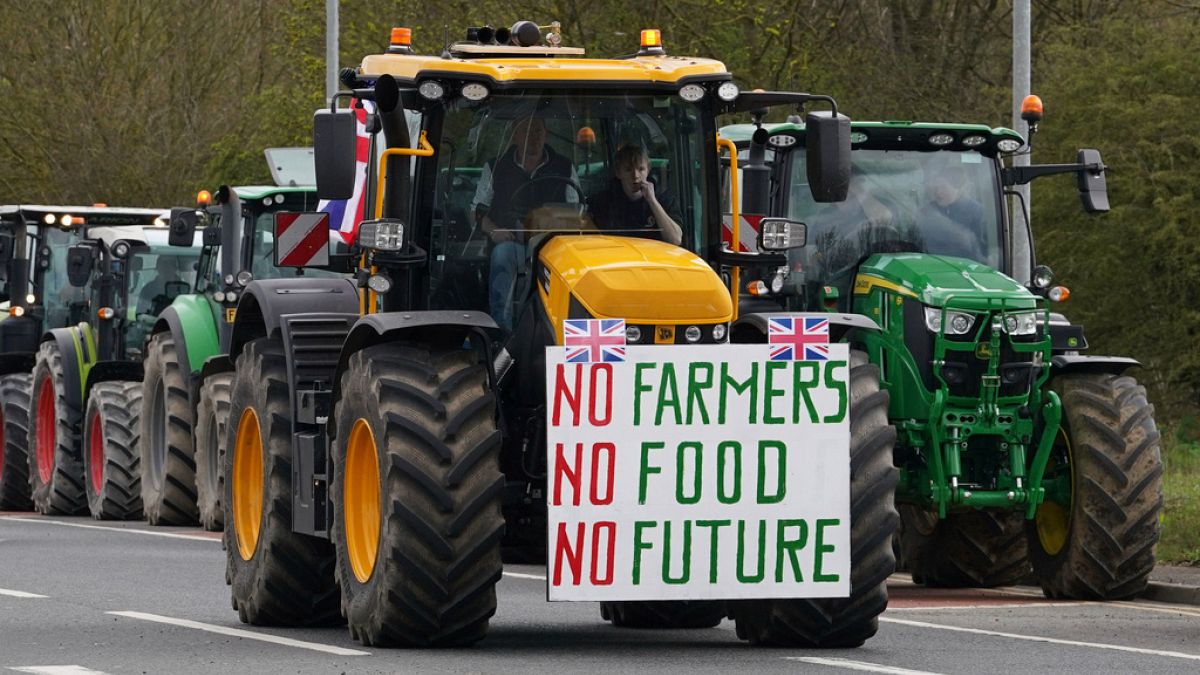
The announcement comes at a critical moment for British agriculture. Almost three-quarters of England is now officially classified as being in drought, following an exceptionally dry summer and record-breaking temperatures. According to the National Drought Group, 71.3 per cent of England was in drought by 10 August, with the situation putting increasing pressure on agriculture, public water supplies and the natural environment.
For farmers, the crisis is not simply about dry fields. It affects almost every stage of food production. Crops are struggling to develop, grasslands are failing to provide enough feed for livestock, rivers and reservoirs are running dangerously low, and farmers are being forced to make difficult decisions about how they use increasingly limited water supplies.
The new funding is therefore being welcomed as an important intervention, although farming organisations have made clear that much more will be required if Britain is to prepare for a future in which extreme weather becomes increasingly common.
Under the government’s latest package, £50 million will be directed towards the Sustainable Farming Incentive, increasing its total budget to £290 million. A further £15 million will be used to support the construction of on-farm reservoirs, giving farmers greater capacity to store water for use during future periods of drought.
The reservoir funding is particularly significant because water storage has become one of the central issues in the debate over Britain’s agricultural resilience. Farmers cannot rely entirely on rainfall when long periods of hot, dry weather are becoming more frequent. Creating reservoirs and other forms of water storage can allow farmers to capture water during wetter periods and use it later when crops and livestock need it most.
However, building such infrastructure is expensive and can involve complicated planning requirements. Farmers have therefore been calling for government support to make it easier and more financially realistic to invest in water storage.
The National Farmers’ Union has also pushed for greater flexibility over water abstraction licences, arguing that farmers should be able to access available water more easily during periods of severe shortage.
The need for urgent action has become increasingly obvious during the summer of 2026. England and Wales have experienced extraordinary heat and dryness, with the country suffering its fifth heatwave of the year. July was the driest July recorded in England for around 190 years, while rainfall in August has remained exceptionally low.
The consequences for farmers have been severe.
Cereal growers are among those facing particularly difficult conditions. Hot weather combined with a lack of rainfall has reduced crop yields and accelerated the harvest season. Recent reports suggest Britain could face its worst cereal harvest in more than four decades, with wheat and barley production suffering substantial losses.
Livestock farmers are also struggling. When grass stops growing because of drought, cattle and sheep have less natural forage available. Farmers may then have to use winter feed earlier than planned. That creates a dangerous cycle because feed intended to last through the colder months can be exhausted before winter even begins.
Heat stress is another serious concern for livestock. Dairy cattle, for example, can experience reduced milk production when temperatures become excessively high. Farmers therefore face the combined problem of rising costs, lower productivity and uncertainty about whether conditions will improve.
The effects are also visible in Britain’s vegetable industry. Some crops have suffered from extreme temperatures and inadequate water. Reports have described cucumbers developing unusual shapes, broccoli remaining undersized and cauliflower becoming discoloured in the heat.
This matters beyond the farm gate. British agriculture supplies a significant proportion of the food consumed in the country, meaning prolonged drought can eventually affect supermarket shelves, food prices and household budgets.
Farmers are therefore not simply asking for financial compensation. Many are calling for a fundamental change in the way Britain manages water and prepares for climate-related risks.
The government has already recognised that agriculture needs to become more resilient. Its Farming Roadmap 2050, announced in June, sets out a long-term strategy intended to give English farmers greater certainty and encourage adaptation to extreme weather. The government says farmers produce approximately 65 per cent of the nation’s food and manage around 70 per cent of England’s land, making farming central to national food security.
The Sustainable Farming Incentive is part of that broader strategy. The 2026 scheme has been designed to provide payments for practical measures including improving soil health, protecting waterways and creating space for wildlife. The government has allocated £240 million for new agreements under the scheme, alongside more than £560 million already committed.
Healthy soil can play an important role in drought resilience. Soil with greater organic matter can retain more moisture, helping crops survive periods without rainfall. Hedgerows, trees and other landscape features can also reduce wind exposure, slow water movement and improve the ability of land to retain moisture.
Some British farmers are already experimenting with these approaches. Across the country, producers are installing ponds and rainwater collection systems, planting more drought-resistant crops and changing grazing practices. Others are exploring techniques designed to reduce soil disturbance and improve water retention.
These innovations demonstrate that farmers are not simply waiting for government assistance. Many are actively adapting their businesses to a changing climate. Nevertheless, individual farmers can only do so much. Large-scale water infrastructure requires investment, planning and coordination that cannot easily be delivered by individual businesses.
This is why the £15 million allocated for on-farm reservoirs has attracted particular attention. Although it represents only a small part of the government’s overall agricultural budget, it could encourage farmers to develop infrastructure that provides greater security during future droughts.
Critics, however, argue that the package remains too small compared with the scale of the crisis. Some farming leaders have described the measures as a useful beginning but not a comprehensive long-term solution. The argument is that Britain needs sustained investment rather than emergency funding that appears only after crops and livestock have already suffered serious damage.
There is also a wider question about Britain’s water infrastructure. Reservoir levels have fallen dramatically in some areas, with several major reservoirs in England and Wales recently classified as exceptionally low. Overall reservoir levels in England have been reported at around 66 per cent, well below what would normally be expected at this point of the year.
Britain’s ability to store water has become an increasingly controversial issue. The country has not built a new major reservoir since 1992, while existing infrastructure faces pressure from population growth, agricultural demand and climate change. At the same time, enormous volumes of water are lost through leakage from ageing networks.
For farmers, this creates an uncomfortable contradiction. They are being asked to use water more efficiently while facing an environment in which the national system itself may not have enough storage capacity to guarantee reliable supplies during increasingly severe droughts.
The crisis therefore raises questions about national food security. If extreme drought becomes a regular feature of British summers, the country cannot assume that traditional farming methods will remain reliable.
Climate change is making the situation more complicated because weather patterns are becoming less predictable. British farmers have historically had to cope with excessive rainfall and flooding, but increasingly they are also facing prolonged periods of heat and dryness. Some years may bring both extremes within a relatively short period.
That means resilience must become a central part of agricultural policy.
The latest funding package is an acknowledgement of that reality. It suggests that the government recognises farmers cannot be expected to absorb the full financial consequences of increasingly extreme weather on their own.
Yet the ultimate test will be whether the money produces lasting improvements.
If reservoirs are built, soil quality improves, water management becomes more flexible and farmers gain access to better drought-resistant technologies, the current crisis could become a turning point for British agriculture. If the response remains limited to emergency payments after each disaster, farmers may find themselves repeatedly exposed to the same risks.
For now, the additional funding offers some relief to an industry under extraordinary pressure. British farmers have spent much of the summer watching fields dry out, water supplies decline and production forecasts worsen. The new package cannot undo the damage already caused, but it may provide valuable assistance as the sector attempts to recover.
More importantly, it sends a message that drought is no longer an occasional agricultural inconvenience. It has become a national challenge involving food production, water security, environmental protection and the future of Britain’s rural economy.
The coming months will reveal how serious the government’s commitment really is. Farmers will need support not only to survive the current drought but also to prepare for whatever comes next.
For British agriculture, the message is increasingly clear: the era of assuming that rain will always arrive when it is needed is over. The future will require investment, innovation and a fundamentally different approach to managing Britain’s most precious natural resource — water.