

King Charles Issues an Unprecedented Response to Earl Spencer’s Bombshell Claims
King Charles III has made an unusually direct response to claims made by Earl Spencer, the younger brother of the late Princess Diana, in a forthcoming memoir about his sister. The controversy has attracted considerable public attention because it concerns one of the most painful periods in the history of the modern British monarchy: the death of Princess Diana in 1997 and the events surrounding her funeral. While Buckingham Palace has traditionally avoided commenting on claims contained in books about members of the Royal Family, a palace spokesperson has now issued a pointed statement concerning Spencer’s account.
The claims appear in Earl Spencer’s new memoir, Swan Song: Diana, My Sister, which is scheduled for publication on September 22, 2026. The book is intended to present Diana’s life and legacy from the perspective of her younger brother. Spencer has explained that he wanted to record his own memories because he believes that many accounts of Diana have been influenced by interpretations that he considers inaccurate. The timing of the publication is also significant because 2027 will mark 30 years since Diana’s death. 
One of the most controversial passages concerns an alleged telephone conversation between Spencer and the then-Prince Charles shortly after Diana’s death. According to Spencer’s account, the conversation took place amid a disagreement over whether Diana’s sons, Prince William and Prince Harry, should walk behind their mother’s coffin during the funeral procession. Spencer says that he strongly opposed the idea because he believed Diana would not have wanted her young sons to endure such an emotionally difficult public experience.
At the time, William was 15 and Harry was only 12. The decision for them to participate in the funeral procession has remained one of the most memorable images associated with Diana’s funeral. Spencer writes that he objected to the arrangement and subsequently had a heated conversation with Charles. According to the memoir, Spencer claims that Charles became angry during the conversation before allegedly making a remark suggesting that Diana would eventually be forgotten. 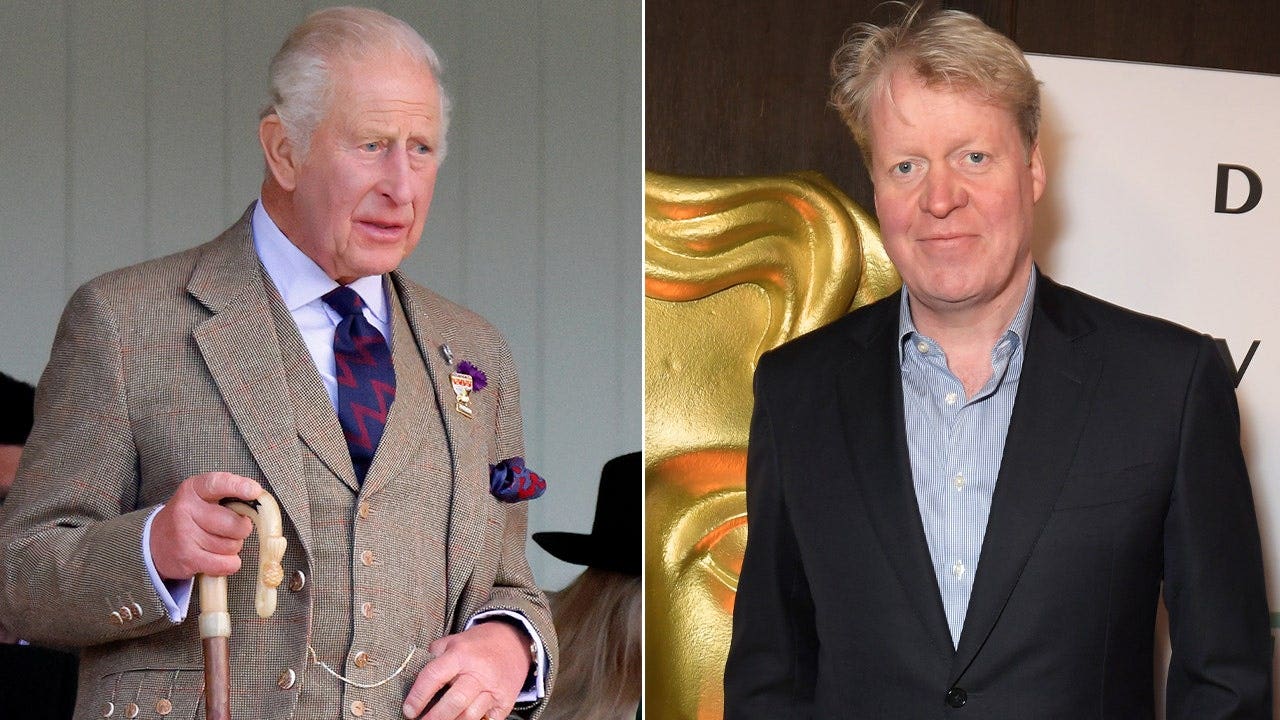
The allegation is particularly striking because of the enormous public reaction to Diana’s death. When she died in a Paris car crash on August 31, 1997, millions of people around the world mourned her. Her funeral became a major international event, and the images of William and Harry walking behind her coffin became permanently associated with the tragedy. Spencer’s account therefore presents the alleged conversation not simply as a private disagreement between two relatives, but as an indication of conflicting attitudes toward Diana’s legacy and the public response to her death.
However, it is important to distinguish between an allegation contained in a memoir and an independently established historical fact. Spencer is describing his own recollection of events that took place almost three decades ago. There is no publicly established independent evidence proving that the alleged statement was made exactly as he remembers it. Buckingham Palace has therefore responded by drawing attention to the possibility that grief can affect a person’s memory and judgment.
The palace’s response is notable because the Royal Family generally follows a policy of not commenting on books. According to the palace statement, King Charles is aware that “the pain of fraternal grief” can affect reason, judgment and memory, even many years after a loss. The wording does not provide a detailed point-by-point denial of Spencer’s account. Instead, it challenges the reliability of recollections formed during an intensely emotional period.
This response has attracted attention partly because it is unusual for the palace. Royal households normally avoid engaging publicly with every allegation or criticism made in books, documentaries and interviews. The decision to respond on this occasion indicates that the claims were considered significant enough to warrant an official statement. ITV News described the response as unusually sharp, while other reports have similarly highlighted its rarity
The controversy also needs to be understood in the context of the complicated relationship between Charles and Diana. The couple married in 1981, but their relationship became increasingly troubled. Their emotional defence of his sister and its implicit criticism of aspects of the Royal Family and the media. Spencer has since remained an important separation was formally announced in 1992, and their divorce was completed in 1996, only a year before Diana’s death. Their marriage was extensively covered by the international media, and disagreements about their relationship continued to influence public perceptions of both individuals long after their divorce.
Diana’s death transformed the situation dramatically. Public grief was enormous, and the Royal Family faced intense scrutiny over its response. Questions were raised about the monarchy’s public reaction, the decision to keep the Queen and other senior royals at Balmoral initially, and the handling of the Union flag at Buckingham Palace. The period became one of the most difficult moments for the British monarchy in the modern era.
Earl Spencer himself played a prominent role during Diana’s funeral. His eulogy attracted widespread attention because of its emotional defence of his sister and its implicit criticism of aspects of the Royal Family and the media. Spencer has since remained an important figure in discussions about Diana’s legacy. His decision to publish a memoir nearly three decades after her death provides a new opportunity for him to describe events a BBC documentary released in 2017, William and Harry described their participation as a family decision. Harry later discussed the experience in his 202 from his own perspective.
The issue of William and Harry walking behind Diana’s coffin is particularly sensitive. Both princes have spoken publicly about the experience. In a BBC documentary released in 2017, William and Harry described their participation as a family decision. Harry later discussed the experience in his 2023 memoir, Spare, and revealed that Spencer had strongly objected to the idea. This means that Spencer’s latest account is not the first time questions about the funeral procession have been publicly discussed.
Nevertheless, Spencer’s description of the alleged conversation with Charles adds another dimension to the story. His account portrays the disagreement as deeply emotional and suggests that his concerns were connected to what he believed Diana would have wanted for her children. The palace response, meanwhile, focuses on the reliability of memories formed during profound grief. These two perspectives cannot easily be reconciled because they rely on different recollections of an event that occurred in 1997.
The controversy is also likely to attract attention because of Prince Harry’s continuing relationship with his maternal uncle. Reports indicate that Harry was aware of the forthcoming memoir before publication. However, awareness of the book does not in itself establish that Harry agrees with every claim made by Spencer. Similarly, Spencer’s personal interpretation should not automatically be treated as the official historical record of events.
Another unusual aspect of the story is the reported theft of several copies of the forthcoming memoir in the Netherlands before publication. Reports said that four copies were stolen from a vehicle transporting the books. The incident has generated additional media interest before the memoir’s official release.
Ultimately, the dispute illustrates how difficult it can be to establish historical truth when memories of traumatic events differ. Personal recollections can provide valuable insight into experiences that may not appear in official documents, but they can also be affected by emotion, perspective and the passage of time. In the case of Diana’s death, these difficulties are intensified because the event has been discussed and interpreted by numerous people for almost thirty years.
The controversy also demonstrates the continuing public interest in Princess Diana. Although she died in. It reflects the continuing sensitivity surrounding Diana’s death and the competing memories of those who experienced its aftermath. Spencer presents his memoir as an attempt to preserve his version of his sister’s story, while the palace has questioned whether memories shaped by grief can provide a completely 1997, her life, marriage, family and legacy remain subjects of international fascination. Her relationship with Charles continues to influence discussions about the monarchy, while her sons have each developed their own public identities and relationships with the institution.
King Charles’s response therefore represents more than a disagreement over one alleged sentence. It reflects the continuing sensitivity surrounding Diana’s death and the competing memories of those who experienced its aftermath. Spencer presents his memoir as an attempt to preserve his version of his sister’s story, while the palace has questioned whether memories shaped by grief can provide a completely reliable account decades later.
In conclusion, the dispute between King Charles and Earl Spencer highlights the complicated relationship between personal memory, public history and royal reputation. Spencer’s memoir makes serious claims about a private conversation following Diana’s death, while Buckingham Palace has responded by pointing to the potential effects of grief on memory and judgment. Neither perspective should automatically be treated as the complete historical truth without further evidence. What is clear is that Diana’s legacy remains powerful, and events surrounding her death continue to generate debate nearly three decades later. The publication of Swan Song: Diana, My Sister may provide further details, but readers will ultimately need to distinguish between documented facts, personal recollections and interpretations when assessing its claims.