
A Telegraph investigation has found that, under Conservative and Labour governments, Britain has fallen to third from bottom among NATO allies for growth in defence spending since 2014.
After Russia annexed Crimea in 2014, NATO agreed that members would spend at least 2% of their national GDP on defence. Since then Britain’s defence spending as a share of GDP has barely moved, rising from 2.17% to 2.35%. In cash terms, it has increased by less than 35%, while most NATO members have more than doubled their spending.
No amount of ministerial spin can make these numbers look any better. Britain, long considered NATO’s second military power after the mighty US, is now being outpaced not only by frontline states like Poland, Latvia and Lithuania, but even by countries traditionally viewed as weaker on defence, such as Italy, Portugal and Spain.
Our Armed Forces have been hollowed out. The Army is at its smallest since the Napoleonic Wars. The Royal Navy is barely afloat. Britain’s credibility has been weakened at a time when Europe is facing the gravest security threat in a generation.
Last week, Labour finally published its long-delayed Defence Investment Plan, supposedly the document that would put its Strategic Defence Review into practice. It promised an extra £15 billion for defence over four years, with no detailed spending plan beyond 2029/30. Spread across the scale of Britain’s military decline, that is nowhere near enough. As Reform UK MP Danny Kruger put it, “we are falling behind our allies and our enemies. Welfare spending will rise by 3 times the increase in defence spending announced [in the DIP]”.
Yet the Labour government is trying to ignore this grim reality and pretend that Britain is leading the way in building European defence to become less reliant on the US military.
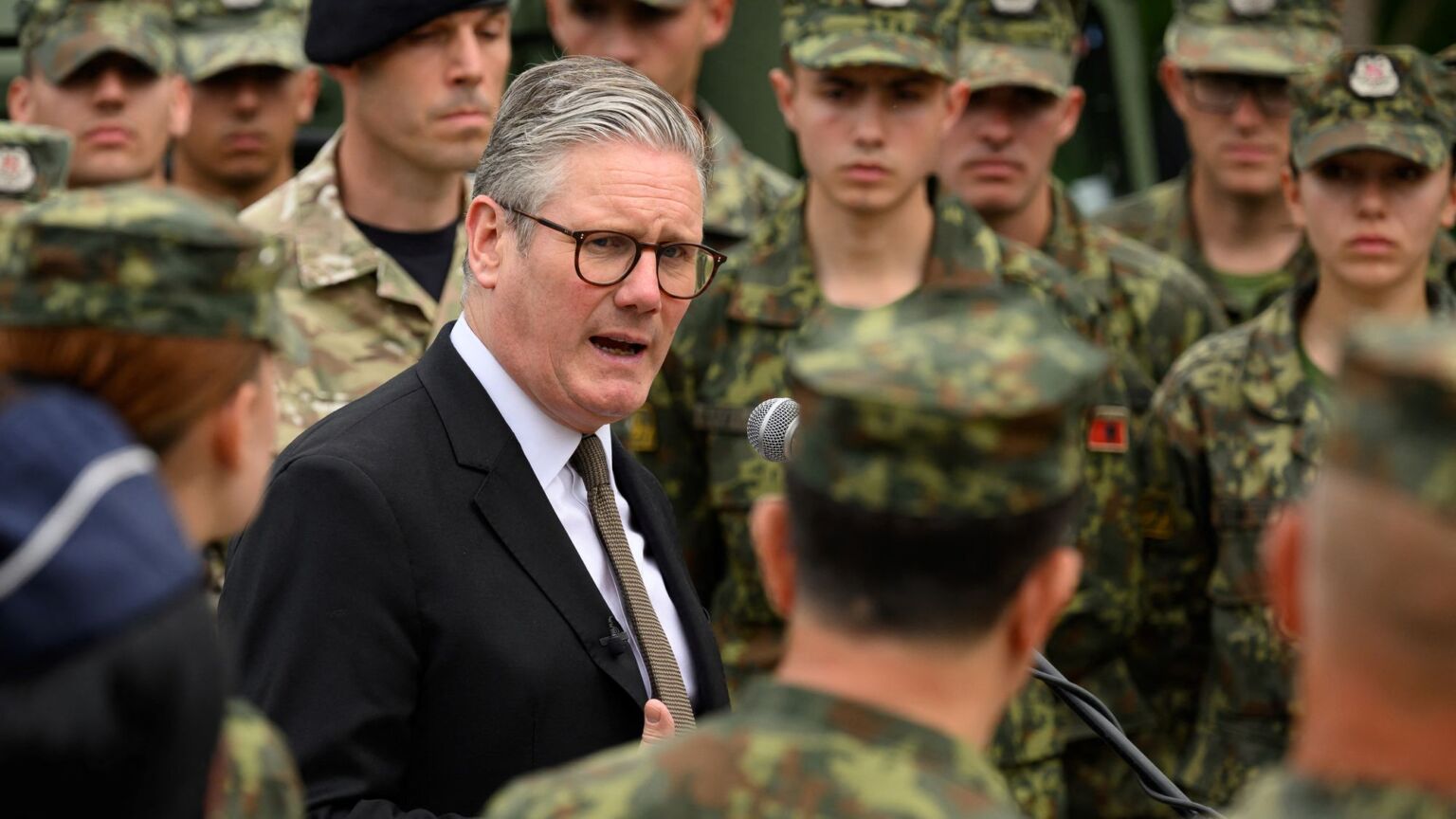
At this week’s NATO summit, outgoing prime minister Keir Starmer pledged Britain to build a “more European Nato than ever before”, which will stand “ready to support Ukraine and face the long-term threat posed by an increasingly reckless and dangerous Russia”. This fantasy rearmament plan amounts to little more than a game of toy soldiers. Meanwhile in the real world Britain is incapable of sending Navy warships to defend our sovereign territory in Cyprus against Iranian attacks.
Britain needs a government that will rebuild our Armed Forces and put national security first. Reform UK is the only party that is serious about defence. After years of Labour and Tory failure, this country needs leaders who understand that national security is not optional. It is the first duty of government.

Labour and the Tories Have Left Britain Defenceless — A Political Analysis
The statement “Labour and the Tories have left Britain defenceless” reflects a serious political criticism about the state of the United Kingdom’s national security and defence capabilities. It suggests that both of the country’s major political parties, the Labour Party and the Conservative Party (often known as the Tories), have failed to maintain a strong enough defence system. This argument has become increasingly common in political debates, especially as Britain faces a changing global security environment, rising international tensions, and questions about military readiness.
For many critics, the claim that Britain has been left defenceless is connected to years of reductions in defence spending and concerns about the size and capability of the armed forces. They argue that successive governments have prioritised other areas of public spending while allowing military resources to decline. According to this viewpoint, cuts to personnel numbers, delays in equipment programmes, and pressure on military budgets have weakened Britain’s ability to respond effectively to major threats.
Supporters of this criticism often point to the changing nature of global security challenges. The rise of tensions between major powers, conflicts in Europe and the Middle East, cyber warfare, and threats from terrorism have created a more uncertain international environment. Critics argue that Britain, as a country with global responsibilities and a permanent seat on the United Nations Security Council, must maintain a strong and modern military. They believe that failing to invest sufficiently in defence risks reducing the country’s influence and ability to protect its national interests.
The Conservative Party, which governed the United Kingdom for much of the period before 2024, has faced particular criticism over defence policy. Some opponents argue that despite promises to maintain Britain’s military strength, the armed forces experienced challenges including recruitment problems, equipment shortages, and increasing pressure on defence budgets. Critics claim that Conservative governments focused too heavily on financial savings and not enough on long-term strategic planning.
However, supporters of the Conservatives argue that their governments faced difficult economic circumstances, including financial crises, the impact of the COVID-19 pandemic, and rising public debt. They argue that maintaining a balance between defence spending and other essential services is a difficult responsibility. They also point to Britain’s continued role in international alliances, particularly through NATO, as evidence that the country remains a significant military power.
The Labour Party has also been criticised by some defence advocates. Critics argue that Labour has sometimes placed greater emphasis on domestic priorities, such as healthcare, education, and social programmes, rather than increasing military spending. They claim that without strong defence investment, Britain could become vulnerable to external threats. Some opponents question whether Labour would be willing to make the difficult financial decisions required to rebuild military capacity.
On the other hand, Labour supporters argue that national security is not only about military strength. They claim that economic stability, technological development, diplomacy, energy security, and strong international relationships are also essential parts of defending a country. They argue that responsible defence policy requires careful planning rather than simply increasing military budgets.
The debate over whether Labour and the Conservatives have left Britain defenceless is therefore not only about the number of soldiers, ships, or aircraft. It is also about how a country defines security in the modern world. A strong defence system requires investment, but it also requires effective leadership, strategic planning, and cooperation with international partners.
Furthermore, Britain’s defence challenges are connected to wider economic issues. A country with limited economic growth may struggle to increase defence spending without making difficult choices elsewhere. Governments must decide how to divide resources between healthcare, infrastructure, education, welfare, and national security. Different political parties often offer different priorities and solutions.
In conclusion, the accusation that Labour and the Conservatives have left Britain defenceless represents a significant political argument about the future of national security. Critics believe that years of underinvestment and poor planning have weakened the country’s military capability. Supporters of both parties argue that defence policy involves complex choices and that Britain continues to possess important military strengths. Ultimately, the debate highlights a central question facing modern governments: how can a country maintain security while managing economic and social responsibilities?