
“MILLIONS FACE A WELFARE HAMMER BLOW” as Reform UK Targets £50 BILLION in Cuts
Britain’s welfare system has been thrust into a fierce new political battle after Reform UK unveiled plans for an extraordinary £50 billion reduction in welfare spending, promising what the party describes as the biggest overhaul of the system in a generation.
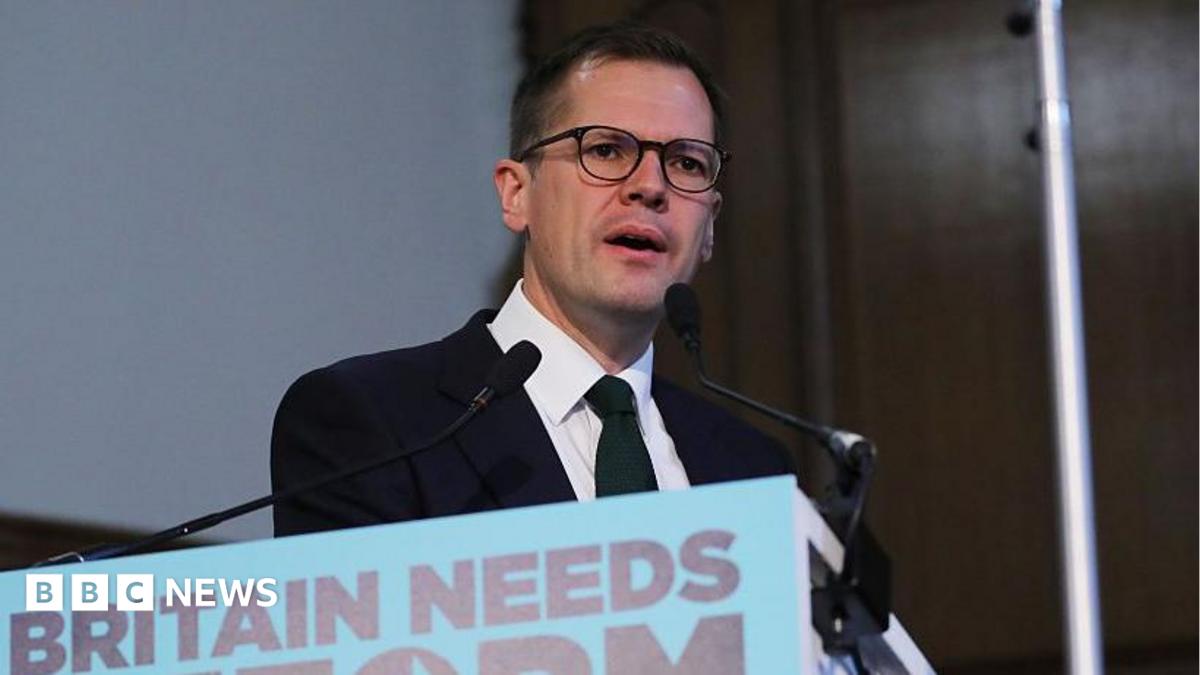
The proposals, led by Reform’s Treasury spokesman Robert Jenrick and backed by party leader Nigel Farage, would dramatically change the way disability, sickness and other working-age benefits are provided.
According to Reform, the objective is straightforward: reduce what it regards as an unsustainable welfare bill, encourage more people who are capable of working to enter employment and ensure that taxpayers receive better value from government spending. But critics have warned that the proposals could have profound consequences for millions of people who currently depend on benefits because of illness or disability.
The scale of the proposed cuts has immediately made welfare one of the defining political battlegrounds in Britain.
Reform says its approach would save approximately £50 billion a year once fully implemented. Critics, however, have questioned whether such savings are realistic and warned that the policy could shift costs from the central welfare system to local authorities, families and other public services.
A Radical Welfare Overhaul
At the centre of the plan is a proposal to abolish Personal Independence Payment, commonly known as PIP, for working-age adults and remove the health element of Universal Credit.
The existing system provides financial support to people whose health conditions or disabilities affect their daily lives or ability to work.
Reform proposes replacing much of this structure with a new “Health Security Allowance”.
Under the party’s plans, support would be focused primarily on people considered to be “gravely ill and severely challenged”, while people with less severe conditions could instead receive assistance through local authorities and non-cash support.
That would represent a fundamental change.
Rather than relying on a system in which eligibility for benefits is assessed nationally and payments are made directly to claimants, Reform’s proposal would introduce a much more restrictive approach to eligibility and greater involvement from councils.
The party argues that this would eliminate waste and reduce incentives that discourage people from returning to employment.
Opponents argue that it risks excluding people whose conditions are serious but do not fit a much narrower definition of severe disability.
Nearly Three Million People in the Spotlight
The most politically sensitive aspect of the proposal is its potential effect on existing claimants.
Reform estimates that approximately 2.89 million people could see disability or sickness-related payments withdrawn or changed under the proposed reforms.
That does not mean every person currently receiving those benefits would automatically lose all financial support.
The proposed system would involve new eligibility rules, assessments and replacement forms of assistance.
Nevertheless, the sheer number of people potentially affected explains why the announcement has generated such intense reaction.
For families already dealing with disability, chronic illness or long-term sickness, even a reduction in monthly income can have serious consequences.
Benefits can help pay for transport, heating, specialist equipment, care, food and housing.
A change in eligibility can therefore affect much more than a person’s bank balance.
Reform’s Argument: Make Work Pay
Reform’s broader philosophy is that the welfare system should provide a safety net without becoming a permanent alternative to employment for people who are capable of working.
The party’s official policy states that work should always be financially rewarding and argues that the welfare system should support only people who genuinely cannot manage without government assistance.
The party believes the current system has become too expensive and too complicated.
Jenrick has described the proposed changes as a generational overhaul.
The argument is partly economic.
Britain faces enormous pressure on public finances, and welfare spending has become a major area of political debate as the number of people receiving sickness and disability-related benefits has increased.
Reform believes that reducing the number of people receiving long-term welfare payments could simultaneously reduce government spending and increase the size of the workforce.
That, in turn, could potentially increase tax revenues.
It is a classic argument for welfare reform: reduce dependency, increase employment and redirect government spending toward those judged most in need.
The £50 Billion Question
But the £50 billion figure has become one of the most controversial aspects of the announcement.
Reform’s claim is extremely ambitious.
The party proposes savings from several different areas, including disability benefits, sickness payments and restrictions on benefit eligibility for foreign nationals.
According to reporting on the plan, Reform estimates that restrictions affecting foreign nationals could eventually save approximately £21 billion a year, while changes to sickness and disability benefits would provide additional savings.
The party also wants employers to play a larger role in supporting workers who are absent because of illness, potentially through a new insurance system.
Critics have questioned the assumptions behind the calculations.
The welfare bill is enormous, but cutting tens of billions of pounds without creating significant hardship would require major structural changes.
Independent analysts have therefore focused heavily on the details of Reform’s proposals and whether the claimed savings can actually be achieved.
The political argument is now moving from whether welfare should be reformed to whether Reform’s numbers are credible.
Foreign Nationals Targeted
Another major element of the proposals concerns access to benefits by foreign nationals.
Reform wants to prevent most foreign nationals from receiving a wide range of welfare benefits, including people who have settled status in Britain.
The party argues that taxpayers should not be required to fund benefits for people who are not British citizens.
This element of the plan could potentially save billions, according to Reform’s own calculations.
But it would also create significant legal and diplomatic complications.
The proposal would reportedly require renegotiation of aspects of Britain’s existing agreements with the European Union.
That could reopen some of the political arguments surrounding Brexit.
EU citizens living in Britain under settled-status arrangements currently have certain rights that could be affected by any major change in benefit eligibility.
British citizens living elsewhere in Europe could potentially face reciprocal consequences if agreements were renegotiated.
The proposal is therefore not simply a welfare policy.
It could become a major international issue.
Labour Strikes Back
Labour has strongly attacked the Reform proposals.
The government has described the £50 billion savings claim as unrealistic and accused Reform of targeting vulnerable people.
The criticism is politically significant because Labour is attempting to position itself as the party capable of reforming welfare without abandoning people who are genuinely unable to work.
Labour’s argument is that the welfare system does require reform, particularly where people could be helped into employment.
But the government rejects the idea that sweeping cuts to disability payments are the answer.
That creates an important distinction.
The political debate is no longer simply between supporters and opponents of welfare reform.
Almost every major party accepts that Britain’s welfare system faces serious challenges.
The disagreement concerns how those challenges should be addressed.
Conservatives Also Attack the Plan
Reform’s proposals have also attracted criticism from the Conservatives.
The party has questioned whether Reform’s plan is sufficiently developed to deliver the savings being claimed.
That creates an unusual political situation.
Reform is attempting to occupy the space traditionally associated with conservative demands for lower government spending and stricter welfare rules, while simultaneously attacking the Conservatives for failing to make sufficiently radical changes.
For the Conservatives, this represents a strategic problem.
If they move too far toward Reform’s position, they risk losing moderate voters.
If they reject the proposals completely, Reform can argue that the Conservatives lack the courage to address Britain’s welfare bill.
What Would Happen to Disabled People?
For disabled people, the debate is much more personal.
PIP is designed to help people with additional costs associated with disability.
Those costs can include mobility, personal care, transportation and other daily expenses.
A person may be unable to work because of their condition, but even someone who is employed can face significant additional costs.
Reform’s proposal would change the threshold for receiving support and concentrate financial assistance on people with the most severe conditions.
The key question would therefore become: where exactly should the line be drawn?
A person with a profound physical disability would presumably remain eligible.
But what about someone with a fluctuating neurological condition?
What about severe mental illness?
What about a chronic condition that prevents full-time employment but does not leave someone completely unable to function?
Those are precisely the cases that disability organizations fear could fall through the gaps.
A New Assessment System
Reform also wants to change how eligibility is assessed.
The party has proposed a single, rigorous assessment conducted by clinicians rather than maintaining multiple overlapping processes.
Supporters argue that this could simplify a system that many claimants find confusing and bureaucratic.
Critics fear that repeated assessments could create additional stress for people with lifelong or progressive conditions.
The design of the assessment process will therefore be crucial.
A system intended to eliminate fraud could also make life harder for legitimate claimants if the criteria are too restrictive or the appeals process is inadequate.
Employers Could Play a Bigger Role
Another unusual part of Reform’s proposals involves sick pay.
The party wants larger employers to purchase insurance that would cover employees who remain off work because of illness beyond the statutory period.
The idea is reportedly based partly on the Dutch system, where employers carry greater responsibility for long-term sickness absence.
Reform argues that this would create stronger incentives for employers to help sick workers return to employment.
But businesses could face higher costs.
Smaller companies could also worry that increased responsibility for sickness absence would discourage them from hiring people with health conditions.
Once again, the policy would involve a delicate balance.
Encouraging employment is one objective.
Avoiding discrimination against people with disabilities is another.
The Political Gamble
For Nigel Farage, the welfare announcement is a major political gamble.
Reform has built much of its support around opposition to high taxes, government bureaucracy and uncontrolled immigration.
Welfare reform fits naturally into that message.
The party can present the £50 billion target as evidence that it is willing to take decisions that established parties have avoided.
But the policy also carries enormous political risk.
Welfare claimants are not an abstract group.
They are voters.
And many families who receive benefits may not consider themselves dependent on the state. They may see welfare as insurance against circumstances that could affect almost anyone: cancer, serious injury, mental illness, redundancy or disability.
If voters believe Reform is threatening their financial security, support for the party could weaken.
The £50 Billion Battle
The coming political argument will therefore revolve around three questions.
Can Reform actually deliver £50 billion in annual savings?
How many people would lose or see reduced support?
And would the proposed changes increase employment without pushing vulnerable people into poverty?
Those questions cannot be answered by headlines alone.
The full details of Reform’s welfare plan will need to be examined carefully, including the proposed eligibility criteria, transition arrangements, appeals procedures and financial calculations.
The party has presented the policy as a radical solution to a growing problem.
Its opponents see it as a dangerous experiment.
The truth will depend heavily on the details.
A Defining Test for Reform
Reform UK has spent years presenting itself as the party willing to challenge Britain’s political establishment.
Its welfare policy is perhaps the clearest expression yet of that philosophy.
Rather than making modest adjustments, Reform is proposing a fundamental restructuring of the welfare state.
The potential savings are enormous.
So are the potential consequences.
Millions of people could see their financial circumstances change, while the government could theoretically save tens of billions of pounds if Reform’s calculations prove correct.
But there is a crucial distinction between announcing a £50 billion target and actually achieving it.
A future Reform government would have to pass legislation, establish new assessment systems, negotiate legal obstacles, manage the transition and deal with the consequences for councils, employers and public services.
That would be an enormous administrative challenge.
Britain Faces a Major Welfare Debate
The announcement has ensured that welfare will become one of the central issues in Britain’s next political battles.
For supporters of Reform, the message is clear: the welfare state has become too expensive and must be radically redesigned.
For critics, the warning is equally clear: cutting billions from welfare could leave vulnerable people struggling to survive.
Between those positions lies a difficult policy question.
Britain needs a welfare system that is financially sustainable.
It also needs a system capable of protecting people who genuinely cannot work or who face significant additional costs because of illness or disability.
Achieving both objectives will be far harder than simply announcing a £50 billion saving.
For now, Reform has fired the starting gun on what could become one of the most consequential welfare debates in a generation.
The party says its plan would make work pay, reduce dependency and protect the taxpayer.
Its opponents say the price could be paid by millions of vulnerable people.
As the details emerge, Britain will have to decide which vision it believes—and whether a £50 billion reduction in welfare spending can really be delivered without creating a far larger social and economic cost elsewhere.