

Nigel Farage may have enjoyed a remarkable political resurgence, but there is growing evidence that Kemi Badenoch could yet outmanoeuvre him on one of the most important issues facing Britain’s political right.
The relationship between Farage and Badenoch has become increasingly competitive. Reform UK has challenged the Conservatives for voters who want tougher policies on immigration, national identity and government spending. Yet Badenoch appears determined to demonstrate that the Conservatives can offer a different form of right-wing politics without simply following Farage’s lead.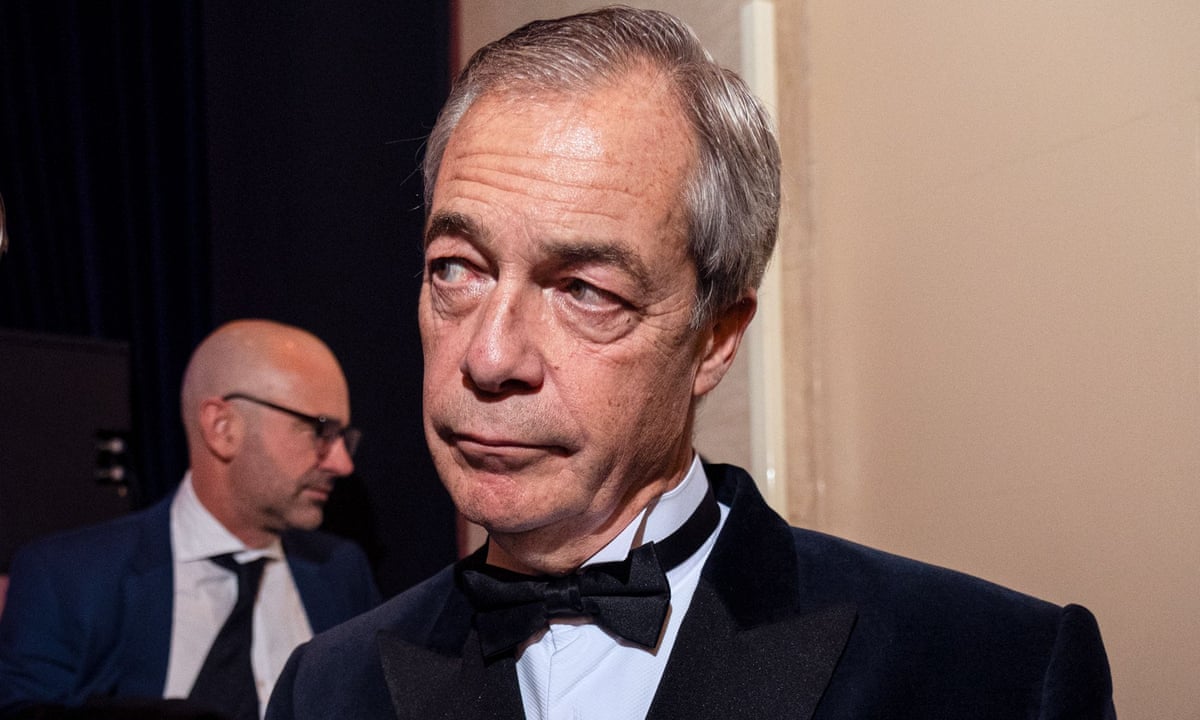
One of the clearest areas of competition is immigration. Farage has made migration one of the central themes of his political career, regularly presenting the issue as evidence that successive governments have failed to control Britain’s borders. Reform UK has benefited from voters who believe the established parties have been too cautious or ineffective.
But Badenoch has increasingly sought to occupy similar political territory. Rather than allowing Farage to dominate the debate, she has attempted to convince Conservative voters that her party can deliver tougher policies while retaining the institutional experience needed to govern.
This creates a potentially serious problem for Farage. His political strength has traditionally come from being able to present himself as the outsider challenging an establishment that he argues has failed the country. If the Conservatives adopt stronger positions on the issues that motivate Reform supporters, some voters may decide that they no longer need to support Farage as a protest.
Recent developments suggest that Badenoch is not interested in forming an alliance with Reform UK. She has repeatedly rejected the idea of a Conservative-Reform pact, arguing that her party should fight elections independently. She has also attacked Farage personally and questioned his political credibility.
That decision could prove strategically important. Instead of accepting that Reform has permanently taken a large section of the right-wing electorate, Badenoch appears to be attempting to win those voters back. Her challenge is to persuade them that the Conservatives can be both tough and competent.
The issue extends beyond immigration. Defence and national security have also become increasingly important in British politics. Badenoch has called for increased defence spending and has argued that Britain faces serious international threats. By focusing on national security, she can potentially broaden the Conservative appeal beyond the issues that have traditionally been associated with Farage.
This could leave Farage vulnerable if Reform is perceived as having a narrower political agenda. While immigration and crime remain powerful electoral issues, voters also expect political parties to have credible positions on defence, taxation, healthcare, economic growth and public services.
Farage’s recent political difficulties could make the challenge more serious. His decision to resign as MP for Clacton and seek re-election came amid scrutiny over financial support and alleged undeclared donations. Major political parties declined to contest the resulting by-election, while Badenoch described it as a “fake” election and said Conservatives would wait for the outcome of the standards process.
Farage nevertheless won the Clacton contest comfortably, demonstrating that his personal popularity remains substantial. The victory showed that criticism and controversy have not destroyed his ability to mobilise supporters.
Yet electoral victories do not necessarily settle the larger political battle. The more important question is whether Farage can build a broad enough coalition to challenge the Conservatives across the country. A party can perform strongly on immigration while still struggling to persuade voters that it is ready for the responsibilities of government.
That is where Badenoch may have an opportunity.
The Conservative leader can argue that voters do not have to choose between uncontrolled immigration and political instability. She can attempt to combine stricter policies with the experience of a party that has previously governed the country.
Farage, by contrast, has built his reputation around confrontation. That approach can be extremely effective when voters are angry with the political establishment, but it can become less effective when voters begin asking what a party would actually do in government.
There is also an important cultural dimension to the contest. Both politicians are competing for voters who feel that mainstream politics has moved too far in one direction. Badenoch has increasingly entered the so-called culture-war debate, including proposals to change equality rules and challenge what she regards as excessive “woke” bureaucracy. Analysts have suggested that this could give the Conservatives a new opportunity to compete directly with Reform.
The danger for Farage is therefore not necessarily that Badenoch will copy Reform. It is that she could improve upon parts of its message while offering voters a more conventional governing alternative.
That possibility could become particularly significant if Reform’s poll lead continues to weaken. Recent political analysis has already identified a changing relationship between the two parties, with Badenoch appearing more confident while Farage faces questions about Reform’s broader policy programme and internal credibility.
Farage still has considerable advantages. His name recognition is enormous, his political instincts are well developed and his ability to attract media attention remains unmatched by most British politicians. He has also demonstrated repeatedly that he can turn apparently marginal issues into major national debates.
But Badenoch does not necessarily need to defeat Farage on his own terms.
Her strategy could instead be to make the Conservatives attractive to voters who agree with some of Farage’s arguments but remain uncertain about whether Reform is capable of governing. If she succeeds, Reform could find itself trapped between an angry protest vote and a Conservative Party that has become significantly more competitive.
That would be a major political setback for Farage.
The coming years could therefore produce a battle not simply over who is more popular, but over who ultimately defines the future of Britain’s political right. Farage has spent decades pushing the Conservatives towards positions they once resisted. Badenoch now has the opportunity to turn that process around by taking some of those voters back.
If she succeeds, Farage could discover that his greatest achievement—forcing the traditional right to change—has also created the conditions for his own political competition.
For now, the contest remains wide open. Reform retains a powerful base, while the Conservatives are attempting to rebuild their credibility. But if Badenoch can convince voters that she offers tougher policies combined with greater governing experience, Farage may find himself facing an opponent capable of beating him at the very issues that made him successful.