

-
Reform Reports Green Party Leader Zack Polanski to Police Over Guillotine T-Shirt Post: A New Political Storm Over Free Speech and Responsibility
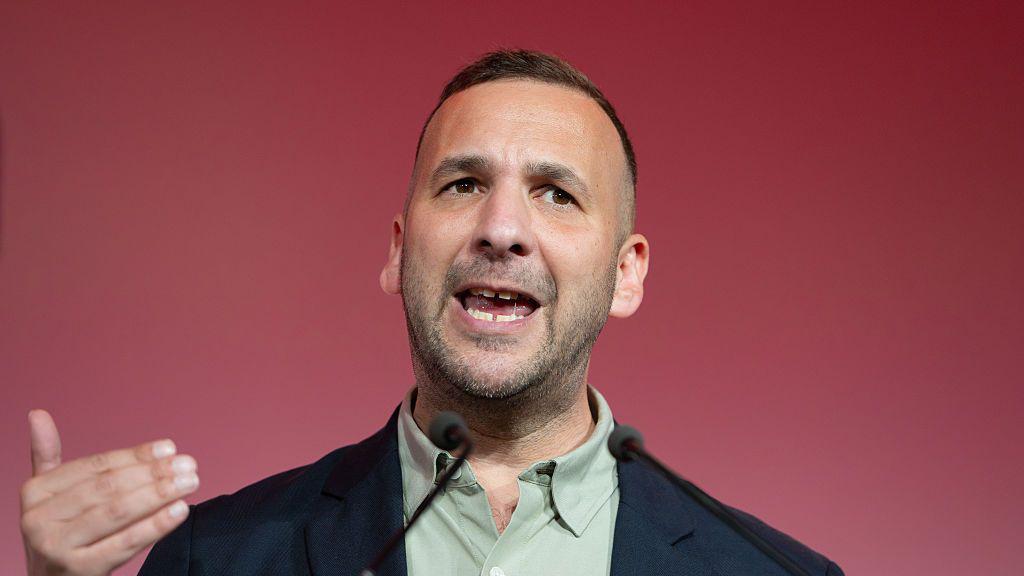
A new political controversy has emerged after Reform UK reportedly raised concerns with police over a social media post involving Green Party leader Zack Polanski and an image featuring a guillotine design on a T-shirt. The incident has triggered a wider debate about political expression, online responsibility, satire, and the increasingly tense atmosphere surrounding modern political discussions.
In an age where politicians communicate directly with millions of people through social media, a single image or message can quickly become a national debate. Supporters and critics often interpret political content in very different ways, creating challenges for public figures who must balance personal expression with the responsibilities that come with leadership.
The controversy surrounding Polanski highlights a difficult question facing democratic societies: where should the line be drawn between provocative political commentary and content that creates genuine concern?
A Controversy That Quickly Escalated
The dispute began after an image connected to Zack Polanski attracted attention online. The image included a T-shirt featuring a guillotine symbol, a historical object strongly associated with revolution and political conflict. Because of its connection with violence in history, the image immediately became controversial.
Reform UK argued that the post was unacceptable and raised concerns about the message it could send. The party viewed the image as inappropriate, especially because it involved a prominent political figure and appeared during a period when political tensions were already high.
However, supporters of Polanski argued that the situation required context. They suggested that the image should not automatically be interpreted as a direct threat or a serious statement about violence. Instead, they viewed it as part of political satire, criticism, or online commentary.
The disagreement reflects a broader challenge in modern politics: the same message can be understood completely differently depending on the audience.
The Power and Risk of Social Media Politics
Social media has transformed political communication. In the past, politicians mainly relied on speeches, television interviews, newspapers, and official statements to communicate with voters. Today, political leaders can publish messages instantly and directly reach large audiences.
This has created opportunities for greater connection between politicians and the public. Leaders can share ideas, explain policies, and respond quickly to events.
However, social media also creates risks. Images and messages can spread rapidly without full explanation. A post intended as humour or criticism can be interpreted differently by others, especially when it involves sensitive subjects.
For political leaders, the responsibility is even greater. Their words and actions receive intense attention, and even an accidental mistake can become a major political issue.
The controversy involving Polanski demonstrates how quickly online communication can become part of a national political conversation.
The Debate Over Political Satire
One of the central issues in this dispute is the role of satire in democracy.
Throughout history, political movements have used humour, exaggeration, and controversial symbols to criticise opponents and challenge those in power. Satire often aims to provoke discussion by using dramatic or uncomfortable imagery.
Supporters of free expression argue that democracy requires space for criticism, even when that criticism is uncomfortable. They believe that political figures should expect strong opposition and that controversial ideas should be debated rather than immediately treated as unacceptable.
Many political cartoons, protest movements, and artistic expressions have used powerful symbols to make political points. A symbol does not always represent a literal intention; sometimes it is used to express anger, frustration, or opposition.
However, critics argue that context is essential. They believe that certain symbols, especially those connected with violence, require careful consideration because of how they may affect public debate.
The challenge is finding a balance between protecting freedom of expression and maintaining responsible political communication.
Why Political Leaders Face Higher Expectations
Public figures operate under different expectations compared with ordinary citizens. When a political leader shares content online, many people view it as representing not only an individual opinion but also a reflection of their leadership style and judgement.
A party leader is expected to demonstrate responsibility because their actions can influence public discussions and political culture.
Supporters of stronger accountability argue that politicians must carefully consider the messages they promote. They believe leaders should avoid sharing content that could be interpreted as encouraging hostility or threatening opponents.
On the other hand, some argue that political leaders should not be held to unrealistic standards where every controversial image or statement becomes a major scandal.
They believe politicians should still have the ability to express personality, use humour, and participate in political debate.
Rising Tensions Between Political Parties
The controversy also reflects the increasingly competitive nature of British politics.
Political parties today often compete not only over policies but also over values, identity, and cultural issues. Disagreements can quickly become personal, particularly online.
Reform UK and the Green Party represent very different political traditions and priorities. Their supporters often have contrasting views on issues such as the economy, climate policy, immigration, and the role of government.
Because of these differences, controversies involving representatives from either party can quickly become part of a wider political argument.
Some observers argue that modern politics has become more divided, with opponents increasingly searching for mistakes that can damage public confidence.
Others believe that strong debate is a natural part of democracy and that political disagreement should not be avoided.
The Importance of Political Responsibility
Regardless of political views, the incident raises important questions about responsibility.
Freedom of expression allows people to express opinions, criticise leaders, and challenge ideas. However, public communication also requires awareness of how messages may be received.
For politicians, responsible communication is particularly important because their platforms are powerful.
A thoughtful approach does not mean avoiding all controversial topics. Political debate often requires discussing difficult issues. However, it means considering whether a message contributes to constructive discussion or simply increases hostility.
The challenge for leaders is maintaining authenticity while recognising the influence they have.
How Controversies Affect Public Trust
Political controversies can have lasting effects on public opinion. Some voters may see incidents like this as evidence of poor judgement, while others may view them as examples of political opponents exaggerating minor issues.
The impact often depends on existing political views. Supporters of a party may defend their leader, while opponents may use the controversy as evidence against them.
This creates a difficult environment where political discussions can become focused on individual incidents rather than broader policy debates.
Many voters, however, remain focused on practical issues such as healthcare, the economy, housing, and public services. They may view political controversies as less important than whether leaders can deliver meaningful improvements.
The Wider Question About Modern Politics
The debate surrounding the guillotine T-shirt post is part of a much larger conversation about the future of political communication.
As online platforms become more influential, politicians must navigate a complicated environment where messages can be shared instantly and interpreted in multiple ways.
The challenge is not only avoiding mistakes but also creating a healthier political culture where disagreement does not automatically become personal conflict.
A strong democracy requires both freedom and responsibility. Citizens must be able to challenge leaders, but political debate must also avoid encouraging fear or hostility.
Conclusion
The controversy involving Reform UK, Green Party leader Zack Polanski, and the guillotine-themed T-shirt post highlights the difficult balance between free expression and political responsibility.
The incident has created debate about how politicians should communicate online, how satire should be understood, and how far criticism can go in a modern democracy.
Supporters of Polanski may argue that political expression and satire require protection, while critics may argue that leaders must be more careful with the symbols they share.
Ultimately, the debate represents a wider challenge facing politics today. In a world where every post can become a national conversation, public figures must carefully consider not only what they intend to say but also how their message may be understood.
The future of political communication will depend on finding a balance between open debate, accountability, and respect. Democracy requires disagreement, but it also requires responsibility from those who lead and influence public conversations.
Leave a Reply
You must be logged in to post a comment.