

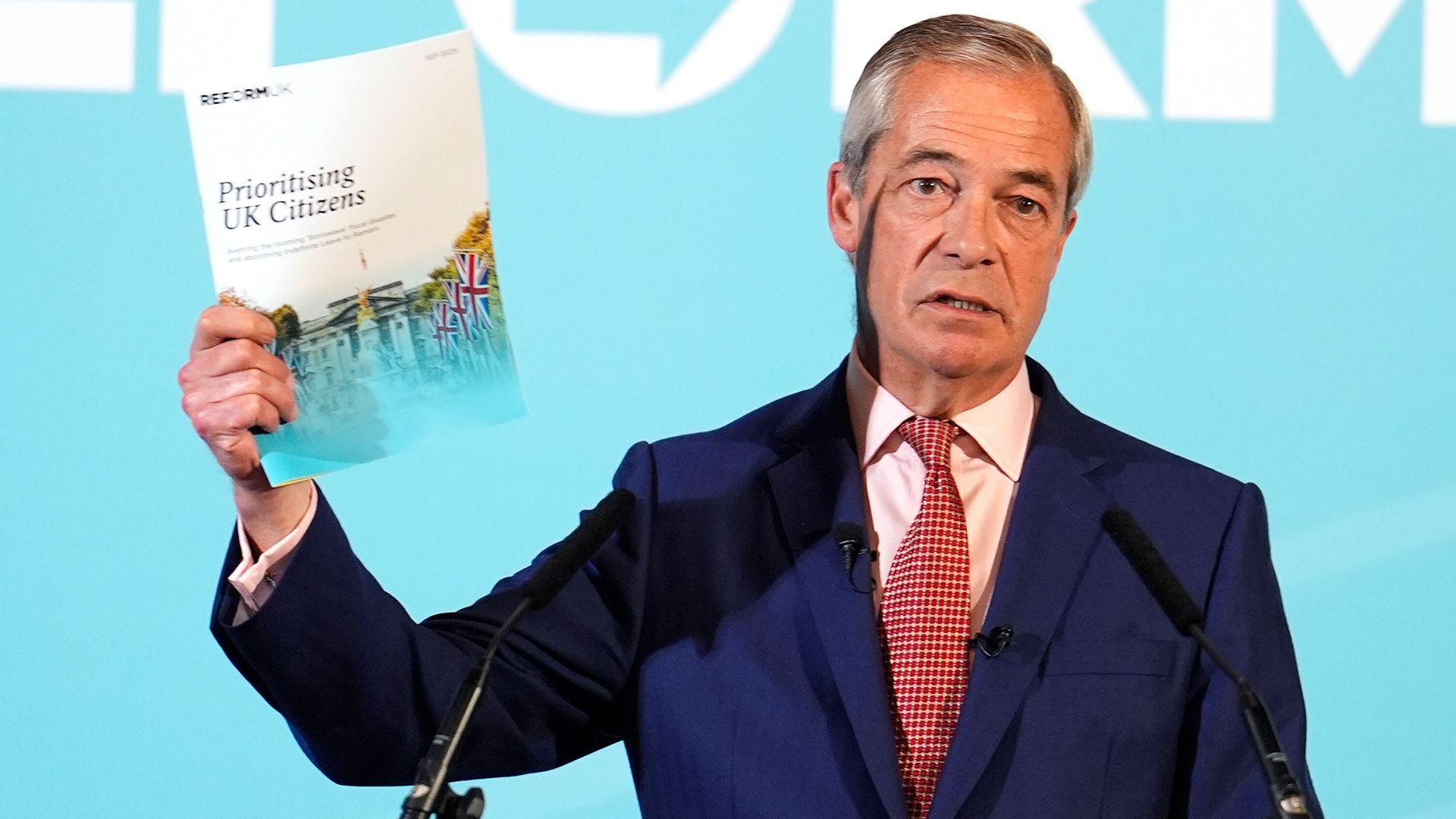
Reform UK has put forward one of the most radical proposed changes to Britain’s welfare system in recent years, promising to reduce the benefits bill by around £50 billion a year. The party, led by Nigel Farage, says its objective is to encourage people who are able to work to return to employment, protect those with the most serious disabilities, and ensure that British citizens receive priority for taxpayer-funded support. The proposals would also significantly change the welfare rights of foreign nationals living in the UK.
The plans have already generated considerable political controversy. Reform argues that the existing welfare system is too expensive and can discourage people from working. Critics, however, say the proposed reductions could place additional pressure on disabled people, low-income families and migrants who have established their lives in Britain. Campaigners have also warned that some families could face a substantial loss of income.
One of the most important elements of the proposal concerns foreign nationals. Reform says that, under a Reform government, foreign nationals would generally no longer be entitled to welfare payments. The party has specifically mentioned Universal Credit, housing benefit, most other non-contributory benefits and taxpayer-funded free childcare. Its stated policy is that the welfare system should primarily support British citizens.
This would represent a major change for some migrants who currently have access to benefits under existing immigration and residence rules. Reform’s own policy information says that even EU nationals with settled status would see their benefit entitlement changed, although their settled status itself would not be removed. The party acknowledges that its proposals would therefore affect people who have legal residence in the UK, not simply those who are in the country illegally.
The issue of illegal migration is treated even more strictly. Reform proposes a five-year programme to identify, detain and deport people it considers to be in the UK illegally. Its policy also promises to end taxpayer-funded benefits and free housing for illegal migrants, arguing that the system should not create financial incentives for people to enter Britain unlawfully.
For British citizens, the biggest proposed changes concern working-age benefits and disability support. Reform says it wants to make the welfare system more focused on encouraging employment. Long-term unemployed people who are considered fit to work could be required to undertake up to 20 hours of community work each week. Examples discussed by the party include helping to maintain public spaces and supporting local services. People who refuse to participate could face the loss of benefits.
The party also wants to make substantial changes to disability benefits. One of its most controversial proposals is the abolition of the current Personal Independence Payment system for working-age people and the introduction of a new health security allowance. Reform says the new approach would concentrate financial assistance on people with severe and high-risk medical conditions rather than providing the same type of support to a much wider group of claimants.
According to reporting on the proposal, the changes could affect millions of existing disability-benefit recipients. Reform estimates that its approach would reduce the number of people receiving disability-related support and significantly reduce government expenditure. Critics argue that the changes could remove essential financial assistance from people whose disabilities prevent them from living and working normally.
Another important part of the plan concerns sickness and employment. Reform has proposed a system in which employers would have greater responsibility for workers who become sick, potentially covering sick pay for a longer period. The party argues that this would encourage employers to take greater responsibility for occupational health while reducing some of the pressure on the welfare system. However, businesses could be concerned about the additional financial risks associated with long-term employee illness.
Families could also be affected. Reporting on Reform’s welfare proposals says the party would restore the two-child benefit cap, which limits certain benefits for families with more than two children. Supporters argue that welfare rules should encourage financial responsibility and employment, while opponents warn that reducing assistance to larger low-income families could increase child poverty. Campaigners have predicted that hundreds of thousands of children could be affected by the wider package.
Pensions are another area where Reform has attempted to reassure voters. The party has indicated that the state pension and the triple lock would be protected, despite the scale of its proposed reductions elsewhere in the welfare system. However, there has been debate within and around Reform about the long-term affordability of the triple lock. Its newly appointed economic adviser, Mitchell Palmer, has previously argued that the policy should be abolished, demonstrating that there are differences of opinion surrounding the party’s economic strategy.
The scale of the proposed savings is central to the political argument. Reform says its welfare changes could save approximately £50 billion annually. A substantial proportion would come from restricting benefits for foreign nationals and reducing spending on disability payments. The party argues that the savings could help reduce government expenditure while allowing taxpayers to retain more of their income.
Yet the feasibility of the proposals remains an important question. Some changes could require new legislation, while restrictions affecting EU citizens with settled status could raise questions about Britain’s existing international commitments. Reform has also proposed abolishing indefinite leave to remain as part of a wider immigration overhaul, replacing it with renewable visas subject to stricter conditions.
Reform’s approach is therefore based on a clear principle: welfare should be more conditional and should place British citizens at the centre of the system. Supporters see this as a restoration of the idea that people who pay taxes and contribute to society should receive priority. They also argue that people who are capable of working should have stronger incentives to do so rather than remaining dependent on benefits.
Opponents see the issue differently. They argue that welfare is intended to provide security when people experience unemployment, disability, illness or financial hardship, regardless of political nationality. They warn that aggressive cuts could push vulnerable people into poverty and increase pressure on councils, charities, the NHS and other public services.
The debate is likely to become even more significant as Reform attempts to transform its policy proposals into a credible programme of government. The party will have to explain precisely how each change would work, how much it would cost to implement, and whether the projected savings can realistically be achieved.
For British citizens, the proposals could mean a welfare system that is more demanding but potentially less generous. For migrants, the changes could be even more dramatic, with access to many benefits removed or restricted. For disabled people, the proposed replacement of PIP represents perhaps the biggest uncertainty, because eligibility would become more tightly focused on severe conditions.
Ultimately, Reform UK’s welfare plan is about more than simply cutting government spending. It represents an attempt to redefine the relationship between citizenship, work and social security. The party wants a system in which employment is strongly encouraged, British citizens receive priority, and state support is concentrated on those considered most in need.
Whether that approach would create a more sustainable welfare state or leave vulnerable people without adequate protection will remain one of the central questions surrounding Reform UK’s programme. What is clear is that, if implemented in full, the proposals would represent a profound transformation of Britain’s benefits system—and would affect both British families and migrants living legally in the country.