

Rupert Lowe’s ‘Olive Branch’ to Farage Puts More Pressure on Reform’s Leadership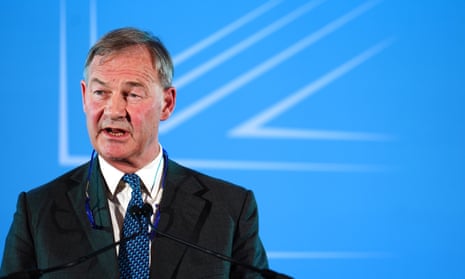
The political conflict between Rupert Lowe and Nigel Farage has become one of the most significant internal disputes within Reform UK. Once seen as members of the same political movement, the two men have developed increasingly different political identities and ambitions. Lowe’s recent “olive branch” to Farage suggests an attempt to reduce tensions and perhaps reopen the possibility of cooperation. However, rather than immediately solving Reform UK’s problems, the gesture could place even greater pressure on Farage to decide how he wants to lead the party in the future. The situation highlights the difficulties that can arise when a political movement grows rapidly but remains strongly associated with powerful individual personalities.
Reform UK has built much of its appeal around opposition to the established political parties. Its supporters often describe the party as an alternative to Westminster politics, particularly on issues such as immigration, national sovereignty, taxation and public spending. Nigel Farage has been central to this identity. His long political career, particularly his role in the Brexit campaign, has made him one of the best-known figures on the British political right. For many Reform supporters, Farage represents the public face of the movement.
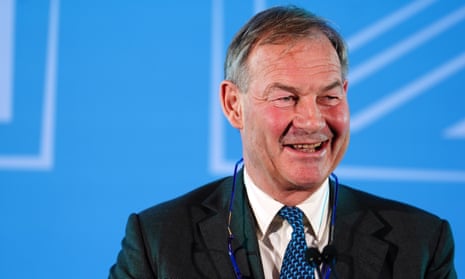
Rupert Lowe, however, has developed his own following. His political style is often more confrontational and strongly focused on economic policy, government spending and what he sees as the failures of the political establishment. His disagreements with Reform’s leadership have therefore created an unusual situation: a political party whose senior figures appear to compete for influence while simultaneously attempting to present themselves as a united alternative to the traditional parties.
An “olive branch” is significant because it suggests that Lowe recognises the political damage caused by continued conflict. Internal disputes can weaken a party’s credibility, especially when that party is attempting to persuade voters that it can govern the country effectively. If senior politicians publicly criticise one another, voters may begin to question whether they can work together on larger national issues. Lowe’s attempt to improve relations with Farage may therefore be interpreted as a recognition that political unity is strategically important.
For Farage, however, the situation is complicated. If he accepts Lowe’s gesture, he could demonstrate that he is capable of putting personal disagreements aside for the sake of the wider movement. This could strengthen his image as a leader who can unite different parts of the political right. On the other hand, accepting the olive branch could also mean giving Lowe greater political influence. Farage would therefore need to consider whether reconciliation would strengthen his leadership or create a new internal rival.
Leadership is particularly important for Reform UK because the party’s public identity remains closely connected to individual personalities. Traditional parties such as Labour and the Conservatives have large organisational structures, established parliamentary traditions and extensive networks of local representatives. Reform has developed differently. Its popularity has grown largely through strong national figures and a clear political message. This can be an advantage during elections because voters immediately recognise the party’s identity. However, it can also become a weakness if leading personalities begin competing with each other.
The dispute between Lowe and Farage therefore raises a broader question about whether Reform UK can develop into a stable political organisation rather than remaining primarily a vehicle for political protest. A successful national party needs more than popular personalities. It needs internal discipline, clear procedures, credible policies and a leadership structure that can survive disagreements. If Reform can develop these institutions, it could become a lasting force in British politics. If it cannot, internal conflicts may undermine its electoral potential.
One of the strongest reasons for reconciliation is the possibility of attracting a wider range of voters. Reform UK has already benefited from dissatisfaction with traditional parties, particularly among voters who feel that immigration has not been controlled effectively or that government spending is too high. However, winning a large number of seats requires more than appealing to voters who are already strongly supportive. The party needs to persuade moderate and undecided voters that it is capable of governing responsibly.
Public disagreements between prominent figures can make this task more difficult. Voters may tolerate political arguments, but they may become concerned if disputes appear personal or destructive. A party that wants to govern must demonstrate that its politicians can disagree without becoming permanently divided.
Lowe’s olive branch could therefore be an opportunity for Reform to reset its political image. Instead of focusing on internal disagreements, the party could concentrate on common objectives. These might include reducing government waste, improving economic growth, reforming immigration policy and challenging what its supporters see as excessive bureaucracy. There may be substantial areas of agreement between Lowe and Farage even if they disagree about leadership and strategy.
At the same time, reconciliation should not mean avoiding legitimate disagreements. Political parties need internal debate. If every member simply follows the leader, important policy weaknesses may go unchallenged. Lowe’s criticisms could potentially contribute to a healthier political discussion if they are expressed constructively. Farage, for his part, could benefit from having colleagues who are willing to challenge his assumptions.
The key issue is therefore how disagreement is managed. Constructive criticism can strengthen a party, while personal conflict can destroy it. Reform UK must find a way to distinguish between the two. If Lowe and Farage can disagree about policy while cooperating on broader objectives, their relationship could become an example of political maturity rather than division.
There is also a strategic reason why Farage may feel increased pressure. Reform UK has ambitious electoral goals, and its future success depends heavily on whether it can maintain momentum. If the party becomes dominated by internal disputes, traditional political parties could benefit. Labour and the Conservatives can portray Reform as inexperienced or incapable of governing. Even if such criticism is politically motivated, repeated internal conflicts could make the argument more convincing to undecided voters.
Farage therefore has to balance two competing priorities. He must maintain control over the party while ensuring that talented politicians such as Lowe do not become alienated. Political leadership requires authority, but it also requires the ability to build alliances. A leader who appears unwilling to compromise may eventually create unnecessary opposition within his own organisation.
The situation also reflects the changing nature of British politics. Traditional political loyalties have weakened, while new movements can gain support very quickly through social media and direct communication with voters. This creates opportunities for politicians such as Farage and Lowe, but it also makes political movements more vulnerable to personality conflicts. When a party’s communication is heavily centred around individual politicians, disagreements between those politicians can become public almost immediately.
For voters, the most important issue should ultimately be policy rather than personality. Whether Lowe and Farage like one another is less important than what Reform UK proposes to do about the economy, public services, immigration, taxation and national security. A serious political party should be judged according to whether its policies are practical and whether it can deliver them effectively.
The olive branch could therefore be valuable if it marks the beginning of a more mature political relationship. If Lowe and Farage can move beyond personal tensions, Reform may be able to focus on the issues that originally brought many of its supporters together. If the gesture is rejected or followed by another public dispute, however, it could reinforce the impression that Reform’s internal divisions are too deep to overcome.
In conclusion, Rupert Lowe’s “olive branch” to Nigel Farage comes at a crucial moment for Reform UK. The gesture could offer an opportunity for reconciliation, but it also places additional pressure on Farage as the party’s leading figure. He must demonstrate that he can maintain authority while allowing internal disagreement and cooperation to coexist. Reform UK has attracted significant support by presenting itself as an alternative to the political establishment, but becoming a credible governing party will require more than strong personalities and provocative political messages. It will require unity, organisation, discipline and the ability to work together despite differences. If Lowe and Farage can turn their rivalry into constructive cooperation, the party could emerge stronger. If they cannot, their personal conflict may become one of the greatest obstacles to Reform UK’s political ambitions.