

Britannia Metropole Hotel in Blackpool, Lancashire (Image: James Maloney/Lancs Live)
A landmark Blackpool hotel is poised to stop housing asylum seekers, marking a shift in Labour’s plans to move small boat arrivals into alternative accommodation, it has been revealed. The Metropole Hotel, a well-known Lancashire seafront property dating back to 1785, had been used to house hundreds of asylum seekers since 2021.
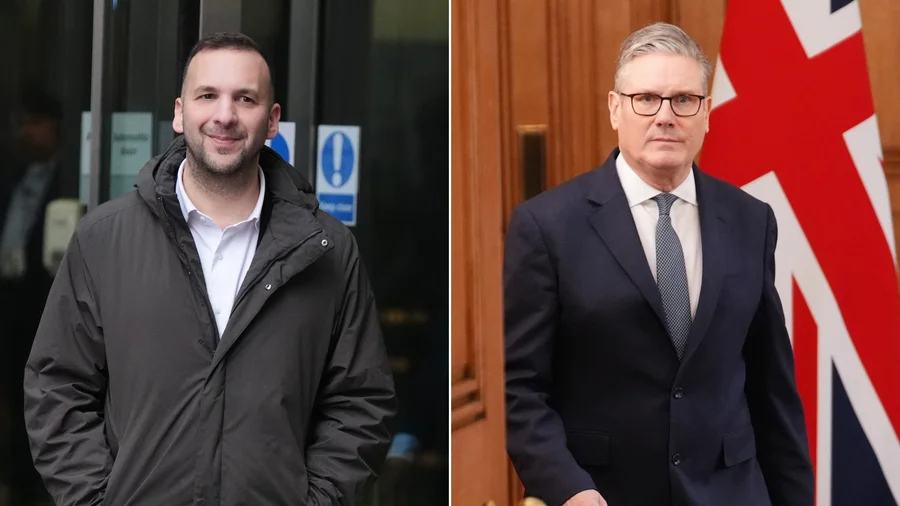
Blackpool South’s Labour MP Chris Webb confirmed today that the site is set to reopen to tourists, with a July deadline in place for current residents to be relocated. Mr Webb said those staying at the Metropole will be gradually moved into what he described as more “appropriate” forms of asylum accommodation. Sources indicate the individuals will be transferred out of Blackpool while their claims continue to be processed.

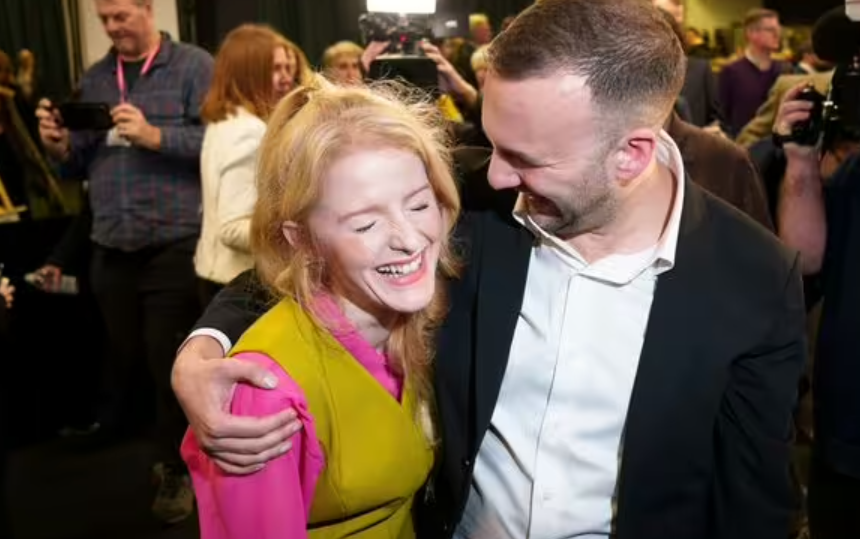
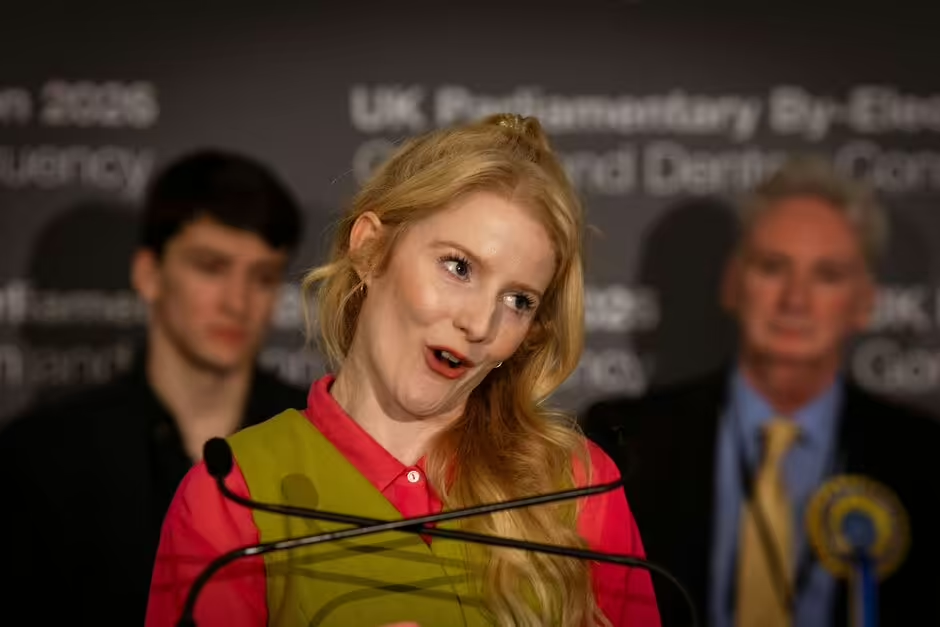
Chris Webb pictured after his victory at the Blackpool South by-election (Image: Getty)
Mr Webb told GB News: “The Home Office is now working with Britannia and Serco to move people to other parts of the country… but I can confirm that Blackpool will no longer have an asylum hotel.
“When it was first designated in 2021, we were told it would only be temporary. Five years later, it’s finally coming to an end.
“The hotel has been at the centre of controversy throughout its time in this role and has been widely considered inadequate. I’ll be pushing hard to ensure Britannia restores it to its former standard.
“Blackpool remains one of the UK’s key tourist destinations, and it’s vital this hotel is fully operational and fit for visitors by the end of the season.”
The announcement came shortly after the Home Office confirmed the closure of 11 asylum hotels, reducing the total number in use to 185. The Metropole is not on this particular list.
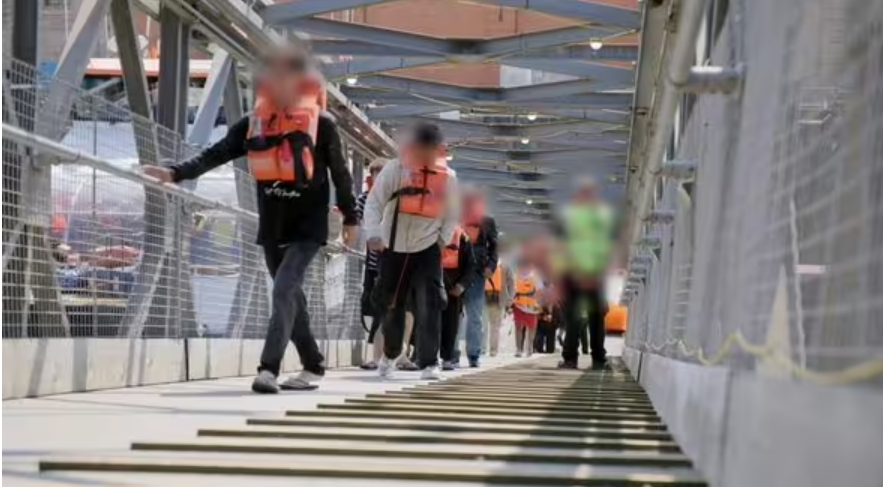
At the height of the crisis, around 400 hotels were being used, with costs reaching £3 billion in the 2023/24 financial year.

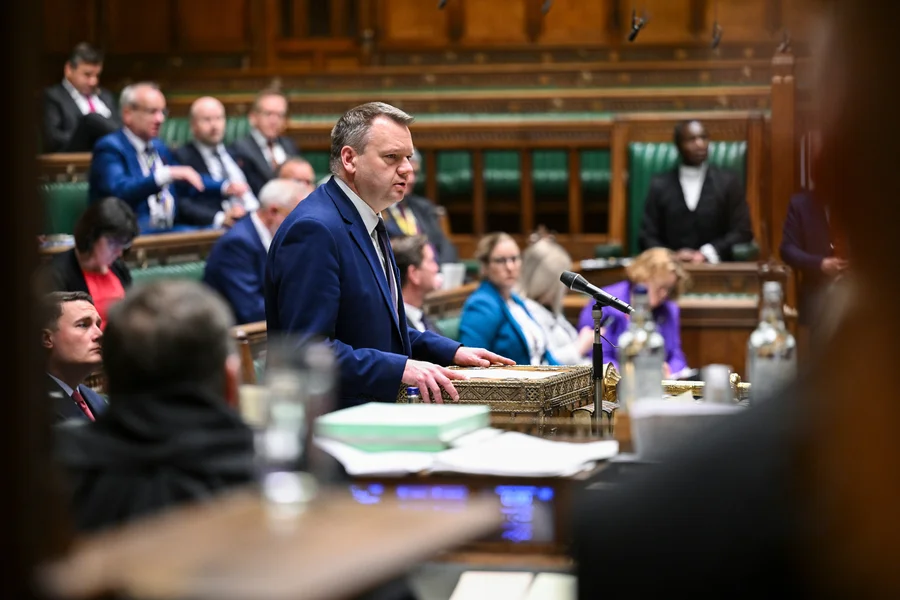
Asylum Minister Alex Norris (Image: Craig Connor/ChronicleLive)
Asylum Minister Alex Norris said the reliance on hotels had far exceeded initial expectations.
Mr Norris said: “They were intended as a short-term solution, but quickly became unsustainable—costing billions and placing strain on local communities.
“We are now closing them by moving people into more basic accommodation, expanding large-scale sites, and increasing removals of those with no right to remain.
“This is about regaining control, cutting waste, and returning hotels to public use.”
The department estimates that shutting the latest batch of hotels will save nearly £65 million annually.
Despite this, figures released in December suggest more than 100,000 people are still housed within the asylum system.
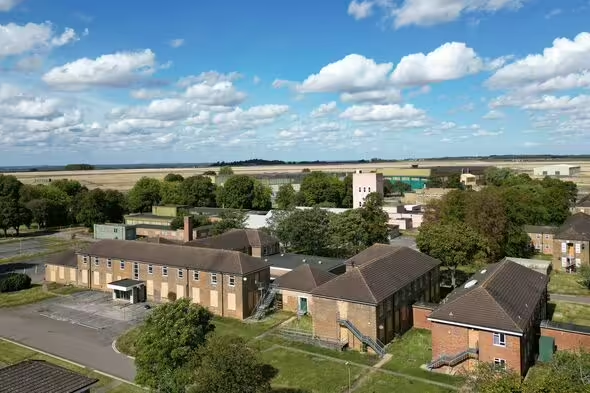
The Government is continuing to explore alternatives, including the use of military sites and a £500 million programme to place asylum seekers in refurbished council housing.
These measures have drawn criticism, with concerns raised that such moves simply shift the burden elsewhere.
Shadow Home Secretary Chris Philp argued that using residential housing risks limiting availability for young people trying to get on the property ladder.
Mr Philp said: “Our approach would be to leave the ECHR and ensure illegal migrants are removed within days, rather than being accommodated at taxpayers’ expense.”
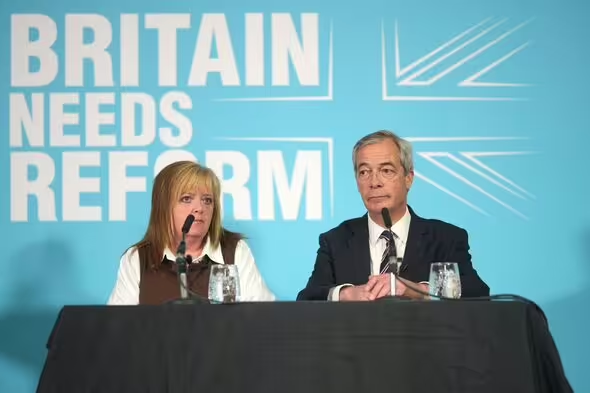
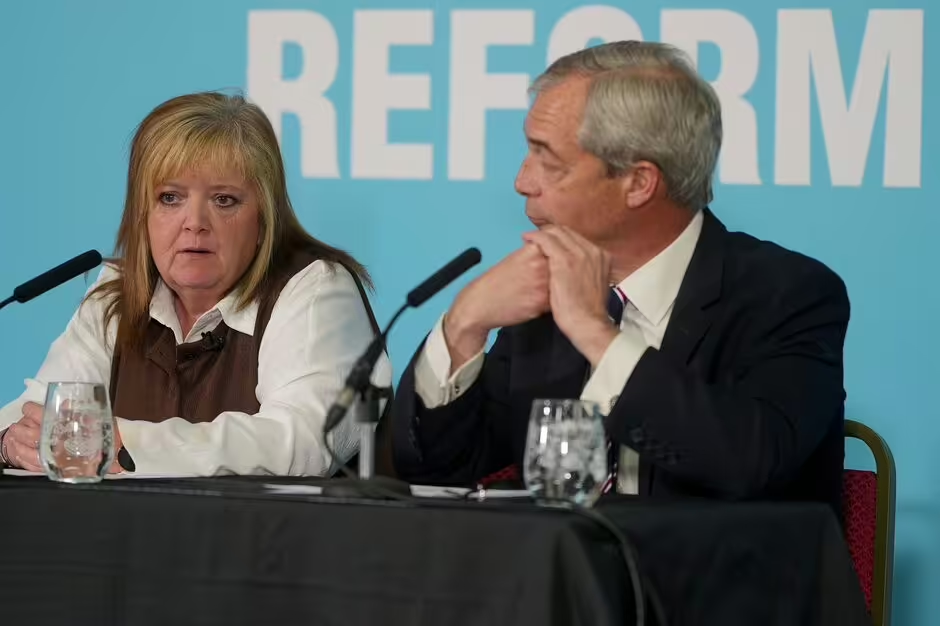
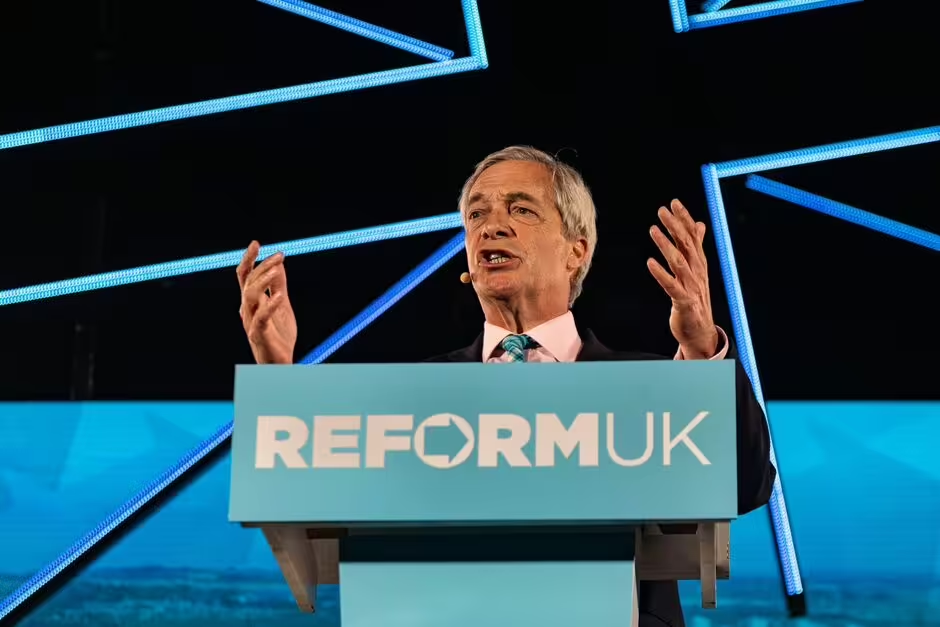
Reform UK also criticised the policy, claiming the Government was merely replacing one form of state-funded housing with another while migration levels remain high.














































































































































































































































































































































































































































































































































































































































































Most Popular Comments
1st Most liked comment • 15 hours ago44
“they will be dumped in an HMO near you, start to worry about the local women and girls”
2nd Most liked comment • 14 hours ago42
“I honestly hope Joe public and tourist Do Not go back “
3rd Most liked comment • 13 hours ago41
“sounds good doesnt it.. but the awful truth is this.. starmer has just ordered …”